 Back
BackAntimicrobial Drugs: Mechanisms, Classes, and Resistance
Study Guide - Smart Notes
 Tailored notes based on your materials, expanded with key definitions, examples, and context.
Chapter 20: Antimicrobial Drugs
The History and Principles of Chemotherapy
Chemotherapy refers to the use of chemicals to treat diseases, particularly infections caused by microorganisms. The concept of selective toxicity is central, meaning drugs should target pathogens without harming the host. Antibiotics are substances produced by microbes that inhibit other microbes, while antimicrobial drugs include both natural and synthetic agents that interfere with microbial growth.
Key discoveries: Penicillin (Fleming, 1928), Prontosil (sulfanilamide, 1932), clinical trials of penicillin (1940).
Antibiotic resistance: Increasingly problematic due to misuse and overuse.
Sources and Spectrum of Antibiotics
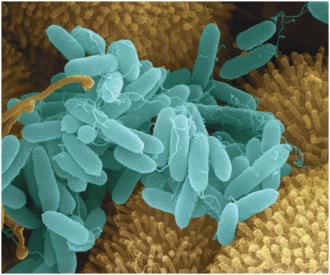
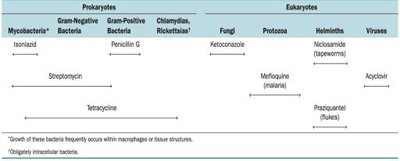
Antibiotics are derived from various microorganisms, including bacteria (especially Streptomyces and Bacillus), and fungi (Penicillium, Cephalosporium). The spectrum of activity describes the range of microbes affected by a drug:
Narrow-spectrum antibiotics: Target specific groups (e.g., only gram-positive bacteria).
Broad-spectrum antibiotics: Affect a wide range of bacteria, both gram-positive and gram-negative.
Superinfection: Overgrowth of resistant normal microbiota, such as Candida albicans or Clostridioides difficile.
Mechanisms of Action of Antimicrobial Drugs
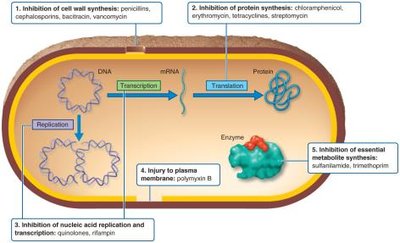
Antimicrobial drugs act through several distinct mechanisms, each targeting a vital process in microbial cells.
Bactericidal: Kill microbes directly.
Bacteriostatic: Prevent microbial growth.
1. Inhibition of Cell Wall Synthesis
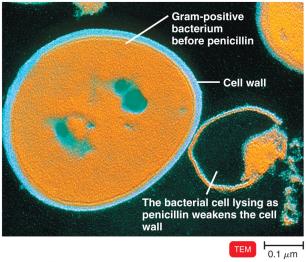
Drugs such as penicillins and cephalosporins prevent the synthesis of peptidoglycan, weakening the cell wall and causing cell lysis, especially in gram-positive bacteria.
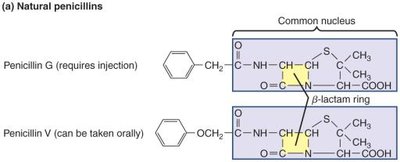
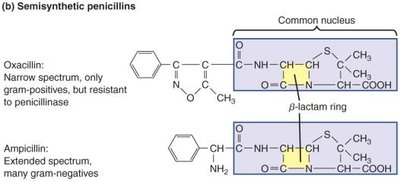
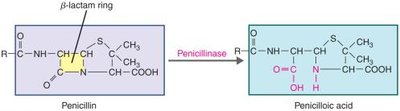
Penicillins: Contain a β-lactam ring; types differ by side chains.
Cephalosporins: Similar mechanism, grouped by generation.
Polypeptide antibiotics: Bacitracin (topical), vancomycin (last line against MRSA).
Antimycobacterial antibiotics: Isoniazid and ethambutol target mycolic acid synthesis in Mycobacterium.
2. Inhibition of Protein Synthesis
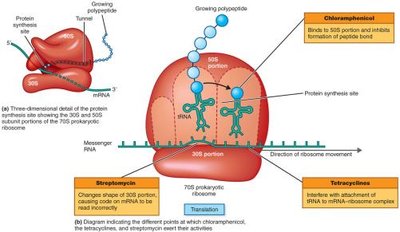
These drugs target bacterial ribosomes (70S), interfering with translation and protein production. Examples include chloramphenicol, erythromycin, streptomycin, and tetracyclines.
Chloramphenicol: Binds 50S subunit, inhibits peptide bond formation.
Aminoglycosides: Change shape of 30S subunit, cause misreading of mRNA.
Tetracyclines: Block tRNA attachment to ribosome.
Macrolides: Erythromycin, azithromycin, clarithromycin.
3. Injury to the Plasma Membrane
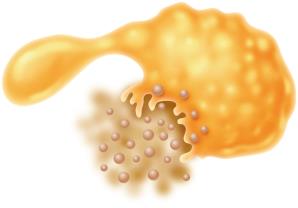
Some antibiotics disrupt membrane integrity, causing leakage of cellular contents. Polypeptide antibiotics (e.g., polymyxin B) and antifungal drugs (e.g., amphotericin B) act in this way.
Polymyxin B: Used topically against gram-negative bacteria.
Ionophores: Allow uncontrolled movement of cations (not for human use).
4. Inhibition of Nucleic Acid Synthesis
These drugs block DNA replication or transcription by inhibiting enzymes such as topoisomerase or RNA polymerase.
Quinolones and fluoroquinolones: Inhibit DNA gyrase.
Rifamycins: Inhibit RNA synthesis.
5. Inhibition of Synthesis of Essential Metabolites
Antimetabolites compete with normal substrates for enzymes, blocking metabolic pathways. Sulfanilamide, for example, competes with PABA, inhibiting folic acid synthesis.
Sulfonamides: Inhibit folic acid synthesis.
Trimethoprim: Inhibits conversion of dihydrofolic acid to tetrahydrofolic acid.
Classes and Structures of Antibacterial Drugs
Penicillins
Penicillins are classified as natural or semisynthetic, based on their structure and spectrum of activity.
Natural penicillins: Penicillin G (injection), Penicillin V (oral); narrow spectrum, susceptible to penicillinase.
Semisynthetic penicillins: Modified side chains for resistance to penicillinase and broader spectrum (e.g., oxacillin, ampicillin).
Penicillinase and Resistance
Penicillinase (β-lactamase) is an enzyme that breaks the β-lactam ring, rendering penicillin inactive. This is a major mechanism of resistance among bacteria.
Testing Antimicrobial Effectiveness
Diffusion Methods
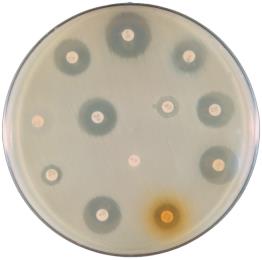
The disk-diffusion method (Kirby-Bauer test) assesses the effectiveness of antibiotics by measuring the zone of inhibition around antibiotic disks placed on agar inoculated with bacteria.
E test: Determines minimal inhibitory concentration (MIC).
Broth dilution tests: Determine MIC and minimal bactericidal concentration (MBC).
Antibiotic Resistance
Mechanisms of Resistance
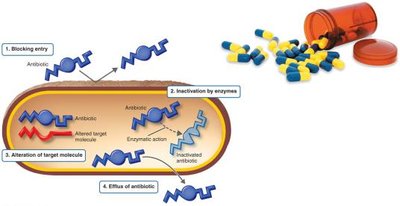
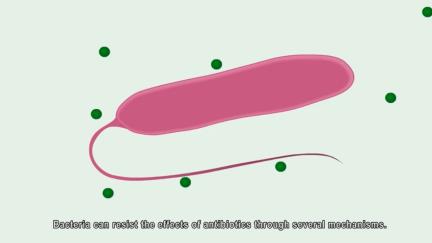
Bacteria can resist antibiotics through several mechanisms:
Enzymatic destruction or inactivation: e.g., β-lactamases.
Prevention of penetration: Modified porins in gram-negative bacteria.
Alteration of target site: e.g., MRSA modifies penicillin-binding protein.
Rapid efflux: Membrane pumps expel antibiotics.
Spread and Impact of Resistance
Resistance genes are often transferred horizontally via plasmids or transposons. Superbugs, such as Pseudomonas aeruginosa and Acinetobacter baumannii, are resistant to multiple antibiotics and pose significant challenges in healthcare settings.
Antifungal, Antiviral, Antiprotozoan, and Antihelminthic Drugs
Antifungal Drugs
Target fungal sterols (ergosterol) or cell wall synthesis. Examples include polyenes (nystatin, amphotericin B), azoles, echinocandins, and griseofulvin.
Antiviral Drugs
Block viral entry, fusion, uncoating, genome integration, nucleic acid synthesis, assembly, and exit. Examples include protease inhibitors (Paxlovid®), neuraminidase inhibitors (oseltamivir), and interferons.
Antiprotozoan and Antihelminthic Drugs
Used to treat malaria, amebiasis, and helminth infections. Examples include chloroquine, artemisinin, metronidazole, niclosamide, praziquantel, mebendazole, and ivermectin.
Antibiotic Safety and Drug Combinations
Therapeutic index: Risk versus benefit assessment.
Synergism: Combined effect greater than individual drugs.
Antagonism: Combined effect less than individual drugs.
Prevention and Future Directions
Finish prescriptions, avoid misuse, and use narrow-spectrum antibiotics when possible.
New drug development is costly; focus on targeting virulence factors, iron sequestration, dormant cells, and nonculturable bacteria.
Phage therapy and antimicrobial peptides are promising future strategies.
