 Back
BackAntimicrobial Drugs: Mechanisms, Classes, and Resistance
Study Guide - Smart Notes
 Tailored notes based on your materials, expanded with key definitions, examples, and context.
Antimicrobial Drugs
Introduction to Chemotherapy and Antimicrobial Drugs
Antimicrobial drugs are essential tools in the treatment of infectious diseases. They include antibiotics (naturally produced by microorganisms) and synthetic agents that inhibit or kill pathogens. The development and use of these drugs have revolutionized medicine, but challenges such as resistance persist.
Chemotherapy: The use of chemicals to treat disease.
Selective toxicity: The ability of a drug to target pathogens without harming the host.
Antibiotic: A substance produced by a microbe that inhibits another microbe.
Antimicrobial drugs: Synthetic substances that interfere with microbial growth.
Historical milestones:
Paul Ehrlich: Searched for "magic bullets"—selective drugs against pathogens.
Alexander Fleming: Discovered penicillin in 1928, produced by Penicillium.
1932: Prontosil red dye (sulfanilamide) used for streptococcal infections.
1940: First clinical trials of penicillin.
Current issue: The rise of antibiotic resistance is a major concern in modern medicine.
Sources of Antibiotics
Most antibiotics are derived from soil bacteria and fungi. The following table summarizes representative sources:
Microorganism | Antibiotic |
|---|---|
Gram-Positive Rods | Bacitracin (from Bacillus subtilis), Polymyxin (from Paenibacillus polymyxa) |
Actinomycetes | Streptomycin, Neomycin, Chloramphenicol, Tetracycline, Erythromycin, Gentamicin |
Fungi | Penicillin (from Penicillium chrysogenum), Cephalothin (from Cephalosporium spp.), Griseofulvin |
Spectrum of Antimicrobial Activity
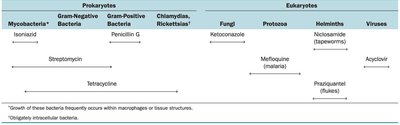
The spectrum of activity refers to the range of microbes affected by a drug.
Narrow-spectrum antibiotics: Affect a limited group of bacteria (e.g., only gram-positive bacteria).
Broad-spectrum antibiotics: Affect a wide range of bacteria, including both gram-positive and gram-negative species.
Superinfection: Overgrowth of resistant normal microbiota, such as Candida albicans or Clostridioides difficile, following antibiotic use.
Modes of Action of Antimicrobial Drugs
Overview of Major Action Modes
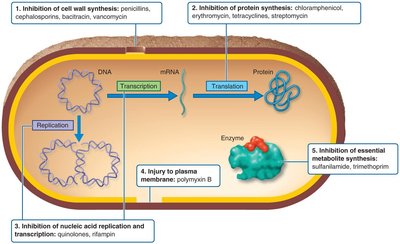
Antimicrobial drugs target essential processes in microbes. The five main modes of action are:
Inhibition of cell wall synthesis (e.g., penicillins, cephalosporins, bacitracin, vancomycin)
Inhibition of protein synthesis (e.g., chloramphenicol, erythromycin, tetracyclines, streptomycin)
Inhibition of nucleic acid replication and transcription (e.g., quinolones, rifampin)
Injury to plasma membrane (e.g., polymyxin B)
Inhibition of essential metabolite synthesis (e.g., sulfanilamide, trimethoprim)
Inhibition of Cell Wall Synthesis
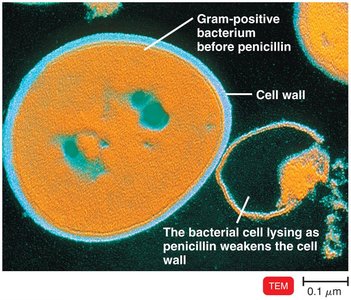
Drugs like penicillins prevent the synthesis of peptidoglycan, weakening the bacterial cell wall and causing cell lysis, especially in gram-positive bacteria.
Inhibition of Protein Synthesis
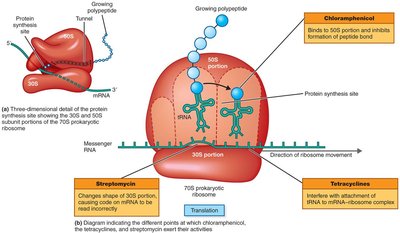
Many antibiotics target the bacterial 70S ribosome, interfering with translation and protein production.
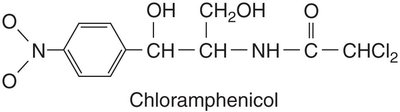
Chloramphenicol: Binds to the 50S subunit and inhibits peptide bond formation.
Streptomycin: Changes the shape of the 30S subunit, causing mRNA misreading.
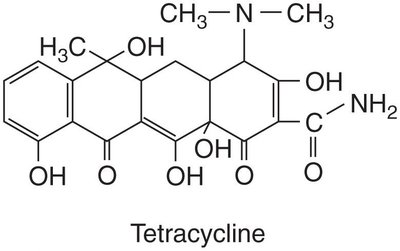
Tetracyclines: Interfere with tRNA attachment to the ribosome.
Injury to Plasma Membrane
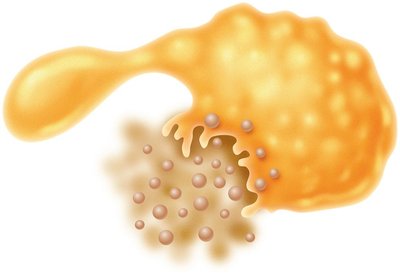
Some antibiotics disrupt the plasma membrane, increasing permeability and causing cell death. Polypeptide antibiotics (e.g., polymyxin B) and antifungal drugs (e.g., amphotericin B) act in this way.
Inhibition of Nucleic Acid Synthesis
These drugs block DNA replication (e.g., quinolones inhibit DNA gyrase) or transcription (e.g., rifampin inhibits RNA polymerase).
Inhibition of Essential Metabolite Synthesis
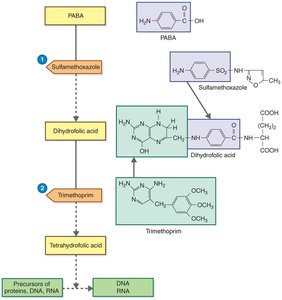
Antimetabolites, such as sulfonamides, compete with normal substrates (e.g., PABA) for enzymes, blocking the synthesis of folic acid, which is essential for nucleic acid and protein synthesis.
Classes of Antimicrobial Drugs
Inhibitors of Cell Wall Synthesis
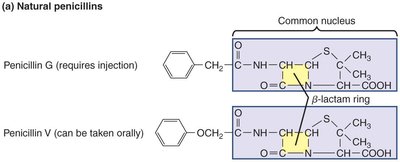
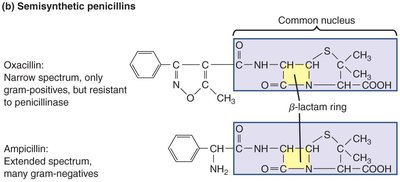
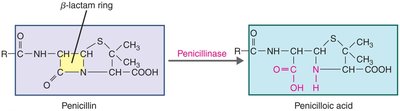
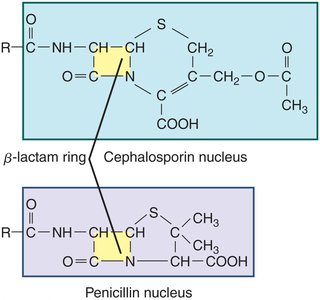
Penicillins: Contain a β-lactam ring; prevent cross-linking of peptidoglycans.
Natural penicillins: Penicillin G (injected), Penicillin V (oral); narrow spectrum, susceptible to penicillinases.
Semisynthetic penicillins: Modified side chains; resistant to penicillinases (e.g., oxacillin, ampicillin).
Penicillinase-resistant penicillins: Methicillin, oxacillin.
Extended-spectrum penicillins: Ampicillin, amoxicillin (effective against gram-negatives).
Carbapenems: Broad spectrum; imipenem, doripenem.
Monobactams: Aztreonam; effective against certain gram-negatives.
Cephalosporins: Similar to penicillins; grouped by generations with increasing spectrum.
Polypeptide antibiotics: Bacitracin (topical), vancomycin (last line for MRSA), teixobactin.
Antimycobacterial antibiotics: Isoniazid (inhibits mycolic acid synthesis), ethambutol.
Inhibitors of Protein Synthesis
Nitrofurantoin: Used for urinary infections; attacks ribosomal proteins.
Chloramphenicol: Broad spectrum; can cause aplastic anemia.
Aminoglycosides: Streptomycin, neomycin, gentamicin; can cause auditory and kidney damage.
Tetracyclines: Broad spectrum; effective against rickettsias and chlamydias; risk of superinfection.
Glycylcyclines: Tigecycline; useful against MRSA.
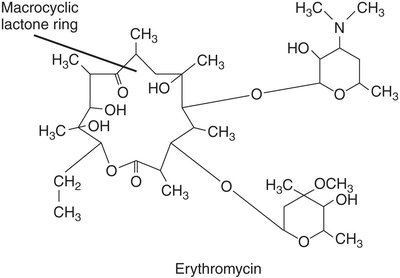
Macrolides: Erythromycin; narrow spectrum for gram-positives.
Streptogramins, oxazolidinones, pleuromutilins: Used for resistant gram-positive infections.
Injury to Membranes
Lipopeptides: Daptomycin (skin infections), polymyxin B and E (colistin) for gram-negatives.
Nucleic Acid Synthesis Inhibitors
Rifamycins: Inhibit mRNA synthesis; used for tuberculosis.
Quinolones/Fluoroquinolones: Inhibit DNA gyrase; ciprofloxacin, norfloxacin.
Competitive Inhibition of Essential Metabolites
Sulfonamides: Inhibit folic acid synthesis; often combined with trimethoprim for synergistic effect.
Antifungal, Antiviral, Antiprotozoan, and Antihelminthic Drugs
Antifungal Drugs
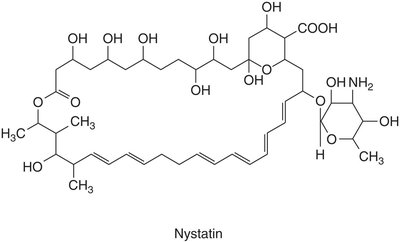
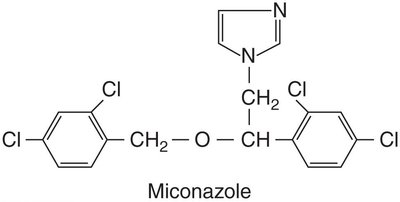
Agents affecting fungal sterols: Polyenes (nystatin, amphotericin B), azoles (imidazoles, triazoles), allylamines.
Agents affecting cell walls: Echinocandins (inhibit β-glucan synthesis).
Agents inhibiting nucleic acids: Flucytosine.
Other agents: Griseofulvin (inhibits microtubules), tolnaftate, pentamidine.
Antiviral Drugs
Entry and fusion inhibitors: Block viral entry into host cells.
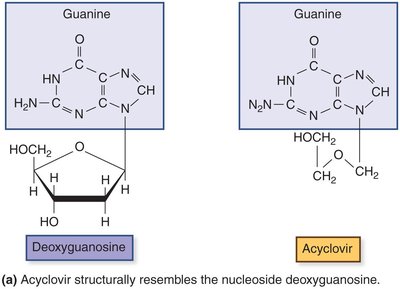
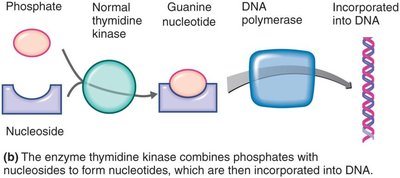
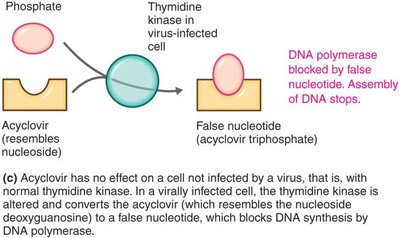
Uncoating, genome integration, and nucleic acid synthesis inhibitors: Nucleoside analogs (e.g., acyclovir) inhibit viral DNA/RNA synthesis.
Assembly and exit inhibitors: Protease inhibitors (e.g., Paxlovid®), neuraminidase inhibitors.
Interferons: Host-produced proteins that inhibit viral replication.
Antiretrovirals: Used for HIV/AIDS treatment.
Antiprotozoan and Antihelminthic Drugs
Antiprotozoan: Quinine, chloroquine, artemisinin (malaria); metronidazole, tinidazole, nitazoxanide (anaerobic protozoa); miltefosine (leishmaniasis, amebic encephalitis).
Antihelminthic: Niclosamide (tapeworms), praziquantel (tapeworms, flukes), mebendazole/albendazole (intestinal helminths), ivermectin (roundworms, mites).
Testing and Resistance
Testing Antimicrobial Effectiveness
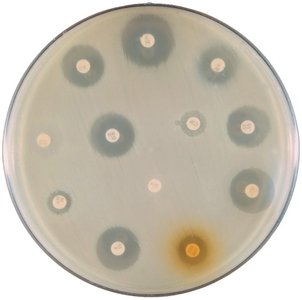
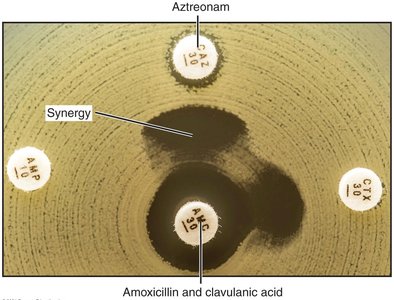
Disk-diffusion method (Kirby-Bauer test): Paper disks with antibiotics are placed on an agar plate inoculated with the test organism. The zone of inhibition indicates sensitivity.
Mechanisms of Resistance
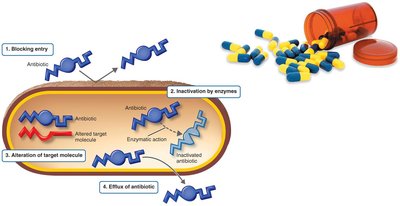
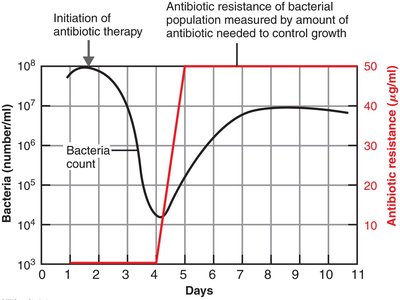
Bacteria can develop resistance through several mechanisms:
Enzymatic destruction or inactivation of the drug (e.g., β-lactamases)
Prevention of penetration to the target site (e.g., altered porins in gram-negatives)
Alteration of the drug’s target site (e.g., MRSA’s modified PBP)
Rapid efflux (ejection) of the antibiotic
Antibiotic Misuse and Prevention
Misuse (e.g., incomplete regimens, unnecessary prescriptions, use in animal feed) accelerates resistance.
Prevention: Complete prescribed regimens, avoid unnecessary use, and use narrow-spectrum drugs when possible.
Drug Combinations and Safety
Synergism: Combined effect of two drugs is greater than either alone (e.g., amoxicillin and clavulanic acid).
Antagonism: Combined effect is less than either alone (e.g., penicillin and tetracycline).
Therapeutic index: Ratio of toxic dose to therapeutic dose; higher is safer.
Future Directions
Targeting virulence factors and dormant cells
Developing drugs for gram-negative bacteria
Exploring antimicrobial peptides and bacteriocins
Phage therapy as an alternative to antibiotics
