 Back
BackAntimicrobial Drugs: Mechanisms, Clinical Use, and Resistance
Study Guide - Smart Notes
 Tailored notes based on your materials, expanded with key definitions, examples, and context.
History and Types of Antimicrobial Agents
Introduction to Antimicrobial Agents
Antimicrobial agents are chemicals used to treat infections by inhibiting or killing microorganisms. The development of these agents revolutionized medicine, allowing for the effective treatment of bacterial, fungal, and some viral diseases.
Chemotherapeutic agents: Drugs that act against diseases, including infections and cancer.
Antimicrobial agents: Drugs specifically used to treat infections caused by microorganisms.
Historical Milestones
Paul Ehrlich: Developed "magic bullets"—arsenic compounds that selectively killed microbes.
Alexander Fleming: Discovered penicillin, the first true antibiotic, produced by the mold Penicillium chrysogenum.
Gerhard Domagk: Discovered sulfanilamide, the first widely used synthetic antimicrobial.
Selman Waksman: Coined the term "antibiotics" for antimicrobial agents produced naturally by organisms.
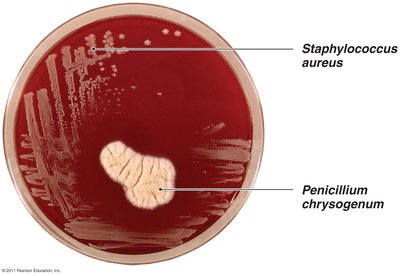
Semi-synthetics: Chemically modified antibiotics that are more effective than their natural counterparts. Synthetics: Completely synthesized antimicrobial agents produced in the laboratory.
Mechanisms of Antimicrobial Action
Overview of Mechanisms
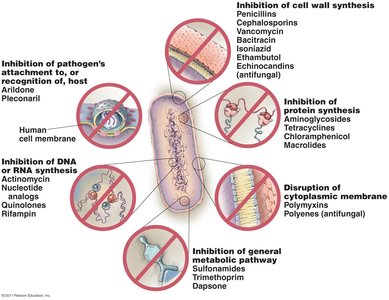
Antimicrobial drugs target specific structures or functions in microbes, aiming for selective toxicity—harming the pathogen without damaging the host. The main mechanisms include inhibition of cell wall synthesis, protein synthesis, nucleic acid synthesis, metabolic pathways, disruption of cytoplasmic membranes, and prevention of viral attachment.
Inhibition of Cell Wall Synthesis
Many antibacterial agents inhibit the synthesis of peptidoglycan, a key component of bacterial cell walls. This weakens the wall, causing cell lysis, especially in growing cells.
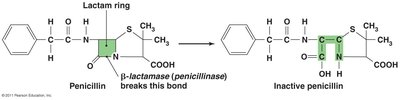
Beta-lactams (e.g., penicillins, cephalosporins): Bind to enzymes that cross-link NAM subunits, preventing cell wall formation.
Vancomycin and cycloserine: Interfere with bridges linking NAM subunits in Gram-positive bacteria.
Bacitracin: Blocks secretion of NAG and NAM from the cytoplasm.
Isoniazid and ethambutol: Disrupt mycolic acid formation in mycobacteria.
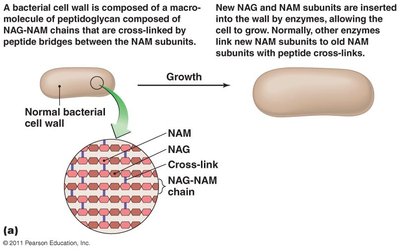
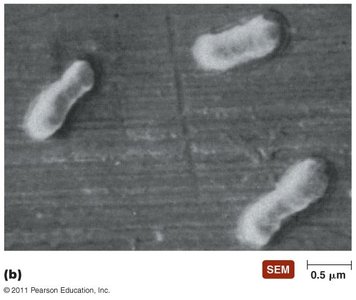
Note: These drugs are only effective against actively growing bacteria, as they do not affect existing peptidoglycan.
Inhibition of Protein Synthesis
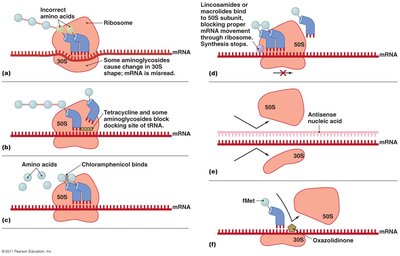
Prokaryotic ribosomes (70S) differ from eukaryotic ribosomes (80S), allowing selective targeting. However, mitochondrial ribosomes in eukaryotes are similar to prokaryotic ribosomes, which can lead to side effects.
Aminoglycosides, tetracyclines, chloramphenicol, macrolides: Inhibit various steps of translation.
Disruption of Cytoplasmic Membranes
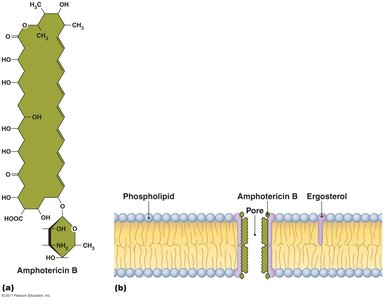
Some drugs disrupt the integrity of microbial membranes, leading to cell death.
Amphotericin B: Binds to ergosterol in fungal membranes, forming pores.
Azoles and allylamines: Inhibit ergosterol synthesis in fungi.
Polymyxin: Disrupts Gram-negative bacterial membranes; toxic to human kidneys.
Inhibition of Metabolic Pathways
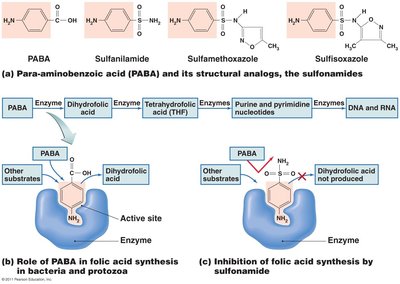
Antimetabolic agents target metabolic differences between pathogens and hosts.
Sulfonamides: Inhibit folic acid synthesis by acting as competitive inhibitors of para-aminobenzoic acid (PABA).
Quinolones: Interfere with malaria parasite metabolism.
Heavy metals: Inactivate microbial enzymes.
Inhibition of Nucleic Acid Synthesis
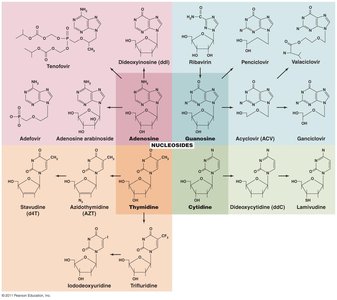
Some drugs block DNA replication or RNA transcription, often affecting both prokaryotic and eukaryotic cells. Nucleotide analogs distort nucleic acid shapes, preventing replication and transcription, and are especially useful against viruses and cancer cells.
Quinolones and fluoroquinolones: Inhibit prokaryotic DNA gyrase.
Reverse transcriptase inhibitors: Block HIV replication; humans lack this enzyme.
Prevention of Virus Attachment
Attachment antagonists block viral proteins from binding to host cell receptors, preventing infection. This is a developing area in antimicrobial therapy.
Clinical Considerations in Prescribing Antimicrobial Drugs
Ideal Antimicrobial Agent
Readily available and inexpensive
Chemically stable and easily administered
Nontoxic, nonallergenic, and selectively toxic against a wide range of pathogens
Spectrum of Action
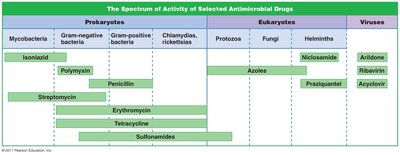
The spectrum of an antimicrobial agent refers to the range of pathogens it affects.
Narrow-spectrum: Effective against a few organisms.
Broad-spectrum: Effective against many organisms, but may disrupt normal flora and lead to secondary infections or superinfections.
Efficacy Testing
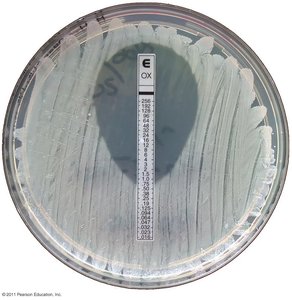
Determining the efficacy of an antimicrobial agent is essential for clinical use. Common tests include:
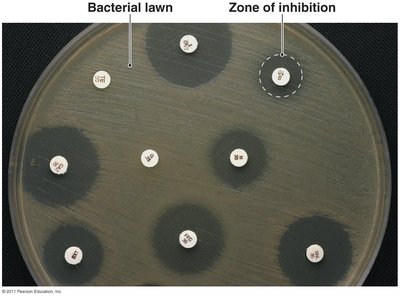
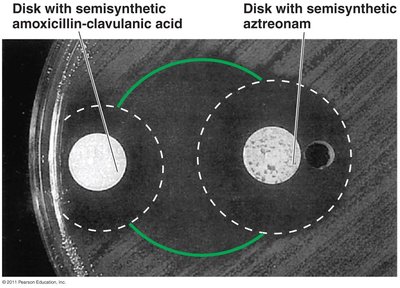
Diffusion susceptibility test (Kirby-Bauer): Measures zones of inhibition around antibiotic disks.
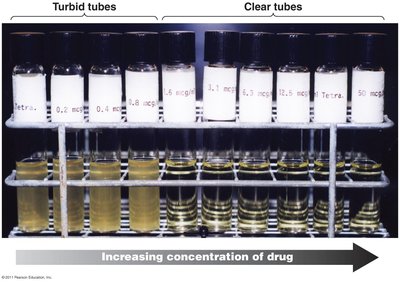
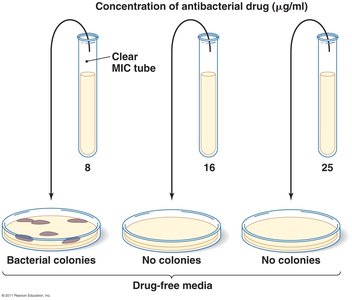
Minimum inhibitory concentration (MIC) test: Determines the lowest concentration that inhibits visible growth.
Minimum bactericidal concentration (MBC) test: Identifies the lowest concentration that kills the organism.
Routes of Administration
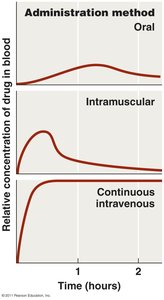
The route of administration affects the distribution and effectiveness of the drug:
Topical: For external infections.
Oral: Self-administered, no needles required.
Intramuscular: Injection into muscle tissue.
Intravenous: Directly into the bloodstream for rapid effect.
Safety and Side Effects
Toxicity: Some drugs may be toxic to kidneys, liver, or nerves; caution is needed, especially in pregnant women.
Allergies: Rare but potentially life-threatening reactions (e.g., anaphylactic shock).
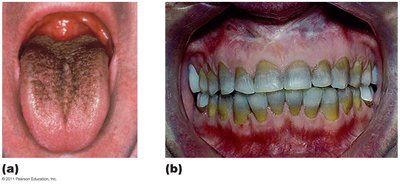
Disruption of normal microbiota: May lead to secondary infections or overgrowth of resistant organisms (superinfections).
Resistance to Antimicrobial Drugs
Development of Resistance
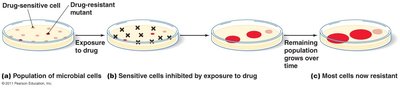
Microbial resistance arises through natural selection and genetic changes. Bacteria may acquire resistance via mutations or by obtaining resistance genes (R-plasmids) through transformation, transduction, or conjugation.
Mechanisms of Resistance
Production of enzymes that destroy or deactivate drugs (e.g., beta-lactamase inactivates penicillin).
Prevention of drug entry into the cell.
Alteration of drug targets.
Changes in metabolic pathways.
Efflux pumps that expel the drug from the cell.
Special proteins (e.g., MfpA in Mycobacterium tuberculosis) that protect drug targets.
Multiple Resistance and Cross Resistance
Pathogens can develop resistance to multiple drugs, especially in environments with high antibiotic use (e.g., hospitals). Cross-resistance occurs when resistance to one drug confers resistance to similar drugs.
Retarding Resistance
Maintain high drug concentrations to kill all sensitive cells.
Use combinations of drugs (synergism) to reduce resistance development.
Limit antimicrobial use to necessary cases.
Develop new drugs and modify existing ones (second- and third-generation drugs).
Design drugs targeting unique microbial proteins.
Additional info: This guide covers the core concepts of antimicrobial drugs, their mechanisms, clinical considerations, and resistance, as outlined in Chapter 10 of a standard microbiology textbook.
