 Back
BackAntimicrobial Drugs: Mechanisms, Resistance, and Clinical Applications
Study Guide - Smart Notes
 Tailored notes based on your materials, expanded with key definitions, examples, and context.
Antimicrobial Drugs
Introduction to Chemotherapeutics and Antibiotics
Antimicrobial drugs are essential tools in the fight against infectious diseases. They include a wide range of chemical agents that either kill or inhibit the growth of microorganisms. The term chemotherapeutics refers to molecules used to combat disease, while antimicrobials specifically target microbes. Antibiotics are a subset of antimicrobials naturally produced by microorganisms, though many modern antibiotics are now semi-synthetic or fully synthetic derivatives.
Historical Perspectives: The Search for Magic Bullets
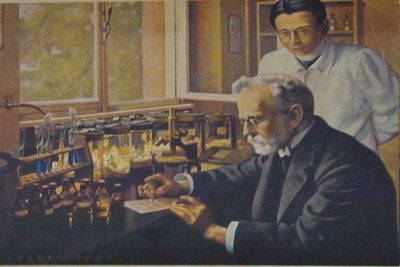
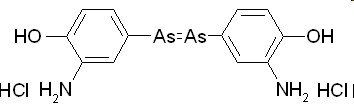
The concept of a 'magic bullet'—a chemical that selectively targets pathogens without harming the host—was pioneered by Paul Ehrlich. His work led to the development of the first effective treatment for syphilis, after testing hundreds of arsenic-based compounds.
Discovery of Antibiotics
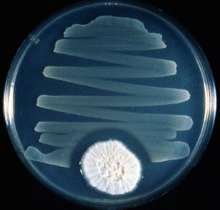
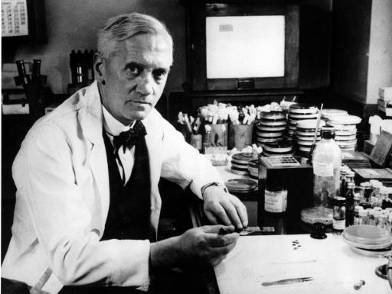
The discovery of antibiotics revolutionized medicine. Alexander Fleming observed that a fungal contaminant on an agar plate inhibited bacterial growth, leading to the identification of penicillin in 1929. This discovery was followed by the identification of many other antibiotics, especially by Waksman and his team, who isolated numerous antibiotics from soil bacteria and fungi.
Streptomyces and Antibiotic Production
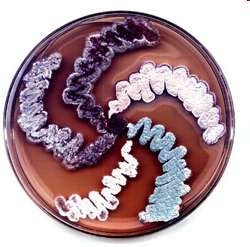
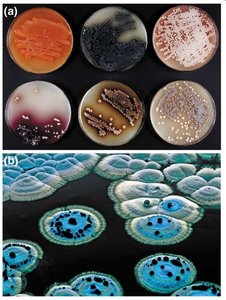
Streptomyces species are prolific soil bacteria with complex secondary metabolism, responsible for producing over two-thirds of all natural antibiotics used today. Their metabolic diversity makes them invaluable in the search for new antimicrobial agents.
Semi-synthetic and Synthetic Antibiotics
Natural antibiotics are often chemically modified to enhance their efficacy, stability, or spectrum of activity. Semi-synthetic antibiotics are derivatives of natural compounds, while fully synthetic antibiotics are designed and synthesized in the laboratory.
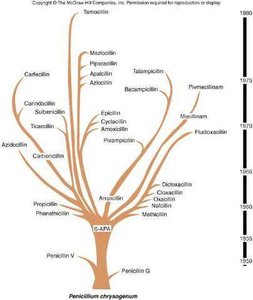
Development of New Antimicrobials
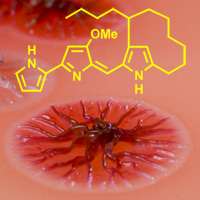
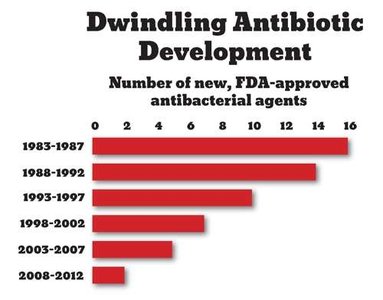
Modern approaches to antibiotic discovery include genetic manipulation of bacteria to produce novel derivatives. However, the development of new antibiotics is costly and risky, leading to a decline in the number of new drugs approved in recent decades.
Characteristics and Mechanisms of Antimicrobial Drugs
Spectrum of Activity
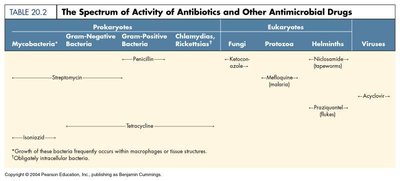
Antibiotics can be classified based on their spectrum of activity:
Broad-spectrum antibiotics target a wide range of bacteria, both Gram-positive and Gram-negative.
Narrow-spectrum antibiotics are effective against specific groups of bacteria.
Bactericidal vs. Bacteriostatic
Antimicrobial drugs may be:
Bactericidal: Kill bacteria directly.
Bacteriostatic: Inhibit bacterial growth, relying on the host's immune system to eliminate the pathogen.
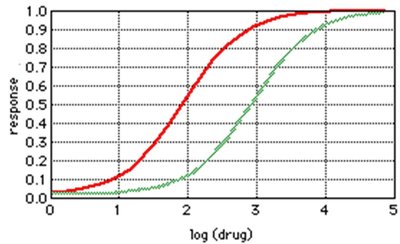
Selective toxicity is a key principle, aiming for drugs that harm microbes more than the human host. The therapeutic index quantifies this safety margin:
A high therapeutic index indicates a safer drug.
Mechanisms of Action
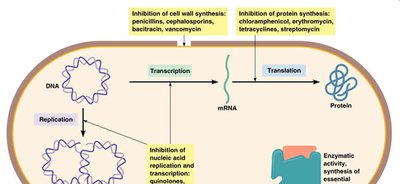
Antimicrobial drugs target essential microbial processes:
Cell wall synthesis (e.g., beta-lactams, vancomycin)
Protein synthesis (e.g., tetracyclines, aminoglycosides)
Nucleic acid synthesis (e.g., quinolones, rifamycins)
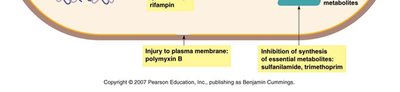
Plasma membrane integrity (e.g., polymyxin B)
Metabolic pathways (e.g., sulfonamides, trimethoprim)
Pharmacokinetics and Drug Effectiveness
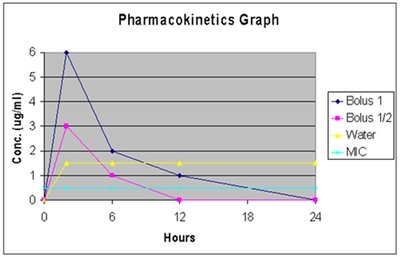
The effectiveness of an antimicrobial depends on:
Appropriate dose and duration
Toxicity and side effects
Stability and tissue distribution
Rate of excretion
Patient health status
Drug Interactions: Synergism and Antagonism
Some drug combinations are synergistic (more effective together), while others are antagonistic (less effective together). Examples include:
Augmentin: amoxicillin + clavulanate (synergistic)
TMP-SMZ: trimethoprim + sulfamethoxazole (synergistic)
Major Classes of Antimicrobial Drugs
Cell Wall Synthesis Inhibitors
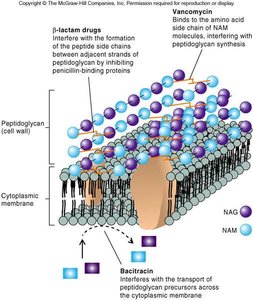
Beta-lactam antibiotics (e.g., penicillins, cephalosporins) inhibit peptidoglycan cross-linking, leading to cell lysis. Vancomycin and bacitracin also target cell wall synthesis but by different mechanisms.
Protein Synthesis Inhibitors
Drugs such as tetracyclines and aminoglycosides interfere with bacterial ribosomes, blocking protein synthesis. These drugs exploit differences between prokaryotic and eukaryotic ribosomes for selective toxicity.
Mycobacterial Cell Wall Inhibitors
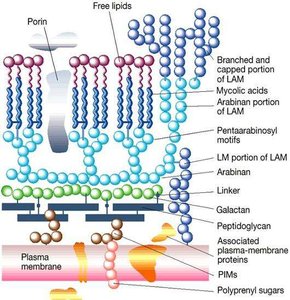
Isoniazid inhibits mycolic acid synthesis, essential for Mycobacterium tuberculosis. Multi-drug resistant (MDR) tuberculosis is a growing concern.
Plasma Membrane Disruptors
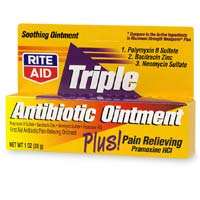
Polymyxin B disrupts bacterial membranes, leading to cell death. Due to toxicity, it is mainly used topically.
Metabolic Pathway Inhibitors
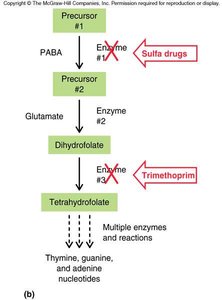
Sulfonamides and trimethoprim inhibit folic acid synthesis, a pathway absent in humans, resulting in high selective toxicity. These drugs are often used in combination (e.g., Bactrim) for synergistic effects.
Nucleic Acid Synthesis Inhibitors
Quinolones (e.g., ciprofloxacin) inhibit DNA gyrase, blocking DNA replication. Rifamycins (e.g., rifampin) inhibit RNA polymerase, blocking transcription.
Testing and Resistance
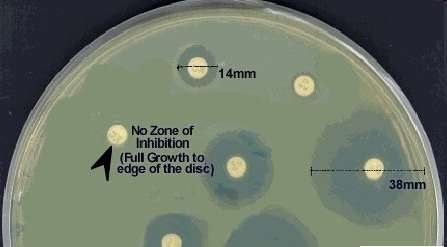
Disk Diffusion (Kirby-Bauer) Test
This test assesses the susceptibility of bacteria to antibiotics. Disks impregnated with antibiotics are placed on an inoculated agar plate; zones of inhibition indicate effectiveness.
Antibiotic Resistance
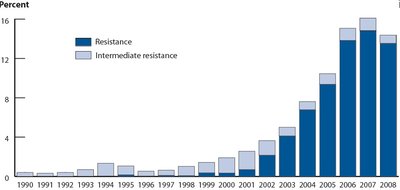
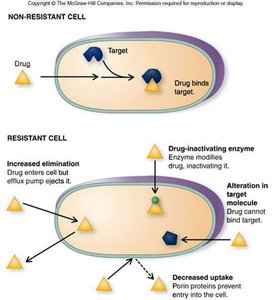
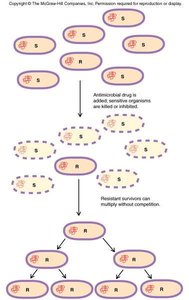
Resistance arises through mutation or gene transfer (e.g., R plasmids). Mechanisms include:
Efflux pumps (increased elimination)
Drug-inactivating enzymes
Altered target molecules
Decreased uptake
Antibiotics in Animal Feed
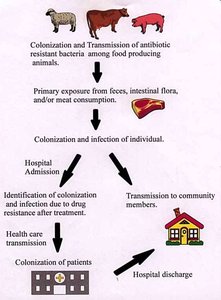
The use of antibiotics in animal feed can promote resistance, which may be transmitted to humans through the food chain and healthcare settings.
Antifungal, Antiprotozoan, and Antiviral Drugs
Challenges in Treating Eukaryotic Pathogens
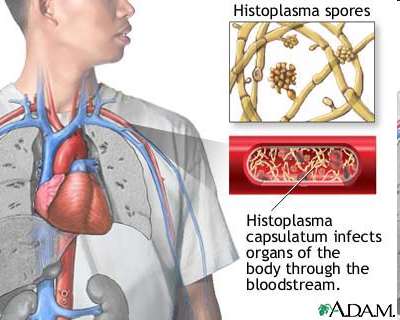
Protozoans and fungi are eukaryotic, making selective toxicity difficult. Many antifungals and antiprotozoan drugs have significant side effects.
Antifungal Drugs
Polyenes (e.g., amphotericin): Cause membrane leakage; used for systemic infections but limited by toxicity.
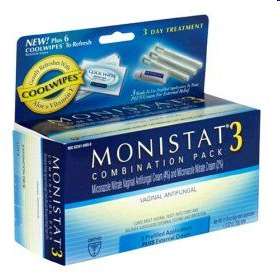
Azoles (e.g., Monistat): Inhibit membrane synthesis; used for topical and some systemic infections.
Antiprotozoan Drugs
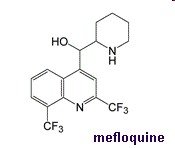
Malaria drugs: Chloroquine, mefloquine (can cause psychiatric side effects).
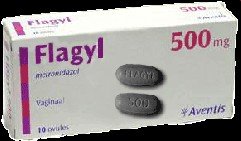
Flagyl (metronidazole): Used for giardiasis, trichomoniasis, amoebic dysentery; targets anaerobic metabolism.
Malaria: Life Cycle and Impact
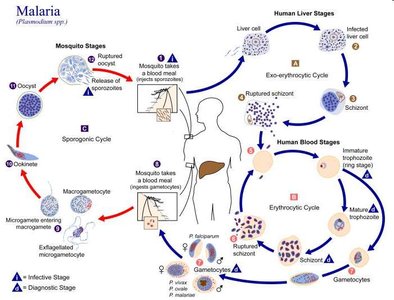
Malaria, caused by Plasmodium species and transmitted by Anopheles mosquitoes, remains a major global health problem. The parasite's complex life cycle complicates treatment and vaccine development.
Antiviral Drugs
Challenges in Antiviral Therapy
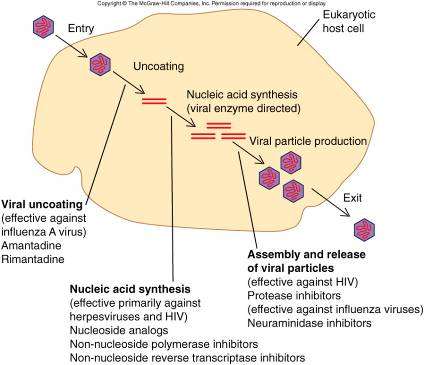
Viruses are difficult to target due to their intracellular lifestyle, rapid reproduction, and reliance on host cell machinery. Most antiviral drugs are virus-specific and do not eliminate latent infections.
Mechanisms of Antiviral Drugs
Inhibition of viral uncoating
Nucleoside analogs (e.g., acyclovir, AZT)
Non-nucleoside polymerase and reverse transcriptase inhibitors
Protease inhibitors
Neuraminidase inhibitors
Examples of Antiviral Drugs
Acyclovir: A nucleoside analog that blocks viral DNA replication; used for herpesvirus infections.
Valtrex: A prodrug converted to acyclovir in infected cells.
AZT: The first anti-retroviral drug for HIV; a nucleoside analog that inhibits reverse transcriptase.
