Back
Antimicrobial Drugs: Mechanisms, Spectrum, and Resistance
Study Guide - Smart Notes
 Tailored notes based on your materials, expanded with key definitions, examples, and context.
Antimicrobial Drugs
Introduction to Antimicrobial Drugs
Antimicrobial drugs are essential tools in modern medicine, designed to inhibit or kill pathogenic microorganisms while minimizing harm to the host. Their effectiveness depends on selective toxicity, which is the ability to target microbial processes without affecting human cells.
Chemotherapy: The use of chemical agents to treat disease, especially infections.
Antimicrobial drugs: Compounds that interfere with the growth of microbes within a host.
Antibiotics: Substances produced by microbes that inhibit other microbes in small amounts.
Selective toxicity: The property of a drug to kill harmful microbes without damaging the host.
Spectrum of Activity
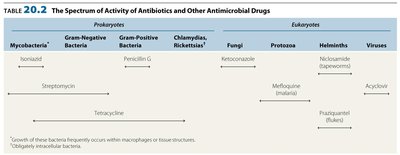
Antimicrobial drugs vary in their spectrum of activity, which refers to the range of microorganisms they affect. Narrow-spectrum drugs target specific groups, while broad-spectrum drugs affect a wide variety of organisms.
Narrow-spectrum: Effective against a limited group of bacteria.
Broad-spectrum: Effective against many groups of microorganisms.
Superinfection: An infection caused by drug-resistant microorganisms during antimicrobial therapy.
Mechanisms of Action of Antimicrobial Drugs
Overview of Mechanisms
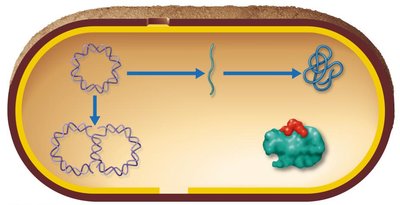
Antimicrobial drugs act through several distinct mechanisms, each targeting a specific aspect of microbial physiology.
Inhibition of cell wall synthesis: Penicillins, cephalosporins, bacitracin, vancomycin.
Inhibition of protein synthesis: Chloramphenicol, erythromycin, tetracyclines, streptomycin.
Inhibition of nucleic acid replication and transcription: Quinolones, rifampin.
Injury to plasma membrane: Polymyxin B.
Inhibition of essential metabolite synthesis: Sulfanilamide, trimethoprim.
Inhibition of Protein Synthesis
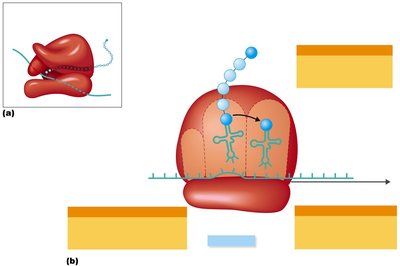
Protein synthesis inhibitors target the bacterial ribosome, which differs structurally from the eukaryotic ribosome, allowing selective toxicity. Drugs act at various points in the translation process.
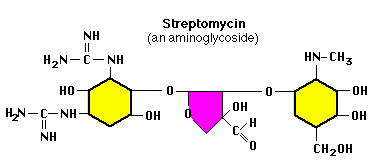
Streptomycin: Changes the shape of the 30S ribosomal subunit, causing misreading of mRNA.
Tetracyclines: Interfere with the attachment of tRNA to the mRNA–ribosome complex.
Chloramphenicol: Binds to the 50S subunit and inhibits peptide bond formation.
Determination of Microbial Susceptibility
Testing Methods
To determine the effectiveness of antimicrobial drugs, laboratory tests are performed to assess microbial susceptibility.
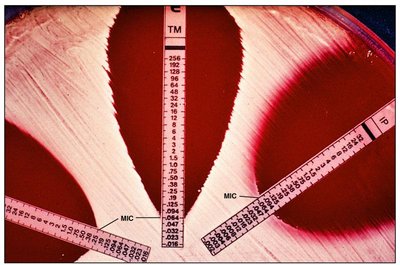
Minimal Inhibitory Concentration (MIC): The lowest concentration of an antibiotic that prevents visible growth of a microorganism.
Broth or tube dilution method: Serial dilutions of antibiotics to determine MIC; accurate but time-consuming.
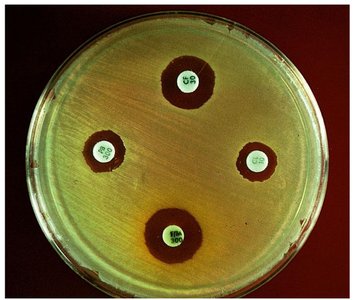
Disk sensitivity test: Rapid method using antibiotic-impregnated disks; results must be correlated with MIC.
Epsilometer (E) test: Provides graded exposure to chemotherapeutic agents and determines MIC directly.
Cell Wall Synthesis Inhibitors
β-lactam Antibiotics
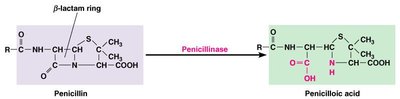
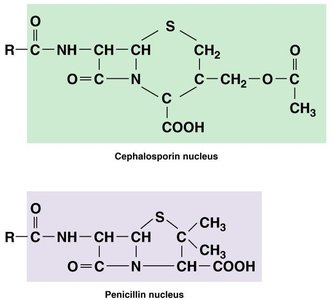
β-lactam antibiotics are a major class of cell wall synthesis inhibitors, characterized by a four-membered β-lactam ring. They target penicillin-binding proteins (PBPs) involved in peptidoglycan synthesis.
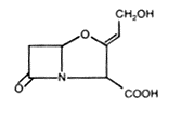
Penicillins: Over 70 compounds; natural penicillins have a narrow range and are susceptible to penicillinase (β-lactamase).
Semisynthetic penicillins: Modified in the laboratory for broader spectrum and resistance to β-lactamase.
Cephalosporins: Similar structure to penicillins but with a different ring, resistant to β-lactamase, broader spectrum.
Monobactams and carbapenems: Other β-lactam families with clinical utility.
Bacitracin and Vancomycin
Bacitracin and vancomycin are non-β-lactam cell wall inhibitors. Bacitracin prevents peptidoglycan monomer transport and is used topically due to toxicity. Vancomycin prevents addition of peptidoglycan subunits and is used for serious infections resistant to penicillins.
Antimycobacterial Agents
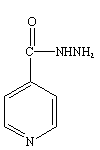
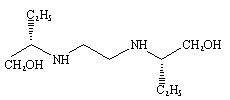
Agents such as isoniazid and ethambutol target mycobacteria by inhibiting mycolic acid synthesis, essential for cell wall integrity.
Protein Synthesis Inhibitors
Aminoglycosides
Aminoglycosides are broad-spectrum, bactericidal drugs that bind to the 30S ribosomal unit, causing misreading of mRNA. They are mainly used for Gram-negative infections and are reserved due to toxicity.
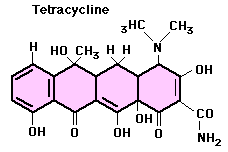
Tetracyclines
Tetracyclines inhibit the binding of aminoacyl tRNA to the 30S ribosomal subunit. They are broad-spectrum but can affect bone development and stain teeth in children.
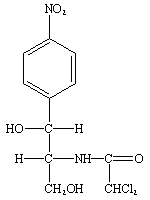
Chloramphenicol
Chloramphenicol binds to the 50S ribosomal subunit and blocks peptide bond formation. It is a potent inhibitor of mitochondrial protein synthesis in eukaryotic cells and must be used with caution.
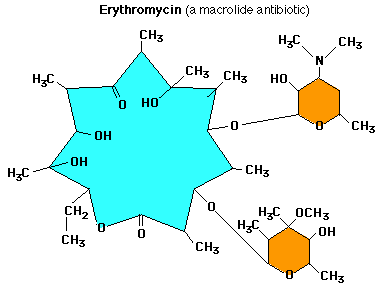
Macrolides
Macrolides, such as erythromycin and clarithromycin, bind to the 50S ribosomal subunit and inhibit peptidyl transferase activity or translocation. They are relatively non-toxic and widely used.
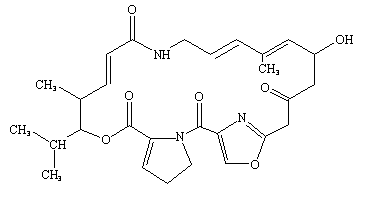
Streptogramins
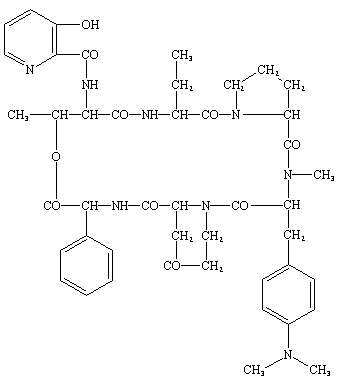
Streptogramins are a combination of two types: A (distorts ribosome, prevents tRNA binding) and B (blocks peptide translocation). Both inhibit bacterial protein synthesis.
Plasma Membrane Injury
Polymyxins and Gramicidin
These drugs disrupt the bacterial cell membrane, increasing permeability and causing cell death. Polymyxins are active against Gram-negative bacteria, while gramicidin targets Gram-positive bacteria. Both are toxic to humans and used topically.
Inhibitors of Nucleic Acid Synthesis
Sulfonamides
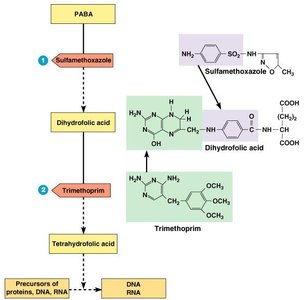
Sulfonamides inhibit folic acid synthesis by acting as structural analogs of PABA, blocking dihydropteroate synthetase. This interrupts nucleic acid metabolism and leads to bacterial death.
Competitive Inhibitors
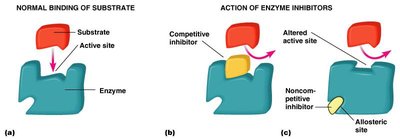
Competitive inhibitors bind to the active site of enzymes, preventing the normal substrate from binding. This mechanism is used by sulfonamides and other drugs.
Quinolones
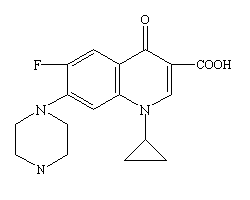
Quinolones inhibit bacterial DNA gyrase, preventing DNA replication. Examples include norfloxacin, ofloxacin, and ciprofloxacin. Human DNA gyrase is structurally distinct and unaffected.
Rifamycin
Rifamycin prevents production of mRNA, stopping protein synthesis. It is used in treating tuberculosis and for prophylaxis against meningococcal meningitis.
Antifungal Drugs
Inhibition of Ergosterol Synthesis
Fungal cell membranes contain ergosterol, making it a prime target for antifungal agents. Polyenes bind to ergosterol, disrupting membrane integrity, while imidazoles and triazoles inhibit ergosterol synthesis.
Polyene antifungals: Nystatin (topical), Amphotericin B (systemic).
Imidazoles and triazoles: Miconazole, ketoconazole; broad-spectrum activity.
Inhibition of Nucleic Acids
Flucytosine is a cytosine analog that interferes with RNA synthesis, selectively toxic to fungi.
Inhibition of Microtubules (Mitosis)
Griseofulvin binds to proteins involved in microtubule formation, preventing chromosome separation during mitosis. Used for ringworm and other skin/nail fungal infections.
Antiviral Drugs
Nucleoside and Nucleotide Analogs
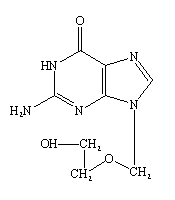
Antiviral drugs often target viral enzymes involved in nucleic acid synthesis. Acyclovir and zidovudine (AZT) are nucleoside analogs that inhibit viral DNA polymerase.
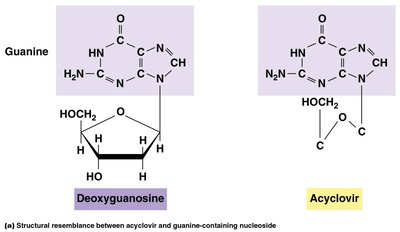
Acyclovir
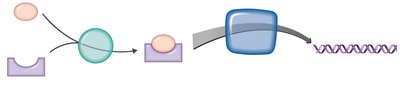
Acyclovir inhibits the thymidine kinase of herpes viruses, blocking DNA synthesis. It is used for severe cases of genital herpes and is active only in virus-infected cells.
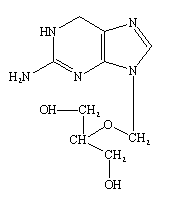
Viral Enzyme Inhibitors
Protease inhibitors (e.g., indinavir for HIV) prevent processing of viral proteins. Zanamivir and amantadine inhibit release and uncoating of influenza viruses. Interferons prevent spread of viruses to new cells.
Antibiotic Resistance
Mechanisms of Resistance
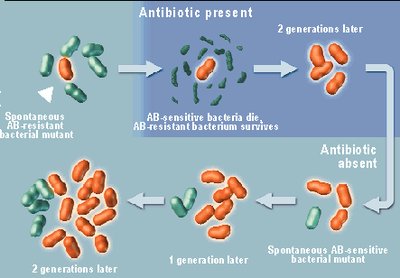
Bacteria have evolved multiple strategies to resist antibiotics, including blocking entry, inactivation by enzymes, alteration of target molecules, and efflux of antibiotics.
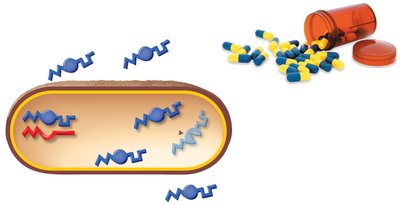
Blocking entry: Preventing drug from entering the cell.
Inactivation by enzymes: Enzymatic destruction or modification of the drug.
Alteration of target molecule: Changing the drug's binding site.
Efflux of antibiotic: Pumping the drug out of the cell.
Inappropriate Antimicrobial Use
Misuse of antibiotics accelerates the development of resistance. Common misuse includes using outdated drugs, incomplete regimens, and unnecessary prescriptions.
Combating Resistance
Strategies to combat resistance include developing new antibiotics, tracking resistance, restricting use, employing narrow-spectrum drugs, and using drug combinations.
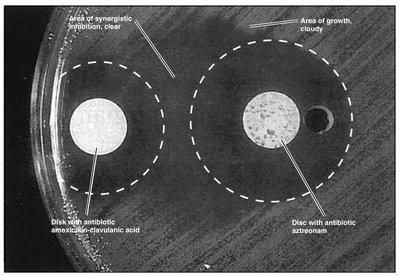
Effects of Drug Combinations
Drug combinations can result in synergism (greater effect together) or antagonism (reduced effect together). For example, penicillin is antagonized by tetracycline.