 Back
BackAntimicrobial Drugs: Mechanisms, Testing, and Resistance
Study Guide - Smart Notes
 Tailored notes based on your materials, expanded with key definitions, examples, and context.
Antimicrobial Drugs
Introduction to Antimicrobial Drugs
Antimicrobial drugs are chemicals used to treat infections by inhibiting or killing microorganisms. Their development has revolutionized medicine, allowing for the effective treatment of bacterial, fungal, and viral diseases. The field of antimicrobial chemotherapy encompasses the discovery, development, and application of these agents.
Drugs: Chemicals that affect physiology in any manner.
Chemotherapeutic agents: Drugs used to treat diseases.
Antibiotics: Biologically produced antimicrobial agents.
Semisynthetics: Chemically modified antibiotics.
Synthetics: Completely synthesized in the laboratory.
Chemotherapy: Treatment of diseases with chemical substances.
History of Chemotherapy
Key Historical Contributions
The discovery and development of antimicrobial agents involved several key figures and milestones:
Paul Ehrlich (1912): Developed Salvarsan, a treatment for syphilis.
Gerhard Domagk (1935): Discovered prontosil, a sulfa drug.
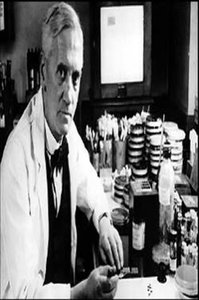
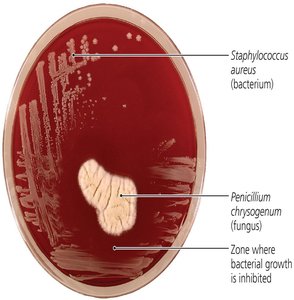
Alexander Fleming (1929): Discovered penicillin, the first true antibiotic.
Bugie and Waksman (1944): Discovered streptomycin.
Benjamin Duggar (1948): Discovered tetracycline.
Sources of Antibiotics
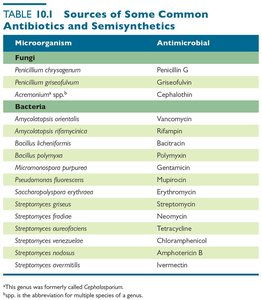
Antibiotics and semisynthetic antimicrobials are derived from various microorganisms, primarily fungi and bacteria.
Microorganism | Antimicrobial |
|---|---|
Penicillium chrysogenum | Penicillin G |
Penicillium griseofulvum | Griseofulvin |
Acremonium spp. | Cephalothin |
Streptomyces spp. | Streptomycin, Tetracycline, Chloramphenicol, Amphotericin B, Erythromycin, Neomycin, Nystatin |
Bacillus polymyxa | Polymyxin |
Bacillus licheniformis | Bacitracin |
Characteristics of Antimicrobial Drugs
Selective Toxicity and Therapeutic Index
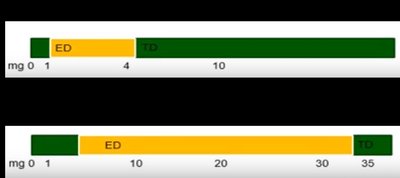
Antimicrobial drugs must exhibit selective toxicity, meaning they target microbial cells without causing significant harm to the host. The therapeutic index is a measure of drug safety:
Therapeutic Index (TI): The ratio of the lowest dose toxic to the patient to the dose used for therapy.
Other Key Characteristics
Antimicrobial action: Drugs may be bacteriostatic (inhibit growth) or bactericidal (kill bacteria).
Spectrum of activity: Broad-spectrum drugs affect a wide range of microbes; narrow-spectrum drugs target specific groups.
Effects of combinations: Drug interactions can be antagonistic, synergistic, or additive.
Tissue distribution, metabolism, and excretion: These factors influence drug effectiveness in the body.
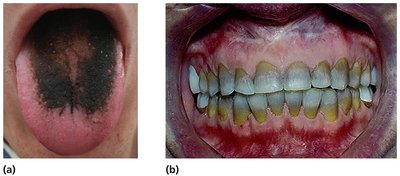
Adverse effects: Allergic reactions and toxic effects can occur.
Resistance: Microbes may possess innate or acquired resistance to drugs.
Mechanisms of Antimicrobial Action
Overview of Mechanisms
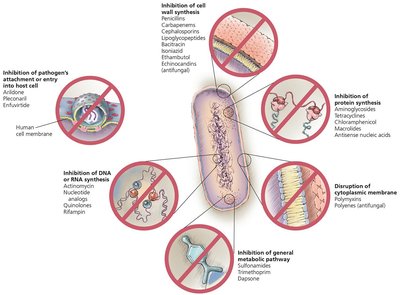
Antimicrobial drugs act through several mechanisms to inhibit or kill microbes:
Inhibition of cell wall synthesis
Inhibition of pathogen’s attachment or recognition
Inhibition of DNA and RNA synthesis
Inhibition of protein synthesis
Disruption of cell membrane
Inhibition of metabolism
Inhibition of Cell Wall Synthesis
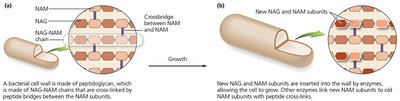
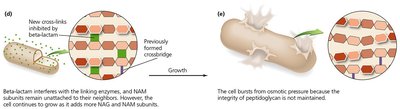
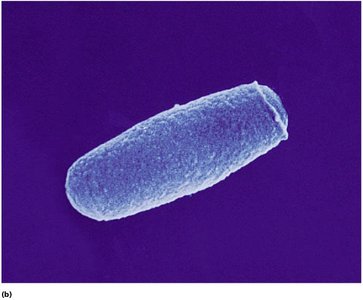
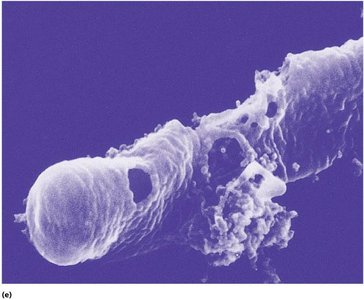
Many antibiotics, such as penicillins and cephalosporins, inhibit the synthesis of peptidoglycan, a key component of bacterial cell walls. This leads to cell lysis due to osmotic pressure.
Beta-lactam antibiotics block the formation of cross-links in peptidoglycan.
Inhibition of Protein Synthesis
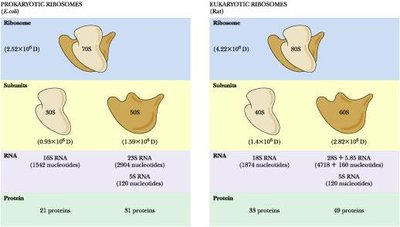
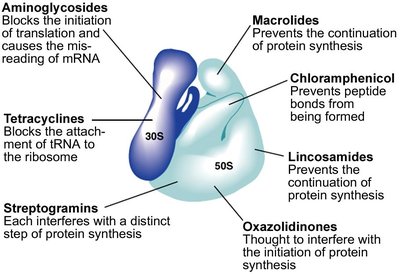
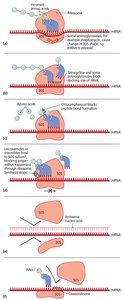
Antibiotics such as aminoglycosides, tetracyclines, macrolides, and chloramphenicol target bacterial ribosomes, which differ structurally from eukaryotic ribosomes, allowing for selective toxicity.
Aminoglycosides: Block initiation and cause misreading of mRNA.
Tetracyclines: Block attachment of tRNA to the ribosome.
Macrolides: Prevent continuation of protein synthesis.
Chloramphenicol: Prevents peptide bond formation.
Inhibition of Metabolic Pathways
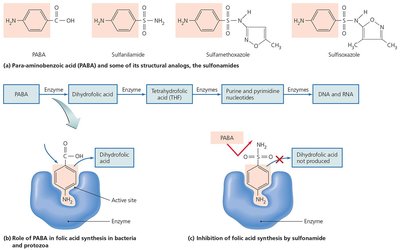
Some drugs, such as sulfonamides, inhibit key metabolic pathways in bacteria, such as folic acid synthesis, by acting as competitive inhibitors.
Antifungal and Antiviral Drug Action
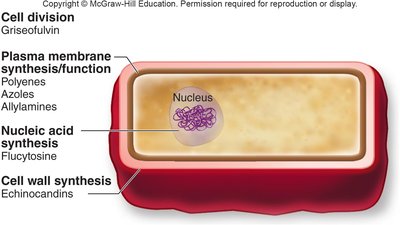
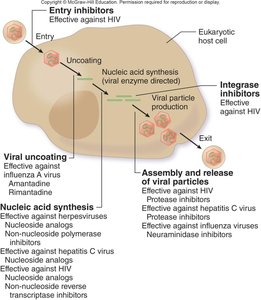
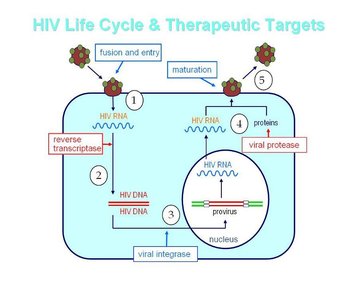
Antifungal drugs target unique aspects of fungal cells, such as ergosterol in the plasma membrane or cell wall synthesis. Antiviral drugs inhibit various stages of the viral life cycle, including entry, nucleic acid synthesis, and assembly.
Determining the Efficacy of Antimicrobial Agents
Minimum Inhibitory Concentration (MIC) and Minimum Bactericidal Concentration (MBC)
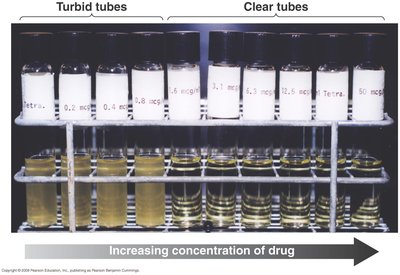
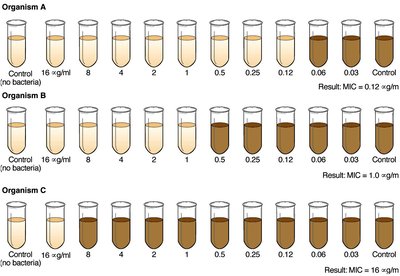
The MIC is the lowest concentration of a drug that prevents visible growth of a microorganism in vitro. The MBC is the lowest concentration that kills 99.9% of bacteria.
Diffusion Susceptibility Tests (Kirby-Bauer Test)
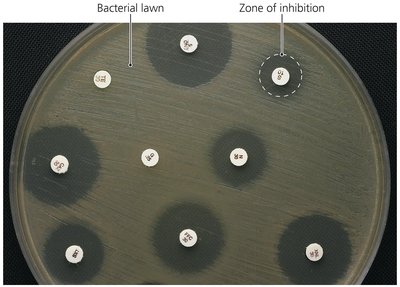
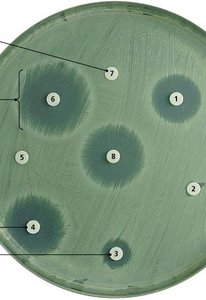
The Kirby-Bauer disk diffusion test is used to determine the susceptibility of bacteria to antibiotics. Disks containing antibiotics are placed on an agar plate inoculated with the test organism. Zones of inhibition are measured to interpret sensitivity.
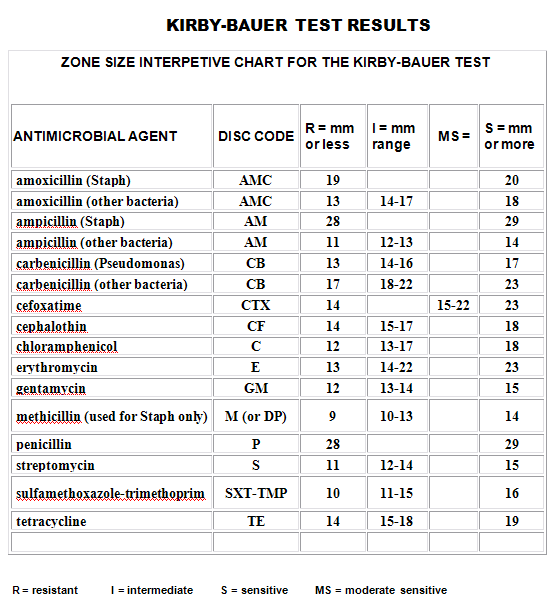
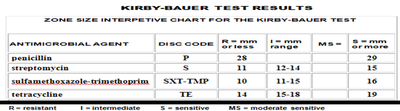
Antimicrobial Agent | Disc Code | R = mm or less | I = mm range | MS = | S = mm or more |
|---|---|---|---|---|---|
Penicillin | P | 28 | 29 | ||
Streptomycin | S | 11 | 12-14 | 15 | |
Sulfamethoxazole-trimethoprim | SXT-TMP | 10 | 11-15 | 16 | |
Tetracycline | TE | 14 | 15-18 | 19 |

E-Test
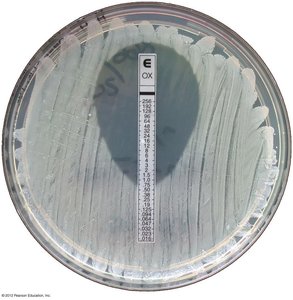
The E-test uses a strip with a gradient of antibiotic concentrations to determine the MIC directly on an agar plate.
Routes of Administration and Drug Monitoring
Routes of Administration
Topical application
Oral administration
Intramuscular injection
Intravenous injection
Measuring Drug Concentration in Body Fluids
Drug levels in blood or other fluids can be measured using diffusion bioassays, which compare zones of inhibition from patient samples to those from known concentrations.
Microbial Resistance to Antimicrobial Drugs
Acquisition of Resistance
Bacteria can acquire resistance through spontaneous mutation or horizontal gene transfer (transduction, transformation, conjugation).
Spontaneous mutation: Occurs at a frequency of ~10-9, passed vertically.
Gene transfer: Horizontal transfer via transduction, transformation, or conjugation.
Mechanisms of Resistance
Production of enzymes that inactivate the drug (e.g., β-lactamases).
Alteration of target molecules to prevent drug binding.
Decreased uptake of the drug (e.g., changes in porin proteins).
Increased elimination of the drug (efflux pumps).
These mechanisms can lead to infections that are more difficult to treat, requiring stronger drugs with more side effects and longer hospitalizations.
Minimizing Resistance Development
Use appropriate antibiotic combinations.
Prefer narrow-spectrum antibiotics for simple infections.
Encourage patient compliance and proper use of prescriptions.
Increase surveillance and avoid unnecessary use of antibiotics.
