 Back
BackAntimicrobial Medications: Mechanisms, Spectrum, and Resistance
Study Guide - Smart Notes
 Tailored notes based on your materials, expanded with key definitions, examples, and context.
Antimicrobial Medications
Introduction to Antimicrobial Drugs
Antimicrobial medications are essential tools in modern medicine, used to treat infectious diseases by targeting microbial pathogens. Their development has dramatically improved the prognosis for many once-fatal infections. However, the misuse and overuse of these drugs have led to the emergence of resistant strains, challenging their continued effectiveness.
Chemotherapy: The use of chemicals to treat disease, especially infections.
Antimicrobial drugs: Compounds that interfere with the growth of microbes within a host.
Antibiotic: A substance produced by a microbe that, in small amounts, inhibits another microbe.
Selective toxicity: The ability of a drug to target harmful microbes without damaging the host.
History and Development of Antimicrobial Medications
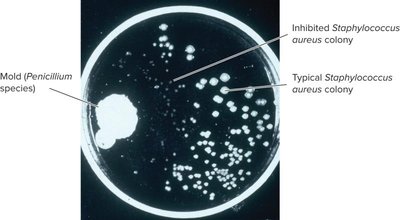
The discovery of antimicrobial agents revolutionized medicine. Early milestones include the use of Salvarsan for syphilis and the development of sulfa drugs. The discovery of penicillin by Alexander Fleming in 1928 marked the beginning of the antibiotic era.
Salvarsan (1910): First documented chemotherapeutic agent (Paul Ehrlich).
Prontosil (1932): Led to the discovery of sulfanilamide, the first sulfa drug.
Penicillin (1928): Discovered by Fleming; later purified and developed for clinical use.
Characteristics of Antimicrobial Medications
Selective Toxicity and Therapeutic Index
Antimicrobial drugs must be selectively toxic, causing greater harm to microbes than to the human host. This is quantified by the therapeutic index, which is the ratio of the lowest toxic dose to the dose used for therapy.
Therapeutic index:
Therapeutic window: The range between the therapeutic dose and the toxic dose.
Drugs with a high therapeutic index (e.g., penicillin G) are safer for systemic use.
Drugs too toxic for systemic use may be applied topically.
Antimicrobial Action: Bacteriostatic vs. Bactericidal
Bacteriostatic: Inhibit bacterial growth; host defenses must eliminate the pathogen (e.g., sulfa drugs).
Bactericidal: Kill bacteria directly.
Spectrum of Activity
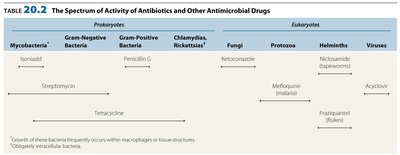
Antimicrobial drugs vary in their spectrum of activity, which determines the range of organisms they affect.
Broad-spectrum antibiotics: Affect a wide range of bacteria; useful for acute, life-threatening infections but may disrupt the normal microbiome.
Narrow-spectrum antibiotics: Target a limited range of bacteria; less disruptive to the microbiome but require identification of the pathogen.
Drug | Mycobacteria | Gram-Negative Bacteria | Gram-Positive Bacteria | Chlamydias/Rickettsias | Fungi | Protozoa | Helminths | Viruses |
|---|---|---|---|---|---|---|---|---|
Isoniazid | X | |||||||
Streptomycin | X | X | ||||||
Tetracycline | X | X | X | X | ||||
Penicillin G | X | |||||||
Ketoconazole | X | |||||||
Mefloquine (malaria) | X | |||||||
Niclosamide (tapeworm) | X | |||||||
Praziquantel (flukes) | X | |||||||
Acyclovir | X |
Mechanisms of Action of Antibacterial Medications
Overview of Targets
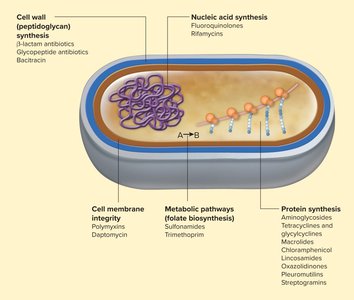
Antibacterial medications target essential bacterial processes and structures, exploiting differences between prokaryotic and eukaryotic cells.
Cell wall synthesis (e.g., β-lactam antibiotics, glycopeptides, bacitracin)
Protein synthesis (e.g., aminoglycosides, tetracyclines, macrolides)
Nucleic acid synthesis (e.g., fluoroquinolones, rifamycins)
Metabolic pathways (e.g., sulfonamides, trimethoprim)
Cell membrane integrity (e.g., polymyxins, daptomycin)
Inhibition of Cell Wall Synthesis
β-lactam antibiotics (penicillins, cephalosporins, carbapenems, monobactams) inhibit the enzymes (penicillin-binding proteins, PBPs) that catalyze the formation of peptide bridges in peptidoglycan, weakening the cell wall and causing cell lysis. These drugs are only effective against actively growing bacteria.
Gram-negative bacteria are often more resistant due to their outer membrane and production of β-lactamases.
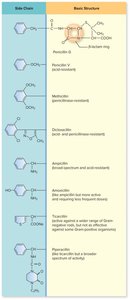
Penicillins are classified by modifications in their side chains, affecting their spectrum and resistance to β-lactamases.
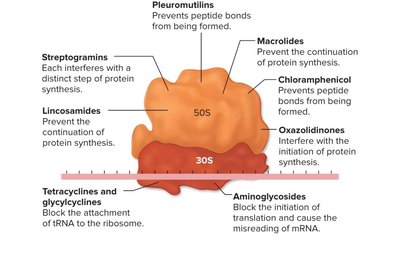
Inhibition of Protein Synthesis
Antibiotics that inhibit protein synthesis exploit differences between prokaryotic (70S) and eukaryotic (80S) ribosomes. However, mitochondrial ribosomes resemble those of bacteria, which can account for some toxicity.
Aminoglycosides: Block initiation of translation and cause misreading of mRNA.
Tetracyclines and glycylcyclines: Block tRNA attachment to the ribosome.
Macrolides, lincosamides, streptogramins: Prevent continuation of protein synthesis.
Chloramphenicol, pleuromutilins, oxazolidinones: Prevent peptide bond formation or interfere with initiation.
Inhibition of Nucleic Acid Synthesis
Fluoroquinolones: Inhibit DNA gyrase and topoisomerases, essential for DNA replication.
Rifamycins: Block prokaryotic RNA polymerase, preventing transcription initiation.
Fidaxomicin: Binds RNA polymerase, used for Clostridium difficile infections.
Metronidazole: Activated in anaerobic conditions, binds DNA and causes breaks.
Interference with Metabolic Pathways
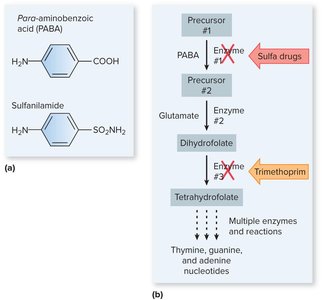
Folate synthesis is a common target, as bacteria synthesize folate while humans must obtain it from their diet.
Sulfonamides: Competitive inhibitors of the enzyme that normally binds PABA, blocking folate synthesis.
Trimethoprim: Inhibits a later step in folate synthesis.
Combination therapy (e.g., co-trimoxazole) is synergistic.
Drugs Effective Against Mycobacterium tuberculosis
Mycobacteria have a unique, waxy cell wall and slow growth, making them difficult to treat. Combination therapy is used to prevent resistance.
Isoniazid: Inhibits mycolic acid synthesis.
Ethambutol: Inhibits synthesis of other cell wall components.
Pyrazinamide: Interferes with protein synthesis.
Antimicrobial Susceptibility Testing
Kirby-Bauer Disc Diffusion Test
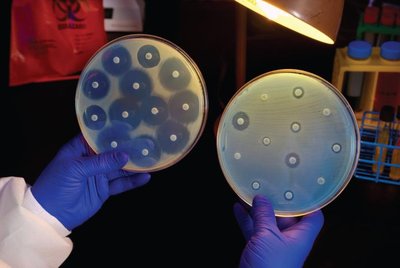
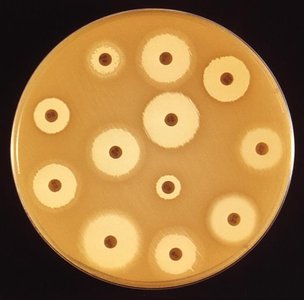
This test determines the susceptibility of bacteria to antibiotics. Discs containing antibiotics are placed on an agar plate inoculated with the test organism. Zones of inhibition indicate susceptibility.
Results are compared to standardized charts to classify bacteria as susceptible, intermediate, or resistant.
Resistance to Antimicrobial Medications
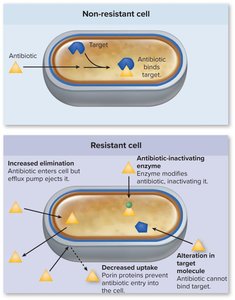
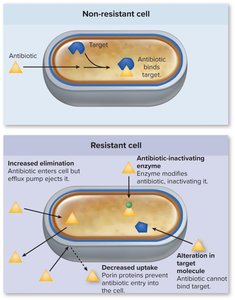
Mechanisms of Resistance
Medication-inactivating enzymes: Bacteria produce enzymes (e.g., β-lactamases) that destroy the drug.
Alteration in target molecule: Minor changes in the drug's target prevent binding (e.g., altered PBPs, ribosomal RNA).
Decreased uptake: Changes in porin proteins prevent drug entry (common in Gram-negatives).
Increased elimination: Efflux pumps remove the drug from the cell.
Mechanisms of Action of Antiviral Medications
Challenges and Strategies
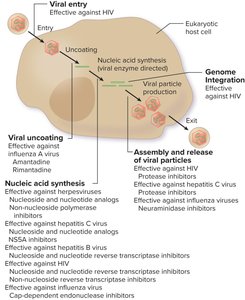
Viruses are difficult to target selectively because they rely on host cell machinery. Most antivirals target specific viral enzymes or processes, and combination therapy is often used to prevent resistance.
Prevent viral entry: Block attachment or fusion (e.g., HIV entry inhibitors).
Interfere with uncoating: Block release of viral nucleic acid (e.g., amantadine for influenza A).
Inhibit nucleic acid synthesis: Nucleoside/nucleotide analogs act as chain terminators (e.g., acyclovir for herpesviruses, sofosbuvir for HCV).
Inhibit genome integration or assembly/release: Used for HIV and other viruses.
Adverse Effects of Antimicrobials
Allergic reactions: Can be life-threatening; patients may wear alert bracelets.
Toxic effects: Some drugs have a low therapeutic index and require monitoring (e.g., chloramphenicol can cause aplastic anemia).
Dysbiosis: Disruption of the normal microbiome, potentially leading to overgrowth of pathogens like Clostridium difficile.
Summary Table: Main Mechanisms of Antibacterial Action
Target | Drug Classes | Example(s) |
|---|---|---|
Cell wall synthesis | β-lactams, glycopeptides, bacitracin | Penicillins, vancomycin |
Protein synthesis | Aminoglycosides, tetracyclines, macrolides, etc. | Streptomycin, erythromycin |
Nucleic acid synthesis | Fluoroquinolones, rifamycins | Ciprofloxacin, rifampin |
Metabolic pathways | Sulfonamides, trimethoprim | Sulfamethoxazole, trimethoprim |
Cell membrane integrity | Polymyxins, daptomycin | Polymyxin B |
Additional info: Combination therapy is often used to prevent the development of resistance, especially in the treatment of tuberculosis and viral infections like HIV and HCV.
