 Back
BackAntimicrobial Therapy and the History of Antimicrobial Discovery
Study Guide - Smart Notes
 Tailored notes based on your materials, expanded with key definitions, examples, and context.
Antimicrobial Therapy
Principles and Classification
Antimicrobial therapy refers to the use of medications to treat infections caused by microorganisms, including bacteria, fungi, viruses, and parasites. The central concept is selective toxicity: the drug should kill or inhibit the pathogen without harming the human host.
Antibacterials (Antibiotics): Target bacteria; can be bactericidal (kill bacteria) or bacteriostatic (inhibit growth).
Antivirals: Inhibit viral replication.
Antifungals: Treat fungal infections.
Antiparasitics: Target protozoa or helminths.
Spectrum of Activity
Narrow-spectrum: Effective against specific microbes; minimizes disruption of normal flora.
Broad-spectrum: Effective against a wide range of pathogens; often used when the causative agent is unknown.
Mechanisms of Action
Cell wall synthesis inhibition (e.g., penicillins)
Protein synthesis inhibition (e.g., tetracyclines, which target ribosomes)
DNA replication inhibition
Antimicrobial Discovery: Historical Perspectives
Pre-Antibiotic Era
Before the scientific understanding of microbes, ancient civilizations used empirical methods to treat infections. These methods often relied on natural substances and observations of efficacy.
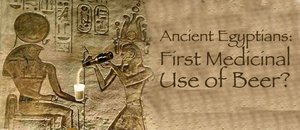
Ancient Nubia: Medicinal Beer and Tetracycline
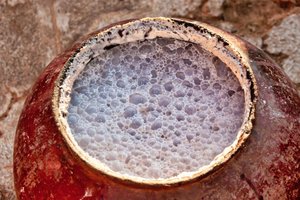
Between 350–550 AD, the Nubians consumed a thick, porridge-like beer called bouza, which was naturally contaminated with Streptomyces bacteria. These bacteria produced tetracycline, an antibiotic, which was ingested regularly and detected in the bones of the population.
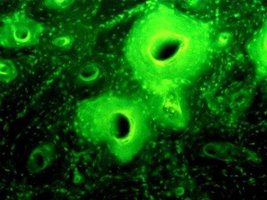
Discovery: Chemical analysis of Nubian bones revealed high, consistent tetracycline levels.
Mechanism: Streptomyces thrived in the grain storage conditions, and fermentation amplified antibiotic production.
Health Impact: Nubians had low rates of bone disease compared to neighboring populations.
Pediatric Use: Tetracycline was found in infants, likely via maternal milk or medicinal pap.

Ancient Egyptian Medicine: Natural Antimicrobials
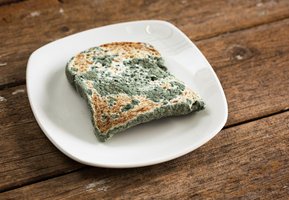
Ancient Egyptians combined empirical observation with spiritual beliefs, as documented in the Ebers Papyrus (~1550 BCE) and Edwin Smith Papyrus. They used natural substances such as honey and moldy bread to treat infections.

Honey as an Antimicrobial Agent
Low pH: Inhibits pathogen growth.
Hydrogen peroxide production: Bees add glucose oxidase, generating hydrogen peroxide when honey is applied to wounds.
Osmotic effect: High sugar content draws moisture from bacteria, dehydrating and killing them.
Physical barrier: When mixed with fat, honey forms a protective seal over wounds.

Moldy Bread: Early Antibiotic Use
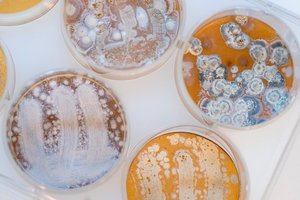
Penicillium molds: Bread molds produce penicillin-like compounds that inhibit bacteria.
Empirical observation: Healers noted improved wound healing with moldy bread applications.
Historical context: Similar practices were found in ancient China, Greece, and Serbia.
Silver as an Antimicrobial
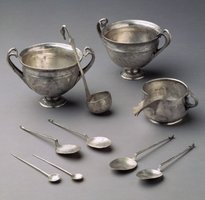
Silver was used for water purification and infection prevention due to the oligodynamic effect: silver ions disrupt microbial cell membranes and enzymes, inhibiting growth even at low concentrations.
Phoenicians: Stored water, wine, and vinegar in silver-lined vessels to prevent spoilage.
Romans: Used silver cups to reduce dysentery among soldiers.
Modern uses: Silver is used in medical devices, water purification, and wound dressings.
The Modern Era: Chemotherapy and Antibiotics
The 20th century saw the development of synthetic and natural antibiotics, revolutionizing infection treatment.
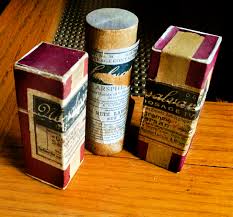
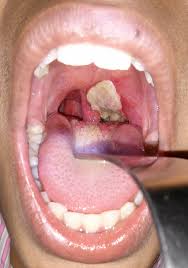
Paul Ehrlich: Developed Salvarsan, the first synthetic antimicrobial for syphilis, based on the principle of selective toxicity.
Sulfa drugs: Gerhard Domagk discovered Prontosil, leading to the sulfonamides, the first widely available synthetic antibacterials.
Penicillin: Alexander Fleming discovered penicillin from Penicillium mold; Florey and Chain enabled mass production, transforming medicine.
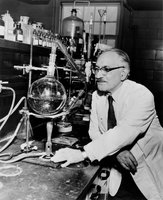
Streptomycin: Selman Waksman discovered this antibiotic from soil bacteria, effective against tuberculosis.
Current Innovations: The Genetic and Synthetic Frontier
Modern antimicrobial discovery leverages advanced genetic and synthetic biology techniques to overcome antibiotic resistance and discover new agents.
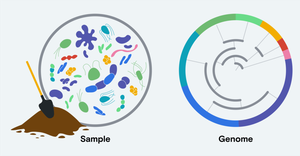
Metagenomics: Sequencing DNA directly from environmental samples to identify novel antibiotic genes without culturing microbes.
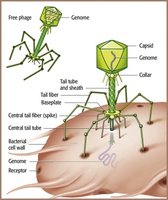
Synthetic biology: Engineering bacteriophages (viruses that infect bacteria) to target specific pathogens.
Antisense oligonucleotides: Short DNA/RNA strands designed to block essential bacterial genes.
Adjuvant therapy: Combining antibiotics with inhibitors (e.g., beta-lactamase inhibitors) to restore drug efficacy.
Summary Table: Key Milestones in Antimicrobial Discovery
Era | Discovery/Practice | Agent/Mechanism | Impact |
|---|---|---|---|
Ancient Nubia | Medicinal beer | Tetracycline from Streptomyces | Reduced bone disease |
Ancient Egypt | Honey, moldy bread | Antibacterial, antifungal | Wound healing, infection control |
Phoenicians/Romans | Silver vessels | Oligodynamic effect | Water purification, reduced infections |
Early 20th Century | Salvarsan, sulfa drugs | Synthetic antimicrobials | Treatment of syphilis, bacterial infections |
1940s–1960s | Penicillin, streptomycin | Natural antibiotics | Revolutionized medicine |
Modern era | Metagenomics, synthetic biology | Novel antibiotics, engineered phages | Combating resistance |
Additional info: This guide expands on the historical and scientific context of antimicrobial discovery, connecting ancient practices to modern microbiology and highlighting the ongoing innovation required to address antibiotic resistance.
