 Back
BackArchaea: Structure, Adaptations, and Roles in Microbiology
Study Guide - Smart Notes
 Tailored notes based on your materials, expanded with key definitions, examples, and context.
Archaea: Introduction and Overview
Definition and General Characteristics
Archaea are a distinct domain of single-celled microorganisms that lack a nucleus, similar to bacteria, but are genetically more related to eukaryotes. They were initially believed to inhabit only extreme environments, but are now recognized as widespread and crucial for global nutrient cycling.
Prokaryotic Structure: Archaea lack a membrane-bound nucleus and possess a simple cellular organization.
Genetic Similarity: Their DNA replication and protein synthesis machinery are more similar to eukaryotes than bacteria.
Ubiquity: Archaea are found in oceans, soils, swamps, and even the human body.
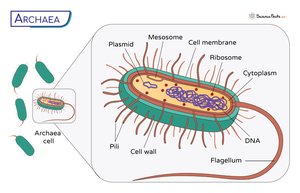
Characteristics of Archaea
Extremophiles and Environmental Diversity
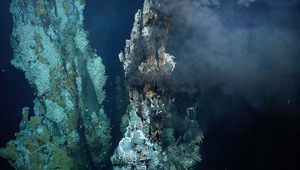
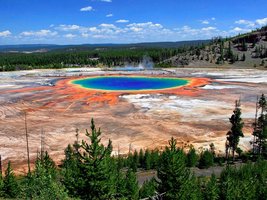
Archaea were first discovered in environments previously considered too hostile for life, such as hydrothermal vents, acidic springs, and hypersaline lakes. These extremophiles demonstrate remarkable adaptations to survive in extreme conditions.
Thermophiles: Thrive in high-temperature environments like hydrothermal vents.
Acidophiles: Survive in highly acidic conditions (pH 0).
Halophiles: Live in hypersaline environments such as the Dead Sea.
Unique Chemistry of Archaea
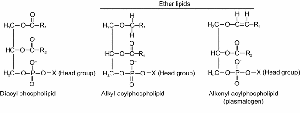
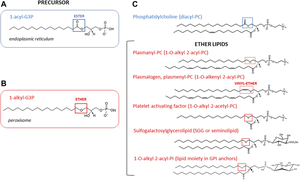
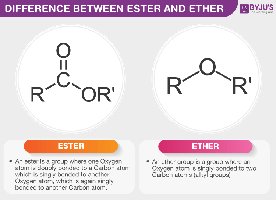
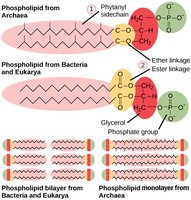
Archaeal cell membranes are composed of ether-linked lipids, which are more chemically stable than the ester-linked lipids found in bacteria and eukaryotes. This adaptation is key to their survival in harsh environments.
Ether Linkages: Provide resistance to chemical hydrolysis and thermal degradation.
No Pathogens: No known archaeal species cause disease in humans, animals, or plants.
Archaea in the Human Body and Environment
Distribution and Ecological Roles
Archaea are abundant in various environments, including the ocean, soil, and the human body. They play essential roles in carbon and nitrogen cycling.
Ocean Plankton: Up to 40% of microbial cells in the ocean are archaea.
Human Microbiome: Archaea inhabit the mouth, skin, and gastrointestinal tract.
Soils and Swamps: Critical for global biogeochemical cycles.
Archaea in the Human Gut
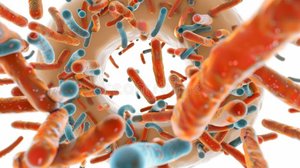
The human gut contains a specialized group of archaea known as the archaeome, which constitutes about 1.2% of the total gut microbiota. Most are methanogens that consume hydrogen gas produced by bacteria and release methane.
Methanobrevibacter smithii: The dominant archaeon in humans, found in up to 95.7% of individuals. It acts as a metabolic hub, consuming hydrogen and formate, thus preventing gas buildup and improving digestive efficiency.
Impact on Health and Digestion
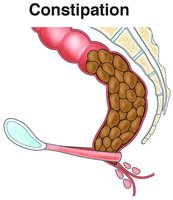
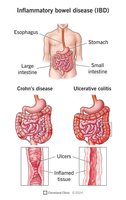
Archaea influence gut motility and immune responses. High levels of M. smithii are associated with chronic constipation and certain types of Irritable Bowel Syndrome (IBS-C). Other archaea, such as M. stadtmanae, can trigger pro-inflammatory responses and are linked to Inflammatory Bowel Disease (IBD).
Constipation: Methane slows intestinal transit time.
Immune Response: Some archaea can provoke inflammation in the gut.
Adaptations of Hyperthermophilic Archaea
Membrane Adaptations: The "Molecular Ziploc"
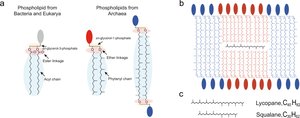
Hyperthermophilic archaea have evolved unique membrane structures to withstand extreme heat. Their membranes feature ether linkages, lipid monolayers, and branched isoprenoid chains.
Ether Linkages: More heat-stable than ester bonds.
Lipid Monolayers: Fused membrane layers create a sealed, stable structure.
Branched Isoprenoid Chains: Tight packing increases membrane stability.
DNA Stability Mechanisms
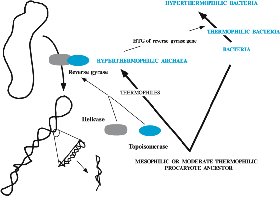
To prevent DNA melting at high temperatures, hyperthermophilic archaea utilize specialized proteins and enzymes.
Reverse Gyrase: Adds positive supercoils to DNA, increasing thermal stability.
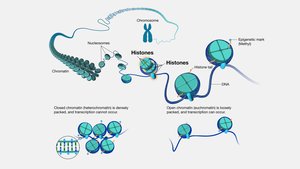
Histone Proteins: Wrap DNA into compact structures, raising melting temperature and maintaining genome integrity.
Protein Stability in Extreme Heat
Archaeal proteins are adapted to remain functional at high temperatures through dense packing, salt bridges, and chaperone complexes.
Dense Protein Packing: Hydrophobic cores prevent water disruption.
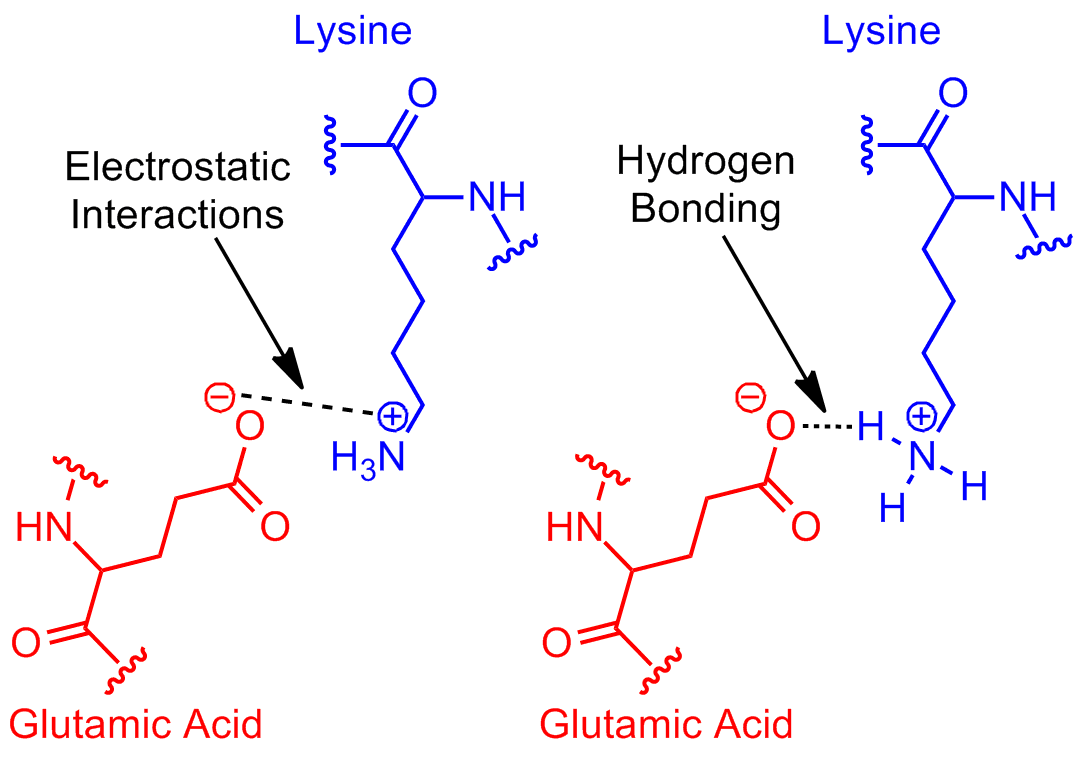
Salt Bridges: Ionic bonds stabilize protein structure.
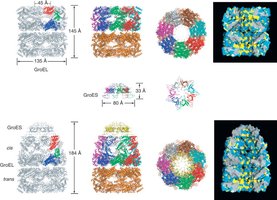
Thermosome: Chaperone complex refolds misfolded proteins.
Classification of Archaea
Genetic Classification and Major Groups
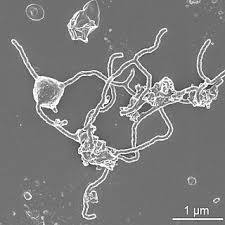
Modern classification of archaea relies on genetic analysis, particularly 16S rRNA gene sequencing. Four major supergroups have been identified:
Euryarchaeota: Includes methanogens, halophiles, and extreme thermophiles.
TACK Supergroup: Contains Crenarchaeota, Thaumarchaeota, Aigarchaeota, and Korarchaeota.
Asgard Archaea: Closest relatives of eukaryotes, discovered in deep-sea sediments.
DPANN Group: Extremely small archaea with symbiotic lifestyles.
Practical Applications of Archaea
Archaeal Enzymes in Lactose-Free Dairy Production
Archaea provide highly heat-stable enzymes, such as β-galactosidases, which are used in lactose-free milk production. These enzymes remain active during pasteurization, allowing efficient lactose hydrolysis and reducing contamination risk.
Thermostable Enzymes: Function at pasteurization temperatures (around 65°C).
Food Safety: High temperatures suppress contaminating microbes.
Efficiency: Lactose removal and pasteurization occur in a single step.

Summary Table: Key Features of Archaea
Feature | Archaea | Bacteria | Eukaryotes |
|---|---|---|---|
Cell Membrane Lipids | Ether-linked | Ester-linked | Ester-linked |
Cell Wall Composition | Varied (no peptidoglycan) | Peptidoglycan | Cellulose/chitin (if present) |
DNA Packaging | Histone proteins | No histones | Histone proteins |
Pathogenicity | None known | Many pathogens | Many pathogens |
Habitat | Extreme & common environments | Common environments | Common environments |
