 Back
Backlec 08:Archaea: Structure, Adaptations, Diversity, and Applications
Study Guide - Smart Notes
 Tailored notes based on your materials, expanded with key definitions, examples, and context.
Archaea: An Overview
Introduction to Archaea
Archaea are a major domain of single-celled microorganisms that, while superficially similar to bacteria, possess unique genetic, biochemical, and ecological features. They are prokaryotic (lacking a nucleus) but are genetically closer to eukaryotes. Once thought to inhabit only extreme environments, archaea are now recognized as ubiquitous and essential for global nutrient cycling.
Prokaryotic structure: Lack a membrane-bound nucleus and organelles.
Genetic similarity: DNA replication and protein synthesis machinery are more similar to eukaryotes than bacteria.
Ecological importance: Involved in carbon and nitrogen cycling in oceans, soils, and the human body.
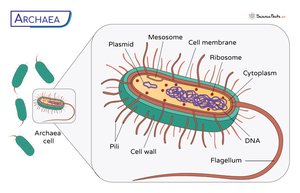
Characteristics of Archaea
Extremophiles and Habitats
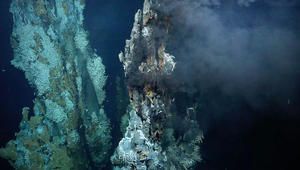
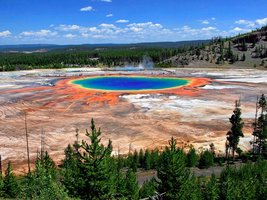
Archaea were first discovered in extreme environments, such as hydrothermal vents, acidic springs, and hypersaline lakes. However, they are now known to be widespread, inhabiting diverse environments including oceans, soils, and the human body.
Extremophiles: Thrive in high temperature, acidity, or salinity.
Ubiquity: Present in marine plankton, soils, swamps, and as part of the human microbiome.
Unique Cell Membrane Chemistry
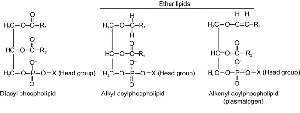
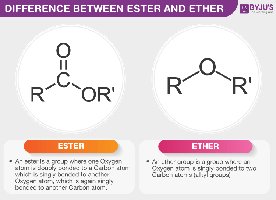
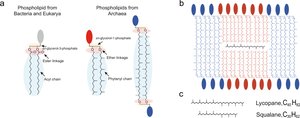
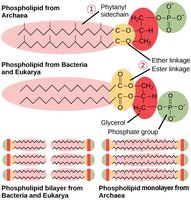
Archaeal cell membranes are composed of ether-linked lipids, which are more chemically stable than the ester-linked lipids found in bacteria and eukaryotes. This adaptation is crucial for survival in extreme conditions.
Ether bonds: Provide resistance to heat and chemical degradation.
Branched isoprenoid chains: Enhance membrane stability.
Archaea in the Human Body
The Archaeome and Methanogens
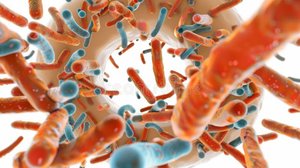
Archaea are a minor but significant component of the human microbiome, especially in the gut. The dominant group is the methanogens, which play a role in digestion by consuming hydrogen and producing methane.
Methanobrevibacter smithii: The most prevalent archaeon in humans, found in up to 95.7% of individuals.
Role: Consumes hydrogen and formate, preventing gas buildup and improving digestive efficiency.
Health Impacts
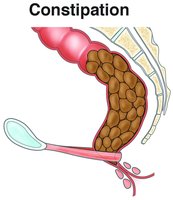
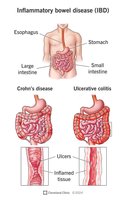
Archaea in the gut can influence health and disease. High levels of M. smithii are associated with slower intestinal transit and chronic constipation, while other species like M. stadtmanae can trigger inflammatory responses.
Constipation: Linked to increased methane production by methanogens.
Inflammatory Bowel Disease (IBD): Higher concentrations of M. stadtmanae found in IBD patients.
Adaptations of Hyperthermophilic Archaea
Membrane Adaptations: The "Molecular Ziploc"
Hyperthermophilic archaea have evolved specialized membranes to withstand extreme heat. Their membranes often form a monolayer rather than a bilayer, and use ether linkages for enhanced stability.
Ether linkages: More heat-stable than ester linkages.
Lipid monolayers: Prevent membrane separation at high temperatures.
Branched isoprenoid chains: Allow tight packing and stability.
DNA Protection Mechanisms
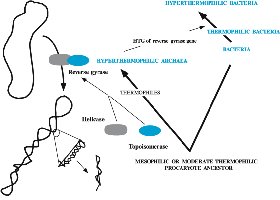
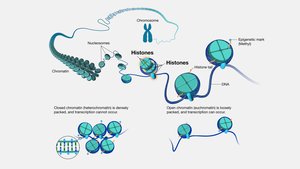
At high temperatures, DNA is prone to denaturation. Hyperthermophilic archaea use unique enzymes and proteins to stabilize their genetic material.
Reverse gyrase: Adds positive supercoils to DNA, increasing thermal stability.
Histone proteins: Package DNA into compact structures, similar to eukaryotes.
Protein Stability at High Temperatures
Proteins in hyperthermophilic archaea are adapted to remain functional at extreme temperatures through dense packing and stabilizing interactions.
Dense hydrophobic cores: Reduce water penetration and unfolding.
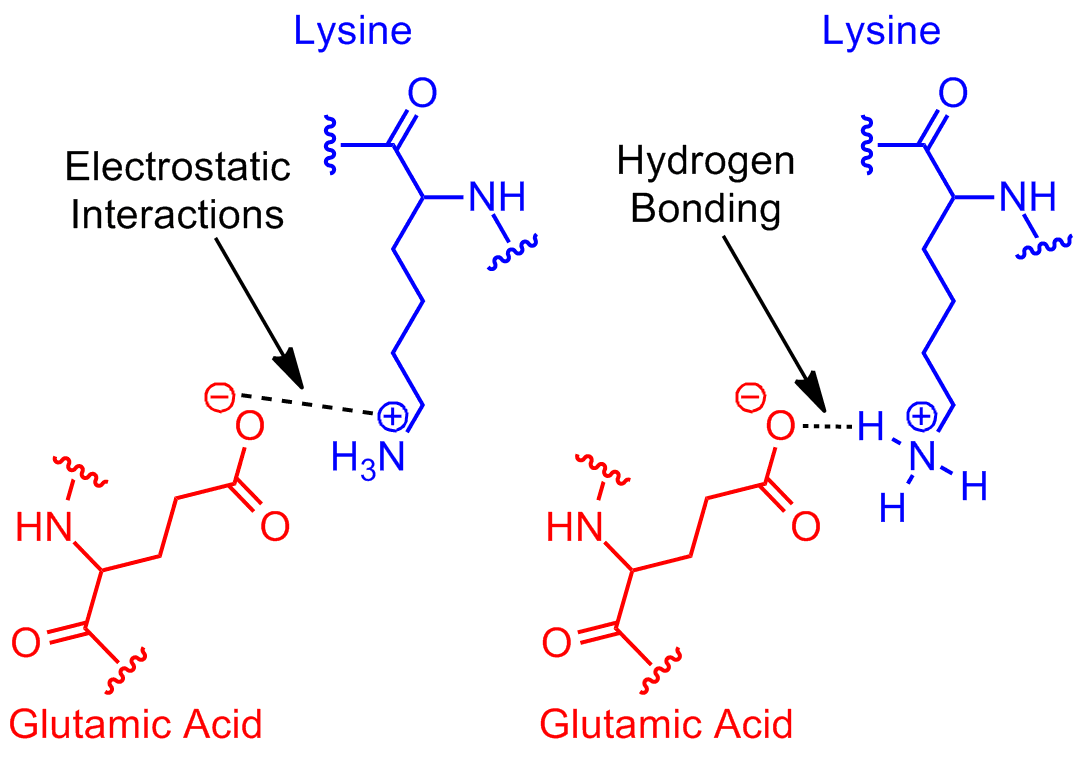
Salt bridges: Ionic bonds that stabilize protein structure.
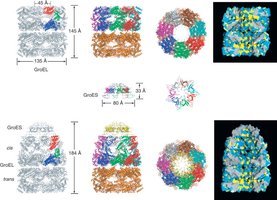
Thermosome: A chaperone complex that refolds misfolded proteins.
Classification of Archaea
Major Archaeal Supergroups
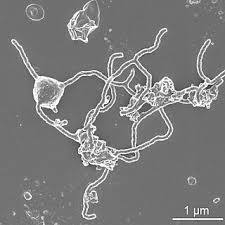
Modern classification relies on genetic analysis, especially 16S rRNA sequencing, revealing four major supergroups:
Euryarchaeota: Includes methanogens, halophiles, and extreme thermophiles.
TACK Supergroup: Includes Crenarchaeota (hyperthermophiles), Thaumarchaeota (important in nitrogen cycling), Aigarchaeota, and Korarchaeota.
Asgard Archaea: Closest relatives to eukaryotes, discovered via metagenomics.
DPANN Group: Extremely small archaea, often symbiotic.
Practical Applications of Archaea
Archaeal Enzymes in Lactose-Free Milk Production
Archaeal enzymes, such as thermostable β-galactosidases, are valuable in the dairy industry for producing lactose-free milk. These enzymes remain active at pasteurization temperatures, allowing simultaneous lactose hydrolysis and pasteurization, which improves efficiency and food safety.
Thermostability: Enzymes function at high temperatures, reducing contamination risk.
Efficiency: Over 90% lactose hydrolysis during pasteurization.

Summary Table: Key Features of Archaea
Feature | Archaea | Bacteria | Eukaryotes |
|---|---|---|---|
Cell membrane lipids | Ether-linked, branched isoprenoids | Ester-linked, unbranched fatty acids | Ester-linked, unbranched fatty acids |
Cell wall | No peptidoglycan; some have pseudopeptidoglycan | Peptidoglycan | Cellulose (plants), chitin (fungi), none (animals) |
Genetic machinery | Similar to eukaryotes | Distinct from eukaryotes | Complex, with histones |
Habitat | Extreme and moderate environments | Ubiquitous | Mostly non-extreme |
Pathogenicity | No known pathogens | Many pathogens | Many pathogens |
