 Back
BackBacterial Diversity and Major Groups: Structure, Function, and Ecological Roles
Study Guide - Smart Notes
 Tailored notes based on your materials, expanded with key definitions, examples, and context.
Bacterial Diversity
Introduction to Bacterial Diversity
Bacteria are among the most diverse organisms on Earth, exhibiting a wide range of structural, metabolic, and ecological characteristics. Most bacteria possess peptidoglycan cell walls, ester-linked membrane lipids, and circular DNA. Bacterial classification is based on genetic similarities, cell wall structure, and metabolic capabilities.
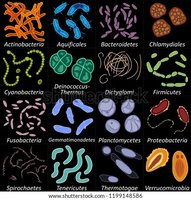
Major Groups of Bacteria
Proteobacteria (Gram-Negative)
Proteobacteria represent the largest and most metabolically diverse group of bacteria. They are characterized by a Gram-negative cell envelope with an outer membrane containing lipopolysaccharide (LPS). Members include free-living, symbiotic, and pathogenic species.
Examples: Escherichia coli, Rhizobium, Helicobacter pylori
Metabolic diversity: Includes chemoorganotrophs, chemolithotrophs, phototrophs, and methylotrophs.
Firmicutes (Gram-Positive, Low G+C DNA)
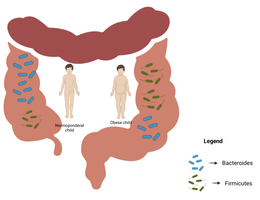
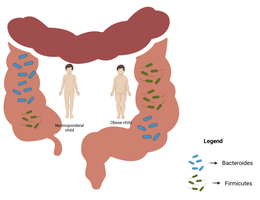
Firmicutes are Gram-positive bacteria with thick peptidoglycan cell walls and low G+C content in their DNA. Many can form endospores, allowing survival in harsh environments.
Examples: Bacillus, Clostridium, Staphylococcus
Endospore formation: Key for resistance to heat, desiccation, and chemicals.
Actinobacteria (Gram-Positive, High G+C DNA)
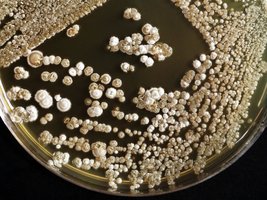
Actinobacteria are Gram-positive bacteria with high G+C content in their DNA. They often grow as filaments and are notable for producing many antibiotics.
Examples: Streptomyces, Mycobacterium
Antibiotic production: Streptomyces species are the source of most naturally derived antibiotics.
Bacteroidetes
Bacteroidetes are Gram-negative rods commonly found in the human gut, where they help break down complex carbohydrates.
Example: Bacteroides fragilis
Role in gut health: Important for digestion and maintaining gut microbiota balance.
Cyanobacteria
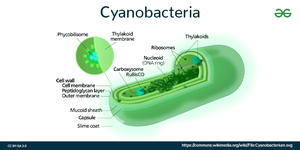
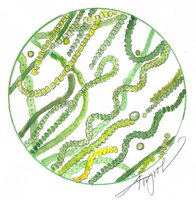
Cyanobacteria are photosynthetic bacteria that perform oxygenic photosynthesis. They are ancestors of plant chloroplasts and are major contributors to global oxygen and carbon cycles.
Examples: Anabaena, Prochlorococcus
Photosynthetic machinery: Use two photosystems (PSI and PSII) and the Calvin Cycle.
Spirochetes
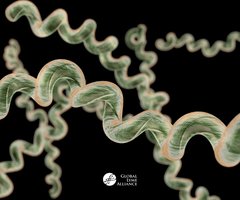
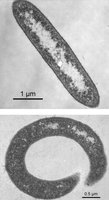
Spirochetes are spiral-shaped bacteria that move via internal flagella (endoflagella), enabling a corkscrew motion.
Examples: Treponema pallidum (syphilis), Borrelia burgdorferi (Lyme disease)
Chlamydiae
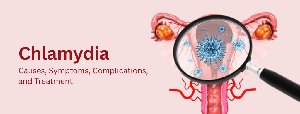
Chlamydiae are obligate intracellular bacteria with a two-stage life cycle (infectious and reproductive forms). They must live inside host cells to survive and reproduce.
Example: Chlamydia trachomatis
Deep-Branching Thermophiles
These bacteria represent some of the earliest lineages and thrive in extreme heat environments such as hot springs and hydrothermal vents.
Examples: Aquificae, Thermotogae
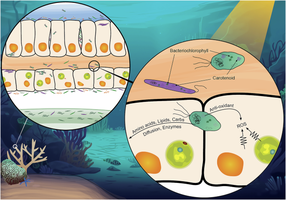
Phototrophic Bacteria
Overview of Phototrophic Bacteria
Phototrophic bacteria use light as an energy source. They are divided into oxygenic and anoxygenic groups based on whether they produce oxygen during photosynthesis.
Cyanobacteria (Oxygen-Producing Phototrophs)
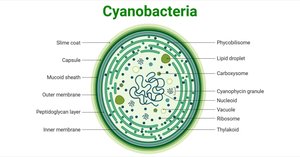
Cyanobacteria are the only bacteria that perform oxygenic photosynthesis, using two photosystems to split water and release oxygen. They are major contributors to global carbon fixation and oxygen production.
Examples: Prochlorococcus, Synechococcus, Anabaena, Nostoc
Specialized cells: Some, like Anabaena, fix nitrogen using heterocysts.
Anoxygenic Phototrophic Bacteria (Do NOT Produce Oxygen)
These bacteria use only one photosystem and do not split water, so they do not produce oxygen. Instead, they use molecules like hydrogen sulfide (H2S), hydrogen, or organic compounds as electron donors.
Purple Sulfur Bacteria: Use H2S as an electron donor and store sulfur inside the cell.
Purple Non-Sulfur Bacteria: Metabolically flexible; can use organic compounds or light for energy.
Green Sulfur Bacteria: Strict anaerobes, thrive in low-light environments.
Green Non-Sulfur Bacteria: Often filamentous and thermophilic, common in hot springs.
Heliobacteria: Gram-positive, usually photoheterotrophic, found in soils and rice paddies.

Ecological Importance of Phototrophic Bacteria
Phototrophic bacteria are crucial for ecosystem productivity, especially in oceans and extreme environments. Some cyanobacteria fix nitrogen, contributing to nutrient cycling.
Gram-Positive Bacteria: Firmicutes vs Actinobacteria
Key Differences
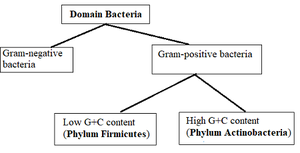
The two main groups of Gram-positive bacteria are Firmicutes (low G+C DNA) and Actinobacteria (high G+C DNA). The primary distinction is the G+C content of their DNA.
Firmicutes: Low G+C content (<50%), thick peptidoglycan wall, many form endospores.
Actinobacteria: High G+C content (>50%), often filamentous, produce antibiotics.
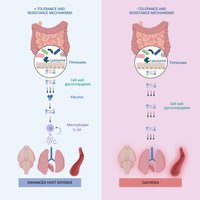
Firmicutes
Endospore-forming: Bacillus (aerobic), Clostridium (anaerobic, causes diseases like botulism and tetanus)
Non–spore-forming: Lactic acid bacteria (Lactobacillus, Streptococcus), Staphylococcus
Mycoplasma
Mycoplasma are unique among bacteria because they lack a cell wall, making them naturally resistant to penicillin-type antibiotics.
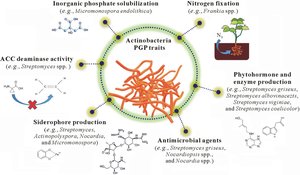
Actinobacteria
Streptomyces: Grow as filaments, produce antibiotics, responsible for the earthy smell of soil.
Mycobacterium: Have a thick, waxy cell wall with mycolic acids; require acid-fast staining; includes pathogens like Mycobacterium tuberculosis.
Metabolic Diversity in Proteobacteria
Energy Acquisition Strategies
Proteobacteria exhibit remarkable metabolic diversity, including:
Chemoorganotrophs: Use organic compounds for energy (e.g., Escherichia coli).
Chemolithotrophs: Use inorganic chemicals (e.g., Nitrosomonas).
Phototrophs: Use light as an energy source (e.g., purple bacteria).
Methylotrophs/Methanotrophs: Use single-carbon compounds (e.g., Methylobacterium).
Metabolic diversity is driven by horizontal gene transfer, mixotrophy, and rapid evolution of metabolic pathways.
Summary Table: Major Bacterial Groups
Group | Gram Stain | Key Features | Examples |
|---|---|---|---|
Proteobacteria | Negative | Outer membrane with LPS, metabolic diversity | E. coli, Rhizobium |
Firmicutes | Positive | Thick peptidoglycan, endospore formation | Bacillus, Clostridium |
Actinobacteria | Positive | High G+C DNA, filamentous, antibiotic production | Streptomyces, Mycobacterium |
Bacteroidetes | Negative | Gut commensals, carbohydrate breakdown | Bacteroides fragilis |
Cyanobacteria | Negative | Oxygenic photosynthesis, nitrogen fixation | Anabaena, Prochlorococcus |
Spirochetes | Negative | Spiral shape, internal flagella | Treponema, Borrelia |
Chlamydiae | Negative | Obligate intracellular, two-stage life cycle | Chlamydia trachomatis |
Practice Questions
Which structural feature is shared by all members of Proteobacteria? Answer: Outer membrane containing lipopolysaccharide
Which bacterial group is responsible for producing the majority of naturally derived antibiotics? Answer: Actinobacteria
Which of the following bacterial genera is known for forming endospores that survive extreme environmental conditions? Answer: Bacillus
What is the primary difference between Firmicutes and Actinobacteria? Answer: G+C content of DNA
Which bacterial group performs oxygenic photosynthesis? Answer: Cyanobacteria
Why do anoxygenic phototrophic bacteria not produce oxygen? Answer: They use only one photosystem and do not split water
Which phototrophic bacteria use hydrogen sulfide (H2S) as an electron donor? Answer: Purple sulfur bacteria
Which bacterial group contains organisms that move using internal flagella (endoflagella)? Answer: Spirochetes
Why are Mycoplasma naturally resistant to penicillin? Answer: They lack a cell wall
Which bacterial genus requires acid-fast staining due to a waxy cell wall containing mycolic acids? Answer: Mycobacterium
