 Back
BackBacterial Diversity: Major Groups and Clinical Relevance
Study Guide - Smart Notes
 Tailored notes based on your materials, expanded with key definitions, examples, and context.
Bacterial Diversity
Introduction to Bacterial Diversity
Bacteria are among the most diverse and widespread organisms on Earth, occupying nearly every environment. Their diversity is reflected in their morphology, metabolism, genetic content, and ecological roles. Understanding bacterial diversity is essential for microbiology, as it underpins the study of infectious diseases, biotechnology, and environmental science.
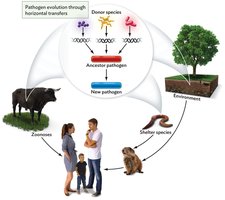
Pathogen Evolution: New pathogens can emerge from zoonotic hosts (animals), shelter species (organisms not directly interacting with humans), and the environment. These incubators facilitate genetic exchange and adaptation.
Horizontal Gene Transfer: Bacteria can acquire new genes from other species, accelerating evolution and adaptation to new hosts or environments.
Measuring Evolutionary Relatedness
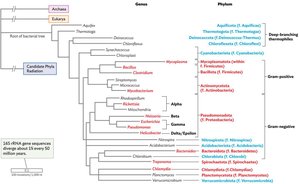
Bacterial evolutionary relationships are commonly determined by comparing the sequences of highly conserved genes, such as those encoding 16S rRNA. This molecular approach allows for the classification of bacteria into major groups (phyla) and the identification of evolutionary lineages.
Major Groups of Bacteria
Gram-Positive Bacteria
Gram-positive bacteria are characterized by a thick peptidoglycan cell wall and are divided into two main phyla based on their genomic G+C content:
Firmicutes: Low G+C ratio
Actinobacteria: High G+C ratio
Firmicutes: Key Genera and Clinical Importance
Clostridium: Rod-shaped, endospore-forming obligate anaerobes. Includes pathogens such as Clostridium tetani (tetanus), C. botulinum (botulism), C. perfringens (gangrene), and C. difficile (severe diarrhea).
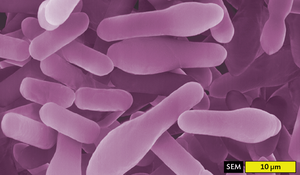
Bacillus: Rod-shaped, endospore-forming aerobes or facultative anaerobes. Includes Bacillus anthracis (anthrax), B. thuringiensis (insect pathogen), and B. cereus (food poisoning).
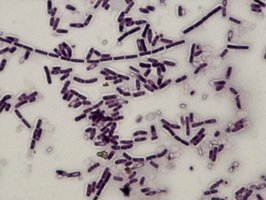
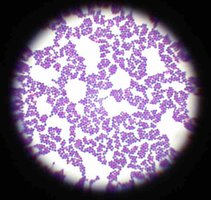
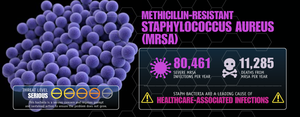
Staphylococcus: Cocci in grape-like clusters. Staphylococcus aureus is notable for causing wound infections, toxic shock syndrome, and food poisoning. It is highly adaptable and can develop antibiotic resistance rapidly (e.g., MRSA).
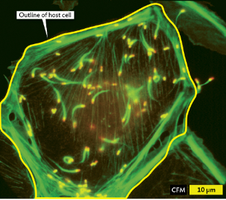
Listeria: Capable of growth at refrigeration temperatures and surviving within phagocytic cells. Listeria monocytogenes contaminates food and can cause severe infections, especially in pregnant women.
Lactobacillus: Rod-shaped, non-spore forming. Normal flora of the mouth, gut, and vagina; used in food production (e.g., yogurt, sauerkraut).

Streptococcus: Cocci in chains. Some strains are beta-hemolytic (complete lysis of red blood cells), while others are alpha-hemolytic (partial lysis). Pathogenic species include S. pyogenes (scarlet fever, pharyngitis), S. pneumoniae (pneumonia), and S. mutans (dental cavities).
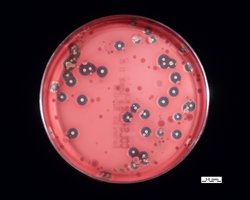
Enterococcus: Cocci in chains, adapted to nutrient-rich, low-oxygen environments (e.g., GI tract). Enterococcus faecalis can cause hospital-acquired infections and is notable for antibiotic resistance (e.g., VRE).
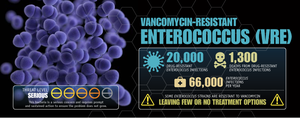
Mycoplasma: Highly pleomorphic due to lack of cell wall; smallest free-living cells. Mycoplasma pneumoniae causes mild pneumonia.
Actinobacteria: Key Genera and Clinical Importance
Mycobacterium: Slow-growing, waxy cell wall (mycolic acids), resistant to desiccation and drugs. Includes Mycobacterium tuberculosis (tuberculosis) and M. leprae (leprosy).
Corynebacterium: Pleomorphic; Corynebacterium diphtheriae causes diphtheria.
Streptomyces: Forms branching filaments; major source of commercial antibiotics.
Gram-Negative Bacteria: Proteobacteria
Proteobacteria are the largest and most diverse group of Gram-negative bacteria, including many important human pathogens. They are classified into five classes: Alpha, Beta, Gamma, Delta, and Epsilonproteobacteria.
Alphaproteobacteria
Rickettsia: Obligate intracellular parasites; R. rickettsii causes Rocky Mountain spotted fever (transmitted by ticks).
Rhizobium: Nitrogen-fixing bacteria in legume roots (important for agriculture).
Nitrobacter/Nitrosomonas: Chemoautotrophs involved in nitrogen cycling.
Betaproteobacteria
Bordetella: Bordetella pertussis causes whooping cough.
Neisseria: Only Gram-negative cocci genus causing human disease; includes N. gonorrhoeae (gonorrhea) and N. meningitidis (meningitis).
Gammaproteobacteria
Pseudomonas: Opportunistic pathogens, especially in immunocompromised patients (e.g., P. aeruginosa in cystic fibrosis).
Legionella: Intracellular pathogen; L. pneumophila causes Legionnaire’s disease.
Vibrio: Curved rods; Vibrio cholerae causes cholera.
Enterobacteriaceae (Enterics): Facultative anaerobic Gram-negative rods inhabiting the intestines. Includes:
Escherichia: E. coli is an indicator of fecal contamination; some strains cause food poisoning.
Salmonella: Common in poultry/cattle; causes salmonellosis and typhoid fever (S. typhi).
Shigella: Causes dysentery.
Klebsiella: K. pneumoniae causes pneumonia.
Serratia: Nosocomial infections; some produce red pigment.
Proteus: Swarming growth; causes urinary tract and wound infections.
Yersinia: Y. pestis causes plague.
Haemophilus: Inhabits mucous membranes; H. influenzae causes ear infections and epiglottitis (not influenza).
Deltaproteobacteria
Bdellovibrio: Predatory bacteria that attack other Gram-negative bacteria.
Desulfovibrio: Sulfur and sulfate-reducing bacteria found in sediments and intestines.
Epsilonproteobacteria
Campylobacter: Microaerophilic curved rods; C. jejuni is a leading cause of foodborne illness.
Helicobacter: Microaerophilic curved rods; H. pylori causes peptic ulcers and is linked to stomach cancer. It is uniquely adapted to survive in the acidic stomach environment.
Summary Table: Major Bacterial Groups and Key Features
Group | Key Genera | Gram Stain | Notable Diseases/Features |
|---|---|---|---|
Firmicutes (Low G+C) | Clostridium, Bacillus, Staphylococcus, Listeria, Lactobacillus, Streptococcus, Enterococcus, Mycoplasma | Positive | Tetanus, anthrax, MRSA, listeriosis, yogurt production, strep throat, VRE, pneumonia |
Actinobacteria (High G+C) | Mycobacterium, Corynebacterium, Streptomyces | Positive | Tuberculosis, diphtheria, antibiotic production |
Proteobacteria | Rickettsia, Rhizobium, Bordetella, Neisseria, Pseudomonas, Legionella, Vibrio, Escherichia, Salmonella, Shigella, Klebsiella, Serratia, Proteus, Yersinia, Haemophilus | Negative | Rocky Mountain spotted fever, nitrogen fixation, whooping cough, gonorrhea, pneumonia, cholera, food poisoning, plague, ear infections |
Deltaproteobacteria | Bdellovibrio, Desulfovibrio | Negative | Predatory bacteria, sulfur reduction |
Epsilonproteobacteria | Campylobacter, Helicobacter | Negative | Foodborne illness, peptic ulcers |
Key Concepts and Applications
16S rRNA Sequencing: Essential for bacterial identification and phylogeny.
Antibiotic Resistance: Many clinically important bacteria (e.g., MRSA, VRE) have developed resistance, complicating treatment.
Human Microbiome: Many bacteria are normal flora, playing roles in health and disease.
Industrial and Environmental Roles: Bacteria are used in food production, agriculture (nitrogen fixation), and biotechnology (antibiotic production).
