 Back
Backlecture 13
Study Guide - Smart Notes
 Tailored notes based on your materials, expanded with key definitions, examples, and context.
Bacterial Pathogenicity: Toxins and Secretion Systems
Overview of Bacterial Toxins
Bacterial pathogens utilize a variety of toxins and secretion systems to damage host cells, evade immune responses, and facilitate infection. These virulence factors can be classified based on their chemical nature, mechanism of action, and mode of delivery into host cells.
Types of Bacterial Toxins
Small Molecule Toxins – Endotoxins
Endotoxins are toxic components of the bacterial cell envelope, primarily found in Gram-negative bacteria. They are released upon bacterial cell lysis and can trigger severe inflammatory responses in the host.
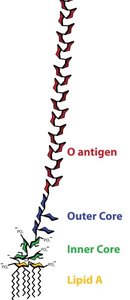
Lipopolysaccharide (LPS): The lipid A portion of LPS is the toxic moiety responsible for endotoxemia and septic shock. LPS structure varies among species, influencing toxicity.
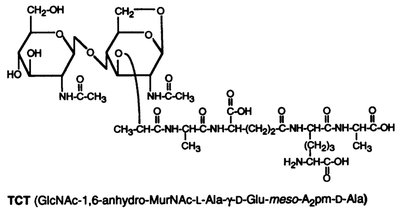
Tracheal Cytotoxin (TCT): A glycopeptide fragment of peptidoglycan from Bordetella pertussis, responsible for the characteristic cough in whooping cough by damaging ciliated respiratory epithelial cells.
Small Molecule Toxins – Mycolactones
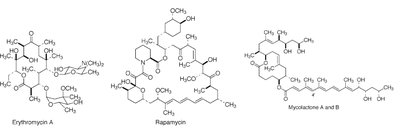
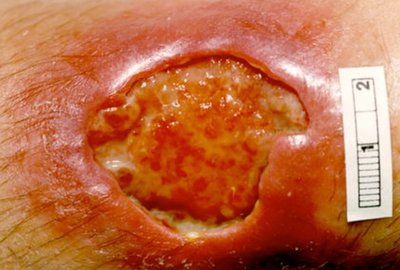
Mycolactones are polyketide-derived macrolide toxins produced by Mycobacterium ulcerans. They have cytotoxic, antimicrobial, and immunosuppressive properties, causing extensive tissue necrosis with minimal inflammation, as seen in Buruli ulcers.
Genes for mycolactone synthesis are located on a large plasmid and are homologous to those for fatty acid and macrolide antibiotic biosynthesis.
Buruli ulcer is a severe, necrotizing skin disease prevalent in Central/West Africa and Australia.
Peptide and Protein Toxins
Small Peptide Toxins – Superantigens
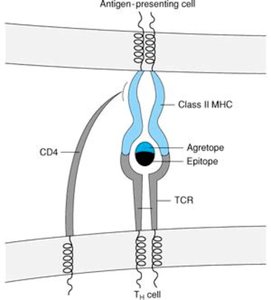
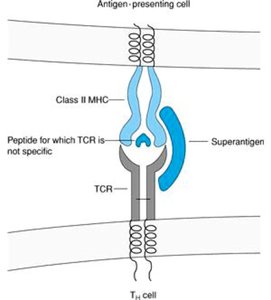
Superantigens are peptide toxins produced by bacteria such as Staphylococcus aureus and Streptococcus pyogenes. They cause non-specific activation of T cells, leading to massive cytokine release (cytokine storm) and toxic shock.
Superantigens bypass normal antigen processing, binding directly to MHC class II and TCR, activating large numbers of T cells.
Large Protein Toxins – Exotoxins
Exotoxins are secreted proteins that can disrupt host cell membranes or interfere with cellular processes. They are classified by their mechanism of action:
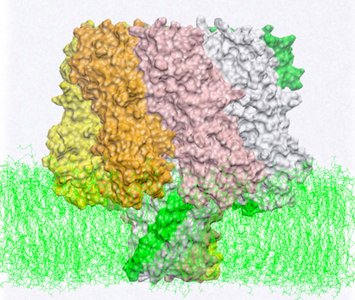
Membrane-disrupting toxins: Include pore-forming toxins (hemolysins, cytolysins) and phospholipases that lyse host cells.
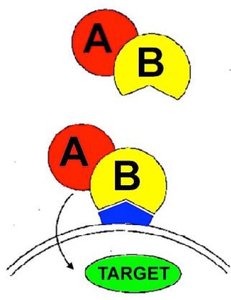
A-B type toxins: Composed of an enzymatically active A subunit and a cell-binding B subunit. Examples include diphtheria toxin, cholera toxin, and botulinum neurotoxin.
Example: Listeria monocytogenes
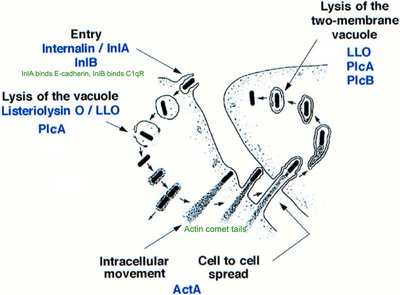
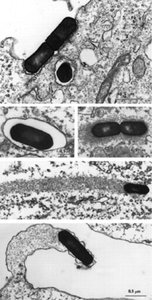
Listeria monocytogenes is a food-borne pathogen that uses pore-forming and membrane-degrading toxins to escape from the phagosome and spread cell-to-cell, evading the immune system.
AB Type Toxins
AB toxins consist of two functional components:
A (Active) part: Enzymatic activity responsible for toxicity.
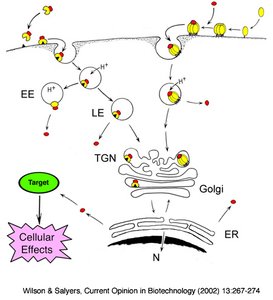
B (Binding) part: Mediates binding to host cell receptors and facilitates entry of the A part into the cytosol.
Diphtheria Toxin
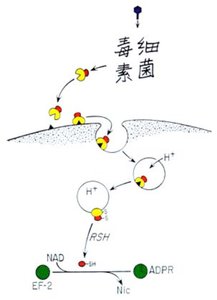
Diphtheria toxin, produced by Corynebacterium diphtheriae, is an AB toxin that ADP-ribosylates elongation factor 2 (EF2), halting protein synthesis and killing the cell. The gene is phage-encoded and regulated by iron levels.
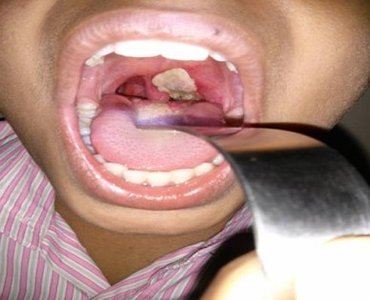
Causes formation of a pseudomembrane in the throat and can lead to systemic organ damage.
Clostridial Neurotoxins
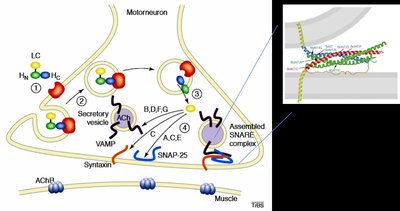
Botulinum neurotoxins (BoNTs) and tetanus neurotoxin (TeNT) are AB toxins with zinc-dependent metalloprotease activity. BoNTs block acetylcholine release at neuromuscular junctions, causing flaccid paralysis; TeNT blocks inhibitory neurotransmitter release, causing spastic paralysis.
BoNTs are among the most potent toxins known, with extremely low lethal doses.

Bacterial Secretion Systems
Overview of Secretion Systems
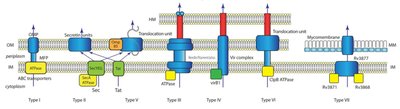
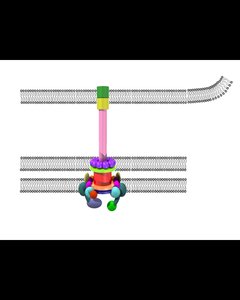
Bacteria use specialized secretion systems (Type I–VII) to export toxins and effector proteins into the extracellular environment or directly into host cells. These systems are critical for virulence in many Gram-negative pathogens.
Type 3 Secretion System (T3SS): Functions as a molecular syringe to inject effectors directly into host cells (e.g., Salmonella).
Type 6 Secretion System (T6SS): Can deliver toxic proteins to both eukaryotic and prokaryotic cells (e.g., Vibrio cholerae, Pseudomonas aeruginosa).
Summary Table: Major Bacterial Toxin Types
Toxin Type | Example | Mechanism | Effect |
|---|---|---|---|
Endotoxin | Lipid A (LPS) | TLR4 activation, cytokine storm | Septic shock, inflammation |
Small Peptide | Superantigen (TSST-1) | Non-specific T cell activation | Toxic shock |
Exotoxin (AB type) | Diphtheria toxin | ADP-ribosylation of EF2 | Inhibits protein synthesis |
Neurotoxin | Botulinum toxin | Blocks acetylcholine release | Flaccid paralysis |
Membrane-disrupting | Hemolysin | Pore formation | Cell lysis |
Key Equations and Concepts
ADP-ribosylation reaction (as catalyzed by diphtheria toxin):
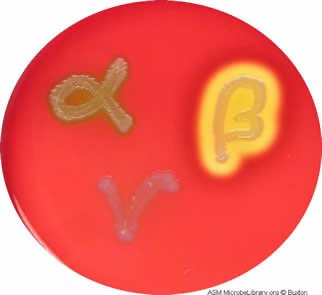
Hemolysis types on blood agar:
Type | Appearance | Mechanism |
|---|---|---|
Alpha (α) | Greenish discoloration | Partial hemolysis, H2O2 production |
Beta (β) | Clear zone | Complete lysis of RBCs |
Gamma (γ) | No change | No hemolysis |
Additional info: The notes above integrate foundational concepts from microbial pathogenesis, including the molecular mechanisms of toxin action, the diversity of bacterial secretion systems, and the clinical relevance of these virulence factors in infectious diseases.
