 Back
Bacterial Transformation and Genetic Engineering: pGLO Plasmid Study Guide
Study Guide - Smart Notes
 Tailored notes based on your materials, expanded with key definitions, examples, and context.
Bacterial Transformation and Genetic Engineering
Introduction to Genetic Modification
Genetic modification, or genetic engineering, is a fundamental technique in microbiology that allows scientists to alter the genetic material of organisms for various purposes. This process is widely used in research, medicine, agriculture, and industry to produce desired traits or products.
Genetically Modified Organisms (GMOs): Organisms whose genetic material has been altered using biotechnology.
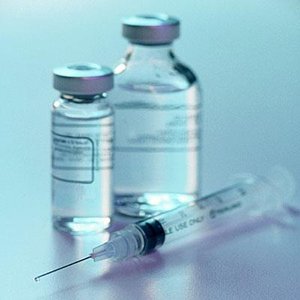
Applications: Disease resistance, increased nutrition, animal models for research, drug production (e.g., insulin, vaccines), and pest control.
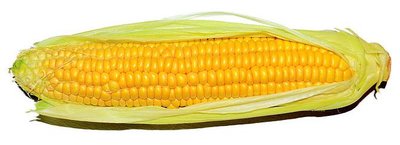
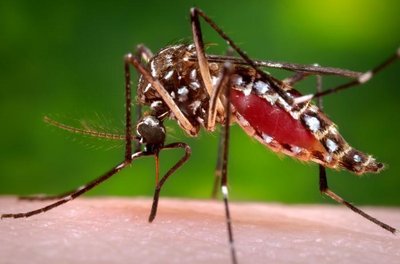
Example: Modified mosquitoes to fight disease, genetically engineered crops for drought resistance, and bacteria producing human insulin.
Producing Proteins Using Bacteria
Bacteria are commonly used as mini protein factories due to their rapid growth and ease of genetic manipulation. The process involves several key steps:
Step 1: Identify the gene encoding the desired protein.
Step 2: Insert the gene into a bacterial plasmid.
Step 3: Transform bacteria with the plasmid.
Step 4: Grow large quantities of bacteria.
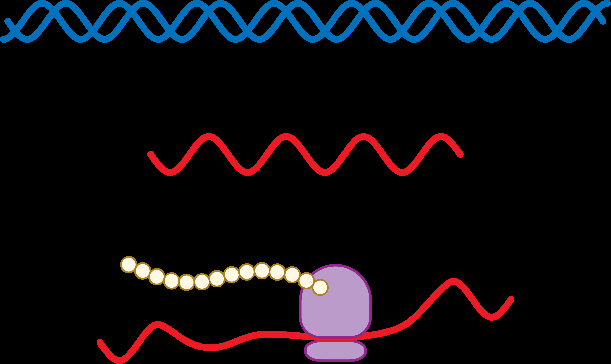
Step 5: Bacteria transcribe and translate the gene, producing the protein.
Step 6: Purify the protein for use.

Plasmids and Bacterial Transformation
Plasmids are small, circular DNA molecules found in bacteria that can replicate independently of chromosomal DNA. They are essential tools in genetic engineering.
Plasmid Features: Origin of replication, selectable marker (e.g., antibiotic resistance), and gene of interest.
Bacterial Transformation: The process of introducing plasmid DNA into bacteria, enabling them to express new genes.
Example: The pGLO plasmid contains the gene for green fluorescent protein (GFP), antibiotic resistance, and regulatory elements.



Green Fluorescent Protein (GFP) and pGLO Plasmid
The pGLO plasmid is engineered to contain the GFP gene from the jellyfish Aequorea victoria, which fluoresces green under UV light. It also includes genes for antibiotic resistance and regulatory proteins.
GFP: Used as a reporter gene to visualize gene expression.
Beta-lactamase: Provides resistance to ampicillin, allowing selection of transformed bacteria.
araC: Regulatory protein controlling GFP expression in the presence of arabinose.
Origin of replication: Ensures plasmid replication in bacteria.



Bacterial Transformation Procedure
The transformation process involves making bacteria competent to take up plasmid DNA, followed by selection and expression of the introduced genes.
Step 1: Prepare a plasmid with the gene of interest.
Step 2: Add transformation solution (CaCl2) to shield negative charges on DNA.
Step 3: Incubate on ice to slow membrane fluidity.
Step 4: Heat shock to increase membrane permeability, allowing plasmid entry.
Step 5: Recovery on ice and addition of LB broth for gene expression.
Step 6: Plate bacteria on selective media (LB/ampicillin) to isolate transformed colonies.
Step | Purpose |
|---|---|
CaCl2 treatment | Shields DNA charge, facilitates uptake |
Ice incubation | Prepares membrane for heat shock |
Heat shock | Creates pores in membrane |
Ice recovery | Closes membrane pores |
LB broth incubation | Allows gene expression |
Plating | Selects for transformed bacteria |
Gene Expression and Selection
Transformed bacteria express the introduced genes, which can be regulated by environmental factors such as the presence of arabinose.
Beta-lactamase: Confers ampicillin resistance, allowing growth on selective media.
araC and Arabinose: Arabinose acts as a switch for GFP expression. Without arabinose, AraC blocks transcription; with arabinose, AraC allows RNA polymerase to transcribe the GFP gene.
LB Broth: Provides nutrients for bacterial growth.
Summary of Transformation Protocol
The transformation protocol is a stepwise method to introduce plasmid DNA into bacteria and select for successful transformants.
Label tubes (+pGLO and –pGLO).
Pick E. coli colonies and add to tubes.
Add plasmid DNA to +pGLO tube.
Incubate on ice, perform heat shock, and recover.
Add LB broth and allow gene expression.
Plate bacteria on selective media and incubate.
Key Terms and Concepts
Transformation: Uptake of foreign DNA by bacteria.
Plasmid: Circular DNA used as a vector for gene transfer.
Selectable Marker: Gene (e.g., antibiotic resistance) used to identify transformed cells.
Reporter Gene: Gene (e.g., GFP) used to visualize gene expression.
Competent Cells: Bacteria treated to facilitate DNA uptake.
Equations and Formulas
Central Dogma of Molecular Biology:
Transformation Efficiency:
Additional info:
These notes expand on the original slides and instructions, providing academic context and definitions for key microbiology concepts related to bacterial transformation and genetic engineering.
