Back

BIO 1550 Microbiology Midterm 1 Comprehensive Study Notes

Study Guide - Learn with Videos

Curated lessons matched to your uploaded material – learn every topic step by step.

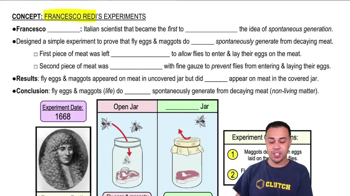
Francesco Redi's Experiments

  • Francesco Redi's Experiments
    05:16
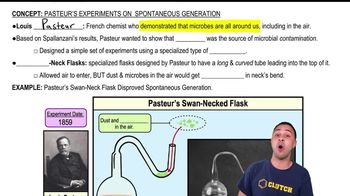
Pasteur's Experiments on Spontaneous Generation

  • Pasteur's Experiments on Spontaneous Generation
    03:50
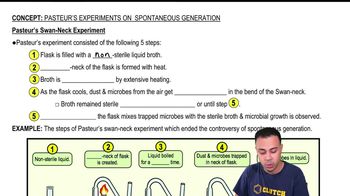
  • Pasteur’s Swan-Neck Experiment
    05:58

Importance of Microorganisms

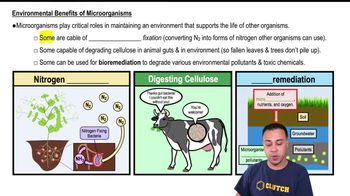
  • Environmental Benefits of Microorganisms
    04:27
  • Importance of Microorganisms
    01:25
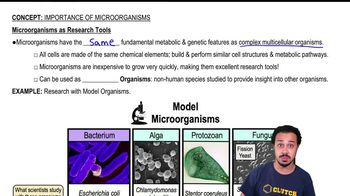
  • Microorganisms as Research Tools
    03:48

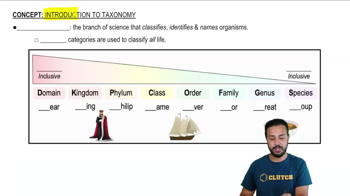
Introduction to Taxonomy

  • Introduction to Taxonomy Example 2
    01:37
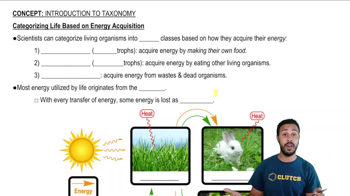
  • Categorizing Life Based on Energy Acquisition
    06:14
  • Introduction to Taxonomy
    02:23

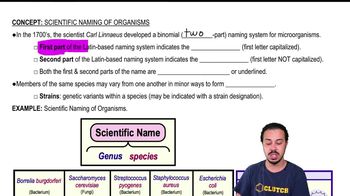
Scientific Naming of Organisms

  • Scientific Naming of Organisms
    05:22

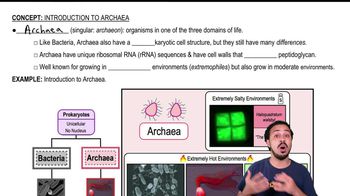
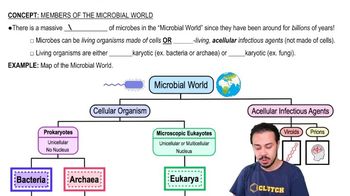
Introduction to Archaea

  • Introduction to Archaea
    04:39

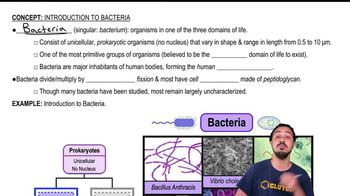
Introduction to Bacteria

  • Introduction to Bacteria
    06:18

Members of the Bacterial World

  • Members of the Bacterial World
    06:17

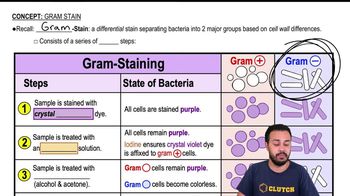
Gram Stain

  • Gram Stain
    04:57

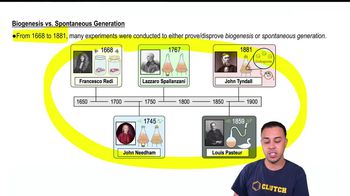
Introduction to Spontaneous Generation

  • Biogenesis vs. Spontaneous Generation
    02:05
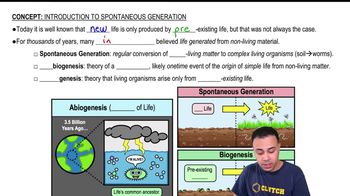
  • Introduction to Spontaneous Generation
    05:59

Introduction to Viruses

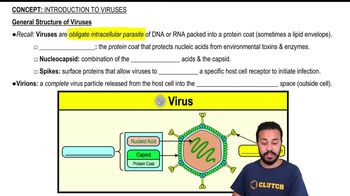
  • General Structure of Viruses
    04:47
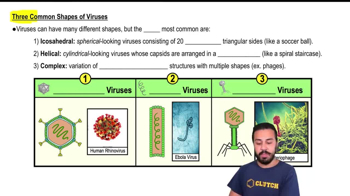
  • Three Common Shapes of Viruses
    03:19
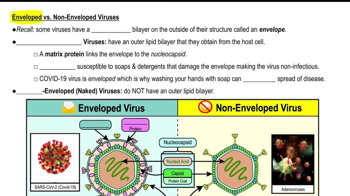
  • Enveloped vs. Non-Enveloped Viruses
    05:09

Viroids

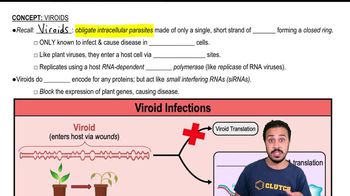
  • Viroids
    03:49

Prions

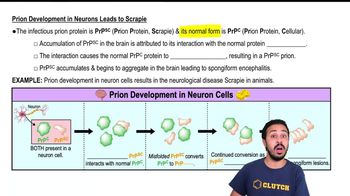
  • Prion Development in Neurons Leads to Scrapie
    04:00
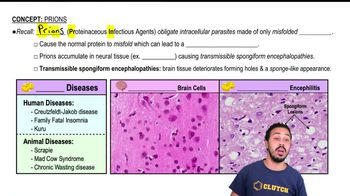
  • Prions
    03:05

Introduction to Chemical Bonding

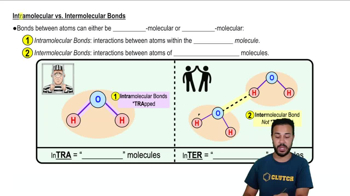
  • Intramolecular vs. Intermolecular Bonds
    04:01
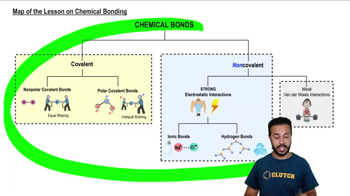
  • Map of the Lesson on Chemical Bonding
    02:42
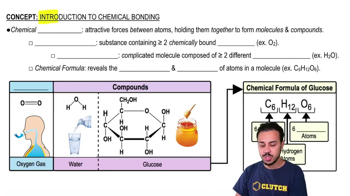
  • Introduction to Chemical Bonding
    06:53

Covalent Bonds

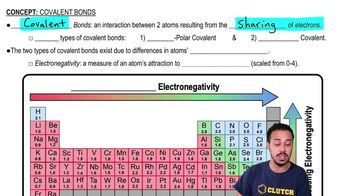
  • Covalent Bonds
    04:28
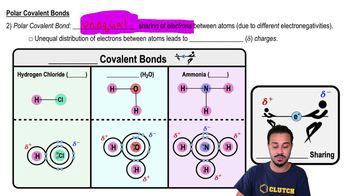
  • Polar Covalent Bonds
    06:51
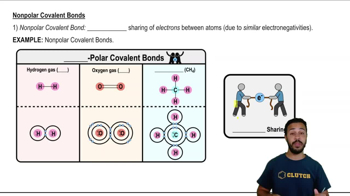
  • Nonpolar Covalent Bonds
    06:41

Ionic Bonding

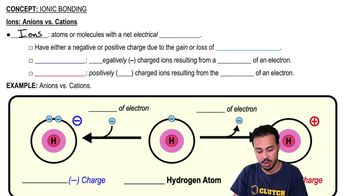
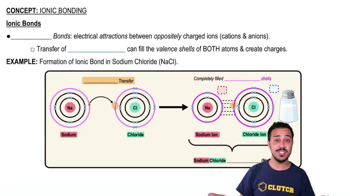
  • Ionic Bonding
    04:34
  • Ionic Bonds
    06:07

Hydrogen Bonding

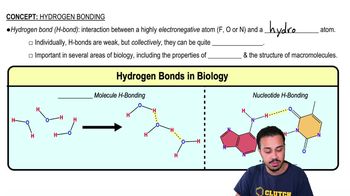
  • Hydrogen Bonding
    05:03

Proteins

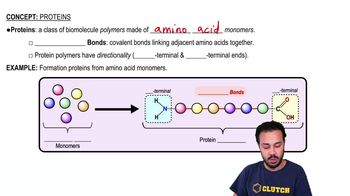
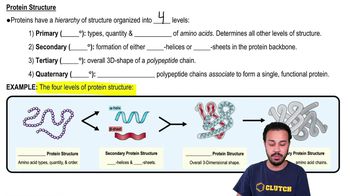
  • Protein Structure
    08:02
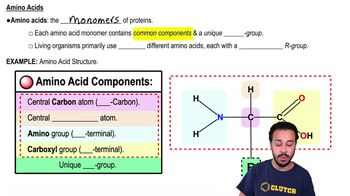
  • Amino Acids
    04:37
  • Proteins
    02:50

Enzymes

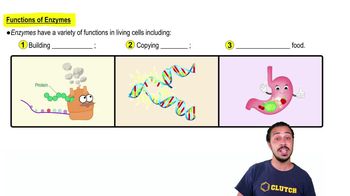
  • Functions of Enzymes
    02:32
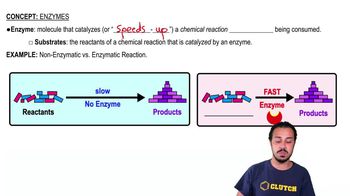
  • Enzymes Example 1
    02:25
  • Enzymes
    02:55

Enzyme Activation Energy

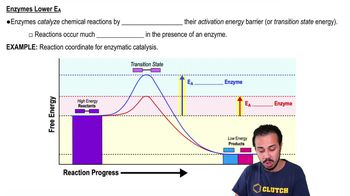
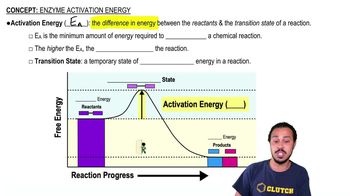
  • Enzyme Activation Energy
    04:18
  • Enzymes Lower EA
    03:26

Carbohydrates

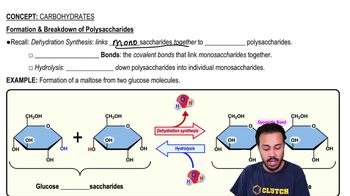
  • Formation & Breakdown of Polysaccharides
    03:08
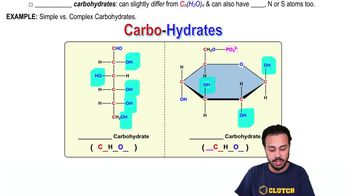
  • Carbohydrates
    04:53
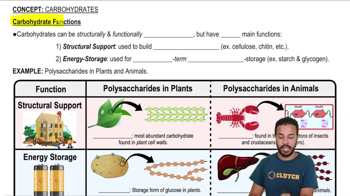
  • Carbohydrate Functions
    04:48

Nucleic Acids

  • Nucleic Acids Example 2
    01:05
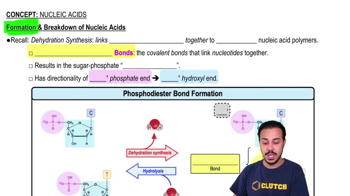
  • Formation & Breakdown of Nucleic Acids
    04:07
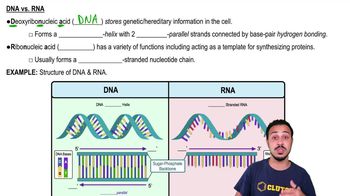
  • DNA vs. RNA
    05:57

Lipids

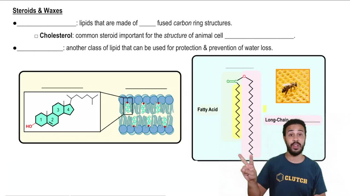
  • Steroids & Waxes
    03:31
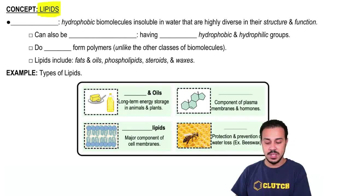
  • Lipids
    04:19
  • Fatty Acids
    06:59

Cell Envelope & Biological Membranes

  • Cell Envelope & Biological Membranes Example 1
    02:21
  • Biological Membranes
    02:10
  • Intro to Biological Membranes
    06:16
Bacterial & Eukaryotic Cell Membranes

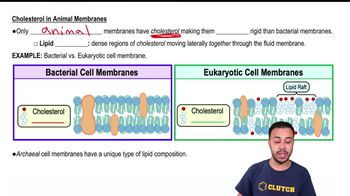
  • Cholesterol in Animal Membranes
    02:38
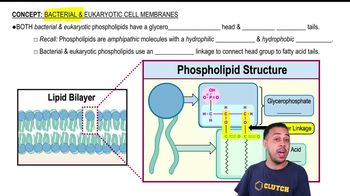
  • Bacterial & Eukaryotic Cell Membranes
    03:58

Osmosis

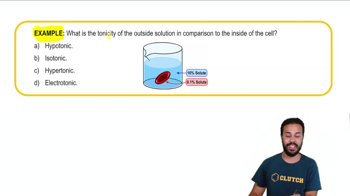
  • Osmosis Example 1
    02:18
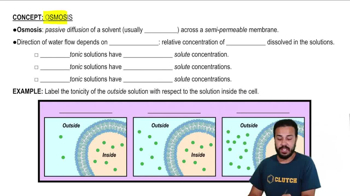
  • Osmosis
    05:59
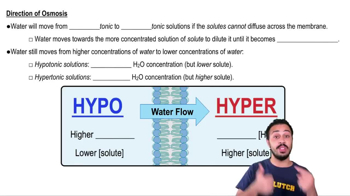
  • Direction of Osmosis
    06:48

Passive vs. Active Transport

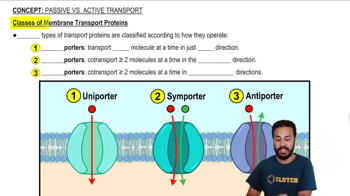
  • Classes of Membrane Transport Proteins
    03:41
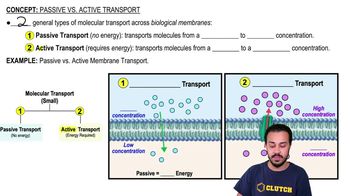
  • Passive vs. Active Transport
    05:05

Endocytosis and Exocytosis

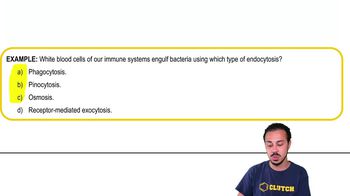
  • Endocytosis and Exocytosis Example 1
    01:52
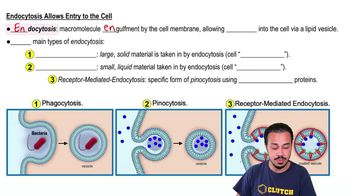
  • Endocytosis Allows Entry to the Cell
    04:17
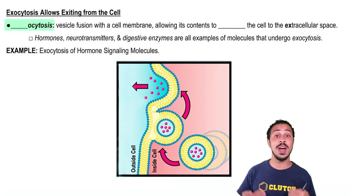
  • Exocytosis Allows Exiting from the Cell
    02:28

Phagoctytosis

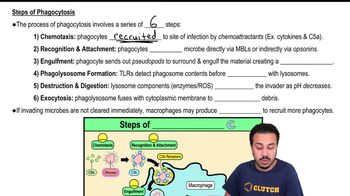
  • Steps of Phagocytosis
    08:57
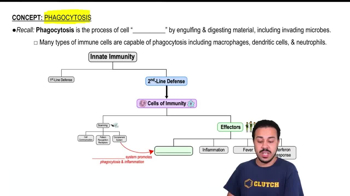
  • Phagoctytosis
    02:19

Gram-Positive Cell Walls

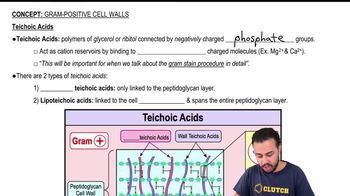
  • Teichoic Acids
    03:58
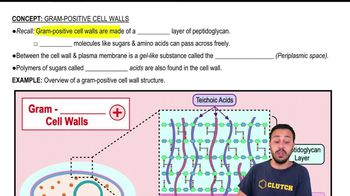
  • Gram-Positive Cell Walls
    02:59

Gram-Negative Cell Walls

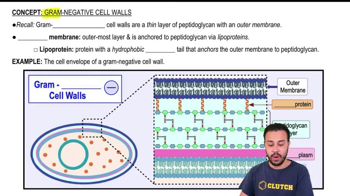
  • Gram-Negative Cell Walls
    3:04
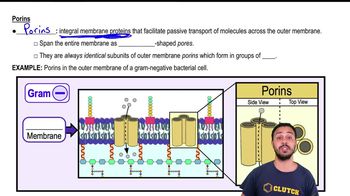
  • Porins
    02:18
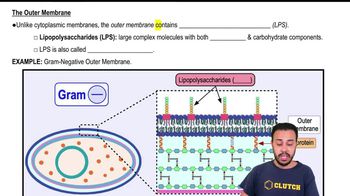
  • The Outer Membrane
    02:15

Gram-Positive vs. Gram-Negative Cell Walls

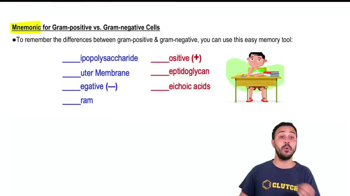
  • Mnemonic for Gram-Positive vs. Gram-Negative Cell Walls
    01:41
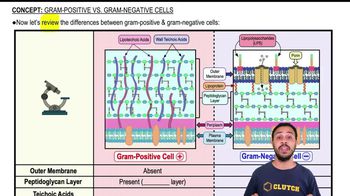
  • Gram-Positive vs. Gram-Negative Cell Walls
    04:46
Endospores

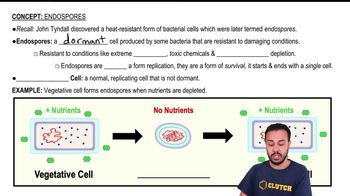
  • Endospores
    05:35
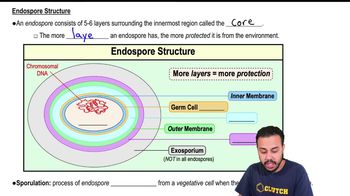
  • Endospore Structure
    03:08

Introduction to Eukaryotic Organelles

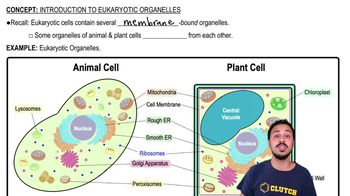
  • Introduction to Eukaryotic Organelles
    03:45
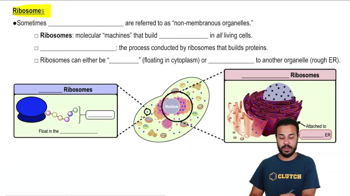
  • Eukaryotic Ribosomes
    05:51
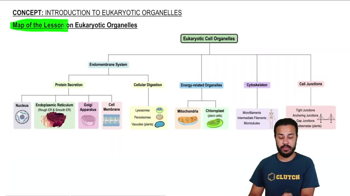
  • Map of the Lesson on Eukaryotic Organelles
    02:04