 Back
BackBiofilms: Structure, Function, and Clinical Importance
Study Guide - Smart Notes
 Tailored notes based on your materials, expanded with key definitions, examples, and context.
Biofilms
Definition and Structure of Biofilms
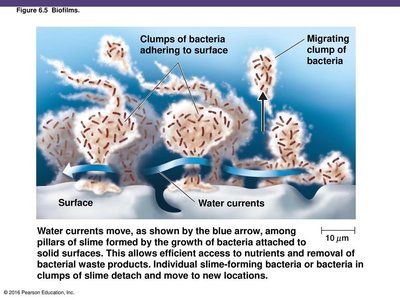
Biofilms are complex communities of microorganisms that adhere to surfaces and are embedded within a self-produced matrix of extracellular polymeric substances (EPS). These structures are fundamental to microbial life in natural, industrial, and clinical environments.
Biofilm: An aggregate of microorganisms in which cells stick to each other and/or to a surface.
Extracellular Polymeric Substance (EPS): The matrix, often called "slime," is composed of DNA, proteins, and polysaccharides produced by the microbes themselves.
Microbiome: Biofilms often consist of multiple microbial species, including bacteria and fungi, forming a complex community.
Environmental Occurrence: Biofilms are found on any surface exposed to moisture, including natural aquatic systems, industrial pipelines, and medical devices.
Floating Biofilms: Biofilms can also form at air-liquid interfaces, visible as pellicles in liquid culture media.
Formation and Growth of Biofilms
The development of a biofilm is a dynamic process involving initial attachment, maturation, and eventual dispersal of cells.
Attachment: Microbes adhere to a surface and begin producing EPS.
Maturation: The biofilm grows as more cells join and EPS accumulates, forming complex structures with channels and pillars.
Dispersal: Portions of the biofilm can detach, allowing microbes to colonize new surfaces.
Heterogeneity: Multiple species can coexist within a single biofilm, contributing to its resilience and adaptability.
Quorum Sensing and Biofilm Regulation
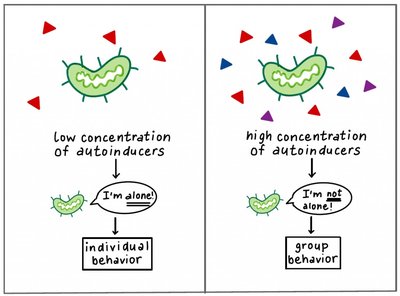
Quorum sensing is a cell-to-cell communication mechanism that enables bacteria to coordinate gene expression based on population density. This process is crucial for biofilm development and maintenance.
Inducers: Bacteria produce and secrete signaling molecules called inducers (autoinducers).
Gene Regulation: As the concentration of inducers increases with cell density, gene expression changes, often leading to increased EPS production and biofilm formation.
Group Behavior: Quorum sensing allows bacteria to behave collectively, optimizing resource use and defense mechanisms.
Biofilms in Clinical Medicine
Biofilms have significant implications in healthcare due to their role in persistent infections and resistance to treatment.
Chronic Infections: Pseudomonas aeruginosa forms biofilms in the lungs of cystic fibrosis patients, leading to chronic infection.
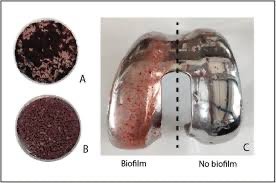
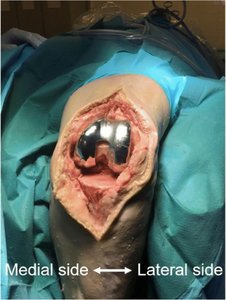
Medical Devices: Biofilms can develop on catheters, prostheses, and other implanted devices, increasing the risk of infection and complicating treatment.
Antibiotic Resistance: Microbes within biofilms are more resistant to antibiotics and immune responses compared to planktonic (free-living) cells.
Dental Plaque: Biofilms are responsible for dental plaque, contributing to cavities and periodontal disease.
Laboratory Demonstration of Biofilm Growth
Biofilm formation can be demonstrated in the laboratory using simple materials and staining techniques.
Materials: Microscope slides, Copeland jar or beaker, hay infusion, and staining reagents.
Environmental Method: Slides are placed in a natural water source to allow biofilm formation.
Laboratory Method: Slides are incubated in hay infusion to promote biofilm growth.
Observation: Slides are periodically removed, air-dried, heat-fixed, and stained with methylene blue for microscopic examination.

Summary Table: Key Features of Biofilms
Feature | Description |
|---|---|
Structure | Microbial cells embedded in EPS matrix |
Formation | Attachment, maturation, dispersal |
Quorum Sensing | Cell-to-cell communication regulating gene expression |
Clinical Importance | Chronic infections, device-related infections, antibiotic resistance |
Laboratory Study | Slide incubation, staining, microscopic observation |
Additional info:
Biofilms are a major focus in microbiology due to their impact on health, industry, and the environment.
Understanding biofilm formation and control is essential for developing new antimicrobial strategies and improving clinical outcomes.
