 Back
BackBiotechnology and DNA Technology: Microbiology Study Guide
Study Guide - Smart Notes
 Tailored notes based on your materials, expanded with key definitions, examples, and context.
Biotechnology and DNA Technology
Introduction to Biotechnology
Biotechnology is the use of microorganisms, cells, or cell components to produce useful products such as foods, antibiotics, vitamins, and enzymes. Recombinant DNA (rDNA) technology involves the insertion or modification of genes to produce desired proteins, enabling the creation of genetically modified organisms for various applications.
Biotechnology: Utilizes living systems for product development.
Genetic modification: Alters genetic material for improved traits.
Recombinant DNA technology: Combines DNA from different sources to produce new genetic combinations.
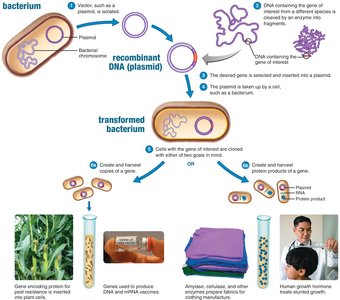
Recombinant DNA Procedures
Recombinant DNA procedures involve the use of vectors to transport foreign DNA into cells, which are then grown in culture to form clones. These clones can be used to harvest genes or express proteins.
Vector: Self-replicating DNA molecule (e.g., plasmid or viral genome) used to carry foreign DNA.
Clone: Population of genetically identical cells, each carrying the vector.
Applications: Production of human growth hormone (hGH) in E. coli.
Restriction Enzymes and rDNA Technology
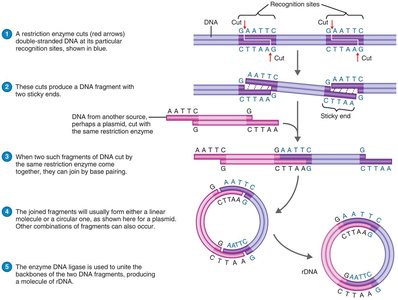
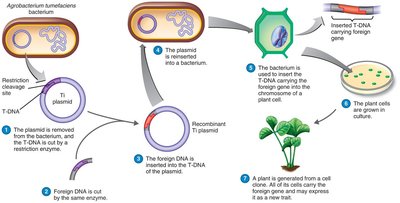
Restriction enzymes are bacterial enzymes that cut DNA at specific sequences, creating fragments with blunt or sticky ends. These fragments can be joined with DNA ligase to form recombinant DNA.
Restriction enzymes: Cut DNA at specific recognition sites.
Sticky ends: Overhanging sequences that facilitate joining of DNA fragments.
DNA ligase: Enzyme that seals the backbone of joined DNA fragments.
Vectors in Genetic Engineering
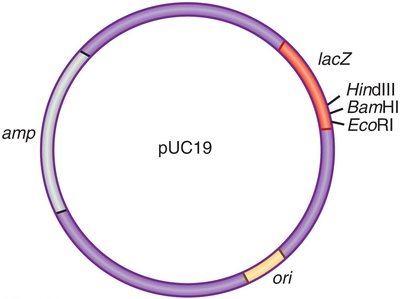
Vectors are essential for carrying new DNA into cells. They must be able to self-replicate and are often plasmids or viruses. Shuttle vectors can move cloned sequences among different organisms.
Plasmids: Circular DNA molecules used as vectors.
Viral vectors: Viruses engineered to carry foreign DNA.
Shuttle vectors: Operate in multiple species.
Polymerase Chain Reaction (PCR)
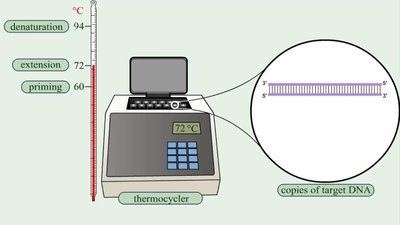
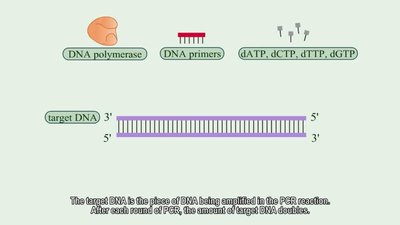
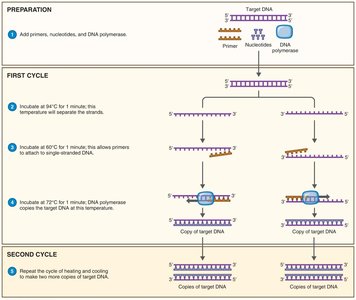
PCR is a technique used to amplify small quantities of DNA, making billions of copies within hours. It is used for diagnostics, genetic disease detection, and pathogen identification.
Primers: Short DNA sequences that initiate replication.
DNA polymerase: Enzyme that synthesizes new DNA strands.
Thermal cycling: Alternates temperatures for denaturation, annealing, and extension.
Inserting Foreign DNA Into Cells
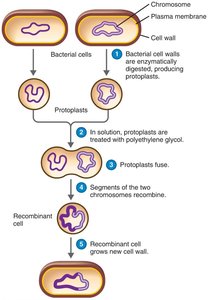
Several methods exist for introducing foreign DNA into cells, including transformation, electroporation, protoplast fusion, gene gun, and microinjection.
Transformation: Uptake of DNA from the environment.
Electroporation: Electrical current creates membrane pores.
Protoplast fusion: Fusion of cells without cell walls.
Gene gun: Shoots DNA-coated particles into cells.
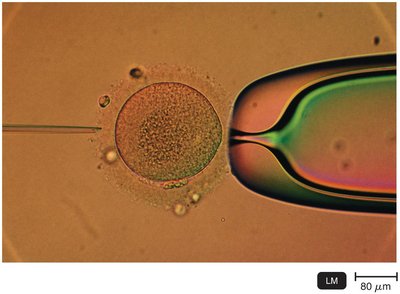
Microinjection: Direct injection of DNA into cells.
Genomic Libraries and cDNA
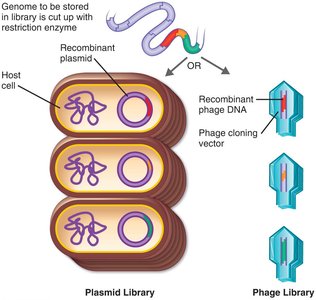
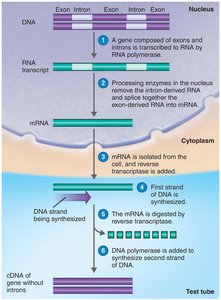
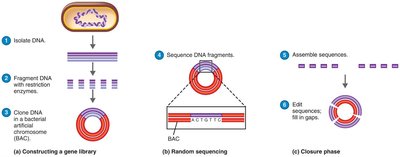
Genomic libraries are collections of clones containing different DNA fragments. Complementary DNA (cDNA) is synthesized from mRNA and is used to obtain eukaryotic genes without introns.
Genomic library: Contains clones for every gene in an organism.
cDNA: Synthesized from mRNA, lacks introns.
Synthetic DNA: Created in vitro using DNA synthesis machines.
Selecting and Identifying Recombinant Clones
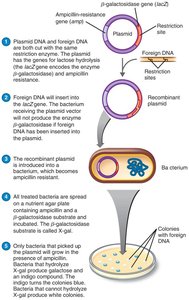
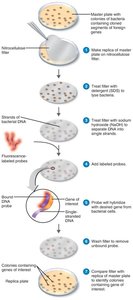
Blue-white screening and colony hybridization are methods used to identify recombinant clones. Blue-white screening uses plasmids with ampicillin resistance and lacZ gene, while colony hybridization uses labeled DNA probes.
Blue-white screening: Differentiates recombinant from non-recombinant colonies.
Colony hybridization: Uses DNA probes to identify clones with specific genes.
Making a Gene Product
Different cell types are used to produce gene products, each with advantages and disadvantages. E. coli is commonly used but may produce endotoxins. Yeast, plant, and mammalian cells are also used for expressing eukaryotic genes.
E. coli: Easy to grow, known genomics, but produces endotoxins.
Saccharomyces cerevisiae: Expresses eukaryotic genes, secretes products.
Plant cells: Large-scale, low-cost production.
Mammalian cells: Medical products, harder to grow.
Applications of DNA Technology
DNA technology has numerous applications, including therapeutic uses, gene silencing, genome projects, scientific applications, forensic microbiology, nanotechnology, and agricultural improvements.
Therapeutic applications: Production of human enzymes, vaccines, gene therapy, and gene editing (CRISPR).
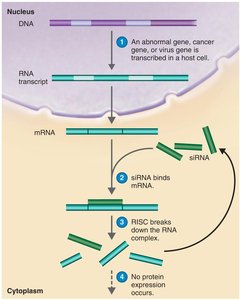
Gene silencing: Uses siRNA and RNA interference (RNAi) to prevent expression of specific genes.
Genome projects: Sequencing of genomes, shotgun sequencing, metagenomics, proteomics.
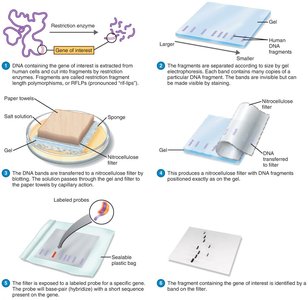
Scientific applications: Bioinformatics, Southern blotting, genetic testing.
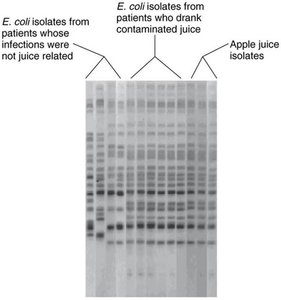
Forensic microbiology: DNA fingerprinting, PCR microarrays, microbial forensics.
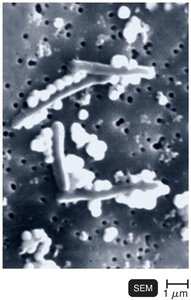
Nanotechnology: Bacteria produce nanospheres for drug delivery.
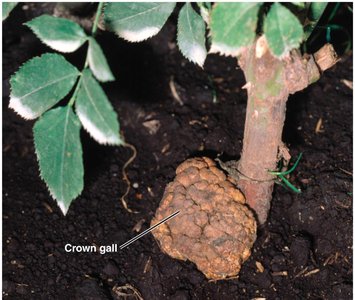
Agricultural applications: rDNA techniques for plant breeding, pest resistance, improved nutrition.
Safety Issues and Ethics
Genetic modification techniques offer many advantages but also raise safety and ethical concerns. It is impossible to guarantee safety under all conditions, and issues such as accidental release, food safety, and access to genetic information must be considered.
Advantages: Improved traits, medical advances, agricultural productivity.
Problems: Environmental risks, ethical concerns, privacy issues.
Key Terms and Concepts
Clone: Genetically identical cells from a single parent cell.
Vector: DNA molecule used to transport foreign DNA.
Restriction enzyme: Enzyme that cuts DNA at specific sequences.
DNA ligase: Enzyme that joins DNA fragments.
PCR: Technique to amplify DNA.
cDNA: DNA synthesized from mRNA.
siRNA: Small interfering RNA used in gene silencing.
Southern blotting: Method to detect specific DNA sequences.
DNA fingerprinting: Identifies individuals or pathogens based on DNA patterns.
Ti plasmid: Vector used for plant genetic modification.
Selected Restriction Enzymes Table
Enzyme | Bacterial Source | Recognition Sequence |
|---|---|---|
BamHI | Bacillus amyloliquefaciens | G\arrow GATCC / CCTAG\arrow G |
EcoRI | Escherichia coli | G\arrow AATTC / CTTA\arrow G |
HaeIII | Haemophilus aegyptius | GG\arrow CC / CC\arrow GG |
HindIII | Haemophilus influenzae | A\arrow AGCTT / TTCGA\arrow A |
Pharmaceutical Products of rDNA Table
Product | Comments |
|---|---|
Cervical Cancer Vaccine | Produced by Saccharomyces cerevisiae or insect cells |
Epidermal Growth Factor (EGF) | Produced by E. coli |
Erythropoietin (EPO) | Produced by mammalian cell culture |
Interferon (IFN-alpha, beta, gamma) | Produced by E. coli, yeast, or mammalian cells |
Hepatitis B Vaccine | Produced by yeast carrying hepatitis-virus gene |
Human Growth Hormone (hGH) | Produced by E. coli |
Human Insulin | Produced by E. coli |
Influenza Vaccine | Produced by E. coli or yeast |
Interleukins | Produced by E. coli |
Orthoclone OKT3 | Produced by mouse cells |
Pulmozyme (rhDNase) | Produced by mammalian cell culture |
Relaxin | Produced by E. coli |
Superoxide Dismutase (SOD) | Produced by yeast |
Taxol | Produced in E. coli |
Tissue Plasminogen Activator | Produced by mammalian cell culture |
Tumor Necrosis Factor (TNF) | Produced by E. coli |
Agriculturally Important Products Table
Product | Comments |
|---|---|
Button mushroom (Agaricus bisporus) | Gene for polyphenyl oxidase deleted |
Bt cotton and Bt corn | Toxin-producing gene from Bacillus thuringiensis |
Genetically modified tomatoes, raspberries | Antisense gene blocks pectin degradation |
Pseudomonas syringae, ice-minus bacterium | Lacks protein for ice formation |
RoundUp-resistant crops | Bacterial gene for herbicide resistance |
Aedes aegypti | Gene causes larvae to die |
Atlantic salmon | Grow faster with gene from Chinook salmon |
GloFish® | Fluorescent color-protein genes from marine invertebrates |
Key Equations and Formulas
PCR amplification: (where is the number of DNA copies, is the initial number, and is the number of cycles)
Summary
This study guide covers the essential concepts, tools, and applications of biotechnology and DNA technology in microbiology, including recombinant DNA procedures, restriction enzymes, vectors, PCR, methods for inserting DNA, genomic libraries, clone selection, gene product production, and the ethical considerations of genetic modification.
