 Back
BackChapter 1: A Brief History of Microbiology
Study Guide - Smart Notes
 Tailored notes based on your materials, expanded with key definitions, examples, and context.
Chapter 1: A Brief History of Microbiology
What Does Life Really Look Like?
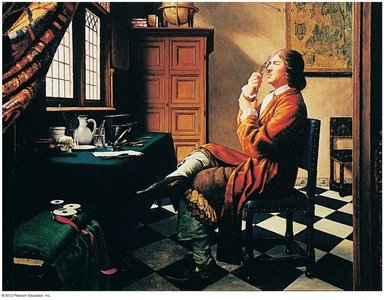
The origins of microbiology trace back to the pioneering work of Anton van Leeuwenhoek, who constructed simple microscopes and was the first to observe and document microscopic life forms. His meticulous records and drawings provided the foundation for the study of microorganisms.
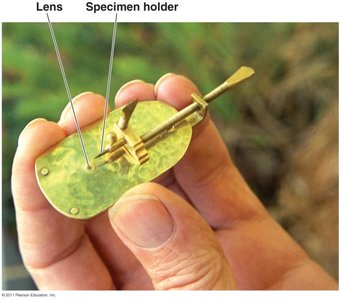
Anton van Leeuwenhoek: Dutch scientist who made microscopes with magnifications up to 275X.
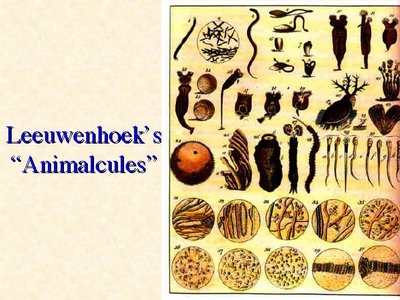
Microscopic Observations: He visualized tiny animals, fungi, algae, protozoa, and bacteria, which he called "animalcules."
Scientific Documentation: Leeuwenhoek kept detailed drawings of his observations, advancing the understanding of microbial life.
Microscope Design: His microscopes were simple, often constructed for each specimen.
Impact: His discoveries revealed the existence of a previously unseen world of microorganisms.
How Can Microbes Be Classified?
Microorganisms were first systematically classified by Carolus Linnaeus, who developed a taxonomic system to group similar organisms. Leeuwenhoek's observations led to the identification of six major categories of microorganisms.
Taxonomic System: Developed by Linnaeus to organize living organisms based on shared characteristics.
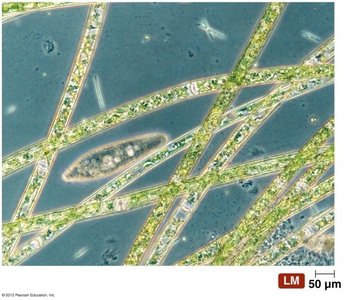
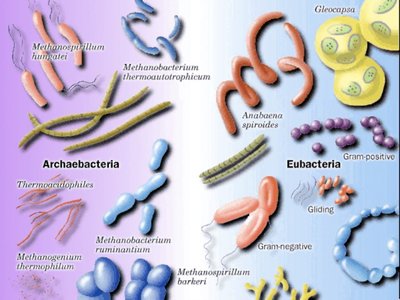
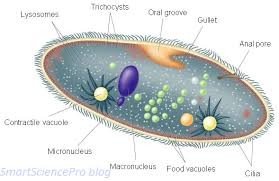
Six Categories: Bacteria, Archaea, Fungi, Protozoa, Algae, and small multicellular animals.
Bacteria and Archaea: Both are unicellular and lack nuclei, but differ in cell wall composition.
Bacteria: Cell walls contain peptidoglycan.
Archaea: Cell walls composed of polymers other than peptidoglycan.
The Early Years of Microbiology
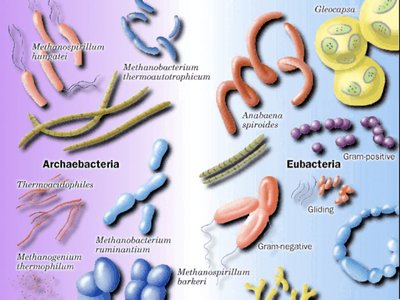
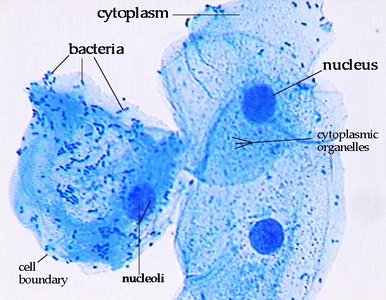
The study of bacteria and archaea revealed their unique characteristics and reproductive methods. These discoveries laid the groundwork for understanding microbial diversity and classification.
Unicellular Organisms: Bacteria and archaea are single-celled and reproduce asexually.
Cell Wall Differences: Bacteria have peptidoglycan; archaea have other polymers.
Size: Both are much smaller than eukaryotes.
Flawed Theory: Spontaneous Generation
Spontaneous generation was the belief that life could arise from nonliving matter. This theory was widely accepted until scientific experiments disproved it.
Spontaneous Generation: Proposed by Aristotle, suggesting life could originate from nonliving materials.
Examples: Recipes for creating mice from cheese and bread, salamanders from fire, and amphibians from wet soil.
Scientific Method: Observation, hypothesis, experimentation, and conclusion were used to test and ultimately reject spontaneous generation.
Disproving Spontaneous Generation Theory
Experiments by Redi, Spallanzani, and Pasteur provided evidence against spontaneous generation, demonstrating that life does not arise from nonliving matter without contamination.
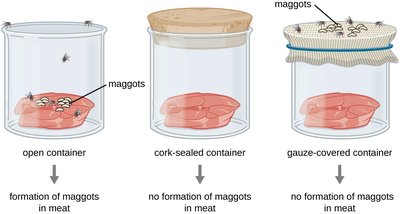
Francesco Redi: Showed that maggots only appeared in meat exposed to flies, not in isolated meat.
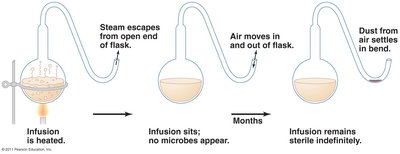
Spallanzani: Demonstrated that boiled and sealed broth did not develop microbes unless exposed to air.
Pasteur's Swan Neck Flask: Proved that microbial growth only occurred when dust entered the flask, not spontaneously.
The Golden Age of Microbiology
This era was marked by major discoveries addressing fundamental questions about microbial life, fermentation, disease causation, and infection prevention.
Key Questions: Is spontaneous generation possible? What causes fermentation? What causes disease? How can infection and disease be prevented?
Fermentation: Pasteur's experiments showed that yeasts ferment grape juice into alcohol, while bacteria produce acids.
Scientific Method Application: Observation, hypothesis, experimentation, and conclusion were used to solve fermentation mysteries.
Koch Proved the Germ Theory of Disease
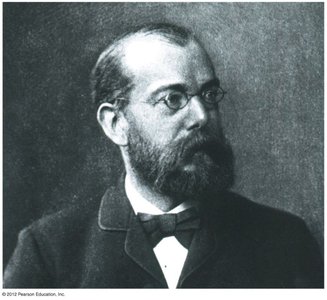
Robert Koch's experiments established the link between specific microbes and specific diseases, forming the basis of the germ theory of disease.
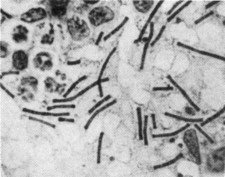
Anthrax Experiment: Koch inoculated mice with blood from infected sheep, demonstrating transmission of disease.
Microscopic Evidence: Rod-shaped bacteria were observed in diseased tissues.
Koch's Postulates: Criteria for linking a microbe to a disease:
Suspected agent found in every case of disease, absent from healthy hosts.
Agent must be isolated and grown outside the host.
Agent introduced into healthy host must cause disease.
Same agent must be found in the newly diseased host.
Koch’s Contributions
Koch made numerous advances in microbiological techniques and understanding, including staining, culturing, and identifying bacteria as distinct species.
Staining Techniques: Developed methods for visualizing bacteria.
Photomicrography: First photographs of bacteria and diseased tissue.
Culture Methods: Use of steam, Petri dishes, and transfer techniques.
Germ Theory: Demonstrated that bacteria cause disease.
Preventing Infection and Disease
Several scientists contributed to the development of methods for infection control, antiseptic techniques, and immunology.
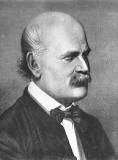
Semmelweis: Advocated handwashing to prevent puerperal fever.
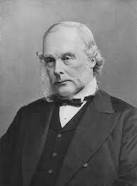
Lister: Introduced antiseptic surgery using carbolic acid, reducing infections.
Nightingale: Improved sanitary conditions in hospitals, founding modern nursing.
Snow: Traced cholera outbreaks to contaminated water, founding epidemiology.
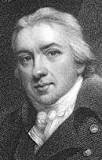
Jenner: Developed the smallpox vaccine, pioneering immunology.
Ehrlich: Discovered "magic bullets" for chemotherapy, developed staining techniques, and contributed to antiserum development.
Scientist | Contribution | Field |
|---|---|---|
Anton van Leeuwenhoek | Microscopy, discovery of microorganisms | Microbiology |
Carolus Linnaeus | Taxonomic classification | Systematics |
Francesco Redi | Disproved spontaneous generation | Experimental Biology |
Louis Pasteur | Disproved spontaneous generation, fermentation, vaccination | Microbiology, Immunology |
Robert Koch | Germ theory, Koch's postulates | Microbiology, Pathology |
Ignaz Semmelweis | Handwashing, infection control | Medicine |
Joseph Lister | Antiseptic surgery | Surgery |
Florence Nightingale | Sanitary nursing | Nursing |
John Snow | Epidemiology, cholera outbreak tracing | Epidemiology |
Edward Jenner | Smallpox vaccine | Immunology |
Paul Ehrlich | Chemotherapy, staining techniques | Microbiology, Medicine |
Additional info: The scientific method, as applied by Pasteur and others, is fundamental to modern experimental biology. Koch's postulates remain a cornerstone for identifying causative agents of infectious diseases. The transition from spontaneous generation to germ theory marked a paradigm shift in understanding disease and infection.
