 Back
Chapter 1 – Concepts of Microbiology: Foundations, Roles, and Human Uses
Study Guide - Smart Notes
 Tailored notes based on your materials, expanded with key definitions, examples, and context.
Introduction to Microbiology
Definition of Microbiology
Microbiology is the scientific study of organisms that are too small to be seen without magnification, such as bacteria, viruses, fungi, protozoa, and algae. These microorganisms are fundamental to life on Earth, influencing ecosystems, human health, and industry.
Microorganisms include bacteria, archaea, viruses, fungi, protozoa, and some algae.
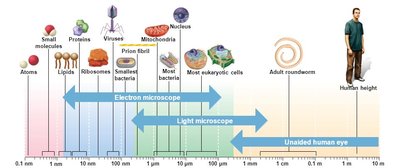
They are studied using microscopes due to their small size, typically ranging from nanometers to a few micrometers.
Microbiology explores their structure, function, genetics, ecology, and roles in disease and biotechnology.
Scope of Microbiology
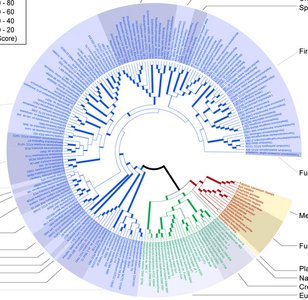
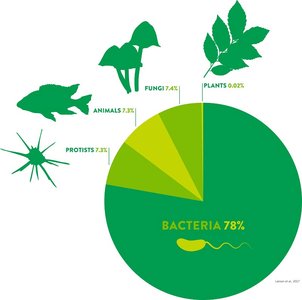
Microbiology encompasses the study of most life forms on Earth, as the majority of biodiversity is microbial. Microbes are the oldest life forms and are essential to the functioning of all ecosystems.
Microbes are found in every environment, from deep oceans to the atmosphere.
They play critical roles in nutrient cycling, oxygen production, and as the foundation of food webs.
Microbes as the Oldest Life Forms
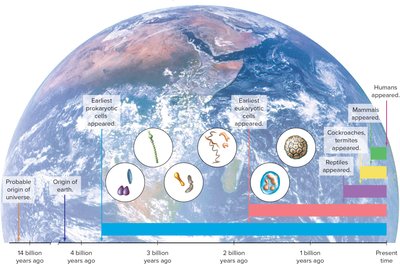
Microorganisms were the first life forms to appear on Earth, predating plants and animals by billions of years. Their evolution set the stage for the development of complex life.
Earliest prokaryotic cells appeared over 3.5 billion years ago.
Microbes have adapted to extreme environments and have driven major evolutionary transitions.
Roles of Microbes in Ecosystems
Microbes and Plant Life
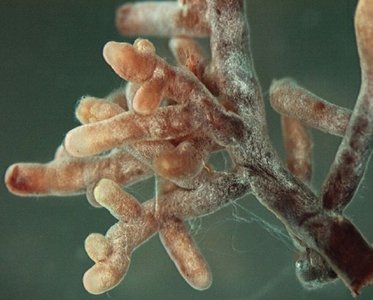
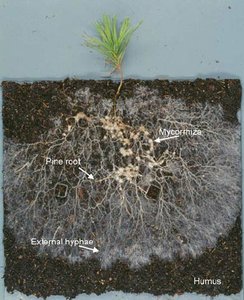
Microorganisms are fundamental to plant life, particularly through symbiotic relationships such as mycorrhizae. Over 90% of plants associate with mycorrhizal fungi, which enhance water and mineral absorption.
Mycorrhizal fungi form mutualistic associations with plant roots, increasing nutrient uptake.
These relationships are essential for plant health and ecosystem productivity.
Microbes and Animal Life
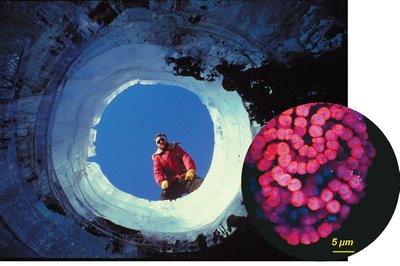
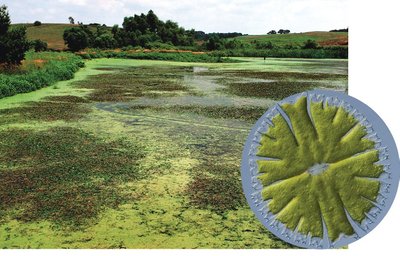
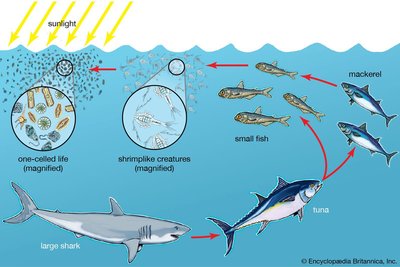
Photosynthetic and chemolithotrophic microbes create nutrients using energy from the sun or inorganic minerals. These nutrients enter food webs, supporting animal life at all trophic levels.
Photosynthetic microbes (e.g., cyanobacteria, algae) produce organic matter and oxygen.
Chemolithotrophs obtain energy by oxidizing inorganic substances, supporting unique ecosystems (e.g., deep-sea vents).
Microbes and Ecosystem Function
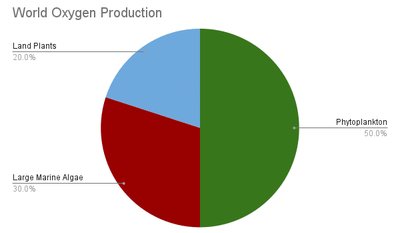
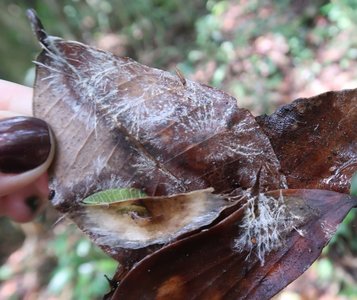
Microbes are essential for ecosystem function, including oxygen production and decomposition. Photosynthetic microbes produce most of the world’s oxygen, while saprophytic microbes recycle nutrients by decomposing organic matter.
Phytoplankton and algae contribute significantly to global oxygen production.
Saprophytes (decomposers) break down dead material, returning nutrients to the environment.
Historical Foundations of Microbiology
Invention of the Microscope
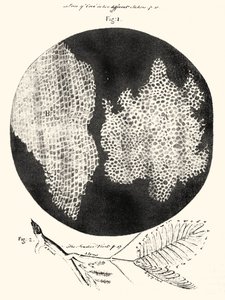
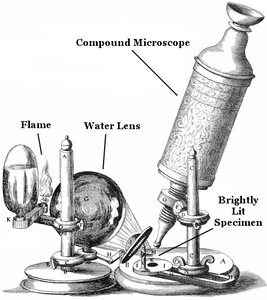
The development of the microscope was pivotal in the discovery of microorganisms. Robert Hooke and Antonie van Leeuwenhoek are credited with early observations of cells and microbes.
Robert Hooke (1665): Observed plant cells in cork and published Micrographia.
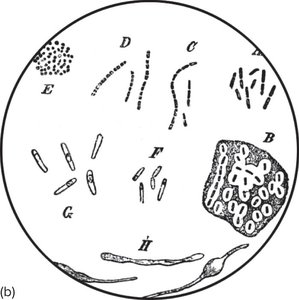
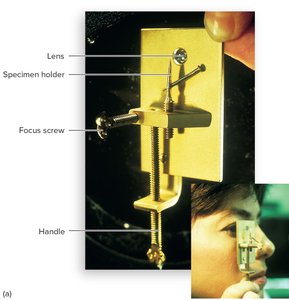
Antonie van Leeuwenhoek: Used a single-lens microscope to observe living cells, including bacteria and sperm.
Theories of Life’s Origin: Spontaneous Generation vs. Biogenesis
Before the microscope, the theory of spontaneous generation proposed that life could arise from nonliving matter. The theory of biogenesis, supported by later experiments, stated that life arises only from pre-existing life.
Spontaneous Generation: Life forms spontaneously from nonliving material (disproven).
Biogenesis: Life arises from existing living organisms (proven by Pasteur).
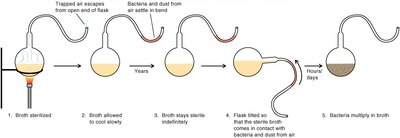
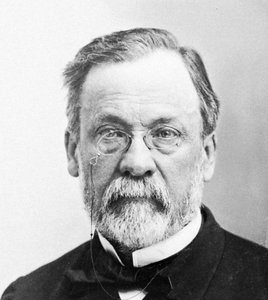
Key Experiment: Louis Pasteur’s swan-neck flask experiment demonstrated that sterile broth remains free of microbes unless exposed to contaminated air.
Germ Theory of Disease
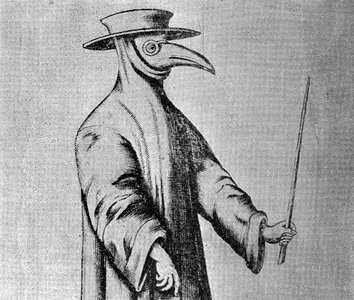
The germ theory proposed that specific diseases are caused by specific microorganisms. This replaced the miasma theory, which attributed disease to foul odors or evil spirits.
Robert Koch established experimental steps (Koch’s postulates) to prove microbial causation of disease.
Miasma Theory: Illness caused by 'bad air' or evil spirits (disproven).
Aseptic Technique
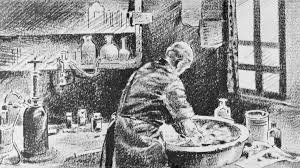
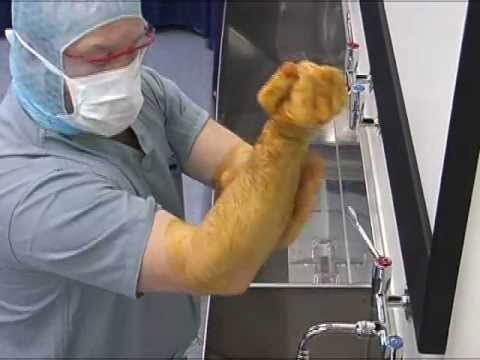
Aseptic techniques were developed to prevent contamination and infection. Ignaz Semmelweis and Joseph Lister were pioneers in promoting handwashing and disinfection in medical settings.
Ignaz Semmelweis: Advocated handwashing in maternity wards, reducing childbed fever.
Joseph Lister: Introduced disinfecting hands and surgical instruments, reducing infections.
Vaccine Theory
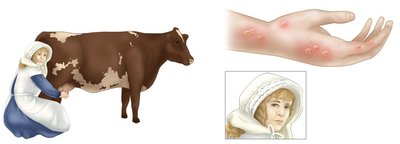
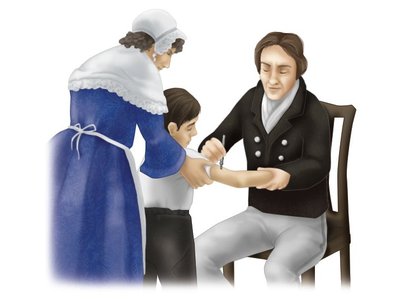
Edward Jenner is credited with the first successful use of an attenuated vaccine. He observed that milkmaids exposed to cowpox were protected from smallpox and tested this hypothesis experimentally.
Edward Jenner: Developed the first smallpox vaccine using cowpox material.
This laid the foundation for immunology and modern vaccines.
Discovery of Antibiotics and Modern Microbiology
Alexander Fleming discovered penicillin in 1928, marking the beginning of modern chemotherapy. Advances in genetics, genomics, and biotechnology have since revolutionized microbiology.
Penicillin: The first antibiotic, derived from the fungus Penicillium.
Modern microbiology includes genetic engineering, genomics, and biotechnology applications.
Human Uses of Microorganisms
Biotechnology
Biotechnology involves the use of living organisms to produce foods, medicines, and industrial products. Microbes are essential for fermentation, enzyme production, and the synthesis of pharmaceuticals.
Examples: Production of antibiotics, vaccines, and fermented foods (e.g., yogurt, cheese).
Genetic Engineering
Genetic engineering manipulates the genes of organisms to create new products or improve existing ones. Bacteria are commonly used to produce human proteins, such as insulin.
Example: Recombinant Escherichia coli producing human insulin for diabetes treatment.
Renewable Energy
Microalgae and other microbes are used to produce renewable energy sources, such as biodiesel and bioethanol. This field combines phycology (study of algae) and microbial ecology.
Example: Using microalgae to produce oil and biodiesel as alternatives to fossil fuels.
Bioremediation
Bioremediation uses living organisms, especially bacteria, to clean up environmental pollutants, such as oil spills and toxic waste.
Example: Bacterial treatment to remove crude oil during environmental disasters.
Infectious Disease
Definition and Impact
An infectious disease is caused by a microorganism and can be transmitted from host to host. Infectious diseases are a major burden to human and wildlife populations worldwide.
Examples: Influenza, tuberculosis, malaria, and COVID-19.
Summary Table: Key Historical Figures and Concepts
Concept/Figure | Contribution |
|---|---|
Robert Hooke | First observed plant cells; published Micrographia |
Antonie van Leeuwenhoek | First to observe living microbes (bacteria, sperm) |
Louis Pasteur | Disproved spontaneous generation; developed pasteurization |
Robert Koch | Established germ theory and Koch’s postulates |
Ignaz Semmelweis | Promoted handwashing to prevent infection |
Joseph Lister | Introduced antiseptic surgery |
Edward Jenner | Developed first vaccine (smallpox) |
Alexander Fleming | Discovered penicillin |
Review Questions
Name the people credited with inventing the microscope and those credited with instituting aseptic technique.
Compare and contrast the Theory of Spontaneous Generation vs. Theory of Biogenesis. Explain how each was disproven or proven.
Describe Germ Theory.
Describe three main roles of microbes in ecosystems.
Explain three human uses of microbes.
