 Back
BackChapter 1: Introduction to Microbiology – Structured Study Notes
Study Guide - Smart Notes
 Tailored notes based on your materials, expanded with key definitions, examples, and context.
Introduction to Microbiology
Definition and Scope of Microbiology
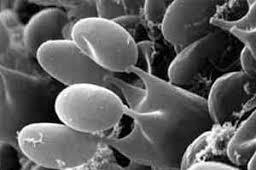
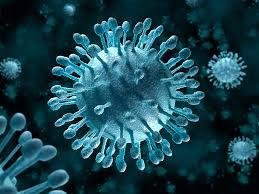
Microbiology is the study of microorganisms, which are living organisms such as bacteria, archaea, fungi, protists, and helminths, as well as nonliving/non-cellular entities like viruses and prions. Microbes are found everywhere on Earth and play essential roles in environmental, industrial, and health-related processes.
Microorganisms (Microbes): Include both cellular (living) and acellular (nonliving) entities.
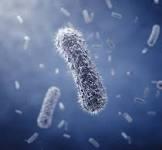
Examples: Staphylococcus aureus (bacteria), Thermococcus litoralis (archaea), Amoeba (protist), Penicillium (fungus), roundworms (helminths), hepatitis C virus, prions causing Creutzfeldt-Jakob Disease.
Classification: Microbes are classified based on cell type, morphology, and genetic sequence similarity.
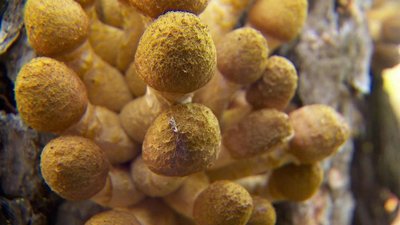
Microbes: Abundance and Ubiquity
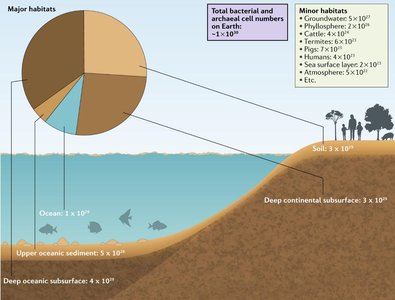
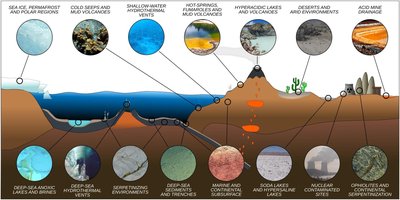
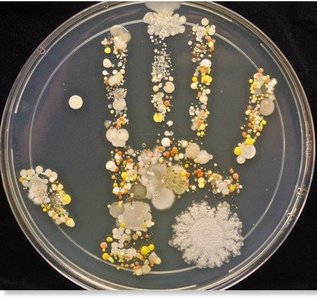
Microbes are the most abundant organisms on Earth, inhabiting diverse environments including soil, oceans, and extreme locations such as hot springs and deep-sea vents. Their presence is critical for ecosystem functioning and biogeochemical cycles.
Major Habitats: Ocean, soil, deep continental subsurface, upper oceanic sediment.
Minor Habitats: Groundwater, phyllosphere, cattle, termites, humans, atmosphere.
Microbes in Extreme Environments
Microbes are ubiquitous and can be found in extreme environments such as deep-sea hydrothermal vents, acidic mines, and polar regions. Their adaptability allows them to survive and thrive under conditions that are inhospitable to most life forms.
Environmental and Industrial Uses for Microbes
Microbes are harnessed for bioremediation, drug production, and fermentation. Bioremediation utilizes microbes to degrade toxic substances, such as petroleum oil spills, into harmless intermediates. Microbes are also used in the production of antibiotics (e.g., penicillin, streptomycin) and in fermentation processes (e.g., beer, yogurt).
Bioremediation: Cleaning up toxic waste using microbial metabolism.
Drug Production: Antibiotics and other pharmaceuticals.
Fermentation: Food and beverage production.
Classification and Terminology of Microbes
Microbe Terminology
Prokaryotic: Unicellular organisms lacking a membrane-bound nucleus (e.g., bacteria, archaea).
Eukaryotic: Organisms with a membrane-bound nucleus, can be unicellular or multicellular (e.g., protists, fungi, helminths).
Table: Living and Nonliving Agents Studied in Microbiology
Microbe | Cell Type | Notes |
|---|---|---|
Bacteria | Prokaryotic | Unicellular; pathogenic and nonpathogenic |
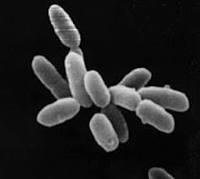
Archaea | Prokaryotic | Unicellular; nonpathogenic; live in extreme environments |
Protists | Eukaryotic | Unicellular and multicellular; pathogenic and nonpathogenic |
Fungi | Eukaryotic | Unicellular and multicellular; pathogenic and nonpathogenic |
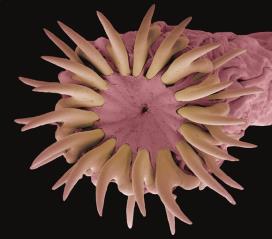
Helminths | Eukaryotic | Multicellular; parasitic roundworms and flatworms |
Viruses | Nonliving | Infect animal, plant, or bacterial cells; DNA or RNA genome |
Prions | Nonliving | Infectious proteins; transmitted by transplant or ingestion |

Classification of Microbes: Morphology and Sequence Similarity
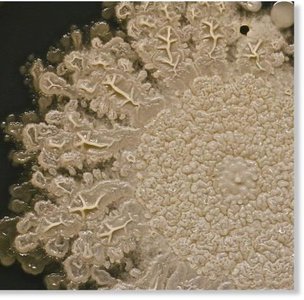
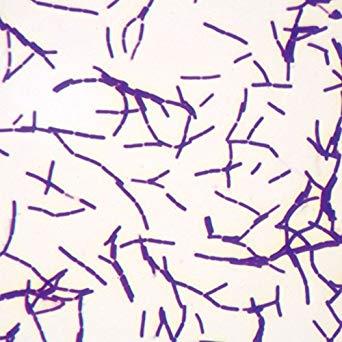
Microbes were initially classified based on morphology (shape, size, cellular arrangement). Modern classification relies on sequence similarity, grouping organisms based on DNA sequence homology.
Morphology: Physical traits used for initial classification.
Sequence Similarity: DNA sequence comparison for accurate identification.
Bergey’s Manual and Modern Classification
Bergey’s Manual of Determinative Bacteriology is a guide for identifying bacteria based on morphology and biochemical features. However, DNA sequencing is now considered the best method for microbial identification.
Microbe Nomenclature: Binomial Naming System
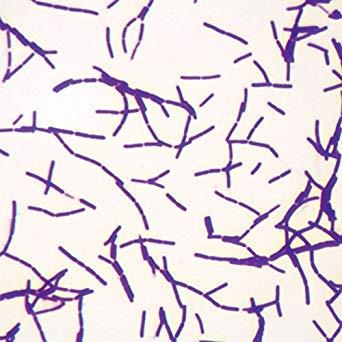
Microbes are named using the binomial nomenclature system, which includes the genus and species. Scientific names are italicized, with the genus capitalized and species lowercase. Abbreviations use the first letter of the genus followed by the full species name (e.g., E. coli).
Species: Defined by 97% sequence similarity.
Strain: Genetic variant of a species, distinguished by hallmark genes.
The Scientific Method in Microbiology
Steps of the Scientific Method
The scientific method is the guiding principle for investigation in microbiology. It involves making observations, forming hypotheses, conducting experiments, and drawing conclusions based on data.
Observation: Data collected using senses or instrumentation.
Hypothesis: Proposed explanation for an observation.
Experiment: Testing the hypothesis.
Conclusion: Interpretation of experimental data.
Scientific Law vs. Theory
Law: Precise statement or mathematical formula predicting a specific occurrence.
Theory: Hypothesis proven through multiple studies with consistent supporting conclusions.
Microbes and Disease
Pathogens and Opportunistic Pathogens
Pathogens are microbes that cause disease in any susceptible host. Opportunistic pathogens cause disease only in weakened or immunocompromised hosts. Less than 1% of all microbes are pathogenic.
Pathogen: Always causes disease in humans.
Opportunistic Pathogen: Causes disease in weakened hosts (e.g., elderly, pregnant, cancer, HIV, diabetes).
Host–Microbe Interactions
Microbes and humans have evolved various symbiotic relationships:
Parasitism: Microbe harms the host.
Mutualism: Both benefit.
Commensalism: Microbe benefits, host unaffected.
Biofilms
Biofilms are sticky communities of bacteria that are difficult to eradicate and cause 60-80% of infectious diseases. They are tolerant of antibiotic doses much higher than those required to kill planktonic (free-floating) bacteria. Dental plaque is a common example of a biofilm.
The Human Microbiome and Normal Microbiota
Human Microbiome
The human microbiome is the collection of all microbes living in or on our bodies. It includes about 1,000 different bacterial species at any given time, colonizing skin, digestive, genital, urinary, and respiratory systems.
Normal Microbiota
Normal Microbiota (Normal Flora): Includes bacteria, archaea, and eukaryotic microbes.
Functions: Train immune system, produce vitamins, aid digestion, impact mood and brain function.
Establishing Normal Microbiota
Infant microbiota is influenced by delivery method (cesarean or vaginal) and feeding (breast milk or formula). Microbiota expands and evolves from infancy to adulthood.
Disruptions in Normal Microbiota
Disruption of normal microbiota, such as through antibiotic therapy, increases risk for infections by opportunistic pathogens. Dysbiosis refers to microbiota disruption, which can lead to diseases like Clostridium difficile infection.
Host Factors: A harmless species in one host may be pathogenic in another.
Microbe Location: A species may be harmless in one body location but pathogenic in another.
Visual Summary
Additional info:
Microbes are essential for life, shaping our planet and influencing health, industry, and the environment.
Modern microbiology relies heavily on genetic sequencing for classification and identification.
Understanding host–microbe interactions is critical for managing infectious diseases and maintaining health.
