 Back
BackChapter 1: The Microbial World and You – Foundations of Microbiology
Study Guide - Smart Notes
 Tailored notes based on your materials, expanded with key definitions, examples, and context.
The Microbial World and You
Introduction to Microbiology
Microbiology is the study of microorganisms, which are organisms too small to be seen with the naked eye. These include bacteria, archaea, fungi, protozoa, algae, viruses, and some multicellular parasites. Microbes have played a crucial role in shaping Earth's environment and continue to impact human health, industry, and ecology.
Microbes in Our Lives
Ubiquity: Microbes are found everywhere—deep in the Earth's crust, oceans, polar ice caps, and within living organisms.
Roles: They decompose organic waste, generate oxygen via photosynthesis, produce chemicals (e.g., ethanol, acetone), and are essential in food production (e.g., bread, cheese, vinegar).
Pathogenicity: Only a small fraction of microbes are pathogenic (disease-causing); most are harmless or beneficial.
Biotechnology: Microbes are used in genetic engineering, recombinant DNA technology, and bioremediation to clean up pollutants.
Evolutionary Timeline and Domains of Life
Origin and Evolution of Microbes
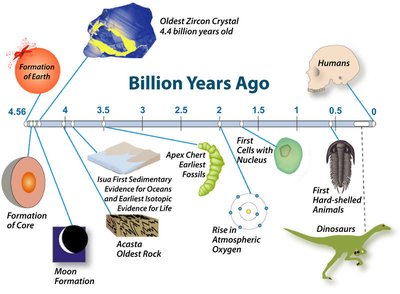
Microbes have existed for billions of years, shaping the development of Earth's habitat. The earliest single-celled organisms appeared about 4 billion years ago, leading to the evolution of three primary cell types: Bacteria, Archaea, and Eukaryotes.
Three Domains of Life
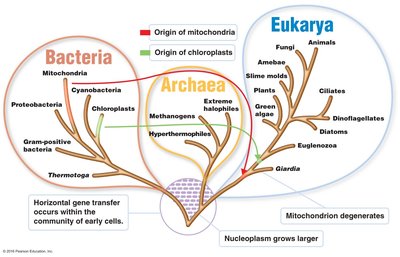
The three domains—Bacteria, Archaea, and Eukarya—were established based on rRNA analysis. Each domain represents a major evolutionary lineage:
Bacteria: Prokaryotic, cell walls with peptidoglycan.
Archaea: Prokaryotic, cell walls lack peptidoglycan, often extremophiles.
Eukarya: Eukaryotic, includes protists, fungi, plants, and animals.
Types of Microorganisms
Bacteria
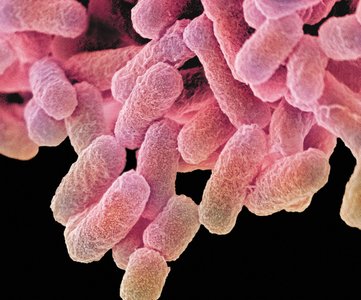
Bacteria are unicellular prokaryotes with cell walls containing peptidoglycan. They reproduce asexually by binary fission and may be autotrophic or heterotrophic.
Genetic Material: Circular DNA
Reproduction: Binary fission
Metabolism: Some are photosynthetic, others are not.
Archaea
Archaea are prokaryotes similar to bacteria but with distinct molecular characteristics. Their cell walls lack peptidoglycan, and many live in extreme environments (thermophiles, halophiles, methanogens).
Genetic Material: Circular DNA
Reproduction: Binary fission
Pathogenicity: Generally not known to cause disease in humans.
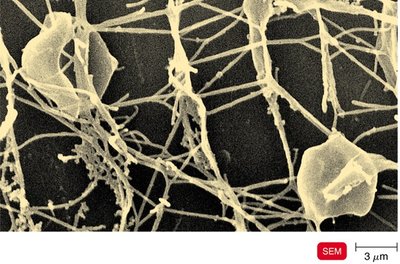
Fungi
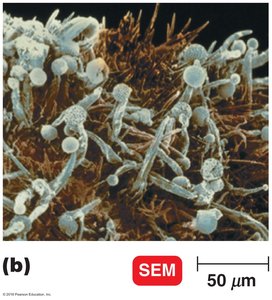
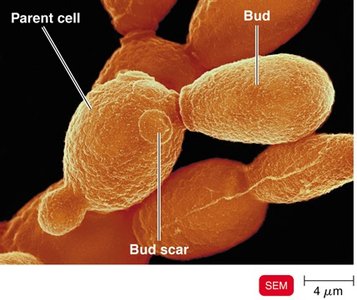
Fungi are eukaryotic organisms with cell walls containing chitin. They may be unicellular (yeasts) or multicellular (molds, mushrooms) and are heterotrophic, absorbing nutrients from their environment.
Reproduction: Sexual or asexual
Genetic Material: Linear DNA
Protozoa
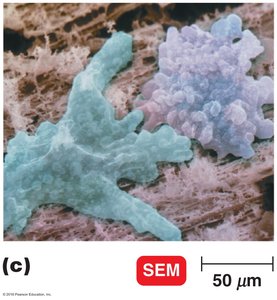
Protozoa are unicellular eukaryotes, usually lacking cell walls. They are heterotrophic, and many are motile via pseudopods, cilia, or flagella. Some are free-living, while others are parasitic.
Reproduction: Sexual or asexual
Motility: Pseudopods, cilia, or flagella


Algae
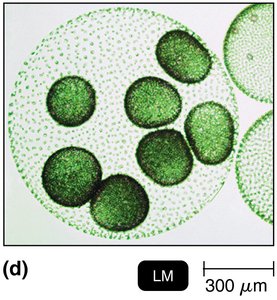
Algae are eukaryotic organisms that can be unicellular or multicellular. They have cell walls made of cellulose and perform photosynthesis, producing oxygen and carbohydrates. Algae are found in aquatic environments and often contain pigments (green, red, or brown).
Reproduction: Sexual and asexual
Ecological Role: Major producers of oxygen

Viruses
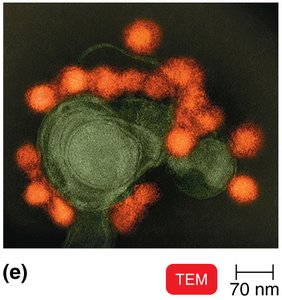
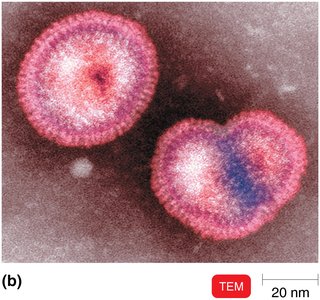
Viruses are acellular entities that require a host cell to replicate. They consist of DNA or RNA enclosed in a protein coat (capsid) and may be enveloped or non-enveloped. Viruses are obligate intracellular parasites.
Structure: Nucleic acid (DNA or RNA), protein capsid, sometimes an envelope
Replication: Only inside host cells

Multicellular Animal Parasites
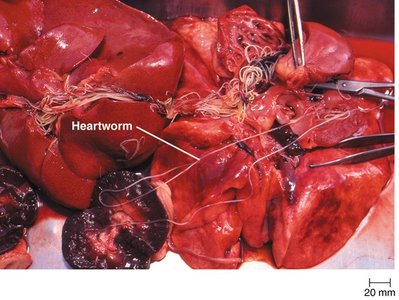
These include eukaryotic helminths (flatworms and roundworms). They lack cell walls, are heterotrophic, and can reproduce sexually or asexually. Many have microscopic stages in their life cycles.
Microbes and the Environment
Ecological Roles of Microbes
Biogeochemical Cycles: Microbes drive the cycling of elements such as carbon, nitrogen, and sulfur.
Symbiosis: Bacteria and fungi form close associations with plants, aiding in nutrient and water uptake and providing disease protection.
Abundance: Microorganisms are the most abundant cellular life forms in the oceans; viruses are the most abundant overall.
Taxonomy, Nomenclature, and Classification
Taxonomy and Nomenclature
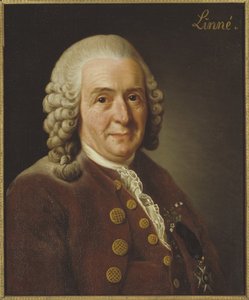
Taxonomy is the science of classifying living things. Nomenclature assigns scientific names, and classification arranges organisms into a hierarchy. Identification involves discovering and recording traits to place organisms in a taxonomic scheme.
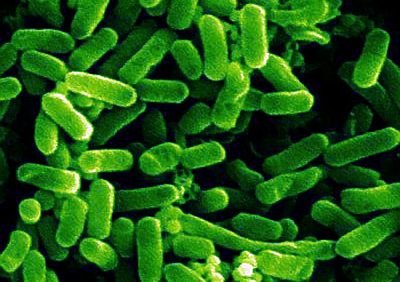
Binomial Nomenclature: Each organism has a two-part name: Genus (capitalized) and species (lowercase), both italicized or underlined (e.g., Escherichia coli).
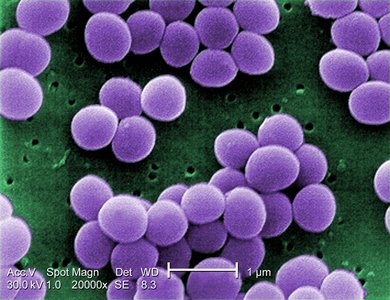
Scientific Names: May be descriptive or honor a scientist (e.g., Staphylococcus aureus describes clustered, spherical, gold-colored cells).
Classification Hierarchy
Organisms are classified into several descending ranks:
Domain
Kingdom
Phylum or Division
Class
Order
Family
Genus
Species
History of Microbiology
Early Observations and Cell Theory
1665: Robert Hooke observed "cells" in cork, leading to cell theory: all living things are composed of cells.
1673: Anton van Leeuwenhoek described live microorganisms ("animalcules").
Spontaneous Generation vs. Biogenesis
Spontaneous generation proposed that life arises from nonliving matter, while biogenesis states that life arises from preexisting life. Key experiments:
1668: Francesco Redi disproved spontaneous generation for maggots.
1745: John Needham supported spontaneous generation with broth experiments.
1765: Lazzaro Spallanzani refuted Needham, supporting biogenesis.
1858: Rudolf Virchow proposed biogenesis.
1861: Louis Pasteur's S-shaped flask experiment definitively disproved spontaneous generation and established aseptic technique.
The Golden Age of Microbiology (1857–1914)
Pasteur: Demonstrated fermentation and pasteurization; established the role of microbes in disease and food spoilage.
Semmelweis: Advocated handwashing to prevent puerperal fever.
Lister: Introduced antiseptic surgery using phenol.
Koch: Developed Koch's postulates, linking specific microbes to specific diseases (e.g., Bacillus anthracis and anthrax).
Vaccination and Immunology
1796: Edward Jenner developed the first vaccine (smallpox) using cowpox material.
1880: Pasteur explained why vaccines work (attenuated microbes induce immunity).
1933: Rebecca Lancefield classified streptococci by cell wall components (serotypes).
Antimicrobial Drugs and Antibiotics
Quinine: Used to treat malaria.
1910: Paul Ehrlich developed salvarsan for syphilis (first synthetic drug).
1928: Alexander Fleming discovered penicillin, the first antibiotic.
Modern Advances in Microbiology
Genetic Engineering and Molecular Biology
1970s: Discovery of restriction enzymes enabled genetic engineering.
1975: Development of monoclonal antibody technology.
1980: Invention of PCR (polymerase chain reaction) revolutionized DNA analysis.
2000s: Discovery of small RNAs and their regulatory roles in cells.
2010 and beyond: Human Microbiome Project revealed the diversity and importance of human-associated microbes.
2020: CRISPR-Cas9 genome editing technology advanced genetic manipulation and disease research.
Summary Table: Major Groups of Microorganisms
Group | Cell Type | Cell Wall | Genetic Material | Reproduction | Example |
|---|---|---|---|---|---|
Bacteria | Prokaryotic | Peptidoglycan | Circular DNA | Binary fission | Escherichia coli |
Archaea | Prokaryotic | No peptidoglycan | Circular DNA | Binary fission | Methanogens |
Fungi | Eukaryotic | Chitin | Linear DNA | Sexual/asexual | Yeast, molds |
Protozoa | Eukaryotic | Usually none | Linear DNA | Sexual/asexual | Amoeba |
Algae | Eukaryotic | Cellulose | Linear DNA | Sexual/asexual | Volvox |
Viruses | Acellular | None | DNA or RNA | Host-dependent | Influenza virus |
Helminths | Eukaryotic | None | Linear DNA | Sexual/asexual | Heartworm |
Key Equations and Concepts
Cell Theory: All living things are composed of cells and come from preexisting cells.
Pasteurization: Application of high heat for a short time to kill harmful microbes in beverages.
Koch's Postulates: Logical steps to link a specific microbe to a specific disease.
Conclusion
Microbiology is foundational to understanding life, health, and disease. The study of microbes has led to major advances in medicine, biotechnology, and environmental science, and continues to be a rapidly evolving field with profound impacts on society.
