 Back
BackChapter 1: The Microbial World and You – Structured Study Notes
Study Guide - Smart Notes
 Tailored notes based on your materials, expanded with key definitions, examples, and context.
The Microbial World and You
Introduction to Microbiology
Microbiology is the study of microorganisms, which are organisms too small to be seen with the unaided eye. These include bacteria, fungi, protozoa, microscopic algae, and viruses. Microbes play essential roles in ecosystems, industry, and human health.
Microorganisms: Tiny living organisms, often unicellular, that require magnification to be observed.
Microbes: Encompass bacteria, fungi, protozoa, algae, and viruses.
Pathogenic microbes: Cause diseases in humans, animals, or plants.
Beneficial microbes: Decompose organic waste, generate oxygen, produce chemicals (e.g., ethanol, acetone), and are used in food production (e.g., cheese, bread).
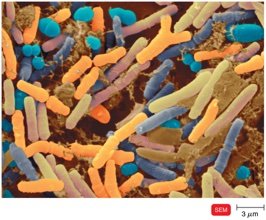
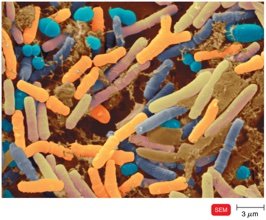
Normal Intestinal Bacteria and Microbiota
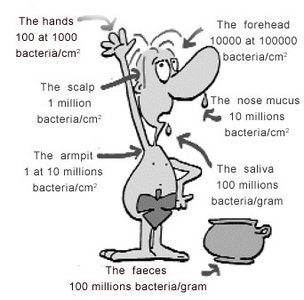
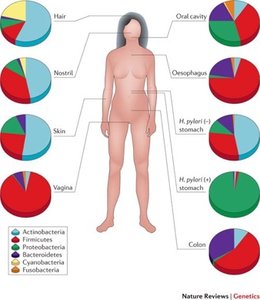
The human body hosts trillions of microbial cells, collectively known as the microbiome. These microbes are found on the skin, in the gut, and other body sites, contributing to health and disease resistance.
Normal microbiota: Microbes regularly found in and on the human body; prevent growth of pathogens and produce essential vitamins (e.g., B, K).
Transient microbiota: Microbes that colonize the body temporarily.
Resistance: The body's ability to ward off disease, aided by skin, stomach acid, and antimicrobial chemicals.
Microbes in Our Lives
Understanding microorganisms enables humans to prevent food spoilage, control disease, and manage epidemics. Microbes are integral to biotechnology, environmental recycling, and industrial processes.
Food spoilage prevention: Knowledge of microbes helps preserve food.
Disease prevention: Understanding transmission and causes of disease.
Industrial applications: Microbes produce chemicals, enzymes, and are used in manufacturing.
Naming and Classifying Microorganisms
Scientific Nomenclature
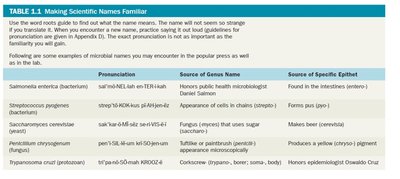
Microorganisms are named using a binomial system: the genus and specific epithet. Names are italicized or underlined, with the genus capitalized and the specific epithet lowercase.
Genus: First part of the scientific name, always capitalized.
Specific epithet: Second part, always lowercase.
Example: Escherichia coli (abbreviated as E. coli), Staphylococcus aureus (S. aureus).
Taxonomic Hierarchy
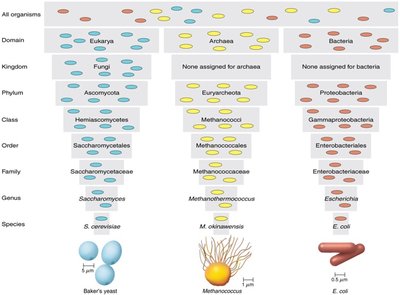
Organisms are classified in a hierarchical system: Domain, Kingdom, Phylum, Class, Order, Family, Genus, Species. This system reflects evolutionary relationships and similarities among organisms.
Domains: Bacteria, Archaea, Eukarya.
Taxonomy: The science of classification.
Systematics/Phylogeny: Study of evolutionary history.
The Three Domains of Life
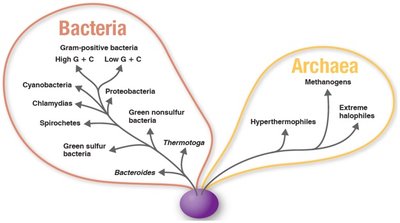
The three-domain system, developed by Woese in 1978, is based on rRNA nucleotide sequences. It divides life into Bacteria, Archaea, and Eukarya.
Bacteria: Prokaryotic, peptidoglycan cell walls, diverse metabolism.
Archaea: Prokaryotic, lack peptidoglycan, often extremophiles.
Eukarya: Eukaryotic, includes fungi, protozoa, algae, plants, and animals.
Types of Microorganisms
Bacteria
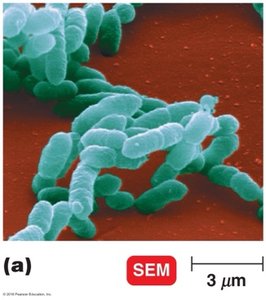
Bacteria are prokaryotes with peptidoglycan cell walls. They reproduce by binary fission and may be motile via flagella. Nutrition is derived from organic/inorganic chemicals or photosynthesis.
Prokaryotes: Cells lacking a nucleus.
Binary fission: Asexual reproduction method.
Flagella: Motility appendages.
Archaea
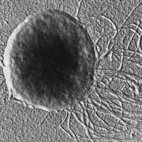
Archaea are prokaryotes that lack peptidoglycan in their cell walls and often live in extreme environments. They include methanogens, extreme halophiles, and extreme thermophiles.
Extremophiles: Organisms thriving in extreme conditions.
Methanogens: Produce methane.
Halophiles: Thrive in high salt concentrations.
Thermophiles: Thrive in high temperatures.
Fungi
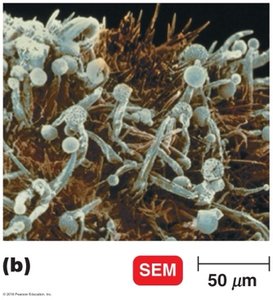
Fungi are eukaryotes with chitin cell walls. They absorb organic chemicals for energy. Yeasts are unicellular, while molds and mushrooms are multicellular. Molds consist of mycelia made of hyphae.
Chitin: Structural polysaccharide in fungal cell walls.
Mycelia: Masses of hyphae.
Hyphae: Filamentous structures.
Protozoa
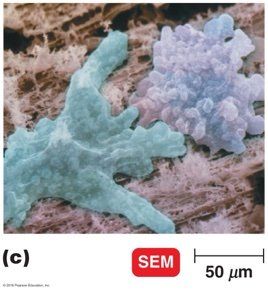
Protozoa are eukaryotes that absorb or ingest organic chemicals. They may be motile via pseudopods, cilia, or flagella. Some are free-living, others parasitic, and some are photosynthetic.
Pseudopods: Temporary projections for movement.
Cilia: Short, hair-like structures for movement.
Flagella: Long, whip-like structures for movement.
Algae
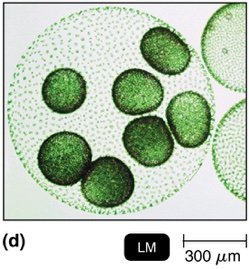
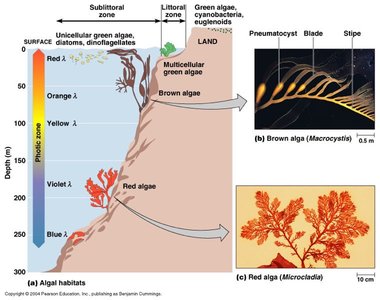
Algae are eukaryotes with cellulose cell walls. They use photosynthesis for energy, producing oxygen and carbohydrates. Algae are found in freshwater, saltwater, and soil, and reproduce sexually or asexually.
Cellulose: Structural polysaccharide in cell walls.
Photosynthesis: Conversion of light energy to chemical energy.
Viruses
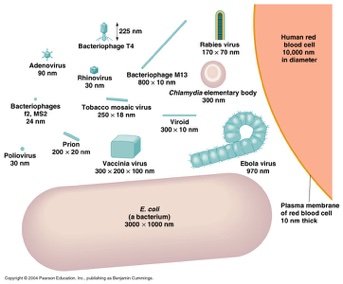
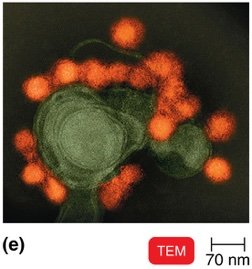
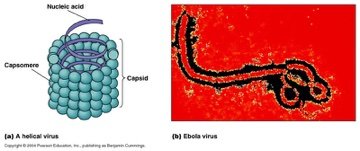
Viruses are acellular entities consisting of a DNA or RNA core surrounded by a protein coat, sometimes enclosed in a lipid envelope. They replicate only inside living host cells and are inert outside hosts.
Acellular: Not composed of cells.
Obligate parasites: Require a host for replication.
Multicellular Animal Parasites
These are eukaryotic multicellular organisms, such as helminths (parasitic flatworms and roundworms), with some microscopic stages in their life cycles.
Helminths: Parasitic worms.
Microscopic stages: Eggs or larvae visible only under a microscope.
A Brief History of Microbiology
Early Microscopic Observations
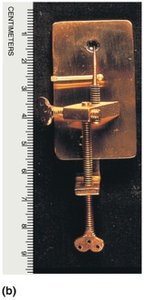
Robert Hooke and Anton van Leeuwenhoek were pioneers in microscopy. Hooke described cells, while Leeuwenhoek observed "animalcules" (microbes) with magnifying lenses.
Cell theory: All living things are composed of cells.
Animalcules: Early term for microorganisms.
The Golden Age of Microbiology
Louis Pasteur demonstrated that microbes cause fermentation and spoilage. Pasteurization was developed to kill harmful bacteria in beverages. Robert Koch established Koch's postulates, linking specific microbes to specific diseases.
Fermentation: Microbial conversion of sugar to alcohol.
Pasteurization: Application of heat to kill bacteria.
Koch's postulates: Experimental steps to prove a microbe causes a disease.
The Germ Theory of Disease and Immunity
Robert Koch and Edward Jenner contributed to understanding disease causation and immunity. Jenner's work led to vaccination, providing protection against smallpox.
Immunity: Protection against disease.
Vaccination: Introduction of a harmless microbe to induce immunity.
Modern Chemotherapy
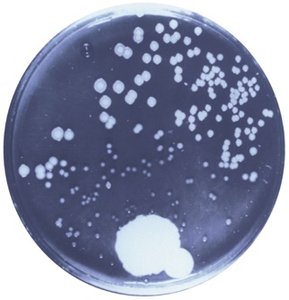
Chemotherapy is the treatment of disease with chemicals. Antibiotics are produced by microbes to inhibit or kill other microbes. Key discoveries include penicillin and synthetic drugs.
Antibiotics: Microbial products that inhibit other microbes.
Penicillin: First antibiotic discovered by Alexander Fleming.
Modern Developments in Microbiology
Microbial Genetics and Molecular Biology
Microbial genetics studies inheritance in microbes. Molecular biology explores how DNA directs protein synthesis. Genomics analyzes an organism's genes, aiding classification. Recombinant DNA technology combines DNA from different sources.
Microbial genetics: Inheritance of traits in microbes.
Molecular biology: DNA's role in protein synthesis.
Genomics: Study of all genes in an organism.
Recombinant DNA: DNA from two sources.
Microbes and Human Welfare
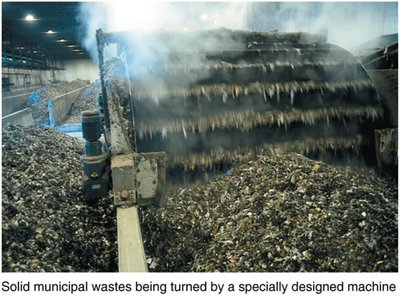
Microbes recycle vital elements, treat sewage, and clean up pollutants (bioremediation). They are used in insect pest control and biotechnology, including recombinant DNA technology for producing proteins and vaccines.
Bioremediation: Use of microbes to degrade pollutants.
Biotechnology: Practical use of microbes in industry.
Gene therapy: Replacement of defective genes in humans.
Microbes and Human Disease
Biofilms
Biofilms are masses of microbes attached to surfaces, such as rocks, pipes, teeth, and medical implants. They can cause infections and are often resistant to antibiotics.
Biofilm: Community of microbes growing on a surface.
Antibiotic resistance: Biofilms are difficult to treat.
Emerging Infectious Diseases
Emerging infectious diseases (EIDs) are new or increasing in incidence. Examples include Zika virus, MERS, H1N1 influenza, avian influenza, MRSA, and Ebola hemorrhagic fever.
Emerging infectious diseases: Newly identified or increasing diseases.
Factors: Pathogen invasion, resistance, environmental changes.
Summary Table: Characteristics of Archaea, Bacteria, and Eukarya
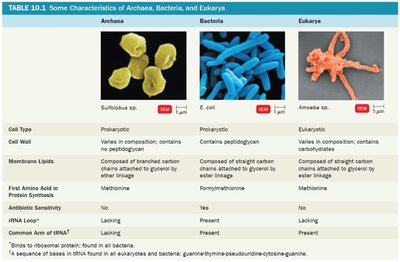
Characteristic | Archaea | Bacteria | Eukarya |
|---|---|---|---|
Cell Type | Prokaryotic | Prokaryotic | Eukaryotic |
Cell Wall | Varies; no peptidoglycan | Peptidoglycan | Varies; no peptidoglycan |
Membrane Lipids | Branched carbon chains | Straight carbon chains | Straight carbon chains |
First Amino Acid in Protein Synthesis | Methionine | Formylmethionine | Methionine |
Antibiotic Sensitivity | No | Yes | No |
rRNA Loop | Lacking | Present | Lacking |
Common Arm of tRNA | Lacking | Present | Lacking |
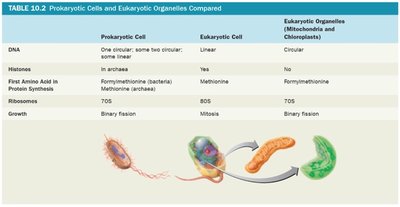
Summary Table: Prokaryotic Cells and Eukaryotic Organelles Compared
Characteristic | Prokaryotic Cell | Eukaryotic Cell | Eukaryotic Organelles |
|---|---|---|---|
DNA | One circular; some two circular; some linear | Linear | Circular |
Histones | In archaea | Yes | No |
First Amino Acid in Protein Synthesis | Formylmethionine (bacteria), Methionine (archaea) | Methionine | Formylmethionine |
Ribosomes | 70S | 80S | 70S |
Growth | Binary fission | Mitosis | Binary fission |
Summary Table: Making Scientific Names Familiar
Microbial Name | Pronunciation | Source of Genus Name | Source of Specific Epithet |
|---|---|---|---|
Salmonella enterica | sal'mo-NEL-la en-TER-i-ka | Honors Daniel Salmon | Found in intestines |
Streptococcus pyogenes | strep-to-KOK-us pyo-O-jen-es | Appearance of cells in chains | Forms pus |
Saccharomyces cerevisiae | sack-a-ro-MY-sees ser-e-VIS-e-a | Fungus that uses sugar | Makes beer |
Penicillium chrysogenum | pen-i-SILL-i-um kris-OJ-e-num | Tuftlike or paintbrush appearance | Produces a yellow pigment |
Trypanosoma cruzi | tri-pan-o-SO-ma KROO-ze | Corkscrew shape | Honors Oswaldo Cruz |
Summary Table: Taxonomic Hierarchy Example
Domain | Kingdom | Phylum | Class | Order | Family | Genus | Species |
|---|---|---|---|---|---|---|---|
Eukarya | Fungi | Ascomycota | Hemiascomycetes | Saccharomycetales | Saccharomycetaceae | Saccharomyces | S. cerevisiae |
Archaea | None assigned | Euryarchaeota | Methanococci | Methanococcales | Methanococcaceae | Methanococcus | M. okinawensis |
Bacteria | None assigned | Proteobacteria | Gammaproteobacteria | Enterobacteriales | Enterobacteriaceae | Escherichia | E. coli |
