 Back
Chapter 1: The Microbial World and You – Study Notes
Study Guide - Smart Notes
 Tailored notes based on your materials, expanded with key definitions, examples, and context.
The Microbial World and You
Introduction to Microbiology
Microbiology is the study of microorganisms, which are organisms too small to be seen with the unaided eye. This field encompasses a wide variety of life forms, including bacteria, archaea, fungi, protozoa, algae, viruses, and prions. Microbes play essential roles in the environment, industry, and human health.
Microbes in Our Lives
Destructive Actions: Some microbes are pathogenic, causing diseases in humans, animals, and plants. Others are responsible for food spoilage.
Beneficial Actions: Microbes are the basis of the food chain in aquatic environments, decompose organic waste, recycle vital elements, and generate oxygen through photosynthesis. They are also used in the production of foods (e.g., cheese, yogurt, bread), beverages, and industrial products (e.g., ethanol, acetone, insulin).
Definitions
Microbiome: The collection of all the microorganisms living in association with the human body.
Normal Microbiota: Microorganisms that colonize the body without causing disease under normal conditions.
Transient Microbiota: Microbes that are present in the body for a short period.
The Human Microbiome
The human body contains about 30 trillion human cells and harbors approximately 40 trillion bacterial cells. The microbiome helps maintain health by preventing the growth of pathogens and training the immune system. Colonization by microbes depends on the availability of nutrients and suitable environmental conditions.
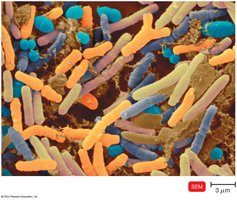
Naming and Classifying Microorganisms
Scientific Nomenclature: Established by Carolus Linnaeus in 1735, each organism is given a two-part name: the genus (capitalized) and the specific epithet (lowercase), both italicized or underlined (e.g., Escherichia coli).
Three Domains: Bacteria, Archaea, and Eukarya (which includes protists, fungi, plants, and animals).
Types of Microorganisms
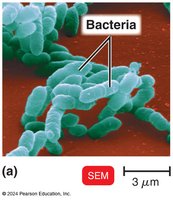
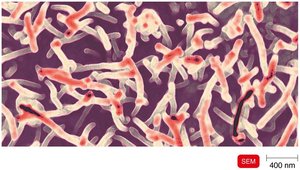
Bacteria: Prokaryotic, unicellular, peptidoglycan cell walls, reproduce by binary fission, may have flagella.
Archaea: Prokaryotic, lack peptidoglycan, often live in extreme environments, not known to cause disease.
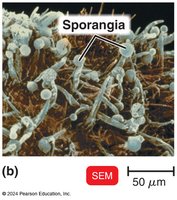
Fungi: Eukaryotic, chitin cell walls, absorb organic chemicals, can be unicellular (yeasts) or multicellular (molds, mushrooms).
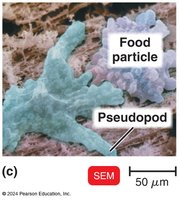
Protozoa: Eukaryotic, absorb or ingest organic chemicals, may be motile via pseudopods, cilia, or flagella, can be free-living or parasitic.
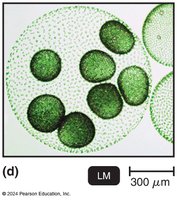
Algae: Eukaryotic, cellulose cell walls, photosynthetic, produce oxygen and carbohydrates.
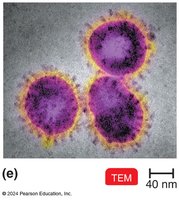
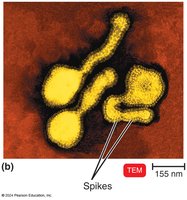
Viruses: Acellular, consist of DNA or RNA core surrounded by a protein coat, replicate only in living host cells.
Multicellular Animal Parasites: Eukaryotic, include helminths (parasitic worms), some stages are microscopic.
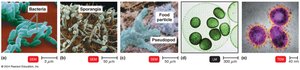
Bacteria Example
Fungi Example
Protozoa Example
Algae Example
Virus Example
Classification of Microorganisms
Carl Woese's Three-Domain System (1978): Bacteria, Archaea, and Eukarya, based on differences in cellular organization and genetics.
A Brief History of Microbiology
Early Observations and Cell Theory
1665: Robert Hooke observed "cells" in cork, marking the beginning of cell theory: all living things are composed of cells.
1673–1723: Anton van Leeuwenhoek observed "animalcules" (bacteria and protozoa) with simple microscopes.
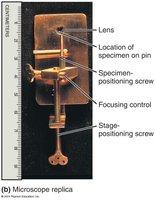
Spontaneous Generation vs. Biogenesis
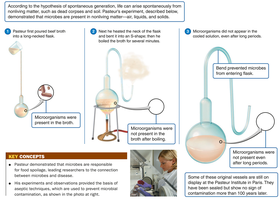
Spontaneous Generation: The hypothesis that life arises from nonliving matter.
Biogenesis: The hypothesis that living cells arise only from preexisting living cells.
Key experiments by Redi, Needham, Spallanzani, and Pasteur tested these hypotheses.
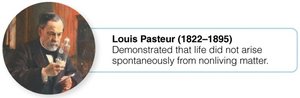
Louis Pasteur's experiments with S-shaped flasks demonstrated that microorganisms are present in the air and do not arise spontaneously.
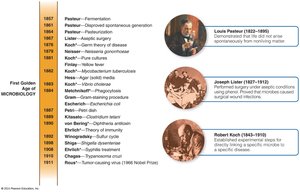
The First Golden Age of Microbiology (1857–1914)
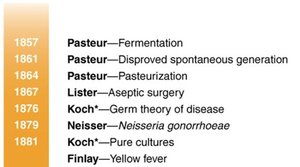
Fermentation: Pasteur showed that microbes convert sugars to alcohol in the absence of air.
Pasteurization: Application of high heat for a short time to kill harmful microbes in beverages.
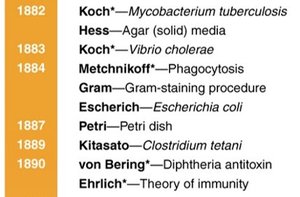
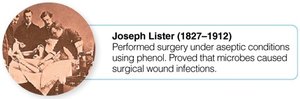
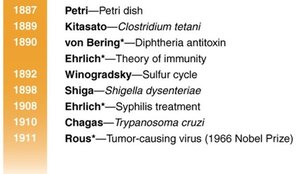
Germ Theory of Disease: The idea that microorganisms can cause disease. Key contributors: Agostino Bassi, Louis Pasteur, Joseph Lister, Robert Koch.
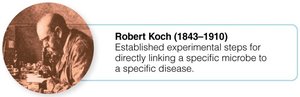
Koch's Postulates: Experimental steps to link a specific microbe to a specific disease.
Discovery of Antibiotics
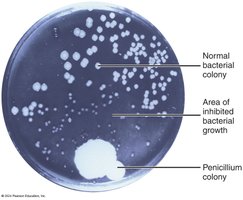
1928: Alexander Fleming discovered penicillin, the first antibiotic, produced by the fungus Penicillium.
Antibiotics are chemicals produced by microbes that inhibit or kill other microbes.
Major Fields in Microbiology
Bacteriology: Study of bacteria.
Mycology: Study of fungi.
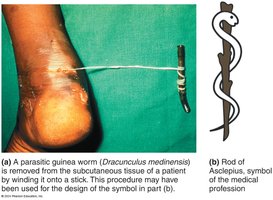
Parasitology: Study of protozoa and parasitic worms.
Immunology: Study of immunity.
Virology: Study of viruses.
Genetics, Molecular Biology, and Genomics
Microbial Genetics: Study of how microbes inherit traits.
Molecular Biology: Study of how genetic information is carried in DNA molecules.
Genomics: Study of an organism’s genes; has enabled the study of microbiomes and their roles in health and disease.

Microbes and Human Welfare
Recycling Vital Elements
Microbial Ecology: Study of the relationship between microorganisms and their environment.
Bacteria recycle elements such as carbon, nitrogen, sulfur, and phosphorus for use by plants and animals.
Sewage Treatment and Bioremediation
Microbes are used to treat sewage and recycle water by breaking down organic matter.
Bioremediation: Use of microbes to degrade or detoxify pollutants (e.g., oil spills, mercury).

Insect Pest Control
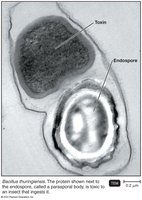
Microbes such as Bacillus thuringiensis are used as biological insecticides, producing toxins harmful to insects but safe for animals and plants.
Biotechnology and Recombinant DNA Technology
Biotechnology: Use of microbes for practical applications (e.g., food production, chemical synthesis).
Recombinant DNA Technology: Manipulation of microbial genes to produce useful products (e.g., human hormones, vaccines, genetically modified crops).
Microbes and Human Disease
Normal Microbiota and Resistance
Normal microbiota prevent the growth of pathogens and produce essential growth factors (e.g., vitamins B and K).
Resistance: The ability of the body to ward off disease, involving barriers such as skin, stomach acid, and immune chemicals.
Biofilms
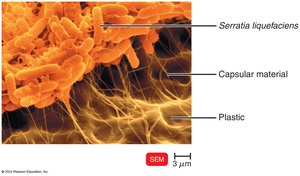
Microbes can form biofilms—complex communities attached to surfaces (e.g., rocks, teeth, medical implants).
Biofilms can be beneficial (protective, food sources) or harmful (cause infections, resist antibiotics, clog pipes).
Emerging Infectious Diseases (EIDs)
Emerging Infectious Diseases: New or increasing diseases, often due to evolutionary changes, antibiotic resistance, global travel, or environmental changes.
Examples include COVID-19, Mpox, Zika virus, H1N1 influenza, avian influenza, antibiotic-resistant infections (MRSA, Clostridium difficile, MDR-TB), Ebola, and Marburg virus.
Additional info: These notes cover the foundational concepts of microbiology, including the diversity of microorganisms, their roles in nature and human society, the history of microbiological discoveries, and the impact of microbes on health and disease. The included images are selected to reinforce key concepts and provide visual examples of microorganisms and microbiological techniques.
