 Back
BackChapter 1: The Microbial World and You – Structured Study Notes
Study Guide - Smart Notes
 Tailored notes based on your materials, expanded with key definitions, examples, and context.
The Microbial World and You
Introduction to Microbiology
Microbiology is the study of organisms and infectious agents that are too small to be seen with the naked eye, typically less than 0.2 mm in size. These include bacteria, archaea, protozoa, fungi, and viruses. - Microbes (Microorganisms): Organisms such as Escherichia coli, Salmonella, archaea, protozoa, fungi, and viruses. - Size: Most microbes are smaller than 0.2 mm (= 200 μm).
Where Are Microbes?
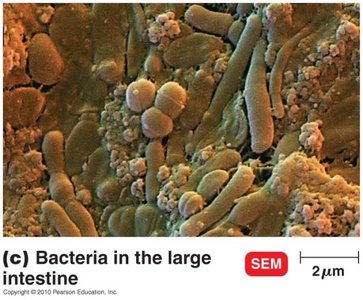
Microbes are ubiquitous and can be found in diverse environments, including the human body, soil, water, and extreme environments. - Human Body: Microbes colonize surfaces such as the nasal epithelium and the large intestine. - Extreme Environments: Some microbes thrive in extreme heat, salinity, or acidity. 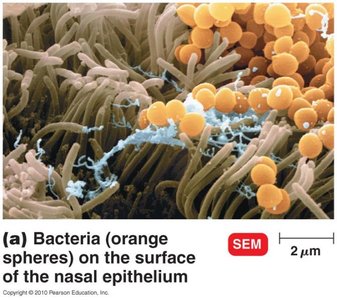
Applications of Microbes
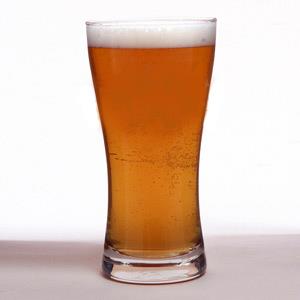
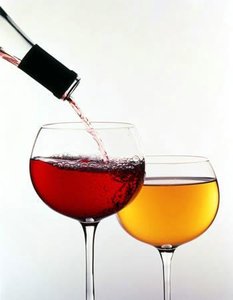
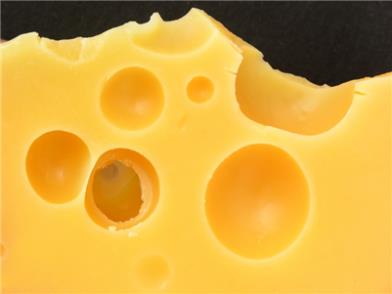
Microbes are used in bioremediation, genetic engineering, and the production of food and pharmaceuticals. - Bioremediation: Using microbes to clean up toxic waste. 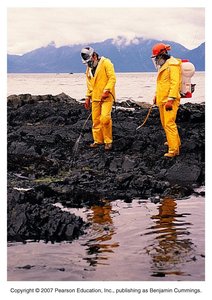 - Genetic Engineering: Bacteria are engineered to produce insulin, enzymes, and proteins. - Food Production: Bacteria and yeast are used to make bread, beer, wine, cheese, and yogurt.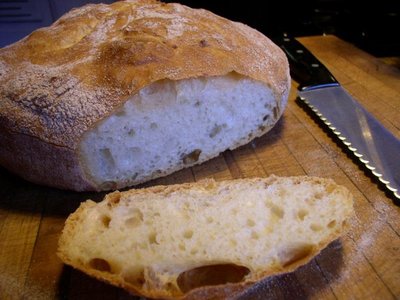
Classification of Microorganisms
Three-Domain System
The three-domain system classifies life into Bacteria, Archaea, and Eukarya. - Bacteria: Prokaryotic, cell walls, single-celled. - Archaea: Prokaryotic, lack peptidoglycan, often live in extreme environments. - Eukarya: Eukaryotic, includes fungi, protozoa, algae, and multicellular animal parasites. 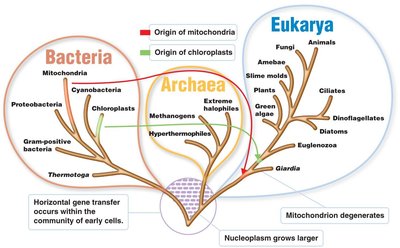
Types of Microorganisms
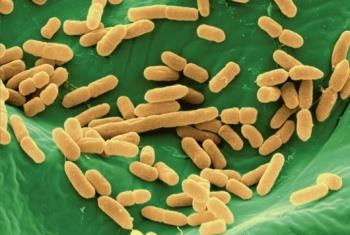
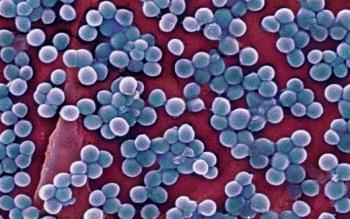
Bacteria: Single-celled, prokaryotic, cell walls. 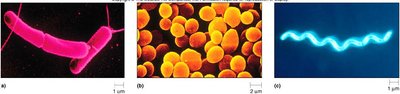
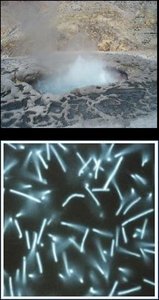
 Archaea: Prokaryotes, lack peptidoglycan, live in extreme environments (methanogens, halophiles, thermophiles).
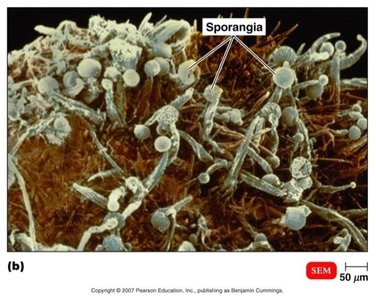
  Fungi: Eukaryotes, cell wall, includes yeasts (unicellular), molds and mushrooms (multicellular).
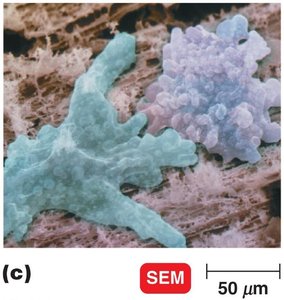
  Protozoa: Unicellular, eukaryotic, may be motile via pseudopods, cilia, or flagella.
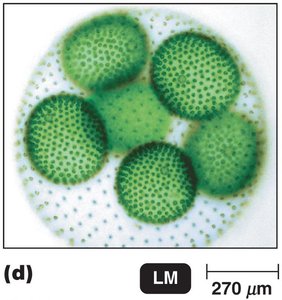
  Algae: Unicellular and multicellular, eukaryotic, cell walls, photosynthetic.
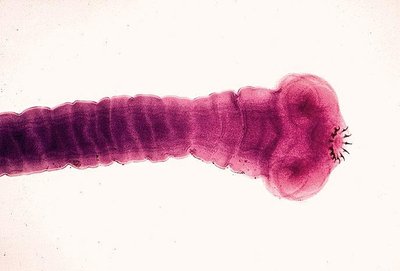
  Multicellular Animal Parasites (Helminths): Eukaryotes, have microscopic egg or larval stages.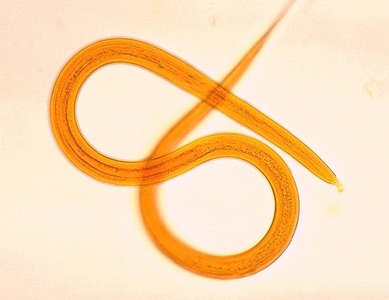
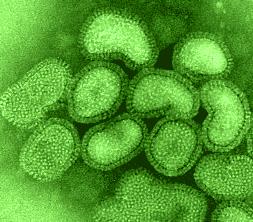
 Viruses: Non-living agents, require host cell for reproduction, simple structure (nucleic acid and protein coat).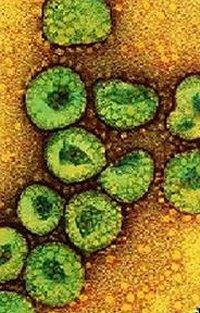
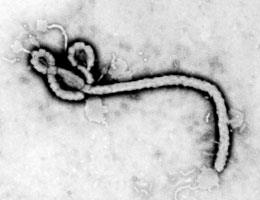
Naming and Classifying Microorganisms
Scientific nomenclature was established by Carolus Linnaeus in 1735. Each organism is given a genus and species name, which are italicized or underlined. - Sources of Names: Description, habitat, or in honor of a researcher. - Example: Staphylococcus aureus (Genus: Staphylococcus, Species: aureus).
History of Microbiology
Early Microscopy and Observations
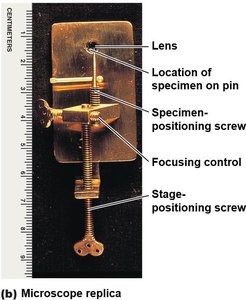
Anton van Leeuwenhoek was the first to observe live microbes using hand-held lenses (~300X magnification), describing them as "animalcules." 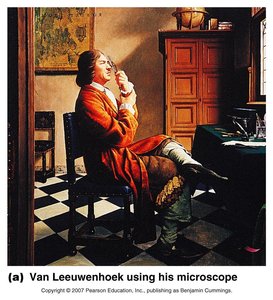
Spontaneous Generation vs. Biogenesis
- Spontaneous Generation: The belief that life arises from non-living things. - Biogenesis: The principle that life arises only from living organisms. Francesco Redi (1668): Experimented with decaying meat in sealed, open, and net-covered jars to test spontaneous generation. Louis Pasteur (1861): Used swan-necked flasks to show that microbes do not arise spontaneously in broth, leading to aseptic techniques.
Fermentation and Pasteurization
Pasteur discovered that yeast converts sugar to alcohol without air (fermentation), and bacteria convert alcohol to acetic acid with air. - Pasteurization: Application of high heat for a short time to kill most bacteria. $\text{Pasteurization:} \quad \text{Heat} \rightarrow \text{Kills most bacteria}$
Germ Theory of Disease and Koch's Postulates
Robert Koch proved that bacteria cause disease (studied anthrax in cattle) and developed the Germ Theory of Disease. - Koch's Postulates: A sequence of experimental steps to verify the germ theory. - Pure Culture Methods: Techniques to isolate and grow bacteria.
Pioneers of Microbiology
Joseph Lister: Pioneer of surgical antisepsis; applied phenol to wounds and disinfected surgical instruments. Robert Koch: Developed methods to prove microbial causation of disease.
Summary Table: Domains and Types of Microorganisms
Domain | Cell Type | Cell Wall | Examples |
|---|---|---|---|
Bacteria | Prokaryotic | Peptidoglycan | Escherichia coli, Staphylococcus |
Archaea | Prokaryotic | No peptidoglycan | Methanogens, Halophiles, Thermophiles |
Eukarya | Eukaryotic | Varies | Fungi, Protozoa, Algae, Helminths |
Viruses | Non-living | None | Influenza virus, HIV |
Key Terms
- Microbe: A microscopic organism. - Bioremediation: Use of microbes to clean up environmental contaminants. - Fermentation: Microbial conversion of sugar to alcohol or acid. - Pasteurization: Heat treatment to kill microbes. - Germ Theory: Concept that microbes cause disease. - Koch's Postulates: Criteria to establish a causal relationship between a microbe and a disease.
Conclusion
Microbiology explores the diversity, classification, and applications of microorganisms, as well as their historical discovery and role in disease. Understanding microbes is fundamental to health, industry, and environmental science. ----------------------------------------
