 Back
BackChapter 1: The Microbial World and You – Foundations of Microbiology
Study Guide - Smart Notes
 Tailored notes based on your materials, expanded with key definitions, examples, and context.
Chapter 1: The Microbial World and You
Introduction to Microbiology
Microbiology is the study of organisms and infectious agents too small to be seen with the naked eye, typically less than 0.2 mm in size. These include bacteria, archaea, protozoa, fungi, and viruses. Microorganisms are ubiquitous and play essential roles in ecosystems, industry, and health.
Microbes (Microorganisms): Living organisms or infectious agents invisible to the naked eye.
Examples: Escherichia coli, Salmonella, archaea, protozoa, fungi, viruses (e.g., HIV).
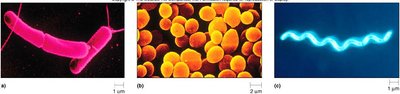
Where Are Microbes Found?
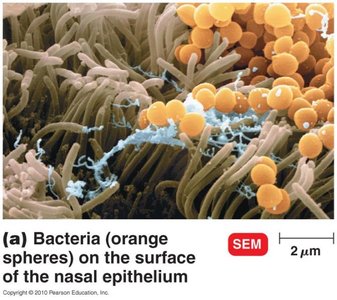
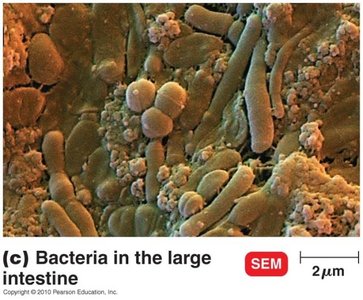
Microbes inhabit virtually every environment on Earth, including soil, water, air, and within other organisms. They are found on surfaces such as the nasal epithelium and in the large intestine, where they play roles in health and disease.
Human Body: Microbes colonize skin, mucous membranes, and the gastrointestinal tract.
Environment: Present in soil, water, extreme environments, and on surfaces.
Applications of Microbes
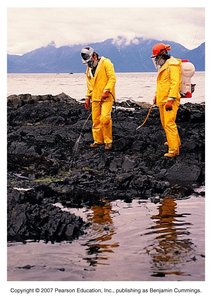
Microorganisms are utilized in various beneficial processes, including environmental cleanup and biotechnology.
Bioremediation: Use of microbes to clean up toxic waste and environmental pollutants.
Genetic Engineering: Bacteria are engineered to produce insulin, enzymes, and proteins for medical and industrial use.
Microbes in Food Production
Bacteria and yeast are essential in the production of various foods and beverages through fermentation and other processes.
Bread: Yeast ferments sugars to produce carbon dioxide, causing dough to rise.
Beer and Wine: Yeast converts sugars into alcohol and carbon dioxide.
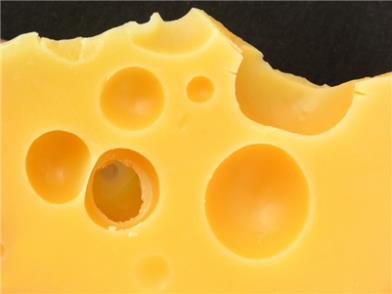
Cheese and Yogurt: Bacteria ferment lactose to produce lactic acid, contributing to texture and flavor.




Classification of Microorganisms
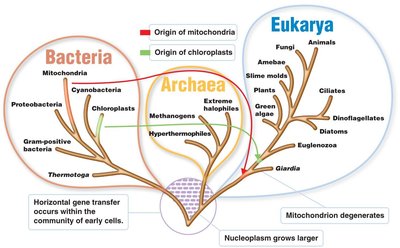
The Three-Domain System
Microorganisms are classified into three domains based on cellular organization and genetics: Bacteria, Archaea, and Eukarya. This system reflects evolutionary relationships among all life forms.
Bacteria: Prokaryotic, single-celled organisms with peptidoglycan cell walls.
Archaea: Prokaryotic, lack peptidoglycan, often inhabit extreme environments.
Eukarya: Eukaryotic organisms, including fungi, protozoa, algae, and multicellular animal parasites.
Domain Bacteria
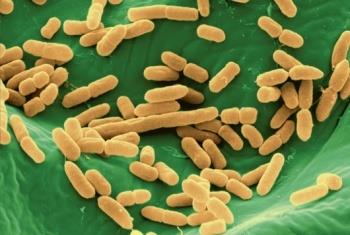
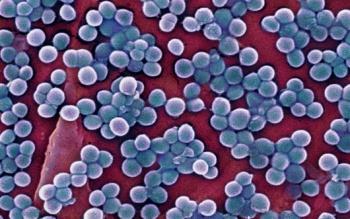
Bacteria are single-celled prokaryotes with diverse shapes and metabolic capabilities. They are found in nearly every environment and play crucial roles in nutrient cycling, disease, and biotechnology.
Cell Structure: Prokaryotic, possess cell walls containing peptidoglycan.
Examples: Escherichia coli, Staphylococcus aureus.
Domain Archaea
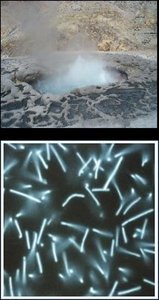
Archaea are prokaryotic organisms distinct from bacteria, often found in extreme environments such as hot springs, salt lakes, and anaerobic conditions.
Cell Structure: Prokaryotic, lack peptidoglycan in cell walls.
Types: Methanogens, extreme halophiles, extreme thermophiles.
Domain Eukarya
Eukarya includes all eukaryotic organisms, which have membrane-bound organelles and a defined nucleus. This domain encompasses fungi, protozoa, algae, and multicellular animal parasites (helminths).
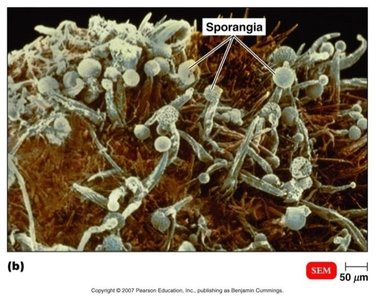
Fungi
Types: Yeasts (unicellular), molds and mushrooms (multicellular).
Cell Structure: Eukaryotic, possess cell walls.
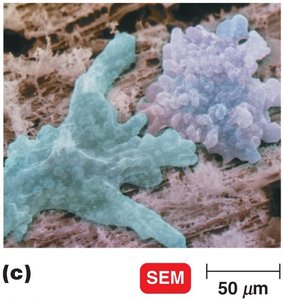
Protozoa
Structure: Unicellular, eukaryotic, may be motile via pseudopods, cilia, or flagella.
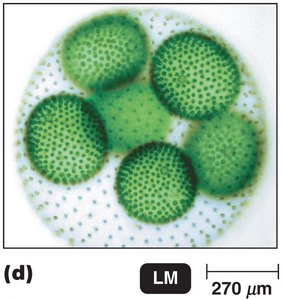
Algae
Structure: Unicellular or multicellular, eukaryotic, possess cell walls, photosynthetic.
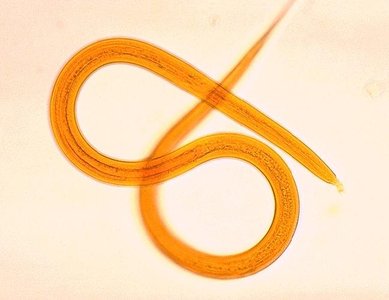
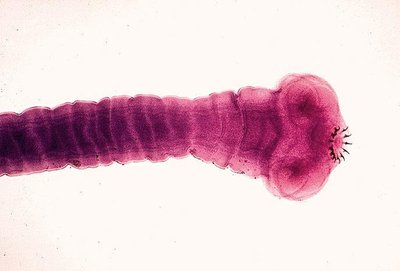
Helminths (Multicellular Animal Parasites)
Structure: Multicellular, eukaryotic, include parasitic worms with microscopic egg or larval stages.
Viruses: Non-Living Agents
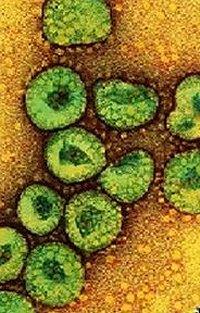
Viruses are acellular infectious agents that require a host cell for replication. They consist of nucleic acid (DNA or RNA) surrounded by a protein coat and are not classified as living organisms.
Structure: Nucleic acid core, protein coat (capsid).
Replication: Obligate intracellular parasites.
Naming and Classifying Microorganisms
Scientific Nomenclature
The system of scientific nomenclature was established by Carolus Linnaeus in 1735. Each organism is assigned a genus and species name, which are italicized or underlined. Names may reflect characteristics, habitat, or honor a researcher.
Example: Staphylococcus aureus
Genus: Staphylococcus
Species: aureus
History of Microbiology
Early Microscopy and Discovery of Microbes
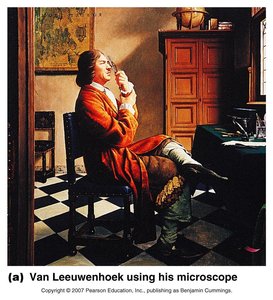
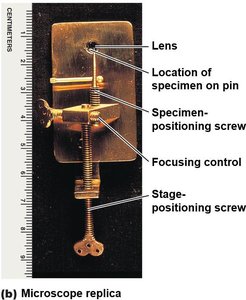
Antony van Leeuwenhoek was the first to observe live microorganisms using hand-held lenses with up to 300X magnification. He described these as "animalcules." His observations marked the beginning of microbiology as a science.
Spontaneous Generation vs. Biogenesis
Historically, it was debated whether life could arise spontaneously from non-living matter (spontaneous generation) or only from pre-existing life (biogenesis). Key experiments by Francesco Redi and Louis Pasteur provided evidence for biogenesis.
Redi's Experiment (1668): Showed that maggots do not arise from decaying meat unless flies can access it.
Pasteur's Experiment (1861): Demonstrated that microbes do not arise spontaneously in broth when protected from airborne contamination, leading to the development of aseptic techniques.
Fermentation and Pasteurization
Louis Pasteur discovered that yeast ferments sugars to produce alcohol in the absence of air, while bacteria can convert alcohol to acetic acid in the presence of air. Pasteurization, the application of gentle heat, kills most bacteria and prevents spoilage.
Fermentation: Conversion of sugars to alcohol or acids by microbes.
Pasteurization: Heating liquids to a specific temperature for a short time to kill harmful microbes.
Antisepsis and Germ Theory of Disease
Joseph Lister pioneered surgical antisepsis by applying phenol to wounds and disinfecting surgical instruments, greatly reducing infections. Robert Koch proved that bacteria cause disease and developed Koch's postulates, a series of steps to link specific microbes to specific diseases.
Koch's Postulates: Experimental steps to demonstrate that a specific microbe causes a specific disease.
Pure Culture Methods: Techniques to isolate and grow individual microbial species.
Additional info: This summary integrates foundational concepts from Chapter 1 of a standard microbiology textbook, including the classification, roles, and historical context of microorganisms. Images are included only where they directly reinforce the academic content.
