 Back
BackChapter 1: The Microbial World and You – Foundations of Microbiology
Study Guide - Smart Notes
 Tailored notes based on your materials, expanded with key definitions, examples, and context.
Chapter 1: The Microbial World and You
Introduction to Microbiology
Microbiology is the study of microorganisms, a diverse group of minute living organisms that include bacteria, archaea, fungi, protozoa, algae, viruses, and multicellular animal parasites. These organisms play essential roles in ecosystems, human health, and industry.
Classification and Nomenclature of Microorganisms
Classifying Living Organisms
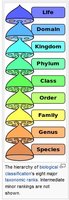
The classification of living organisms has evolved over centuries, reflecting advances in technology and scientific understanding. Modern taxonomy organizes life into hierarchical categories, allowing scientists to identify and study relationships among organisms.
Taxonomy: The science of classifying organisms.
Hierarchy of Classification: Life → Domain → Kingdom → Phylum → Class → Order → Family → Genus → Species.
The Three Domain System
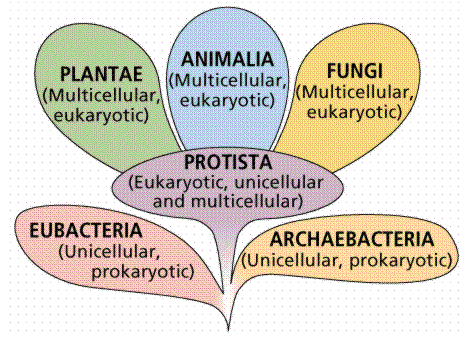
Developed by Woese and Fox, the three-domain system divides all life into:
Bacteria: Prokaryotic organisms with peptidoglycan cell walls.
Archaea: Prokaryotic organisms lacking peptidoglycan, often found in extreme environments.
Eukarya: All eukaryotic organisms, including plants, animals, fungi, and protists.
Naming and Classifying Microorganisms
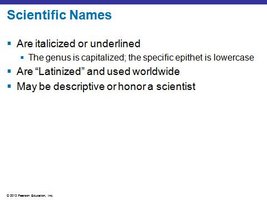
Linnaeus established the binomial system of scientific nomenclature, which is universally used to name organisms.
Each organism has two names: Genus (capitalized) and specific epithet (lowercase).
Names are italicized or underlined (e.g., Escherichia coli).
After the first use, the genus may be abbreviated (e.g., E. coli).
Names are Latinized and may honor a scientist or describe a characteristic.
Types of Microorganisms
Bacteria
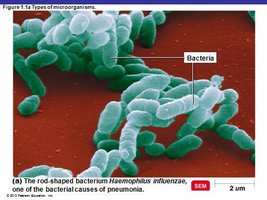
Bacteria are unicellular prokaryotes with diverse metabolic capabilities and ecological roles.
Cell walls contain peptidoglycan.
Reproduce by binary fission.
Obtain energy from organic chemicals, inorganic chemicals, or photosynthesis.
Archaea
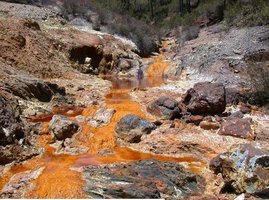
Archaea are prokaryotes distinct from bacteria, often inhabiting extreme environments.
Lack peptidoglycan in cell walls.
Include methanogens, extreme halophiles, and extreme thermophiles.
Fungi
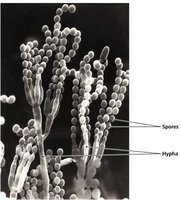
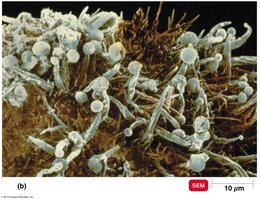
Fungi are eukaryotic organisms that decompose organic material for energy.
Cell walls contain chitin.
Molds and mushrooms are multicellular, composed of mycelia (masses of hyphae).
Yeasts are unicellular fungi.
Protozoa
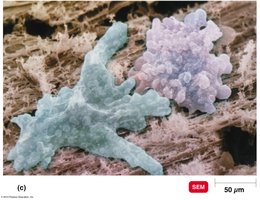
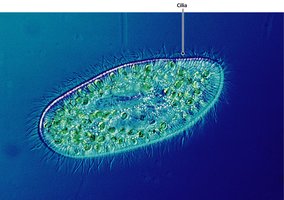
Protozoa are unicellular eukaryotes that absorb or ingest organic chemicals and may be motile.
Movement via pseudopods, cilia, or flagella.
Some are free-living, while others are parasitic.
Algae
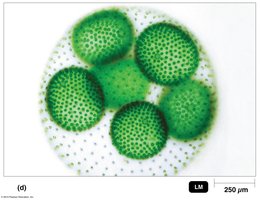
Algae are eukaryotic organisms that perform photosynthesis and contribute to oxygen production.
Cell walls contain cellulose.
Produce molecular oxygen and organic compounds.
Viruses
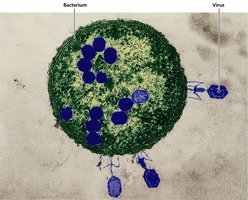
Viruses are acellular entities that require a host cell for replication.
Consist of a DNA or RNA core surrounded by a protein coat, sometimes with a lipid envelope.
Replicate only inside living host cells.
Multicellular Animal Parasites
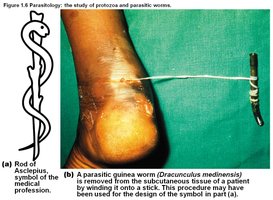
These include eukaryotic multicellular organisms such as flatworms and roundworms (helminths) with microscopic life stages.
Parasitic worms can cause significant human diseases.
Size Range of Microbes
Microorganisms vary greatly in size, from viruses (~100 nm) to bacteria (~1 μm) to eukaryotic cells (~10–100 μm). Objects must be about 100 μm to be visible without a microscope.
Historical Foundations of Microbiology
The First Observations
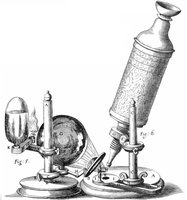
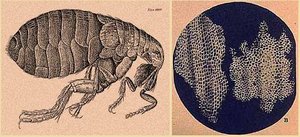
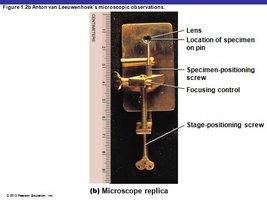
Early microscopy led to the discovery of cells and microorganisms.
1665: Robert Hooke observed cells in cork and published Micrographia.
1673–1723: Anton van Leeuwenhoek described live microorganisms using simple microscopes.
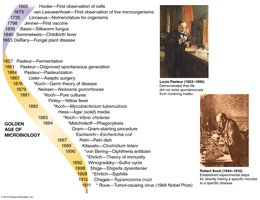
The Golden Age of Microbiology (1857–1914)
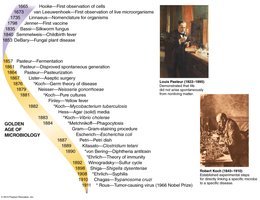
This era saw major discoveries linking microbes to disease, immunity, and antimicrobial drugs.
Pasteur disproved spontaneous generation and developed pasteurization.
Koch established experimental methods (Koch's postulates) to link microbes to specific diseases.
Development of vaccines and antibiotics began.
Spontaneous Generation vs. Biogenesis
Debate existed over whether life could arise spontaneously from nonliving matter (spontaneous generation) or only from preexisting life (biogenesis).
Pasteur's swan-neck flask experiments definitively disproved spontaneous generation.
Fermentation and the Scientific Method
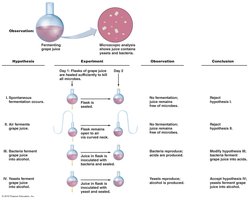
Pasteur applied the scientific method to demonstrate that microorganisms cause fermentation and spoilage, not air or spontaneous processes.
The Germ Theory of Disease
The germ theory states that specific microorganisms cause specific diseases. Robert Koch provided experimental evidence for this theory and developed Koch's postulates.
Koch's postulates are a series of steps to prove the causative agent of a disease.
Notable Scientists and Discoveries
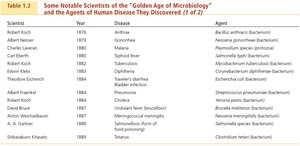
Many scientists contributed to the identification of disease-causing microbes during the Golden Age of Microbiology.
Scientist | Year | Disease | Agent |
|---|---|---|---|
Robert Koch | 1876 | Anthrax | Bacillus anthracis (Bacterium) |
Albert Neisser | 1879 | Gonorrhea | Neisseria gonorrhoeae (Bacterium) |
Carl Eberth | 1880 | Typhoid fever | Salmonella (Bacterium) |
Theodore Escherich | 1884 | Bacterial diarrhea | Escherichia coli (Bacterium) |
David Bruce | 1887 | Undulant fever (brucellosis) | Brucella (Bacterium) |
Shibasaburo Kitasato | 1889 | Tetanus | Clostridium tetani (Bacterium) |
Additional info: | See Table 1.2 for more scientists and discoveries. | ||
Vaccination and Chemotherapy
Vaccination
Edward Jenner's work with cowpox virus led to the development of vaccination, providing immunity against smallpox. Vaccination is derived from the Latin 'vacca' for cow.
Modern Chemotherapy
Chemotherapy refers to the treatment of disease with chemicals. Antibiotics are natural substances produced by microbes that inhibit or kill other microbes. Alexander Fleming discovered penicillin, the first antibiotic, in 1928.
Modern Developments in Microbiology
Microbiology has expanded into specialized fields:
Bacteriology: Study of bacteria
Mycology: Study of fungi
Virology: Study of viruses
Parasitology: Study of protozoa and parasitic worms
Immunology: Study of immunity
Microbial Ecology
Microorganisms play crucial roles in recycling elements such as carbon, nitrogen, sulfur, and phosphorus, supporting life on Earth.
Emerging Infectious Diseases and Antibiotic Resistance
Microbiology continues to address challenges such as emerging infectious diseases (e.g., MRSA, bird flu, Zika, COVID-19) and the rise of antibiotic-resistant pathogens.
MRSA: Methicillin-resistant Staphylococcus aureus is a significant concern due to resistance to multiple antibiotics.
Additional info: This chapter provides foundational knowledge for understanding the diversity, classification, and significance of microorganisms, as well as the historical context of microbiology as a scientific discipline.
