 Back
Chapter 1: The Microbial World and You – Foundations of Microbiology
Study Guide - Smart Notes
 Tailored notes based on your materials, expanded with key definitions, examples, and context.
Chapter 1: The Microbial World and You
Introduction to Microbiology
Microbiology is the study of microorganisms—organisms too small to be seen with the naked eye. This field explores the diversity, structure, function, and impact of microbes on health, disease, and the environment. Microorganisms are ubiquitous and play essential roles in ecological cycles, biotechnology, and human health.
Key Concepts in Biology and Microbiology
Biology is dynamic: Scientific understanding evolves as new discoveries are made. Hypotheses and theories are continually tested and updated.
Exceptions exist: Biological systems often have exceptions to general rules.
Microbiology is foundational: It helps us understand life at the microscopic level and its broader implications.
Discovery in Science
Science is dynamic: New findings can change our understanding of microorganisms and their roles.
Hypothesis vs. Theory: A hypothesis is a testable prediction, while a theory is a well-substantiated explanation based on evidence.
Major Questions in Microbiology
What makes something a microorganism?
Where are microorganisms found?
Why is it important to study microorganisms?
What is the microbiome?
What is Microbiology?
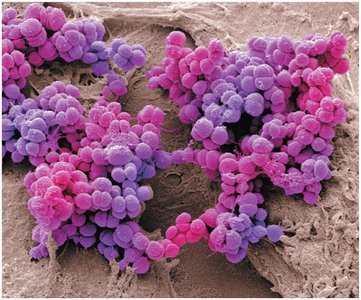
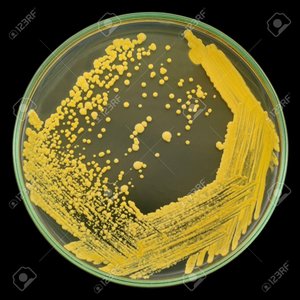
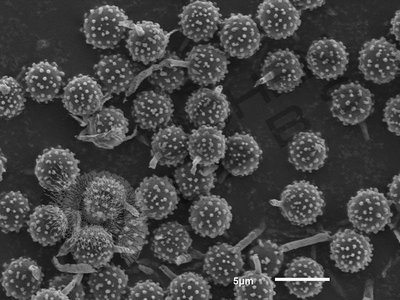
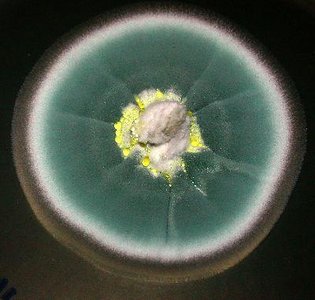
Microbiology is the study of organisms too small to be seen without magnification. These include bacteria, fungi, protozoa, viruses, and multicellular parasites. Microbes are found everywhere—on and in our bodies, in soil, water, and air.
The Microbiome
The microbiome refers to the community of microorganisms that colonize a well-defined habitat, including both the microbes and their environment (host). The microbiota are the organisms inhabiting the microbiome. The human microbiome is crucial for health, aiding in digestion, immunity, and protection against pathogens.
Types of Microorganisms
Bacteria: Single-celled prokaryotes with diverse metabolic capabilities.
Fungi: Can be unicellular (yeasts) or multicellular (molds, mushrooms).
Protozoa: Unicellular eukaryotes, often motile and found in aquatic environments.
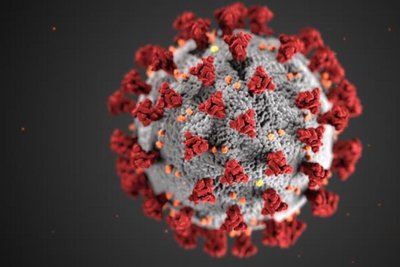
Viruses: Acellular entities requiring host cells to replicate.
Multicellular Animal Parasites: Includes helminths (worms) and arthropods.
Nomenclature and Classification
Microorganisms are named using a binomial system established by Carolus Linnaeus. Each organism has a genus and species name, which are italicized or underlined. The genus is capitalized, and the species is lowercase (e.g., Escherichia coli).
Genus: Capitalized, groups related species.
Species: Lowercase, identifies the specific organism.
Scientific names: Universal, Latinized, and may honor scientists or describe features.
Classification of Microorganisms
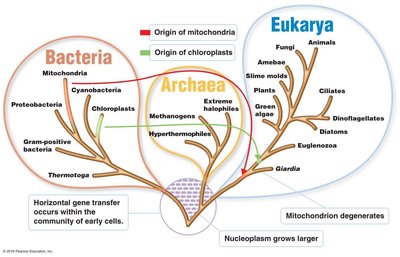
Microorganisms are classified into three domains: Bacteria, Archaea, and Eukarya. This classification reflects evolutionary relationships and cellular organization.
Historical Milestones in Microbiology
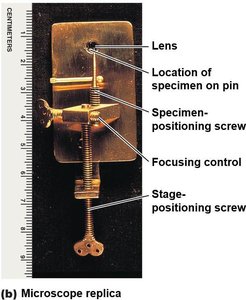
Anton van Leeuwenhoek (1623–1673): First to observe microorganisms, called them "animalcules." Used simple microscopes to view samples from teeth and water.
Robert Hooke (1665): Reported that living things are composed of cells, marking the beginning of cell theory.
Cell Theory
Cell theory is a fundamental concept in biology, stating:
The cell is the smallest unit of life.
All living things are composed of cells.
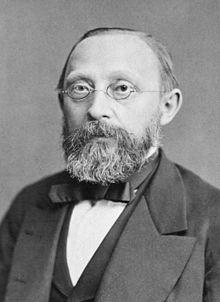
All cells arise from preexisting cells (Rudolf Virchow, 1858).
The Debate over Spontaneous Generation
Spontaneous generation was the belief that life could arise from nonliving matter. Key experiments challenged this idea:
Francesco Redi (1668): Showed that maggots only appeared in meat when flies could lay eggs, supporting biogenesis.
John Needham (1745): Claimed microbes arose spontaneously in boiled broth.
Lazzaro Spallanzani (1765): Showed that sealed, boiled broth did not produce microbes, supporting biogenesis.
Rudolf Virchow (1858): Proposed biogenesis—cells arise from preexisting cells.
Louis Pasteur (1861): Demonstrated that microorganisms are present in the air and do not arise spontaneously.
Germ Theory of Disease
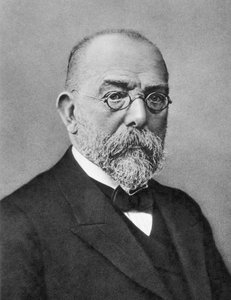
The germ theory states that microorganisms are the cause of many diseases. This concept was established by Robert Koch and built upon the work of Lister and Semmelweis, who introduced aseptic techniques to reduce infection.
Pathogens: Microbes that cause disease.
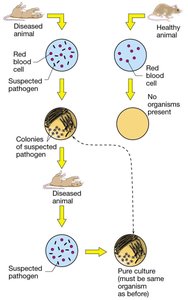
Koch’s Postulates (1890): Criteria to prove that a specific microbe causes a specific disease:
The pathogen must be present in all cases of the disease.
The pathogen must be isolated in pure culture.
The cultured pathogen must cause disease in a healthy host.
The same pathogen must be re-isolated from the experimentally infected host.
Treatment and Prevention of Infectious Diseases
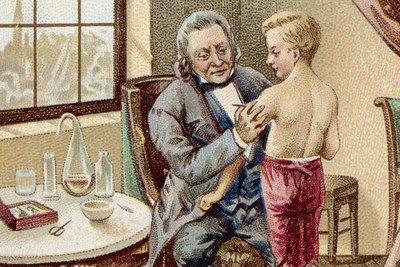
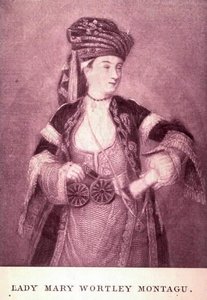
Variolation and Vaccination: Early methods to prevent smallpox and other diseases.
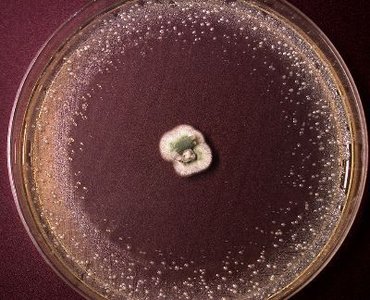
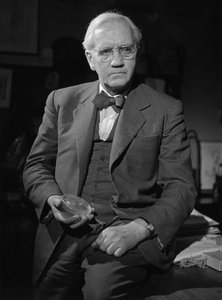
Antimicrobial Drugs: Discovery of antibiotics (e.g., penicillin by Alexander Fleming in 1928) revolutionized treatment.
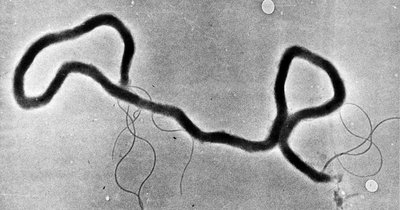
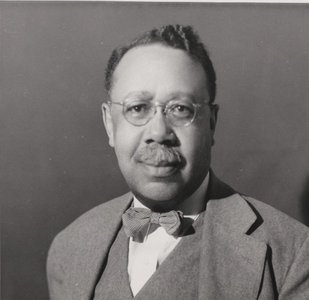
Rapid Identification: Development of serological tests (e.g., Dr. William Augustus Hinton’s syphilis test in 1927).
Modern Biotechnology and Recombinant DNA Technology
Biotechnology uses microbes for practical applications, such as producing foods, chemicals, and pharmaceuticals. Recombinant DNA technology enables the genetic modification of bacteria and fungi to produce proteins, vaccines, and enzymes.
Microbes in the Environment
Microbial ecology studies the relationship between microorganisms and their environment. Microbes recycle vital elements (carbon, oxygen, nitrogen, sulfur, phosphorus) into forms usable by plants and animals, contributing to environmental homeostasis and processes like sewage treatment.

Normal Microbiota and the Human Microbiome
Normal microbiota are microbes that inhabit the human body without causing disease. They play essential roles in health, including:
Protecting against pathogens
Aiding digestion
Stimulating the immune system
Summary Table: Key Historical Milestones in Microbiology
Scientist | Contribution | Year |
|---|---|---|
Anton van Leeuwenhoek | First observation of microorganisms | 1673 |
Robert Hooke | Cell theory: living things made of cells | 1665 |
Francesco Redi | Disproved spontaneous generation for animals | 1668 |
Louis Pasteur | Disproved spontaneous generation for microbes | 1861 |
Robert Koch | Germ theory of disease, Koch's postulates | 1876 |
Alexander Fleming | Discovery of penicillin | 1928 |
Conclusion
Microbiology is a foundational science that explores the unseen world of microorganisms. Understanding microbes is essential for advances in medicine, biotechnology, environmental science, and public health. The field continues to evolve as new discoveries are made, emphasizing the importance of scientific inquiry and critical thinking.
