 Back
Chapter 10: Classification of Microorganisms – Structured Study Notes
Study Guide - Smart Notes
 Tailored notes based on your materials, expanded with key definitions, examples, and context.
Classification of Microorganisms
Introduction to Taxonomy and Phylogeny
Taxonomy is the science of classifying organisms to reflect their evolutionary relationships and similarities. Systematics, or phylogeny, studies the evolutionary history of organisms, grouping them based on common ancestry and genetic evidence. - Taxonomy: The science of classification, arranging organisms into hierarchical categories (taxa). - Taxon: A category or group in taxonomy, such as species, genus, or family. - Phylogeny: The evolutionary history and relationships among organisms.
Historical Development of Classification Systems
The classification of living organisms has evolved from simple two-kingdom systems to complex multi-domain models. - Linnaeus (1735): Introduced Plantae and Animalia kingdoms. - Von Nägeli & Haeckel (1800s): Proposed inclusion of bacteria and fungi in Plantae; Haeckel added Protista. - Murray (1937): Introduced Prokaryote to distinguish cells without a nucleus. - Whittaker (1969): Proposed the five-kingdom system. - Woese (1978): Developed the three-domain system based on rRNA nucleotide sequences. 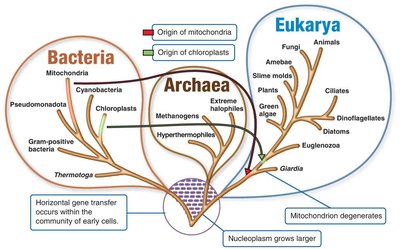
The Three-Domain System
The three-domain system divides life into Bacteria, Archaea, and Eukarya, based on molecular and cellular characteristics. - Bacteria: Prokaryotic, peptidoglycan cell walls, diverse metabolic pathways. - Archaea: Prokaryotic, unique membrane lipids, often extremophiles (methanogens, halophiles, hyperthermophiles). - Eukarya: Eukaryotic, includes animals, plants, fungi, and protists. 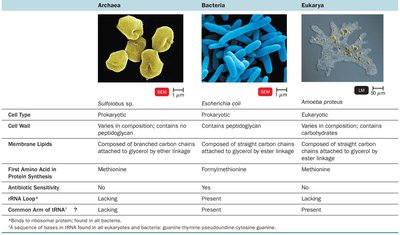
Domain | Cell Type | Cell Wall | Membrane Lipids | rRNA |
|---|---|---|---|---|
Bacteria | Prokaryotic | Peptidoglycan | Ester-linked | Present |
Archaea | Prokaryotic | Varies, no peptidoglycan | Ether-linked | Lacking |
Eukarya | Eukaryotic | Varies, no peptidoglycan | Ester-linked | Lacking |
Endosymbiont Theory
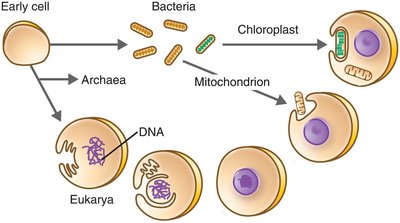
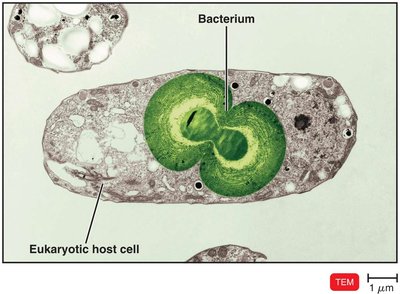
The endosymbiont theory explains the origin of eukaryotic cells as a result of prokaryotic cells living inside one another. - Infoldings of plasma membrane may have formed the nucleus. - Endosymbiotic bacteria evolved into organelles such as mitochondria and chloroplasts. 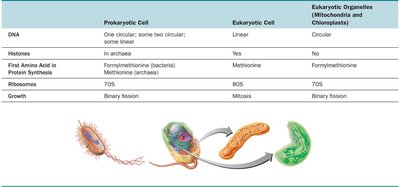
Phylogenetic Trees and Molecular Clocks
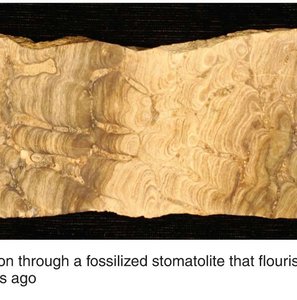
Phylogenetic trees group organisms by common properties and evolutionary evidence, such as fossils and genome sequencing. - Molecular clock: Mutations accumulate at a constant rate, helping estimate divergence times. - rRNA sequencing: Used to determine evolutionary relationships among prokaryotes. 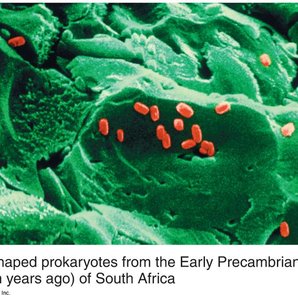
Scientific Nomenclature and Major Taxa
Scientific Names and Binomial Nomenclature
Scientific names provide consistency and clarity across languages and regions. - Binomial nomenclature: Each organism is given a two-part name: Genus and specific epithet (species). - Example: Homo sapiens, Salmonella enterica, Streptococcus pyogenes.
Major Taxa in Classification
The hierarchical structure of classification includes several major taxa: - Domain - Kingdom - Phylum - Class - Order - Family - Genus - Species
Culture, Clone, and Strain
- Culture: Bacteria grown in laboratory media. - Clone: Population of cells derived from a single parent cell. - Strain: Genetically different cells within a clone.
Classification of Eukaryotes
Eukaryotes are classified into four kingdoms: - Protista: Mostly unicellular, nutritionally diverse, grouped by rRNA clades. - Fungi: Chemoheterotrophic, cell walls of chitin, develop from spores or hyphal fragments. - Plantae: Multicellular, cellulose cell walls, photosynthetic. - Animalia: Multicellular, no cell walls, ingest organic matter.
Classification of Viruses
Viruses are not part of any domain; they require a host cell and are classified by morphology, genome, enzymes, and ecological niche.
Methods of Classifying and Identifying Microorganisms
Bergey’s Manual
- Bergey’s Manual of Systematics of Archaea and Bacteria: Classification scheme for prokaryotes. - Bergey’s Manual of Determinative Bacteriology: Identification schemes for bacteria and archaea.
Conventional Identification Methods
- Morphology: Useful for identifying eukaryotes; limited for prokaryotes. - Differential staining: Gram staining, acid-fast staining. - Biochemical tests: Determine presence of bacterial enzymes (exoenzymes, endoenzymes). 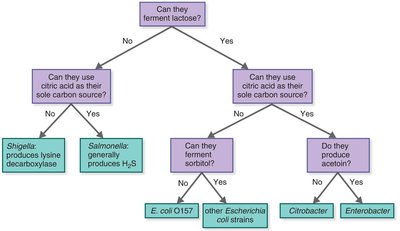
Biochemical Tests
Biochemical tests are widely used to differentiate bacteria based on enzymatic activities. - Rapid identification methods: Perform multiple tests simultaneously, results in 4–24 hours. - Automated systems: Use mass spectrophotometry to analyze protein profiles. 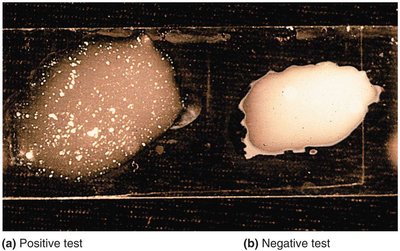
Serological Tests
Serology studies serum and immune responses. - Slide agglutination test: Bacteria agglutinate when mixed with specific antibodies. - ELISA (Enzyme-Linked Immunosorbent Assay): Direct ELISA detects antigens; indirect ELISA detects antibodies. 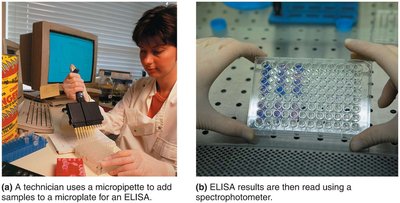
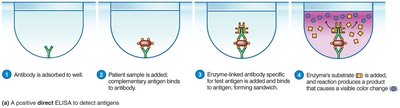
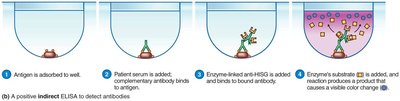
Phage Typing
Phage typing determines which bacteriophages a bacterium is susceptible to, useful for tracing infections. 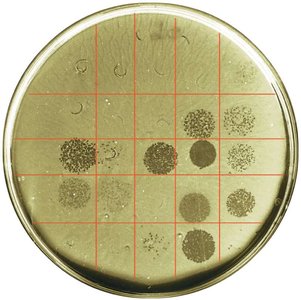
Flow Cytometry
Flow cytometry separates cells based on size and markers using laser technology, allowing rapid identification without culturing. 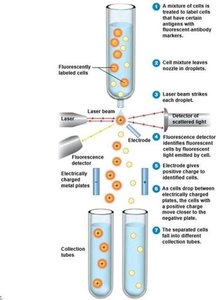
Whole Genome Sequencing
DNA base composition (G+C content) and next-generation sequencing are used for classification and identification.
Nucleic Acid Hybridization
Measures the ability of DNA strands from different organisms to hybridize, indicating relatedness. - Hybridization >70%: Indicates same species. 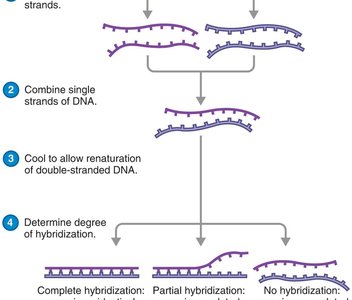
Nucleic Acid Amplification Tests (NAATs)
PCR and related methods amplify DNA for identification, even from unculturable organisms. 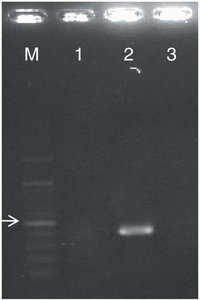
Southern Blotting
Uses nucleic acid hybridization to identify unknown microorganisms with DNA probes. 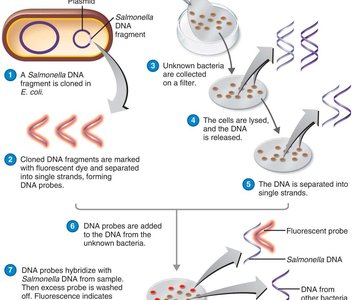
DNA Chips (Microarrays)
DNA chips contain probes to detect pathogens by hybridization, visualized by fluorescence. 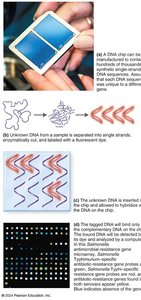
Ribotyping and FISH
- Ribotyping: Uses rRNA sequencing for identification. - FISH (Fluorescent In Situ Hybridization): Uses fluorescent probes to stain and identify microorganisms in environmental samples.
Dichotomous Keys and Cladograms
- Dichotomous key: Stepwise tool for identification based on observable characteristics. - Cladogram: Diagram showing evolutionary relationships, used for classification. 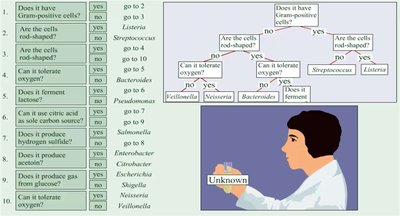
Summary Table: Major Methods of Microbial Classification and Identification
Method | Purpose | Example/Application |
|---|---|---|
Morphology | Identification | Gram stain, shape |
Biochemical Tests | Identification | Enzyme activity, metabolic pathways |
Serology | Identification | ELISA, agglutination |
Phage Typing | Identification | Tracing outbreaks |
Flow Cytometry | Identification | Cell sorting |
Genome Sequencing | Classification/Identification | G+C content, NCBI database |
Nucleic Acid Hybridization | Classification/Identification | Southern blot, DNA chips |
Ribotyping/FISH | Classification/Identification | rRNA sequencing, environmental studies |
Key Terms and Concepts
- Taxonomy - Phylogeny - Domain - Kingdom - Binomial nomenclature - Culture, clone, strain - Endosymbiont theory - Biochemical tests - Serology - Phage typing - Flow cytometry - Genome sequencing - Nucleic acid hybridization - Dichotomous key - Cladogram
Equations and Formulas
DNA Base Composition: Hybridization Percentage:
Conclusion
Chapter 10 provides a comprehensive overview of the classification and identification of microorganisms, emphasizing the importance of taxonomy, phylogeny, and modern molecular techniques. Understanding these concepts is essential for studying microbial diversity, evolution, and clinical microbiology. ----------------------------------------
