 Back
Chapter 2: The Chemistry of Microbiology - Structured Study Notes
Study Guide - Smart Notes
 Tailored notes based on your materials, expanded with key definitions, examples, and context.
Chapter 2: The Chemistry of Microbiology
Atoms and Atomic Structure
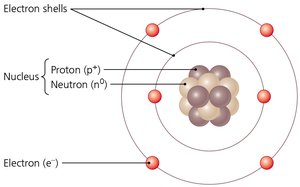
Understanding the basic structure of atoms is fundamental to microbiology, as all biological molecules are composed of atoms. Atoms are the smallest units of matter and consist of a nucleus surrounded by electron shells.
Matter: Anything that takes up space and has mass.
Atoms: Smallest chemical units of matter.
Atomic Structure: Atoms contain protons (positively charged), neutrons (uncharged), and electrons (negatively charged).
Element: Substance composed of a single type of atom.
Atomic Number: Number of protons in the nucleus.
Atomic Mass: Sum of masses of protons, neutrons, and electrons.
Isotopes
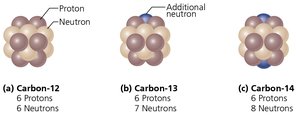
Isotopes are variants of elements with different numbers of neutrons. Some are stable, while others are radioactive and release energy during decay.
Stable Isotopes: Do not undergo radioactive decay.
Unstable/Radioactive Isotopes: Release energy during decay.
Electron Configuration and Chemical Behavior
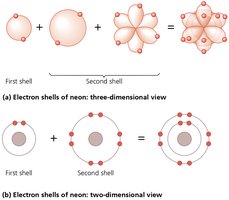
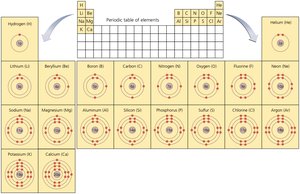
Electrons occupy shells around the nucleus. The outermost electrons, called valence electrons, determine how atoms interact and form bonds.
Electron Shells: Levels where electrons reside.
Valence Electrons: Electrons in the outermost shell; responsible for chemical interactions.
Chemical Bonds
Types of Chemical Bonds
Chemical bonds are formed by the interaction of valence electrons. The main types are covalent, ionic, and hydrogen bonds.
Covalent Bonds: Atoms share pairs of electrons. Can be nonpolar (equal sharing) or polar (unequal sharing).
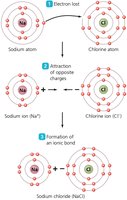
Ionic Bonds: Atoms transfer electrons, resulting in charged ions (cations and anions) that attract each other.
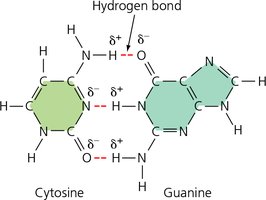
Hydrogen Bonds: Weak electrical attraction between partially charged hydrogen and other atoms; important for stabilizing large molecules.
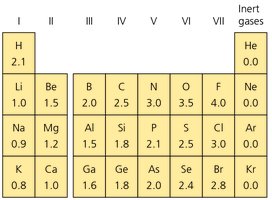
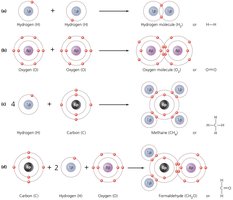
Nonpolar Covalent Bonds
Electrons are shared equally between atoms with similar electronegativities. No charge separation occurs.
Example: Carbon atoms form four nonpolar covalent bonds.
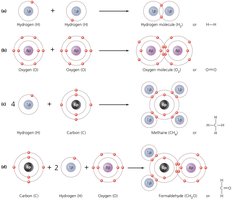
Polar Covalent Bonds
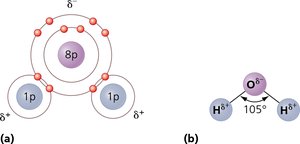
Electrons are shared unequally, resulting in partial charges. Most important in biological molecules is the polar covalent bond in water.
Example: Water molecule (H2O) has partial positive and negative charges.
Ionic Bonds
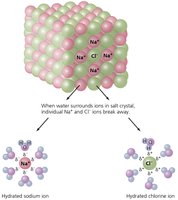
Formed when atoms with very different electronegativities transfer electrons, creating ions that attract each other.
Cation: Positively charged ion.
Anion: Negatively charged ion.
Example: Sodium chloride (NaCl) formation.
Hydrogen Bonds
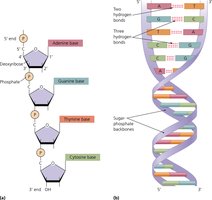
Hydrogen bonds are weaker than covalent bonds but are essential for life, stabilizing the 3D shapes of large molecules like DNA and proteins.
Example: Hydrogen bonding between cytosine and guanine in DNA.
Chemical Reactions
Types of Chemical Reactions
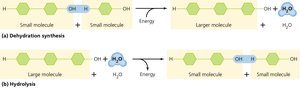
Chemical reactions involve the making or breaking of bonds, resulting in new substances. In living organisms, these reactions are collectively called metabolism.
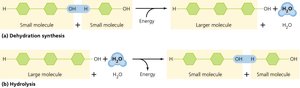
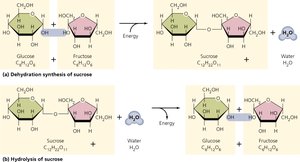
Synthesis Reactions: Build larger molecules; require energy (endothermic). Example: Dehydration synthesis.
Decomposition Reactions: Break down molecules; release energy (exothermic). Example: Hydrolysis.
Exchange Reactions: Involve both breaking and forming bonds; atoms are exchanged between molecules.
Water, Acids, Bases, and Salts
Properties of Water
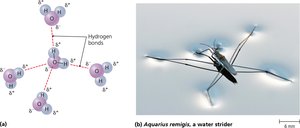
Water is the most abundant substance in organisms and has unique properties due to its polar covalent bonds.
Cohesion: Water molecules stick together, generating surface tension.
Solvent: Excellent at dissolving substances.
Thermal Stability: Remains liquid across a wide temperature range.
Heat Absorption: Can absorb significant heat without changing temperature.
Acids and Bases
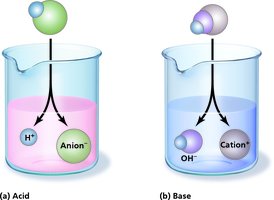
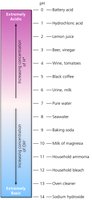
Acids and bases are substances that dissociate in water to produce ions. The concentration of hydrogen ions (H+) is measured by the pH scale.
Acid: Dissociates into H+ and anions.
Base: Binds with H+ or dissociates into OH− and cations.
Buffer: Prevents drastic changes in pH.
Microbial Growth: Most microbes grow best between pH 6.5 and 8.5.
Salts
Salts dissociate in water to form cations and anions other than H+ and OH−. These ions are electrolytes, essential for cellular functions.
Electrolytes: Create electrical differences, transfer electrons, and form enzyme components.
Organic Macromolecules
Functional Groups and Macromolecules
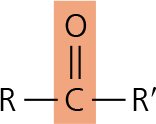
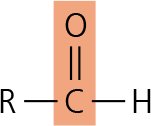
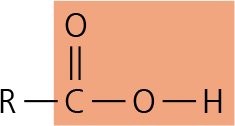
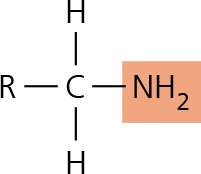
Organic molecules contain carbon and hydrogen, often arranged in functional groups. Macromolecules are large molecules essential for life, built from monomers.
Lipids
Carbohydrates
Proteins
Nucleic Acids
Lipids
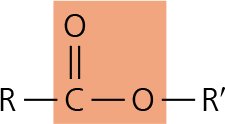
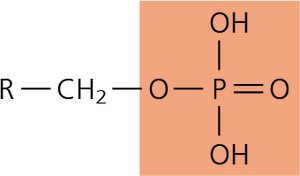
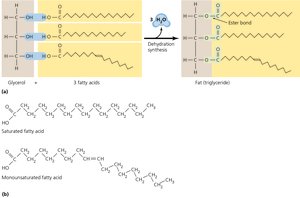
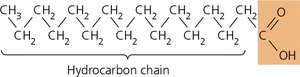
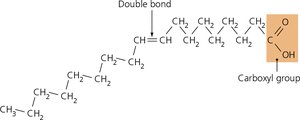
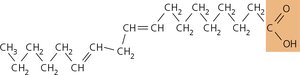
Lipids are hydrophobic molecules not composed of regular subunits. They include fats, phospholipids, waxes, and steroids.
Fats (Triglycerides): Composed of glycerol and three fatty acids.
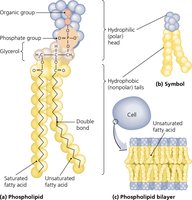
Phospholipids: Major component of cell membranes.
Waxes: One long-chain fatty acid linked to alcohol; insoluble in water.
Steroids: Four-ring structure; includes cholesterol.

Carbohydrates
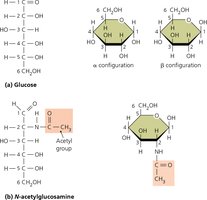
Carbohydrates are organic molecules composed of carbon, hydrogen, and oxygen. They serve as energy sources, structural components, and are involved in cell interactions.
Monosaccharides: Simple sugars (e.g., glucose).
Disaccharides: Two monosaccharides joined (e.g., sucrose).
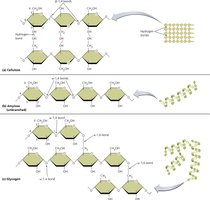
Polysaccharides: Long chains of monosaccharides (e.g., cellulose, glycogen).
Proteins
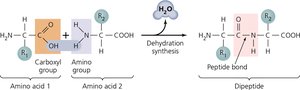
Proteins are polymers of amino acids and perform a wide range of functions, including catalysis, regulation, transport, and defense.
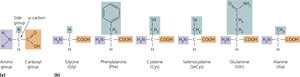
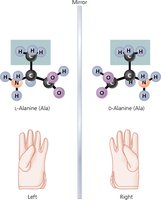
Amino Acids: Monomers of proteins; 21 types used in organisms.
Peptide Bond: Covalent bond linking amino acids.
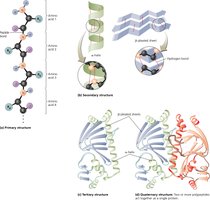
Protein Structure: Primary, secondary, tertiary, and quaternary levels.
Nucleotides and Nucleic Acids
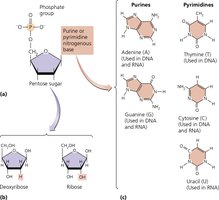
Nucleic acids (DNA and RNA) are polymers of nucleotides and are vital for genetic information storage and transfer.
Nucleotide: Composed of phosphate, pentose sugar, and nitrogenous base.
Nucleoside: Nucleotide lacking phosphate.
DNA: Double-stranded, complementary, antiparallel.
RNA: Single-stranded, involved in protein synthesis.
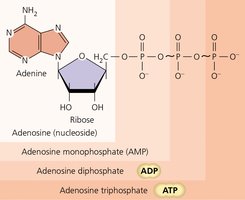
ATP (Adenosine Triphosphate)
ATP is the main short-term energy supply for cells. Energy is released when its phosphate bonds are broken.
ATP Supply: Limited and must be replenished.
Additional info: These notes expand upon the original slides and images, providing definitions, examples, and academic context for each topic. All images included are directly relevant to the adjacent explanations, reinforcing key concepts in the chemistry of microbiology.
