 Back
BackChapter 7: The Control of Microbial Growth – Study Notes
Study Guide - Smart Notes
 Tailored notes based on your materials, expanded with key definitions, examples, and context.
Chapter 7: The Control of Microbial Growth
7.1 Terminology of Microbial Control
This section introduces essential terms and concepts related to the control of microbial growth, which are foundational for understanding sterilization, disinfection, and related practices in microbiology.
Sepsis: Refers to bacterial contamination. Common causative agents include Staphylococcus aureus, Streptococcus pyogenes, Klebsiella spp., Escherichia coli, and Pseudomonas aeruginosa. Sepsis is a life-threatening systemic response to infection.
Asepsis: The absence of significant contamination. Aseptic techniques are crucial in surgery to prevent microbial contamination of wounds.
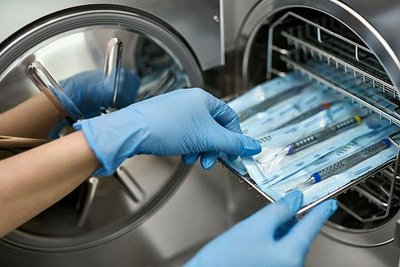
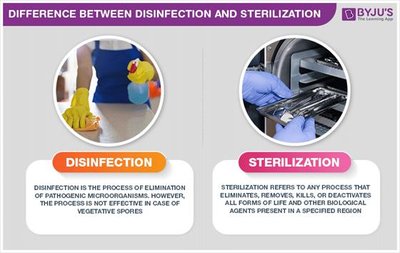
Sterilization: The removal or destruction of all microbial life, including endospores. Commercial sterilization targets Clostridium botulinum endospores in canned goods but may not achieve absolute sterility.
Disinfection: The destruction of harmful microorganisms, typically on inanimate objects.
Antisepsis: The destruction of harmful microorganisms on living tissue.
Degerming: Mechanical removal of microbes from a limited area (e.g., alcohol swab before injection).
Sanitization: Lowering microbial counts on eating utensils to safe levels (e.g., high-heat dishwasher).
Biocide/Germicide: Agents that kill microbes; the suffix -cide means to kill.
Bacteriostasis: Inhibition, not killing, of microbes; the suffix -stat means to inhibit.

7.2 The Rate of Microbial Death
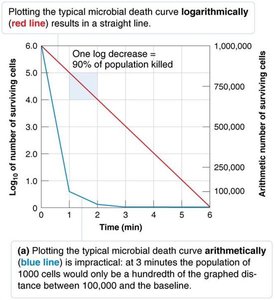
Microbial populations typically die at a constant rate when exposed to antimicrobial agents. Understanding the death curve is essential for effective sterilization and disinfection.
Factors Affecting Death Rate: Number of microbes, environment (organic matter, temperature, biofilms), time of exposure, and microbial characteristics.
Exponential Death Rate: Bacterial populations die logarithmically; each minute, a constant percentage of the population is killed.
Death Curve: Logarithmic plotting of microbial death results in a straight line, facilitating analysis of sterilization efficiency.
7.3 Actions of Microbial Control Agents
Microbial control agents act by targeting essential cellular components, leading to cell death or inhibition.
Alteration of Membrane Permeability: Damage to the plasma membrane disrupts cellular integrity and function.
Damage to Proteins (Enzymes): Breaking hydrogen and covalent bonds denatures proteins, halting cellular metabolism.
Damage to Nucleic Acids: Interferes with DNA and RNA, preventing replication and protein synthesis.
7.4 Physical Methods of Microbial Control
Physical methods are widely used to control microbial growth in clinical, laboratory, and industrial settings.
Heat
Denatures enzymes and proteins, leading to cell death.
Thermal Death Point (TDP): Lowest temperature at which all cells in a liquid culture are killed in 10 minutes.
Thermal Death Time (TDT): Minimal time for all bacteria in a liquid culture to be killed at a given temperature.
Decimal Reduction Time (DRT): Time required to kill 90% of a population at a given temperature.
Moist Heat Sterilization
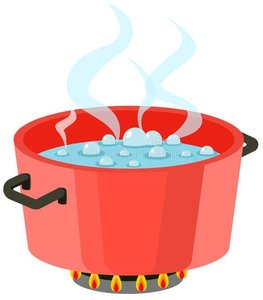
Boiling: Kills vegetative forms of bacteria, viruses, and fungi within 10 minutes.
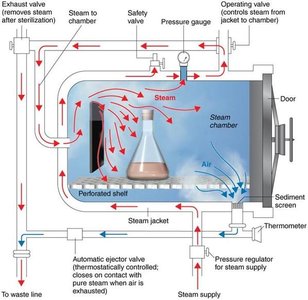
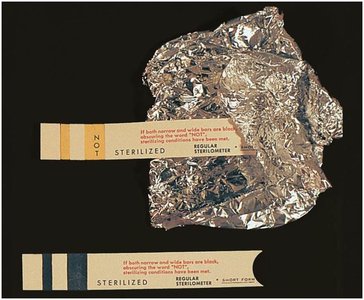
Autoclaving: Steam under pressure (121°C, 15 psi, 15 min) kills all organisms and endospores. Steam must contact the item’s surface.
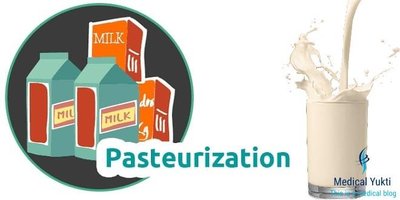
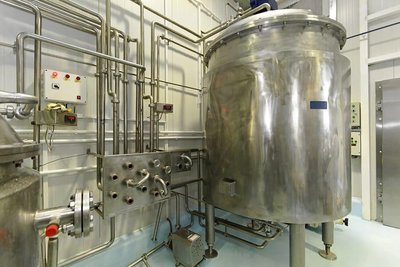
Pasteurization: High-temperature short-time (HTST, 72°C for 15 sec) reduces spoilage organisms and pathogens; ultra-high-temperature (UHT, 140°C for 4 sec) sterilizes milk for long-term storage.

Dry Heat Sterilization
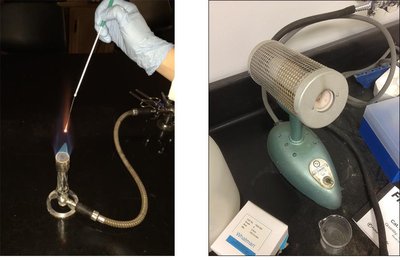
Kills by oxidation: Includes flaming, incineration, and hot-air sterilization.
Filtration
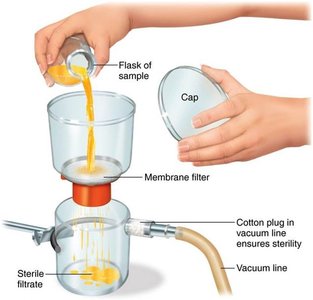
Used for heat-sensitive materials. HEPA filters remove microbes >0.3 μm; membrane filters can remove viruses and large proteins.
Other Physical Methods
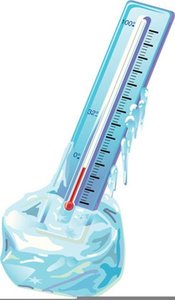
Low Temperature: Bacteriostatic effect (refrigeration, deep-freezing, lyophilization).
High Pressure: Denatures proteins; endospores are resistant.
Desiccation: Absence of water prevents metabolism.
Osmotic Pressure: High salt/sugar concentrations cause plasmolysis.

Radiation
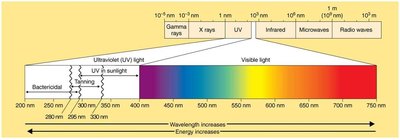
Ionizing Radiation: (X-rays, gamma rays, electron beams) damages DNA by causing lethal mutations.
Nonionizing Radiation: (UV, 260 nm) damages DNA by creating thymine dimers.
Microwaves: Kill by heat, not especially antimicrobial.
7.5 Chemical Methods of Microbial Control
Chemical agents are used to disinfect, sanitize, and sterilize surfaces and instruments. Their effectiveness depends on several factors and is evaluated by standardized tests.
Principles of Effective Disinfection
Concentration of disinfectant
Presence of organic matter
pH
Time of exposure
Testing Disinfectant Efficacy
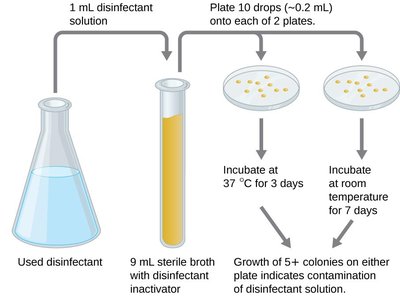
Use-Dilution Test: Determines the effectiveness of a disinfectant against selected microbes.
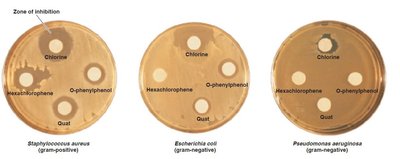
Disk-Diffusion Method: Filter paper disks soaked in chemicals are placed on microbial cultures; zones of inhibition indicate efficacy.
Major Classes of Chemical Disinfectants
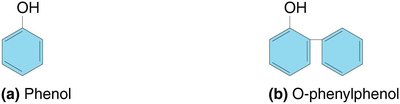
Phenol and Phenolics: Disrupt plasma membranes and remain active in the presence of organic matter.
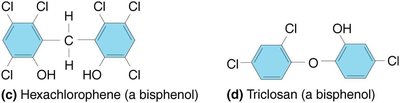
Bisphenols: Derivatives of phenol with two phenol groups; effective against gram-positive bacteria (e.g., hexachlorophene, triclosan).
Biguanides: Broad-spectrum activity, especially against gram-positive bacteria (e.g., chlorhexidine).
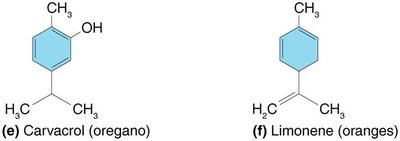
Essential Oils: Plant-derived compounds with antimicrobial activity, mainly against gram-positive bacteria.
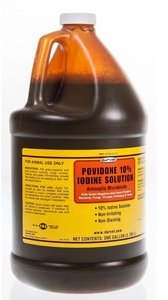
Halogens: Iodine (tincture, iodophor) and chlorine (bleach) are oxidizing agents that disrupt proteins and membranes.
Alcohols: Denature proteins and dissolve lipids; ineffective against endospores and nonenveloped viruses.
Heavy Metals: Oligodynamic action; denature proteins (e.g., silver nitrate, mercuric chloride, copper sulfate, zinc chloride).
Surface-Active Agents: Soaps (degerming), acid-anionic sanitizers, and quaternary ammonium compounds (quats) disrupt membranes and denature proteins.
Chemical Food Preservatives: Sulfur dioxide, organic acids, nitrites, and nitrates prevent spoilage and endospore germination.
Antibiotics: Bacteriocins (e.g., nisin, natamycin) prevent spoilage in foods like cheese.
Aldehydes: Inactivate proteins by cross-linking; used for preserving specimens and sterilizing medical equipment (e.g., glutaraldehyde, formaldehyde).
Chemical Sterilization: Gaseous sterilants (e.g., ethylene oxide), plasma, and supercritical fluids are used for heat-sensitive materials.
Peroxygens: Oxidizing agents (e.g., hydrogen peroxide, peracetic acid) used for surfaces and food packaging.
Effectiveness of Chemical Antimicrobials Against Endospores and Mycobacteria
The following table summarizes the effectiveness of common chemical agents against endospores and mycobacteria:
Chemical Agent | Effect against Endospores | Effect against Mycobacteria |
|---|---|---|
Glutaraldehyde | Fair | Good |
Chlorines | Fair | Fair |
Alcohols | Poor | Good |
Iodine | Poor | Good |
Phenolics | Poor | Good |
Chlorhexidine | None | Fair |
Bisphenols | None | None |
Quats | None | None |
Silver | None | None |
7.6 Microbial Characteristics and Microbial Control
The type of microbe significantly affects the efficacy of control methods. Endospores and mycobacteria are more resistant to chemical agents than other bacteria. Gram-negative bacteria are generally more resistant to biocides than gram-positive bacteria due to their outer membrane structure.
Summary Table: Key Terms in Microbial Control
Term | Definition | Example/Application |
|---|---|---|
Sterilization | Destruction of all microbial life | Autoclaving surgical instruments |
Disinfection | Destruction of harmful microbes | Bleach on surfaces |
Antisepsis | Destruction of microbes on living tissue | Iodine on skin |
Degerming | Mechanical removal of microbes | Alcohol swab before injection |
Sanitization | Lowering microbial counts to safe levels | Dishwasher for utensils |
Bacteriostasis | Inhibition of microbial growth | Refrigeration |
Additional info: These notes provide a comprehensive overview of the terminology, mechanisms, and methods used in the control of microbial growth, as well as the factors influencing the effectiveness of physical and chemical agents. The included tables and images reinforce key concepts and applications relevant to microbiology students.
