 Back
Chemical Principles in Microbiology: Structure and Function of Biological Molecules
Study Guide - Smart Notes
 Tailored notes based on your materials, expanded with key definitions, examples, and context.
Chapter 2: Chemical Principles
Introduction to Chemical Principles in Microbiology
Understanding the chemical principles underlying biological molecules is essential for microbiology. The structure, function, and interactions of cellular components are governed by chemical properties and reactions. This chapter reviews the elements, bonds, and macromolecules that form the basis of microbial life.
Atomic and Elemental Composition of Cells
Elements Essential for Life
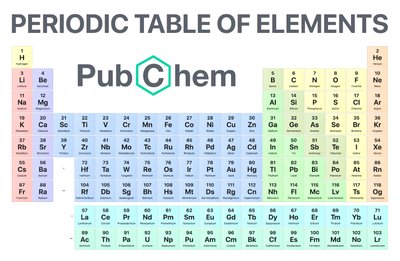
Living organisms are primarily composed of a limited set of elements, with six elements making up 99% of biological matter: carbon, hydrogen, oxygen, nitrogen, phosphorus, and sulfur. The arrangement and bonding of these elements determine the structure and function of biological molecules.
Atom: The smallest unit of matter, consisting of protons, neutrons, and electrons.
Chemical Element: A group of atoms with the same number of protons, exhibiting similar chemical behavior.
Organic Compounds: Molecules containing both carbon and hydrogen.
Chemical Bonds and Molecular Interactions
Covalent Bonds
Covalent bonds involve the sharing of electrons between atoms and are the strongest type of chemical bond. They can be non-polar (equal sharing) or polar (unequal sharing), affecting molecular polarity and interactions.
Polar Covalent Bonds: Result in molecules with partial charges, important for solubility and reactivity.
Ionic Bonds
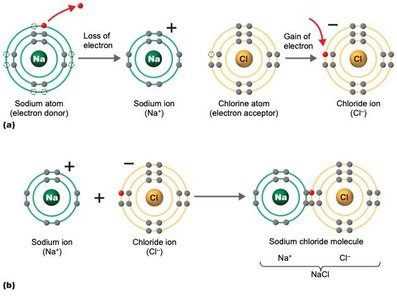
Ionic bonds are formed by the transfer of electrons from one atom to another, resulting in charged ions. These bonds are weaker than covalent bonds and often dissociate in water.
Hydrogen Bonds
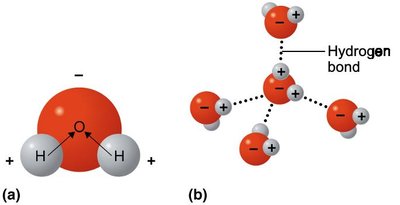
Hydrogen bonds are weak interactions between molecules with polar bonds. They play a crucial role in stabilizing the structures of proteins and nucleic acids.
Hydrogen bonds: Occur between molecules with polar covalent bonds, such as water.
Water as a Solvent and pH
Solvent Properties of Water
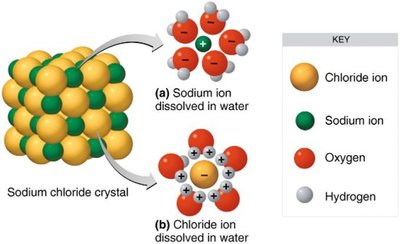
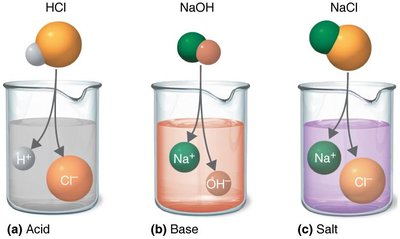
Water is a universal solvent due to its polarity, enabling it to dissolve ionic and polar substances. The dissociation of acids, bases, and salts in water is fundamental to cellular chemistry.
Acid: Dissociates to release hydrogen ions (H+).
Base: Dissociates to release hydroxide ions (OH-).
Salt: Dissociates into cations and anions, neither of which is H+ or OH-.
pH and Cellular Function
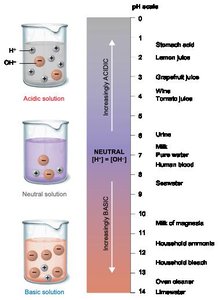
The pH scale measures the concentration of hydrogen ions in a solution. Cells are sensitive to pH, and different organisms have specific pH requirements for optimal function.
Acidic: pH < 7, [H+] > [OH-]
Basic: pH > 7, [H+] < [OH-]
Neutral: pH = 7, [H+] = [OH-]
Macromolecules in Cells
Proteins
Proteins are functional macromolecules composed of amino acids. They serve as enzymes, structural components, transporters, and motors within cells.
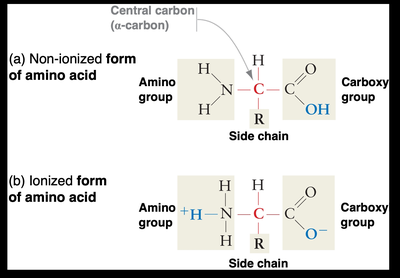
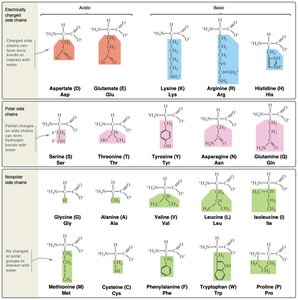
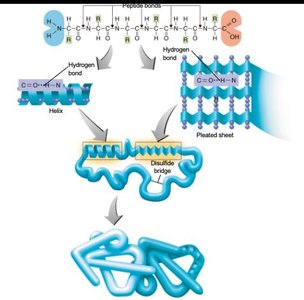
Amino Acids: Building blocks of proteins, each with a central carbon, amino group, carboxyl group, and unique side chain (R group).
Polypeptides: Chains of amino acids linked by peptide bonds.
Protein Structure: Primary (sequence), secondary (folding), tertiary (3D shape), and quaternary (multiple polypeptides).
Nucleic Acids
DNA and RNA
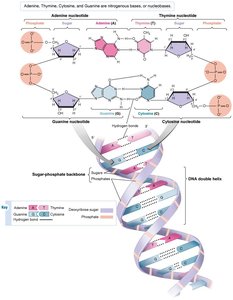
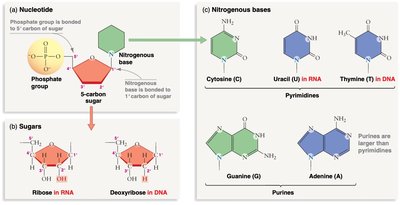
Nucleic acids are polymers of nucleotides that store and transmit genetic information. DNA is double-stranded and stores genetic information, while RNA is single-stranded and acts as a messenger between DNA and proteins.
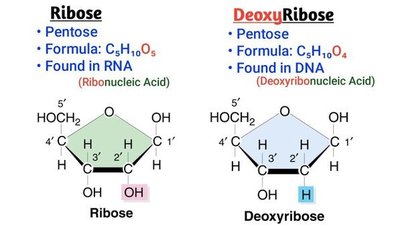
Nucleotide: Composed of a phosphate group, five-carbon sugar (ribose or deoxyribose), and a nitrogenous base.
Base Pairing: DNA bases pair via hydrogen bonds: Adenine (A) with Thymine (T), Guanine (G) with Cytosine (C).
Adenosine Triphosphate (ATP)
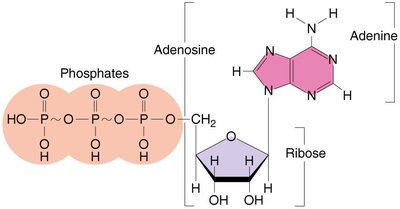
ATP is the primary energy carrier in cells, consisting of adenosine (adenine + ribose) and three phosphate groups. Energy is released when ATP is hydrolyzed to ADP and inorganic phosphate.
Carbohydrates
Structure and Function
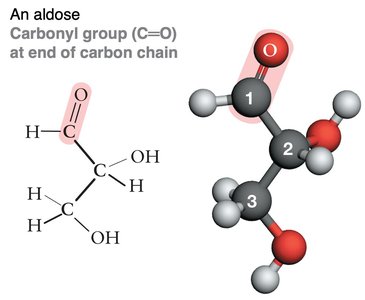
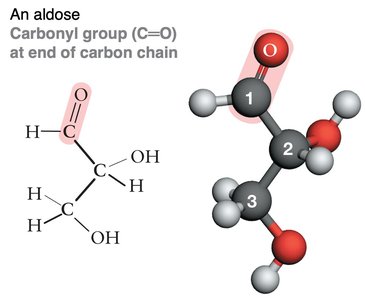
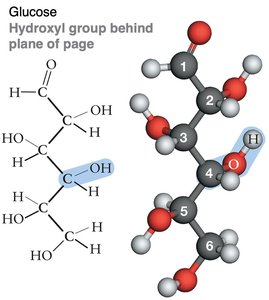
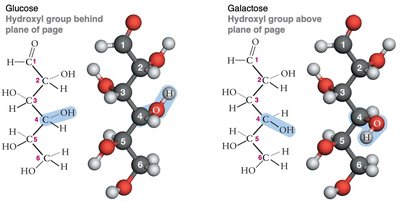
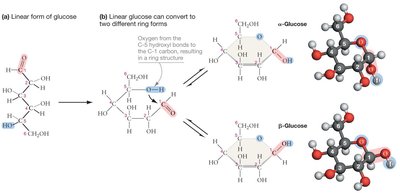
Carbohydrates are organic molecules with the general formula (C H2O)n. They play roles in energy storage, cell structure, and cell identity.
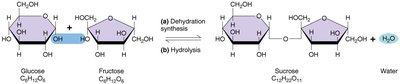
Monosaccharides: Simple sugars (e.g., glucose, galactose, fructose).
Oligosaccharides: Short chains of monosaccharides.
Polysaccharides: Long chains, such as starch, glycogen, and cellulose.
Lipids
Structure and Biological Role
Lipids are hydrophobic, carbon-containing molecules that include fats, oils, and phospholipids. They are important for energy storage, membrane structure, and signaling.
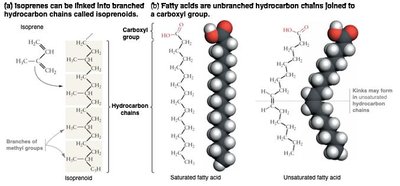
Fatty Acids: Long hydrocarbon chains with a carboxyl group.
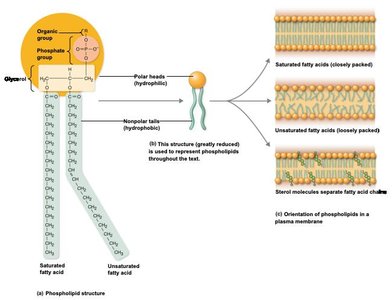
Phospholipids: Major components of cell membranes, forming bilayers due to their polar heads and nonpolar tails.
Isoprenoids: Branched hydrocarbons derived from isoprene units.
Summary of Key Concepts
Cells are composed of a limited number of elements, primarily C, H, O, N, P, and S.
Chemical bonds (covalent, ionic, hydrogen) determine molecular structure and interactions.
Water's solvent properties and pH are critical for cellular function.
Four major macromolecules—proteins, nucleic acids, carbohydrates, and lipids—are essential for life.
Proteins are made of amino acids and have complex structures.
Nucleic acids store and transmit genetic information; ATP is the cell's energy currency.
Carbohydrates provide energy and structural support; lipids form membranes and store energy.
