 Back
BackClassification and Characteristics of Eukaryotes: Protozoa, Fungi, Algae, and Helminths
Study Guide - Smart Notes
 Tailored notes based on your materials, expanded with key definitions, examples, and context.
Classification of Eukaryotes
Major Groups of Eukaryotes
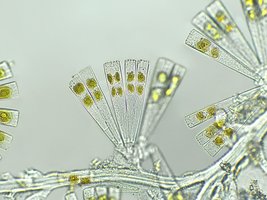
Eukaryotes are classified into four major groups: Protozoa, Fungi, Algae, and Water Molds and Slime Molds. These groups include both human pathogens and organisms essential for ecological balance and human life.
Reproduction in Eukaryotes
General Mechanisms
Eukaryotic DNA is packaged with histones as chromosomes within the nucleus. Eukaryotes exhibit a variety of asexual reproduction methods, including budding, fragmentation, spore formation, and schizogony. Many also reproduce sexually by forming gametes and zygotes. Algae, fungi, and some protozoa can reproduce both sexually and asexually.
Nuclear Division
The nucleus of eukaryotic cells may contain one (haploid) or two (diploid) complete copies of the genome. Nuclear division occurs via two main processes: mitosis and meiosis.
Mitosis: Maintains the ploidy of the parent nucleus and consists of four phases: Prophase, Metaphase, Anaphase, and Telophase.
Meiosis: Involves two sequential divisions (meiosis I and II), resulting in four haploid nuclei from a diploid nucleus. Each stage includes Prophase, Metaphase, Anaphase, and Telophase.
Cytokinesis
Cytokinesis typically occurs simultaneously with telophase of mitosis. In some algae and fungi, cytokinesis may be delayed or absent, resulting in multinucleated cells called coenocytes.
Protozoa
General Characteristics
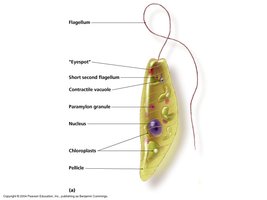
Protozoa are a diverse group of unicellular, eukaryotic organisms that lack a cell wall. With the exception of apicomplexans, protozoa are motile via cilia, flagella, or pseudopodia.
Distribution and Morphology
Protozoa require moist environments and are found in aquatic habitats worldwide, including ponds, streams, lakes, and oceans. They are critical members of plankton and can also inhabit moist soil and decaying organic matter. Most protozoa are not pathogenic.
Some ciliates possess two nuclei: a macronucleus (controls metabolism, growth, and sexual reproduction) and a micronucleus (involved in genetic recombination and regeneration).
Protozoa display diversity in mitochondrial number and structure, and some have contractile vacuoles for osmoregulation.
All free-living aquatic and pathogenic protozoa produce trophozoites; some also form cysts for survival.
Nutrition and Reproduction
Most protozoa are chemoheterotrophic, absorbing nutrients from their environment. Some, like dinoflagellates and euglenoids, are photoautotrophic.
Reproduction is primarily asexual (binary fission or schizogony), though some protozoa also reproduce sexually. Ciliates may undergo conjugation, exchanging genetic material.
Classification of Protozoa
Protozoa have been classified by various criteria, including mode of locomotion and nucleotide similarities:
Sarcodina: Move by pseudopods
Mastigophora: Move by flagella
Ciliophora: Move by cilia
Sporozoa: Non-motile
Modern classification uses nucleotide similarities, grouping protozoa into:
Parabasala: Lack mitochondria, have a parabasal body (e.g., Trichomonas)
Diplomonadida: Lack mitochondria, Golgi bodies, and peroxisomes; have two nuclei (e.g., Giardia)
Euglenozoa: Share animal and plant features, have flagella, mitochondria, and chloroplasts (e.g., Euglena)
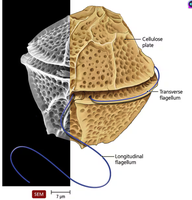
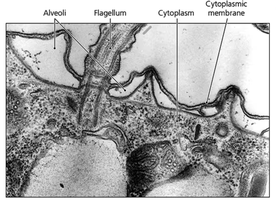
Alveolates: Have alveoli beneath the membrane; includes ciliates, apicomplexans (e.g., Plasmodium), and dinoflagellates
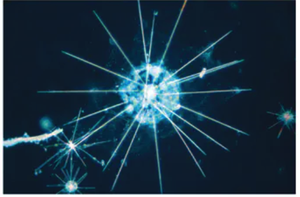
Rhizaria: Amoebas with threadlike pseudopods (e.g., Foraminifera, Radiolaria)
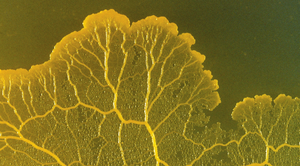
Amoebozoa: Lobe-shaped pseudopodia, no shells (e.g., Entamoeba, slime molds)
Fungi
General Characteristics
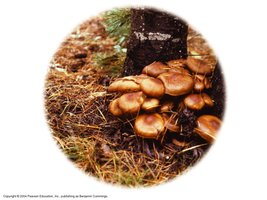
Fungi are chemoheterotrophic eukaryotes with cell walls typically composed of chitin. They lack chlorophyll and do not perform photosynthesis. Fungi are more closely related to animals than to plants.
Significance of Fungi
Decompose dead organisms and recycle nutrients
Form beneficial associations (mycorrhizae) with plant roots
Used in food production, religious ceremonies, and manufacture of foods and beverages
Produce antibiotics and serve as research tools
Some cause diseases in plants, animals, and humans
Can spoil food products
Nutrition and Body Types
Fungi acquire nutrients by absorption; most are saprobes, some are parasitic or predatory.
Most fungi are aerobic, some are anaerobic, and many yeasts are facultative anaerobes.
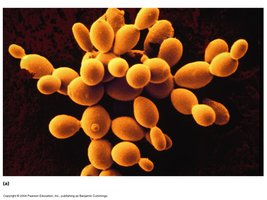
Fungal body types include unicellular yeasts and multicellular molds.
Reproduction
All fungi reproduce asexually (yeasts by budding, filamentous fungi by spores).
Most also reproduce sexually, involving plus (+) and minus (-) mating types.
Classification of Fungi
Zygomycota: Produce zygospores during sexual reproduction
Ascomycota: Produce ascospores in sac-like asci
Basidiomycota: Produce basidiospores on club-shaped basidia
Deuteromycetes: Fungi with unknown sexual stages
Lichens
Lichens are symbiotic partnerships between fungi and photosynthetic microbes (green algae or cyanobacteria). They grow on soil, rocks, leaves, and tree bark, and are classified as crustose, foliose, or fruticose based on their morphology.
Algae
General Characteristics
Algae are simple, eukaryotic, phototrophic organisms with sexual reproductive structures. They differ widely in distribution, morphology, reproduction, and biochemical traits.
Distribution and Morphology
Most algae are aquatic, living in the photic zone of fresh, brackish, and salt water. They may be unicellular, colonial, or have simple multicellular bodies (thalli).
Reproduction
Unicellular algae reproduce asexually by mitosis and cytokinesis, and sexually by forming zygotes that undergo meiosis.
Multicellular algae reproduce asexually by fragmentation and sexually with alternation of generations.
Major Groups of Algae
Rhodophyta (red algae)
Phaeophyta (brown algae)
Chrysophyta (golden algae, diatoms)
Chlorophyta (green algae)
Parasitic Helminths and Arthropod Vectors
Helminths
Parasitic worms (helminths) have microscopic infective and diagnostic stages, usually eggs or larvae. They are important in medical microbiology due to their role as human pathogens.
Arthropod Vectors
Arthropods such as ticks, lice, and mosquitoes act as vectors, transmitting microscopic pathogens between hosts.
