 Back
BackClassification and Medical Importance of Prokaryotes and Eukaryotic Microorganisms
Study Guide - Smart Notes
 Tailored notes based on your materials, expanded with key definitions, examples, and context.
Chapter 7: The Prokaryotes – Domains Bacteria and Archaea
Classification of Selected Prokaryotes
Prokaryotes are classified into two domains: Bacteria and Archaea. Bacteria are further divided into groups based on cell wall structure, metabolism, and genetic characteristics. This classification is essential for understanding pathogenicity, clinical relevance, and treatment strategies.
Gram-negative bacteria: Characterized by a thin peptidoglycan layer and an outer membrane containing lipopolysaccharides. Includes many clinically significant pathogens.
Gram-positive bacteria: Have a thick peptidoglycan layer and lack an outer membrane. Includes important genera such as Bacillus, Staphylococcus, and Streptococcus.
Archaea: Distinct from bacteria, often found in extreme environments, and not typically associated with human disease.
Gram-Negative Bacteria
Gram-negative bacteria are diverse and include several medically important groups:
Pseudomonadota (Proteobacteria): The largest taxonomic group, includes five classes. Most are chemoheterotrophic and can grow in low-nutrient environments. Many have prosthecae (stalks or buds).
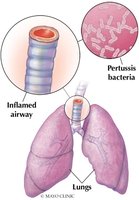
Betaproteobacteria: Includes Bordetella pertussis (whooping cough), Burkholderia pseudomallei (melioidosis), and Neisseria species (gonorrhea and meningitis).
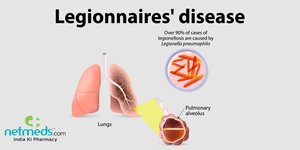
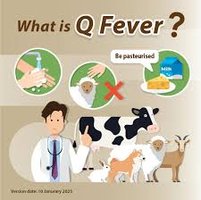
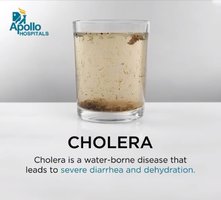
Gammaproteobacteria: Includes Legionella (Legionnaires' disease), Coxiella (Q fever), Vibrio cholerae (cholera), and Enterobacteriales such as Escherichia coli, Salmonella, and Yersinia pestis (plague).
Chlamydiota (Chlamydiae): Obligate intracellular pathogens lacking peptidoglycan. Includes Chlamydia trachomatis (trachoma, urethritis) and Chlamydophila pneumoniae (mild pneumonia).
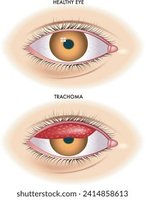
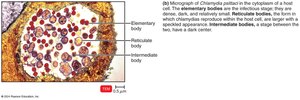
Bacteroidota (Bacteroidetes): Anaerobic bacteria found in the mouth and large intestine. Bacteroides species are abundant in human feces and can cause infections in immunocompromised patients.
Spirochaetota (Spirochaetia): Spiral-shaped bacteria with axial filaments for motility. Includes Treponema pallidum (syphilis), Borrelia (Lyme disease), and Leptospira (leptospirosis).
Dichotomous Keys in Microbiology
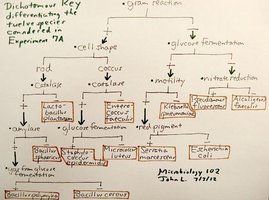
A dichotomous key is a tool used to identify organisms by following a series of choices based on observable traits. In microbiology, dichotomous keys help differentiate bacterial groups by characteristics such as Gram reaction, shape, metabolism, and disease association.
Example traits: Gram-positive vs. Gram-negative, aerobic vs. anaerobic, rod vs. coccus shape, disease-causing ability.
Gram-Positive Bacteria
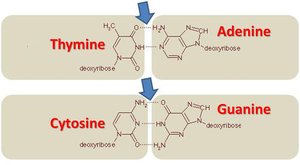
Gram-positive bacteria are classified based on their G+C ratio (guanine-cytosine content) in DNA:
High G+C bacteria (>50%): Includes Streptomyces and Mycobacterium. These bacteria have more stable DNA and are often more resilient to harsh conditions.
Low G+C bacteria (<50%): Includes Streptococcus and Clostridium.
Bacillota – Bacilli
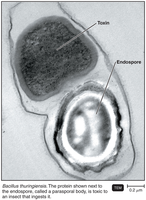
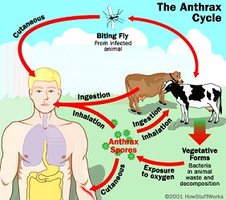
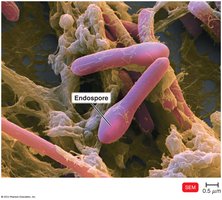
Bacillus: Endospore-forming rods. Bacillus anthracis causes anthrax; Bacillus cereus causes food poisoning.
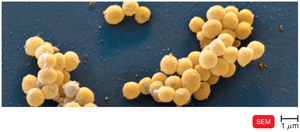
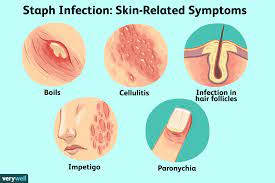
Staphylococcus: Grape-like clusters of cocci. Staphylococcus aureus causes wound infections, is often antibiotic-resistant, and produces enterotoxins.
Lactobacillus: Aerotolerant anaerobes important in the gastrointestinal and vaginal microbiota and in food production.
Streptococcus: Spherical cells in chains. Includes S. pyogenes (strep throat), S. pneumoniae (pneumonia), and S. mutans (dental caries).
Enterococcus: Found in the intestinal tract; common hospital contaminants causing wound and urinary tract infections.
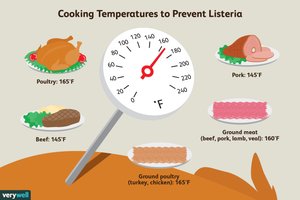
Listeria: Listeria monocytogenes contaminates food and can cause listeriosis, especially in vulnerable populations.
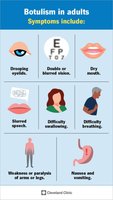
Clostridium: Endospore-producing, obligate anaerobes. Includes C. tetani (tetanus), C. botulinum (botulism), and C. perfringens (gas gangrene).
Clostridioides difficile: Causes antibiotic-associated diarrhea and colitis.
Mycoplasmatota
Mycoplasma: Lack a cell wall, making them resistant to antibiotics targeting cell wall synthesis. Mycoplasma pneumoniae causes mild pneumonia.
Actinomycetota
Mycobacterium: Includes M. tuberculosis (tuberculosis), a chronic respiratory infection.
Corynebacterium: C. diphtheriae causes diphtheria, a serious throat infection.
Gardnerella: G. vaginalis causes vaginitis.
Actinomyces: A. israelii causes actinomycosis, a chronic infection of the mouth and throat.
Chapter 8: The Eukaryotes – Fungi, Algae, Protozoa, and Helminths
Fungi
Fungi are chemoheterotrophic eukaryotes that decompose organic matter. They can be aerobic or facultative anaerobic and play important roles in disease, food production, and antibiotic synthesis.
Vegetative structures: Composed of hyphae (septate or coenocytic). A mass of hyphae is called a mycelium.
Reproduction: Fungi reproduce by asexual (mitosis) and sexual (fusion of nuclei) spores.
Adaptations: Fungi tolerate high sugar/salt, low moisture, and can metabolize complex carbohydrates.
Medically Important Fungi
Mucoromycota: Includes species causing mucormycosis, a serious infection in immunocompromised patients.
Ascomycota: Includes Candida albicans (candidiasis) and Aspergillus fumigatus (aspergillosis).
Basidiomycota: Includes some pathogenic species such as Cryptococcus (cryptococcosis).
Lichens
Lichens are mutualistic associations between a fungus and a green alga or cyanobacterium. The alga provides carbohydrates via photosynthesis, while the fungus offers protection and anchorage.
Algae
Algae are unicellular or filamentous photoautotrophs, lacking roots, stems, and leaves. They are primarily aquatic and reproduce both asexually and sexually (alternation of generations).
Protozoa
Protozoa are unicellular eukaryotes found in water and soil. They have complex life cycles and can reproduce asexually (fission, budding, schizogony). Some are pathogenic, such as Plasmodium (malaria) and Entamoeba histolytica (amebic dysentery).
Helminths: Parasitic Worms
Helminths are multicellular eukaryotic animals specialized to live in hosts. They may lack digestive systems and have complex reproductive cycles. Major groups include:
Platyhelminthes (Flatworms): Includes tapeworms (cestodes) and flukes (trematodes).
Nematoda (Roundworms): Includes species such as Trichuris trichiura (whipworm), Enterobius vermicularis (pinworm), and Dirofilaria immitis (heartworm).
Arthropods as Vectors
Arthropods are animals with segmented bodies and jointed legs. Some act as vectors, transmitting pathogens mechanically or biologically. Examples include mosquitoes (malaria), ticks (Lyme disease), and lice.
