Introduction to Microbiology
Introduction to Spontaneous Generation
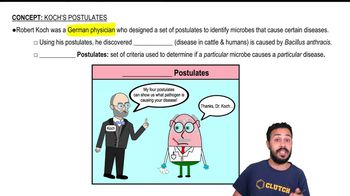
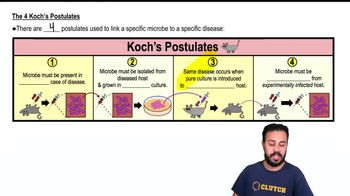
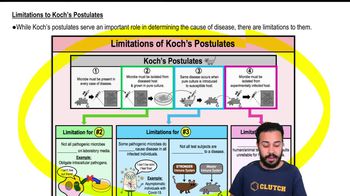
Koch's Postulates
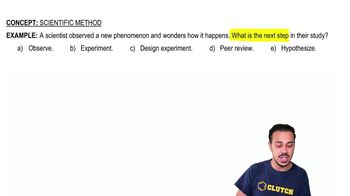
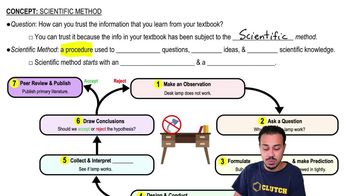
Scientific Method
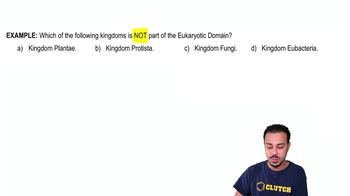
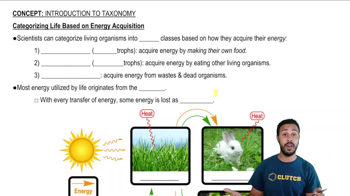
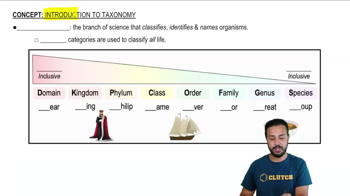
Introduction to Taxonomy
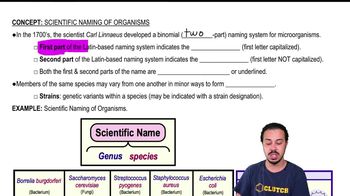
Scientific Naming of Organisms
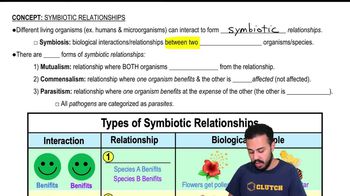
Symbiotic Relationships
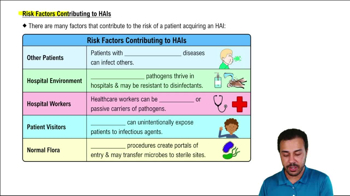
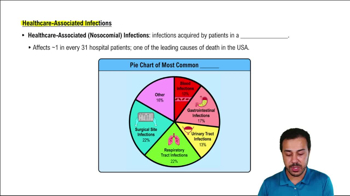
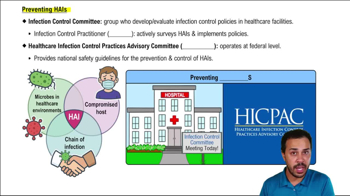
Healthcare-Associated Infections
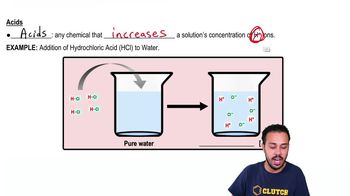
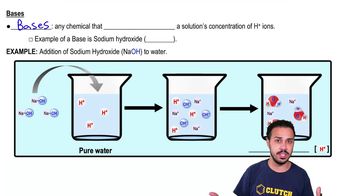
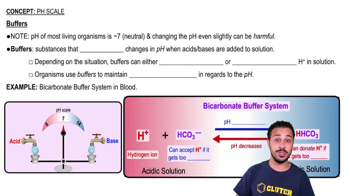
Acids and Bases
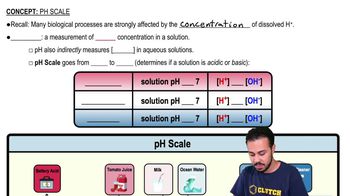
pH Scale
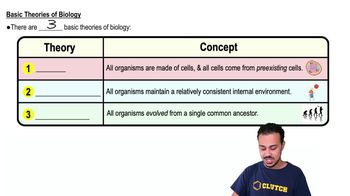
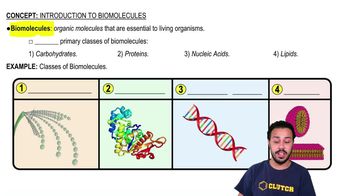
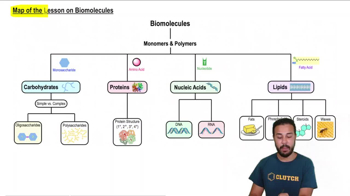
Introduction to Biomolecules
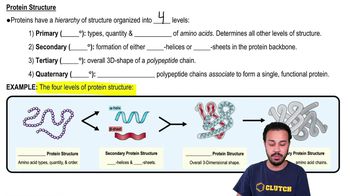
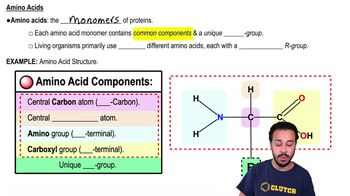
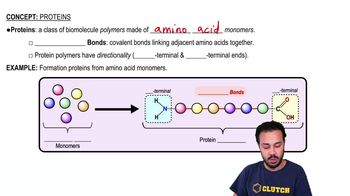
Proteins
Bacterial Cell Morphology & Arrangements
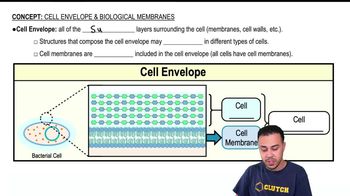
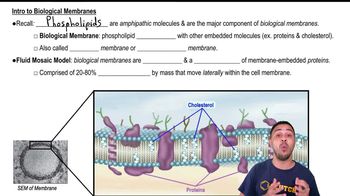
Cell Envelope & Biological Membranes
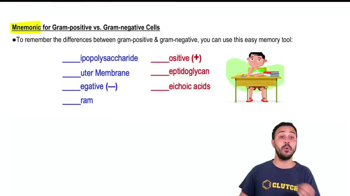
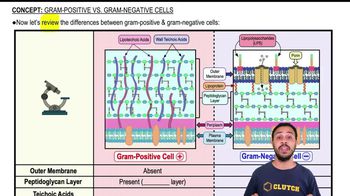
Gram-Positive vs. Gram-Negative Cell Walls
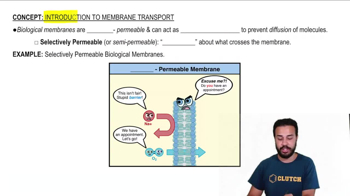
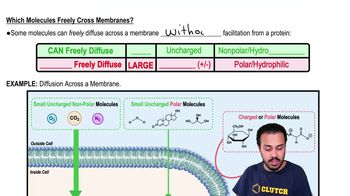
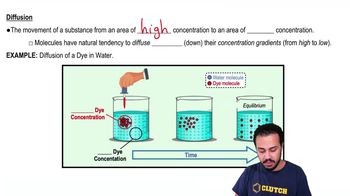
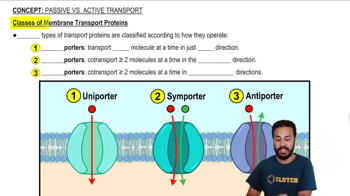
Introduction to Membrane Transport
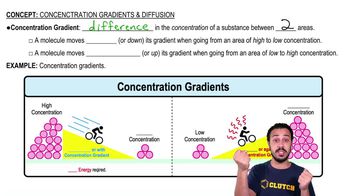
Concentration Gradients and Diffusion
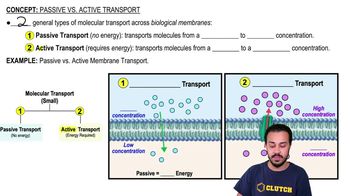
Passive vs. Active Transport
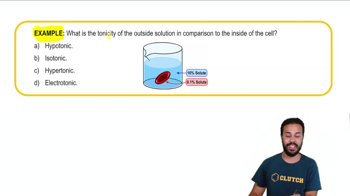
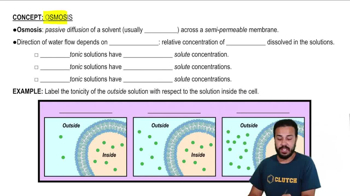
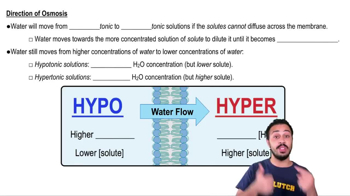
Osmosis
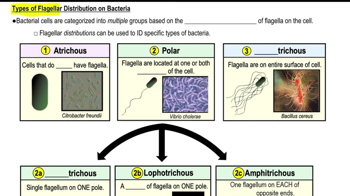
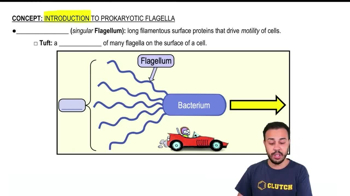
Introduction to Prokaryotic Flagella
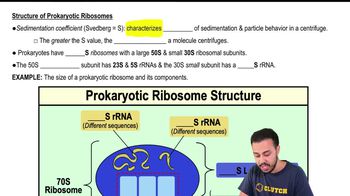
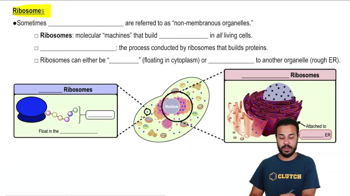
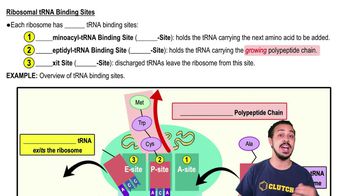
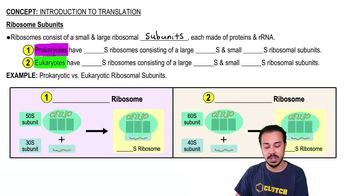
Prokaryotic Ribosomes
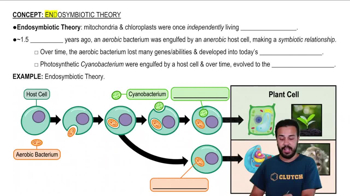
Endosymbiotic Theory
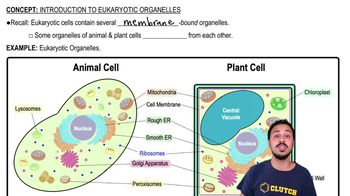
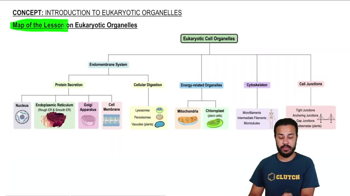
Introduction to Eukaryotic Organelles
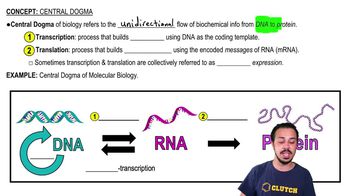
Central Dogma
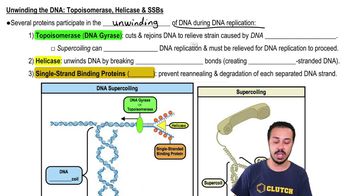
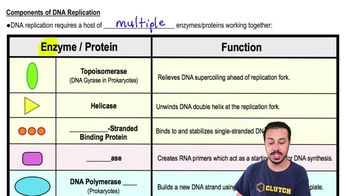
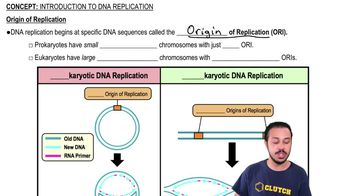
Introduction to DNA Replication
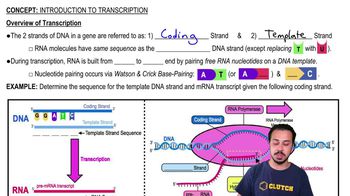
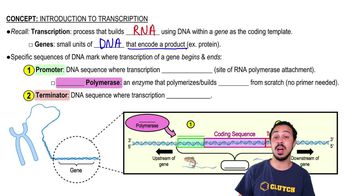
Introduction to Transcription
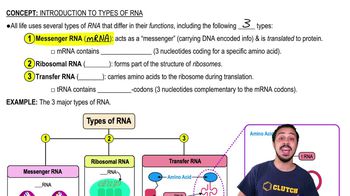
Introduction to Types of RNA
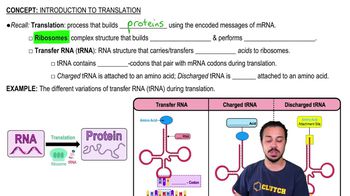
Introduction to Translation
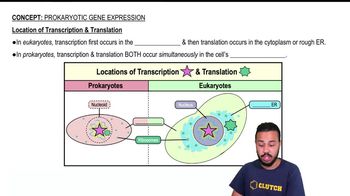
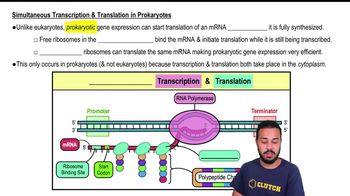
Prokaryotic Gene Expression
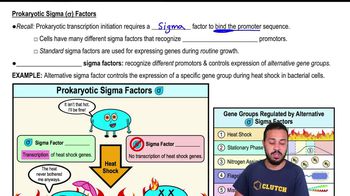
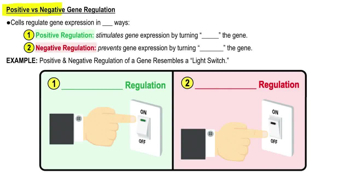
Introduction to Regulation of Gene Expression
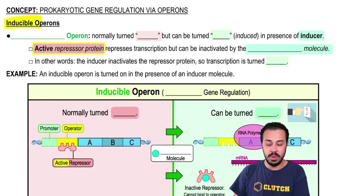
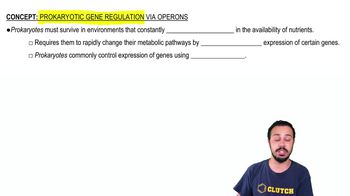
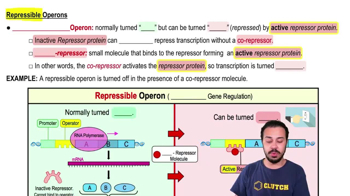
Prokaryotic Gene Regulation via Operons
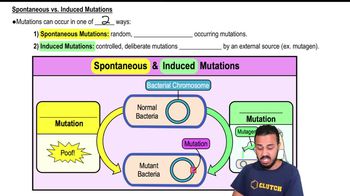
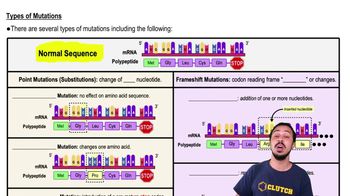
Introduction to Mutations
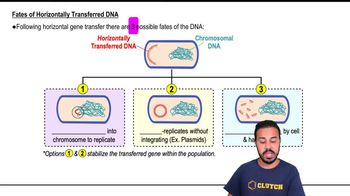
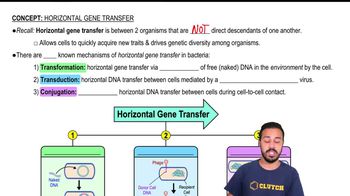
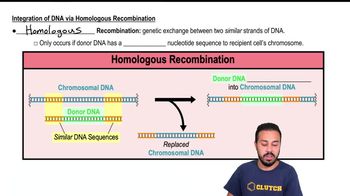
Horizontal Gene Transfer
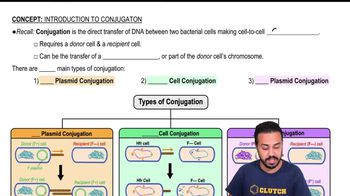
Introduction to Conjugation
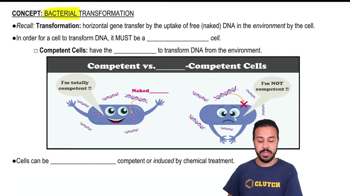
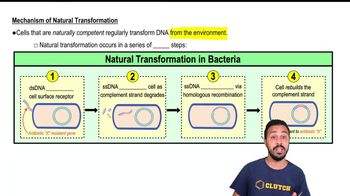
Bacterial Transformation
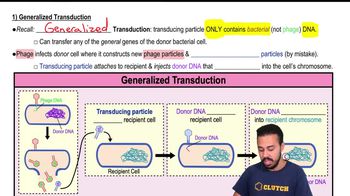
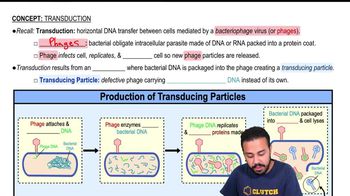
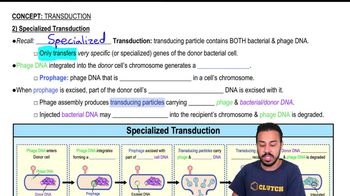
Transduction
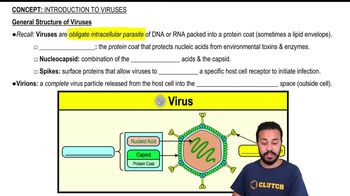
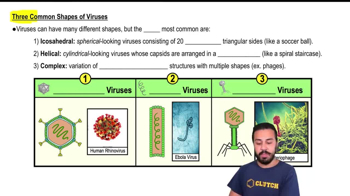
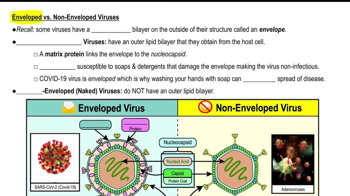
Introduction to Viruses
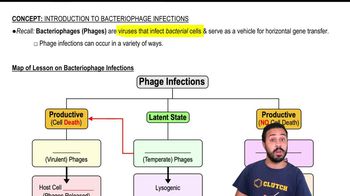
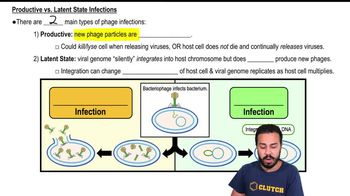
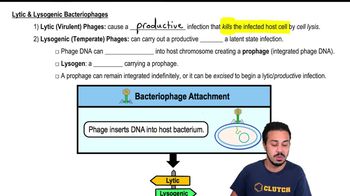
Introduction to Bacteriophage Infections
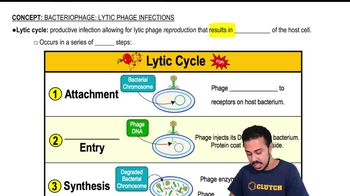
Bacteriophage: Lytic Phage Infections
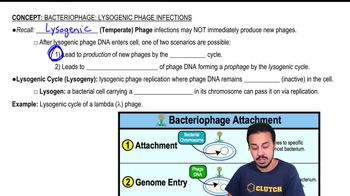
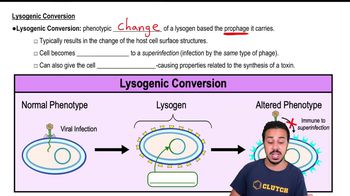
Bacteriophage: Lysogenic Phage Infections
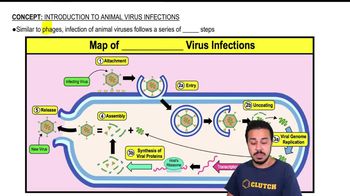
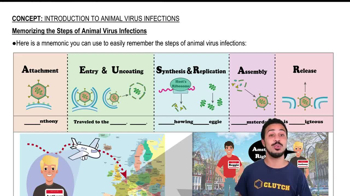
Introduction to Animal Virus Infections
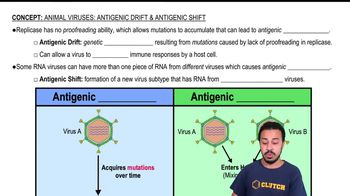
Animal Viruses: Antigenic Drift vs. Antigenic Shift
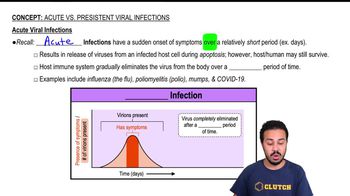
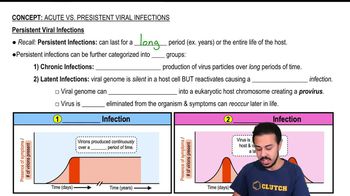
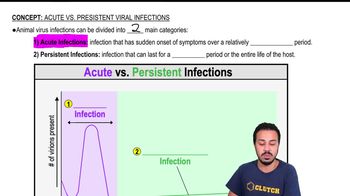
Acute vs. Persistent Viral Infections
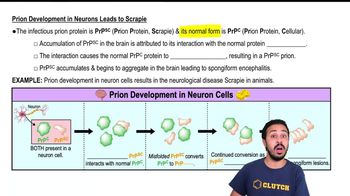
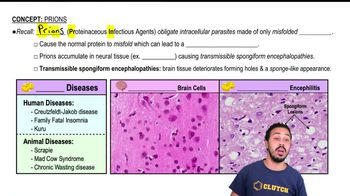
Prions
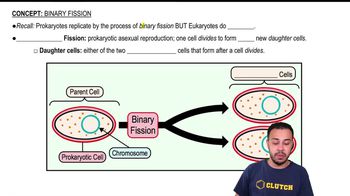
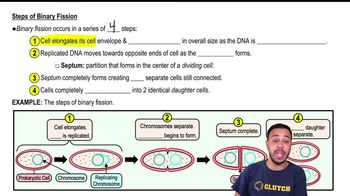
Binary Fission
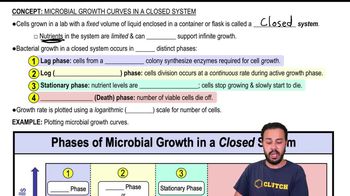
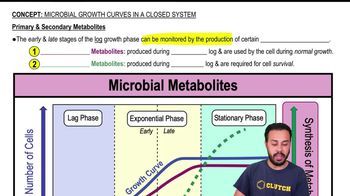
Microbial Growth Curves in a Closed System
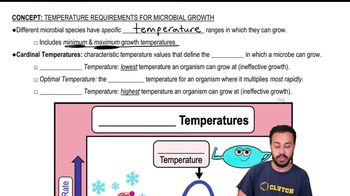
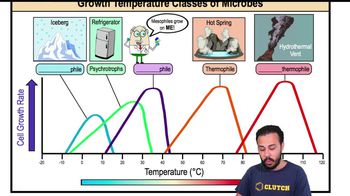
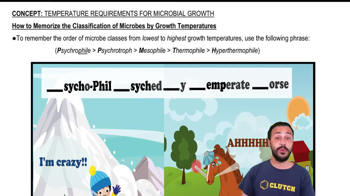
Temperature Requirements for Microbial Growth
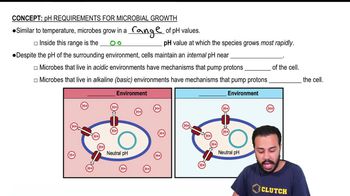
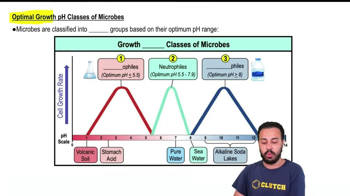
pH Requirements for Microbial Growth
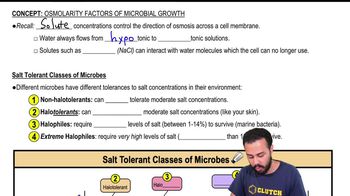
Osmolarity Factors for Microbial Growth
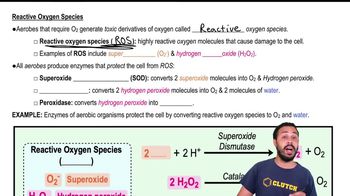
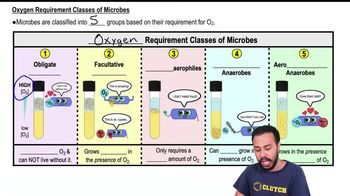
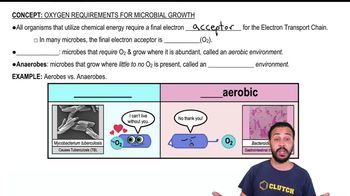
Oxygen Requirements for Microbial Growth
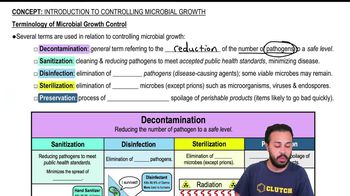
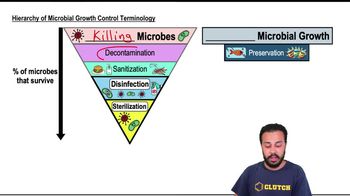
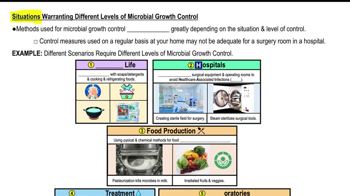
Introduction to Controlling Microbial Growth
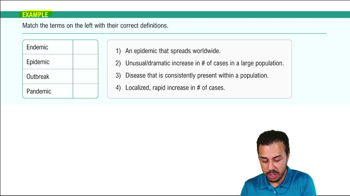
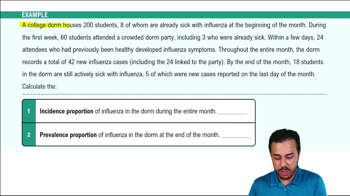
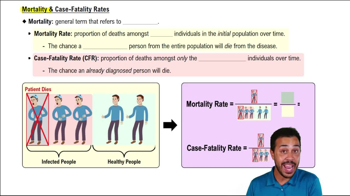
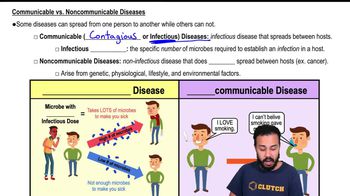
Introduction to Epidemiology
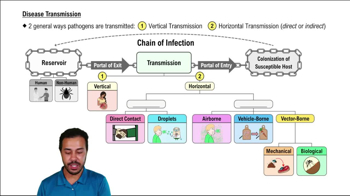
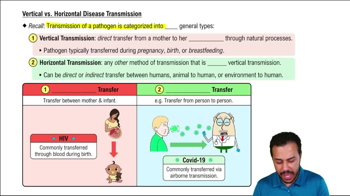
Disease Transmission
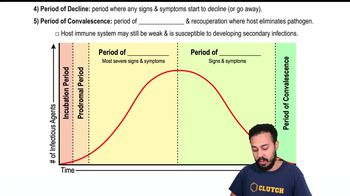
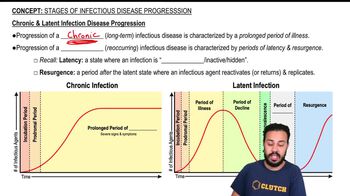
Stages of Infectious Disease Progression
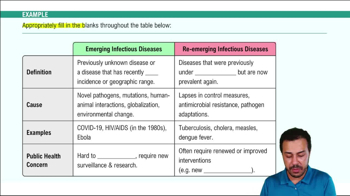
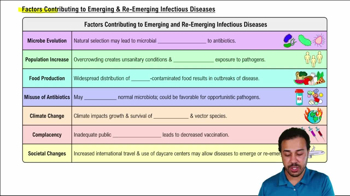
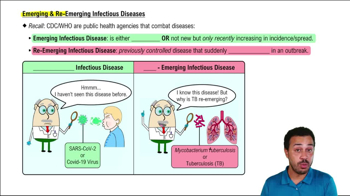
Emerging Infectious Diseases
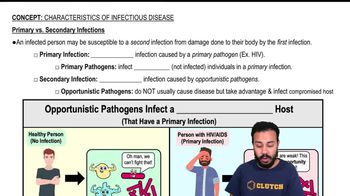
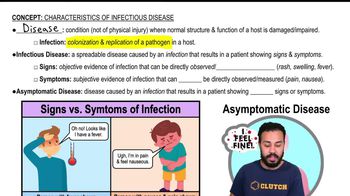
Characteristics of Infectious Disease
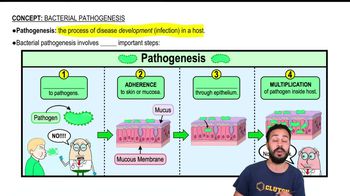
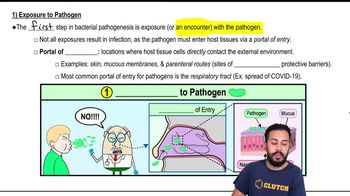
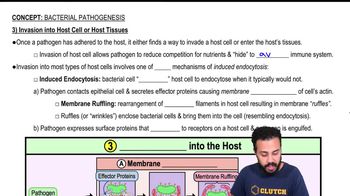
Bacterial Pathogenesis
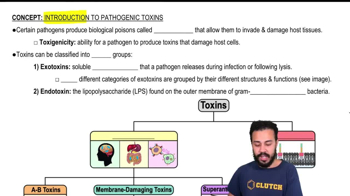
Introduction to Pathogenic Toxins
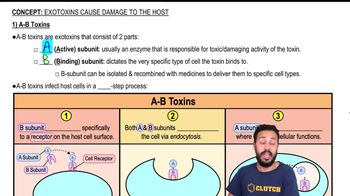
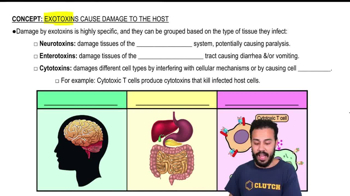
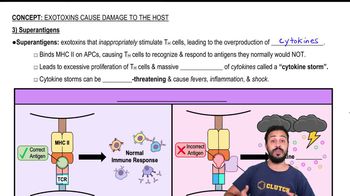
Exotoxins Cause Damage to the Host
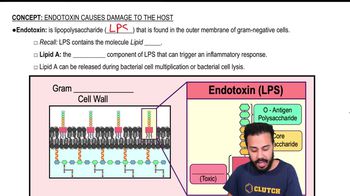
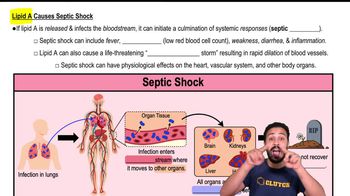
Endotoxin Causes Damage to the Host
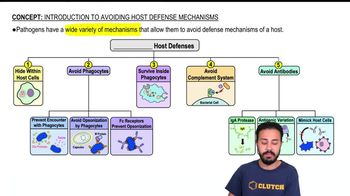
Introduction to Avoiding Host Defense Mechanisms
 Back
 Curated lessons matched to your uploaded material – learn every topic step by step.
 03:36