Back

Comprehensive Study Guide for Microbiology Exam 1

Study Guide - Learn with Videos

Curated lessons matched to your uploaded material – learn every topic step by step.

Proteins

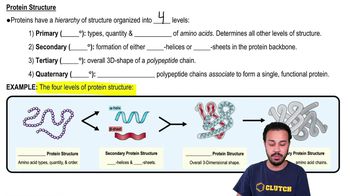
  • Protein Structure
    08:02
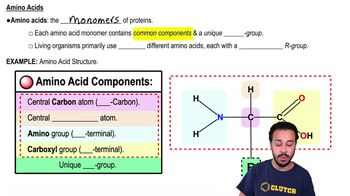
  • Amino Acids
    04:37
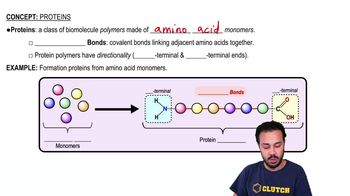
  • Proteins
    02:50

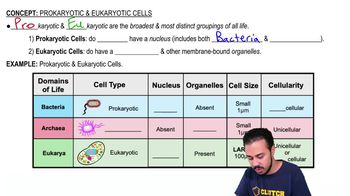
Prokaryotic & Eukaryotic Cells

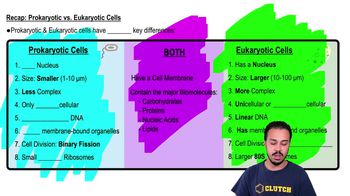
  • Recap:Prokaryotic vs. Eukaryotic Cells
    04:26
  • Prokaryotic & Eukaryotic Cells
    05:54
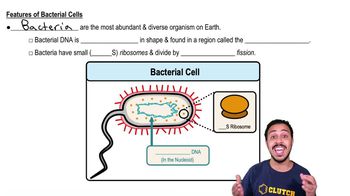
  • Features of Bacterial Cells
    03:54

Bacterial Cell Morphology & Arrangements

  • Types of Bacterial Cell Morphology
    02:44
  • Bacterial Cell Morphology & Arrangements
    01:13
  • Bacilli Bacterial Cell Arrangements
    03:56

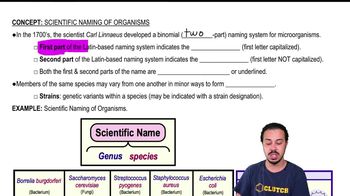
Scientific Naming of Organisms

  • Scientific Naming of Organisms
    05:22

Introduction to Microbiology

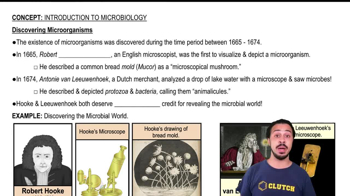
  • Discovering Microorganisms
    03:36
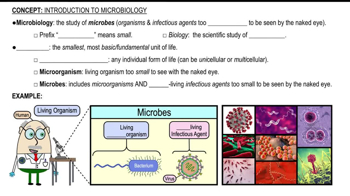
  • Introduction to Microbiology
    07:27
  • Introduction to Microbiology Channel
    1:29

Nucleic Acids

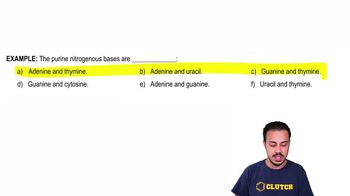
  • Nucleic Acids Example 2
    01:05
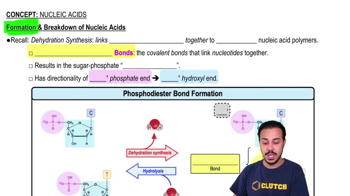
  • Formation & Breakdown of Nucleic Acids
    04:07
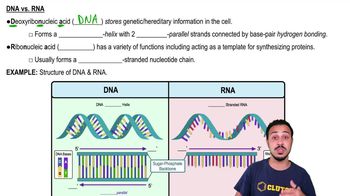
  • DNA vs. RNA
    05:57

Pili

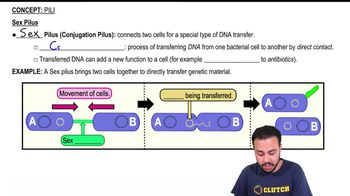
  • Sex Pilus
    03:29
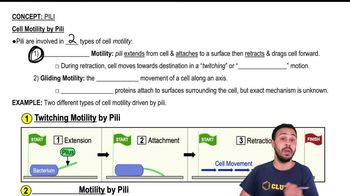
  • Cell Motility by Pili
    02:59
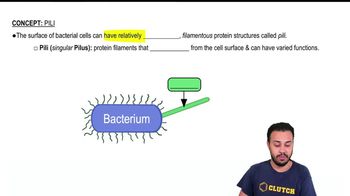
  • Pili
    01:02
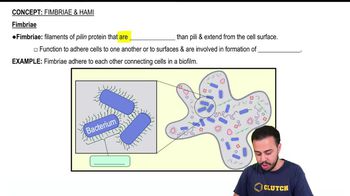
Fimbriae & Hami

  • Fimbriae & Hami
    01:52
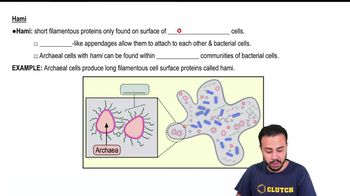
  • Hami
    01:51

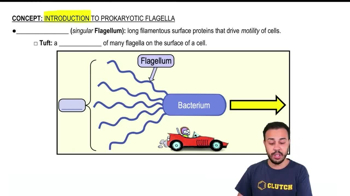
Introduction to Prokaryotic Flagella

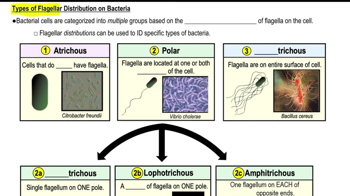
  • Types of Flagellar Distribution on Bacteria
    05:22
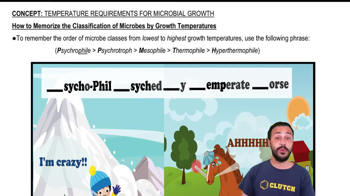
  • Introduction to Prokaryotic Flagella
    02:07

Gram-Positive Cell Walls

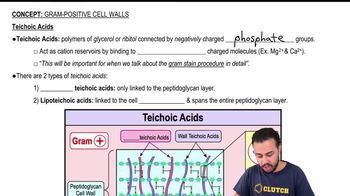
  • Teichoic Acids
    03:58
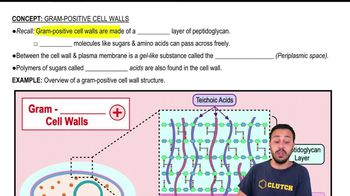
  • Gram-Positive Cell Walls
    02:59

Gram-Negative Cell Walls

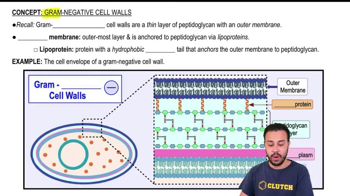
  • Gram-Negative Cell Walls
    3:04
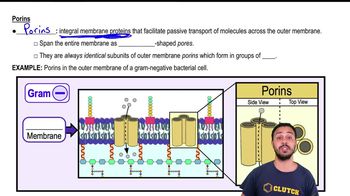
  • Porins
    02:18
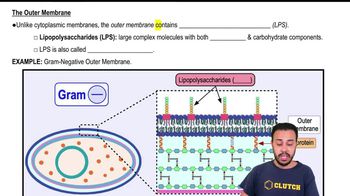
  • The Outer Membrane
    02:15

Gram-Positive vs. Gram-Negative Cell Walls

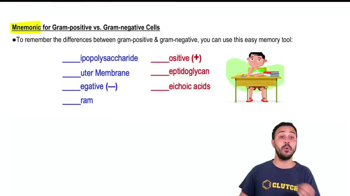
  • Mnemonic for Gram-Positive vs. Gram-Negative Cell Walls
    01:41
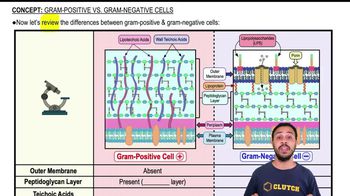
  • Gram-Positive vs. Gram-Negative Cell Walls
    04:46

Importance of Microorganisms

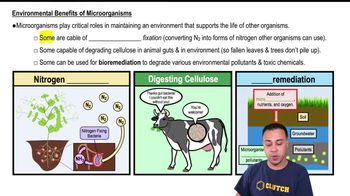
  • Environmental Benefits of Microorganisms
    04:27
  • Importance of Microorganisms
    01:25
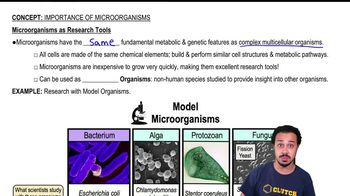
  • Microorganisms as Research Tools
    03:48

Cell Envelope & Biological Membranes

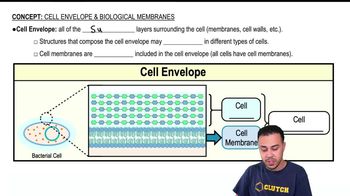
  • Cell Envelope & Biological Membranes Example 1
    02:21
  • Biological Membranes
    02:10
  • Intro to Biological Membranes
    06:16

Concentration Gradients and Diffusion

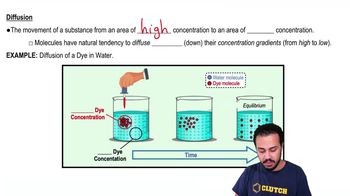
  • Diffusion
    02:44
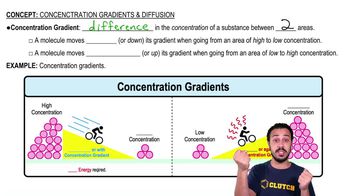
  • Concentration Gradients and Diffusion
    04:51

Introduction to Membrane Transport

  • Map of the Lesson on Membrane Transport
    02:26
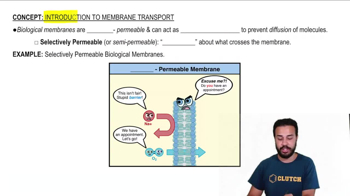
  • Introduction to Membrane Transport
    03:00
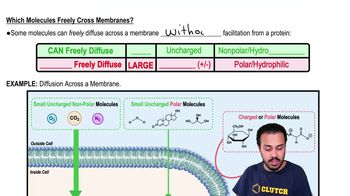
  • Which Molecules Freely Cross Membranes?
    05:31

Passive vs. Active Transport

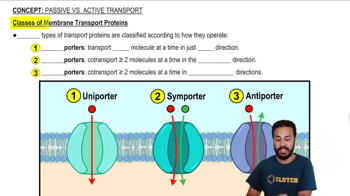
  • Classes of Membrane Transport Proteins
    03:41
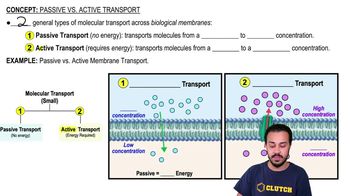
  • Passive vs. Active Transport
    05:05

Osmosis

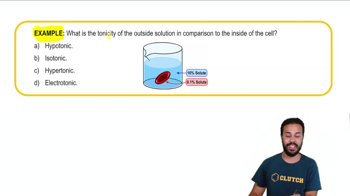
  • Osmosis Example 1
    02:18
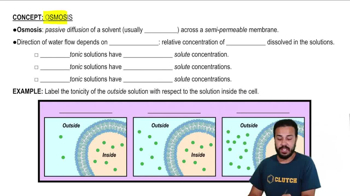
  • Osmosis
    05:59
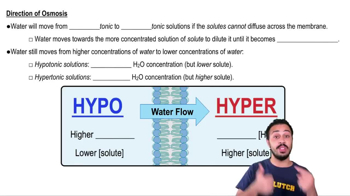
  • Direction of Osmosis
    06:48

Endospores

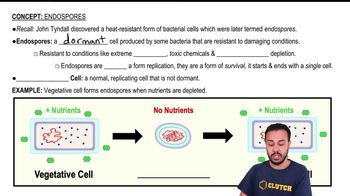
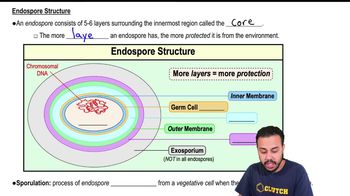
  • Endospores
    05:35
  • Endospore Structure
    03:08

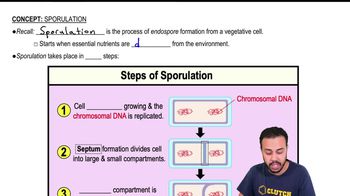
Sporulation

  • Sporulation
    04:08

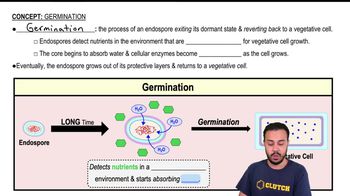
Germination

  • Germination
    02:59

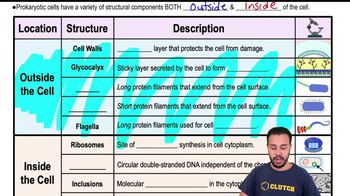
Overview of Prokaryotic Cell Structure

  • Overview of Prokaryotic Cell Structure
    05:59

Prokaryotic Ribosomes

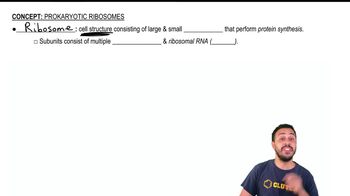
  • Prokaryotic Ribosomes
    01:51
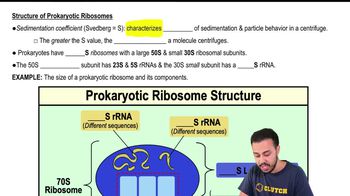
  • Structure of Prokaryotic Ribosomes
    08:39

Introduction to Metabolism

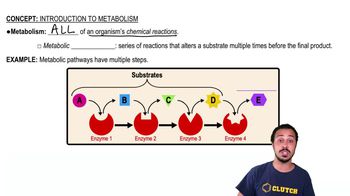
  • Introduction to Metabolism
    02:17
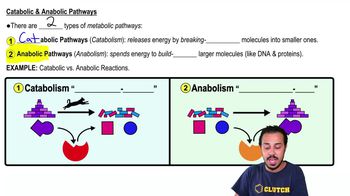
  • Catabolic & Anabolic Pathways
    03:25

ATP

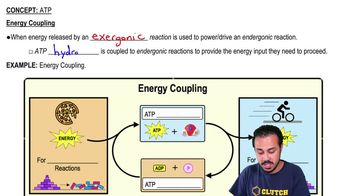
  • Energy Coupling
    04:57
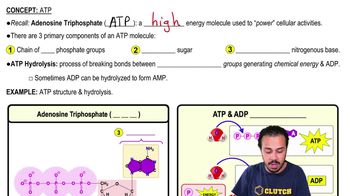
  • ATP
    06:44
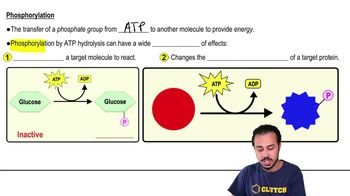
  • Phosphorylation
    03:00

Enzymes

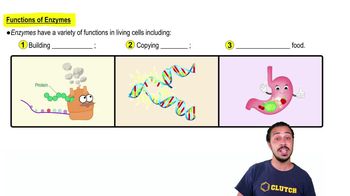
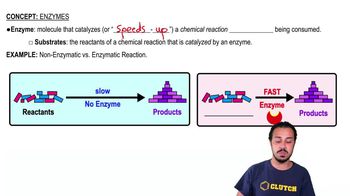
  • Functions of Enzymes
    02:32
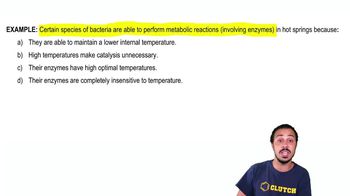
  • Enzymes Example 1
    02:25
  • Enzymes
    02:55

Enzyme Inhibition

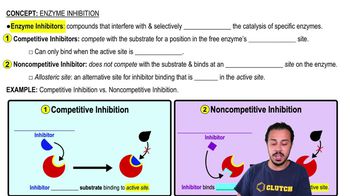
  • Enzyme Inhibition
    05:03

Introduction to Eukaryotic Organelles

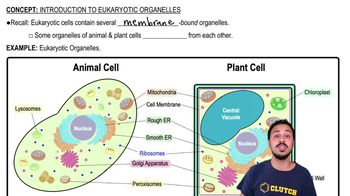
  • Introduction to Eukaryotic Organelles
    03:45
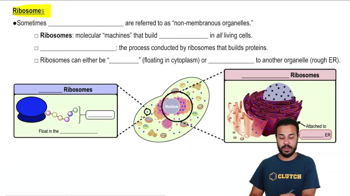
  • Eukaryotic Ribosomes
    05:51
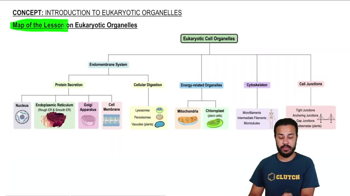
  • Map of the Lesson on Eukaryotic Organelles
    02:04

Glycolysis

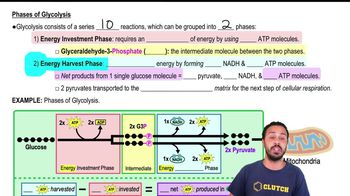
  • Phases of Glycolysis
    05:57
  • Glycolysis Example 1
    01:29
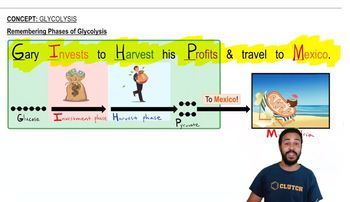
  • Remembering Phases of Glycolysis
    02:49

Redox Reactions

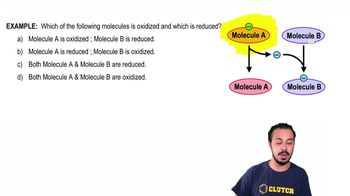
  • Redox Reactions Example 1
    01:44
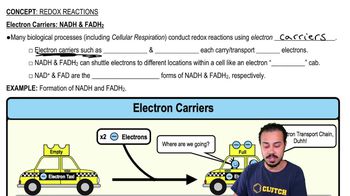
  • Electron Carriers: NADH & FADH2
    05:22
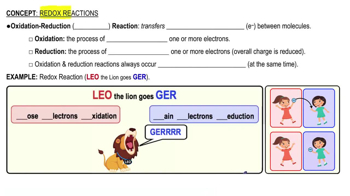
  • Redox Reactions
    04:46

Types of Phosphorylation

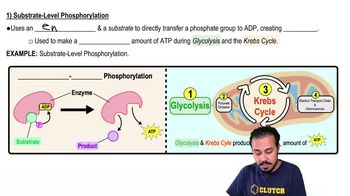
  • Substrate-Level Phosphorylation
    03:00
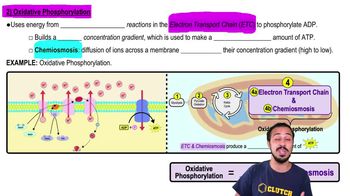
  • Oxidative Phosphorylation
    06:27
  • Types of Phosphorylation
    01:06

Chemiosmosis

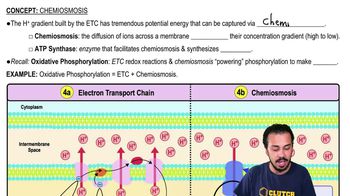
  • Chemiosmosis
    05:01

Krebs Cycle

  • Krebs Cycle Example 1
    01:20
  • Krebs Cycle
    01:37
  • Phases of The Krebs Cycle
    09:54

Introduction to Aerobic Cellular Respiration

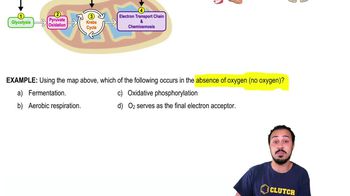
  • Stages of Aerobic Cellular Respiration
    02:32
  • Introduction to Aerobic Cellular Respiration
    03:38
  • Introduction to Aerobic Cellular Respiration Example 2
    01:53

Fermentation & Anaerobic Respiration

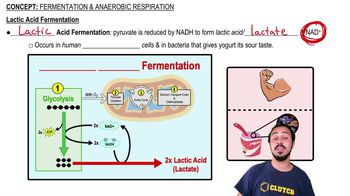
  • Lactic Acid Fermentation
    03:33
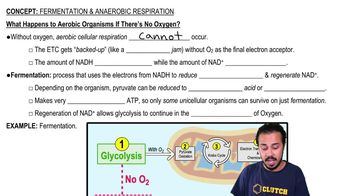
  • What Happens to Aerobic Organisms if There's No Oxygen?
    07:50
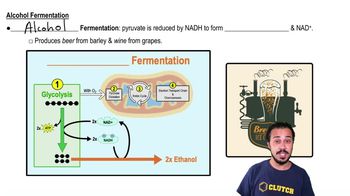
  • Alcohol Fermentation
    01:59

Nutritional Factors of Microbial Growth

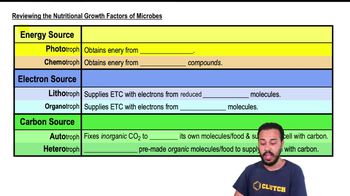
  • Reviewing the Nutritional Growth Factors of Microbes
    02:20
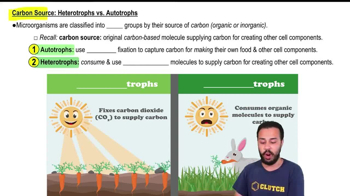
  • Carbon Source:Heterotrophs vs. Autotrophs
    02:59
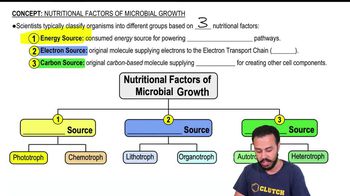
  • Nutritional Factors of Microbial Growth
    02:57

Microbial Growth Curves in a Closed System

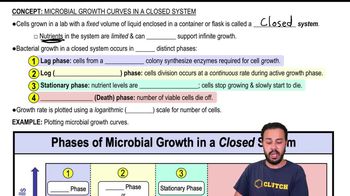
  • Microbial Growth Curves in a Closed System
    08:59
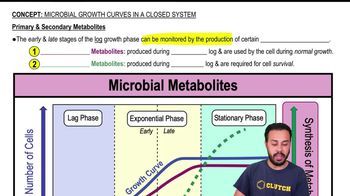
  • Primary & Secondary Metabolites
    02:33

Binary Fission

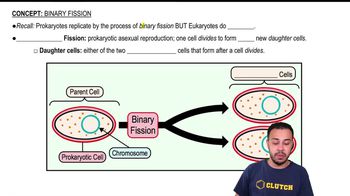
  • Binary Fission
    02:16
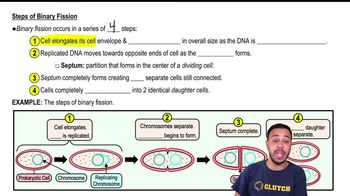
  • Steps of Binary Fission
    04:57

Oxygen Requirements for Microbial Growth

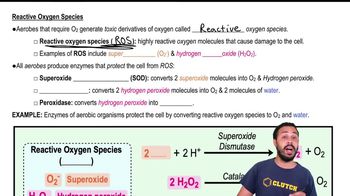
  • Reactive Oxygen Species
    04:43
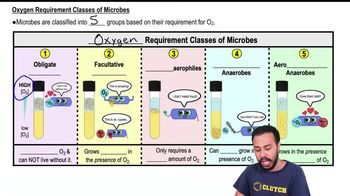
  • Oxygen Requirement Classes of Microbes
    07:27
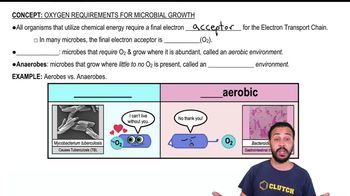
  • Oxygen Requirements for Microbial Growth
    03:52

Osmolarity Factors for Microbial Growth

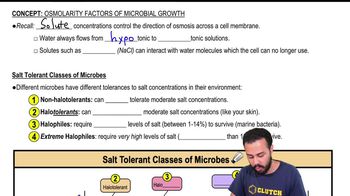
  • Osmolarity Factors for Microbial Growth
    06:30

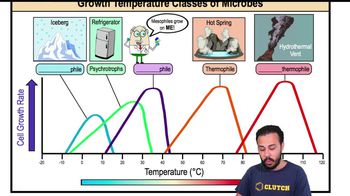
Temperature Requirements for Microbial Growth

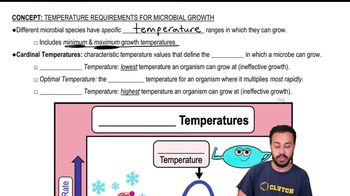
  • Temperature Requirements for Microbial Growth
    04:16
  • Classification of Microbes by Growth Temperature
    04:56
  • How to Memorize the Classification of Microbes by Growth Temperatures
    01:59

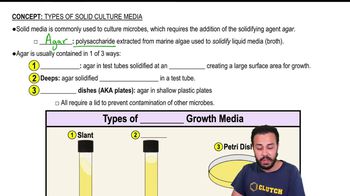
Types of Solid Culture Media

  • Types of Solid Culture Media
    03:16

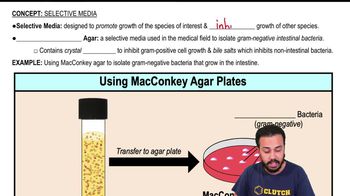
Selective Media

  • Selective Media
    03:27

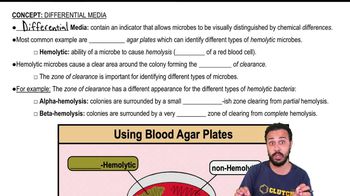
Differential Media

  • Differential Media
    04:34

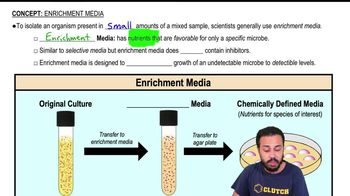
Enrichment Media

  • Enrichment Media
    04:20

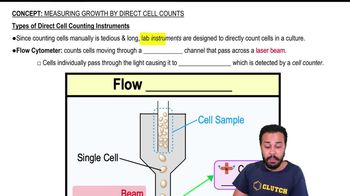
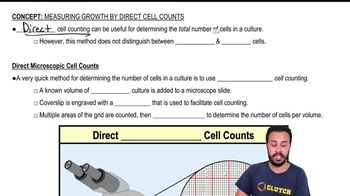
Measuring Growth by Direct Cell Counts

  • Types of Direct Cell Counting Instruments
    02:32
  • Direct Microscopic Cell Counts
    03:28

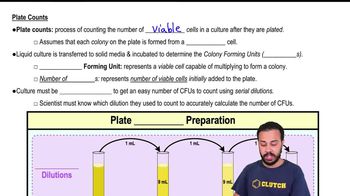
Measuring Growth by Plate Counts

  • Measuring Growth by Plate Counts
    07:16
  • Measuring Growth by Plate Counts
    01:36