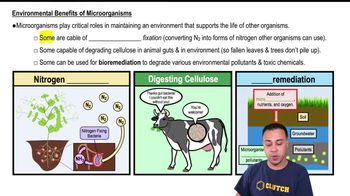
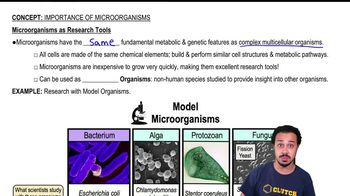
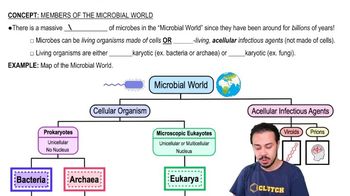
Importance of Microorganisms
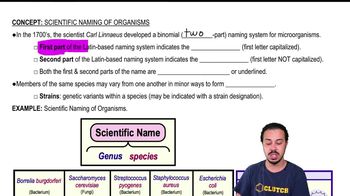
Scientific Naming of Organisms
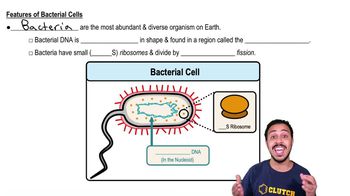
Members of the Bacterial World
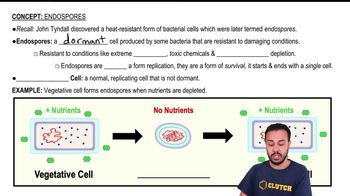
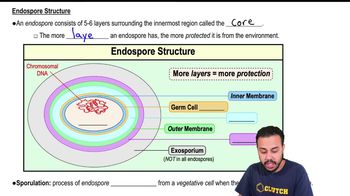
Endospores
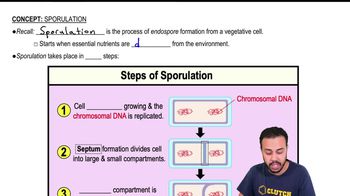
Sporulation
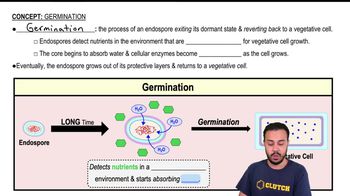
Germination
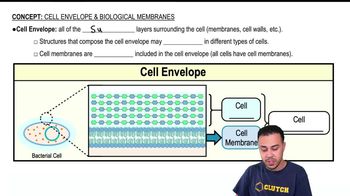
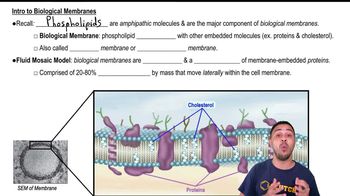
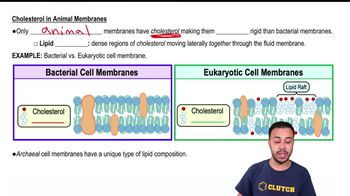
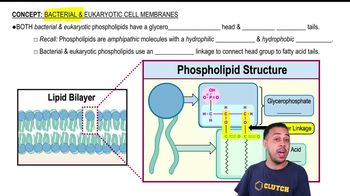
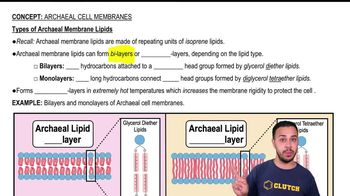
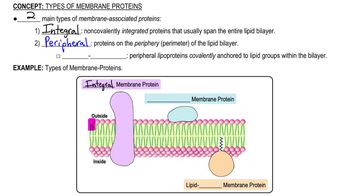
Cell Envelope & Biological Membranes
Bacterial & Eukaryotic Cell Membranes
Archaeal Cell Membranes
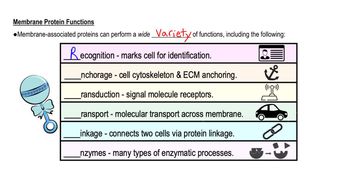
Types of Membrane Proteins
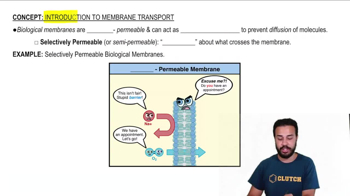
Introduction to Membrane Transport
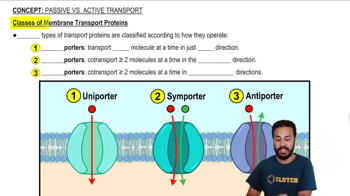
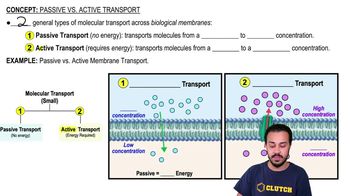
Passive vs. Active Transport
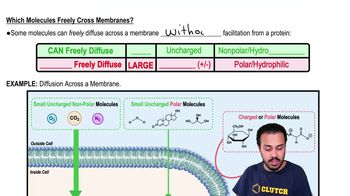
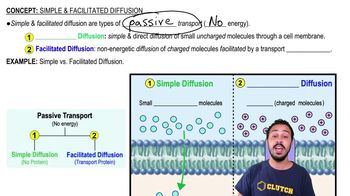
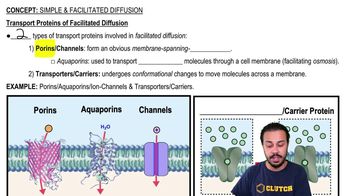
Simple and Facilitated Diffusion
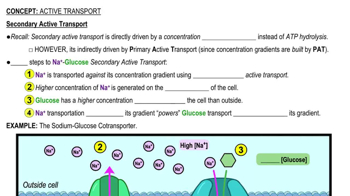
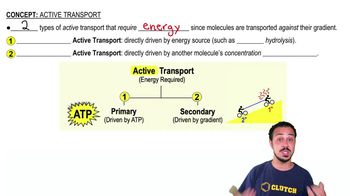
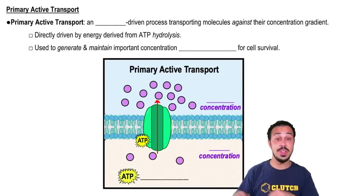
Active Transport
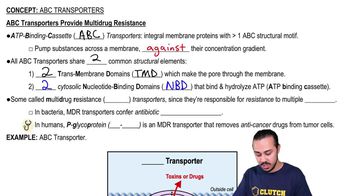
ABC Transporters
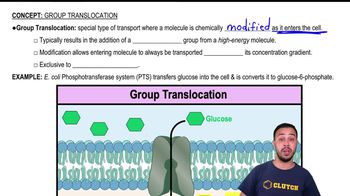
Group Translocation
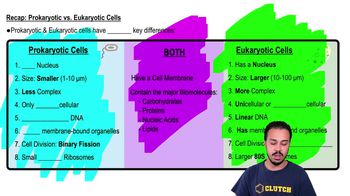
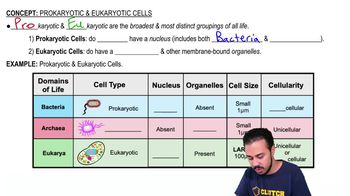
Prokaryotic & Eukaryotic Cells
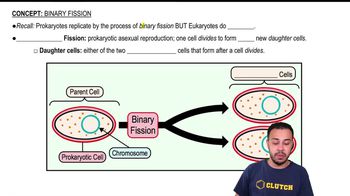
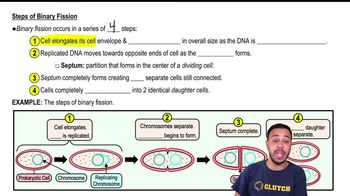
Binary Fission
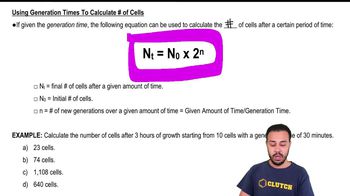
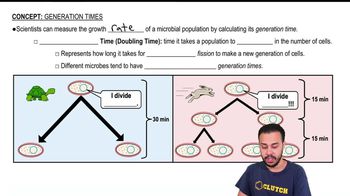
Generation Times
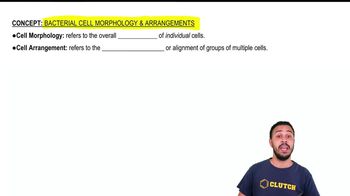
Bacterial Cell Morphology & Arrangements
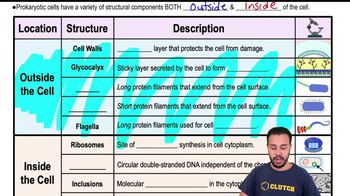
Overview of Prokaryotic Cell Structure
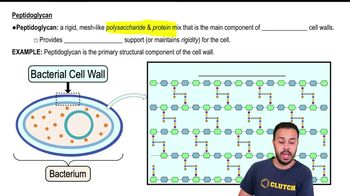
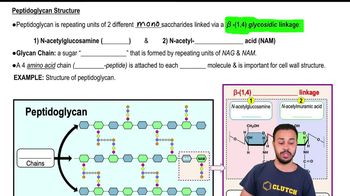
Introduction to Bacterial Cell Walls
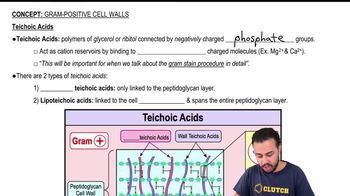
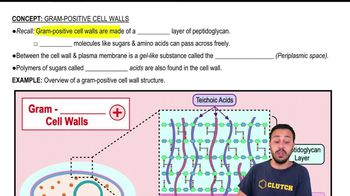
Gram-Positive Cell Walls
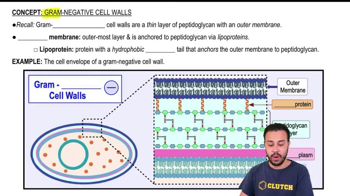
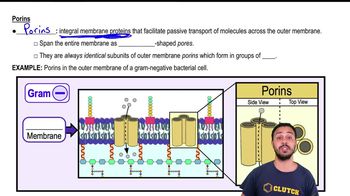
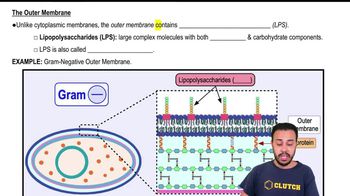
Gram-Negative Cell Walls
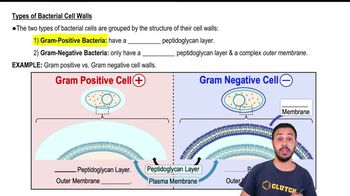
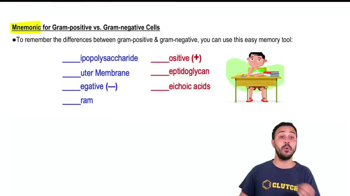
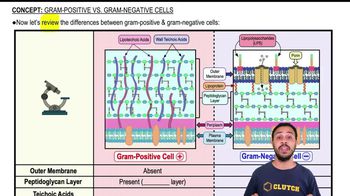
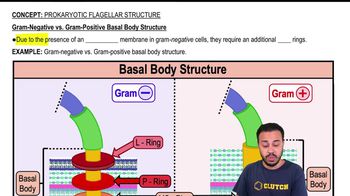
Gram-Positive vs. Gram-Negative Cell Walls
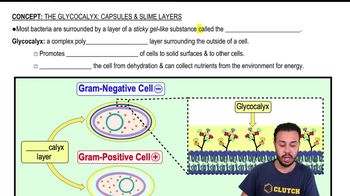
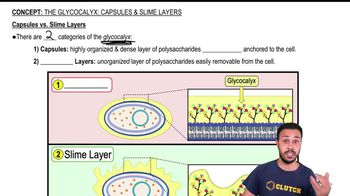
The Glycocalyx: Capsules & Slime Layers
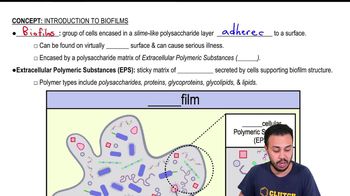
Introduction to Biofilms
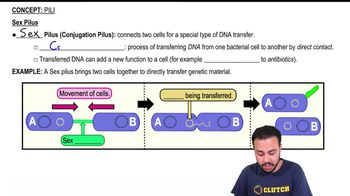
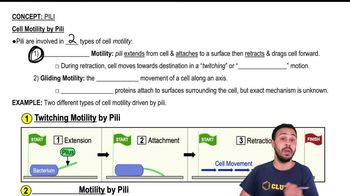
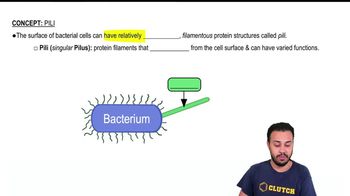
Pili
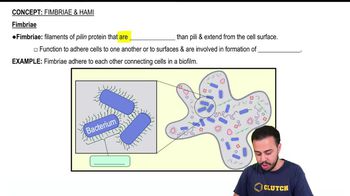
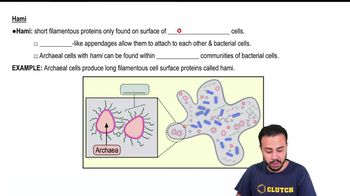
Fimbriae & Hami
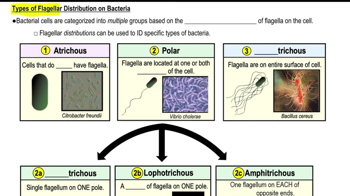
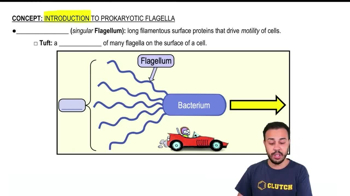
Introduction to Prokaryotic Flagella
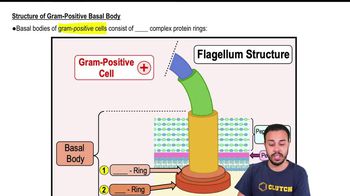
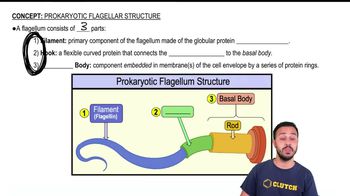
Prokaryotic Flagellar Structure
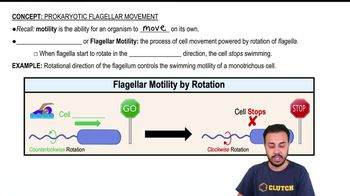
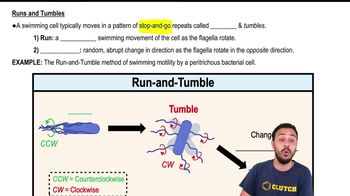
Prokaryotic Flagellar Movement
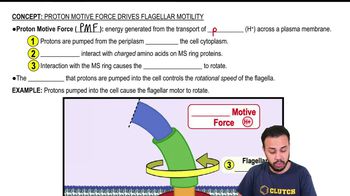
Proton Motive Force Drives Flagellar Motility
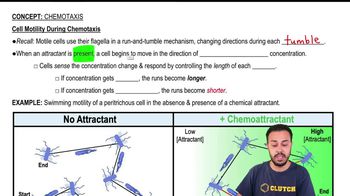
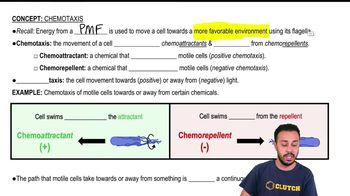
Chemotaxis
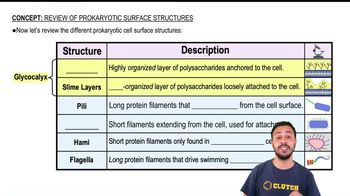
Review of Prokaryotic Surface Structures
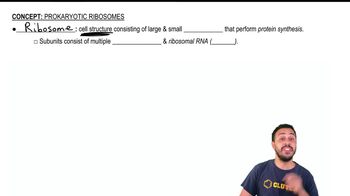
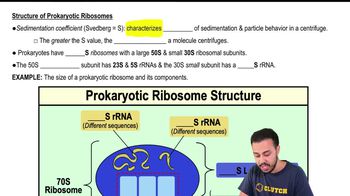
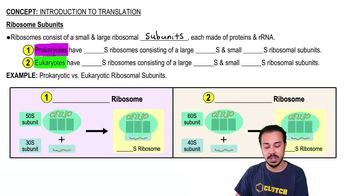
Prokaryotic Ribosomes
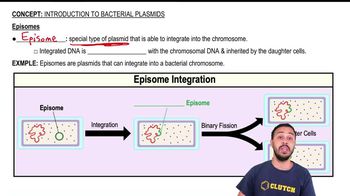
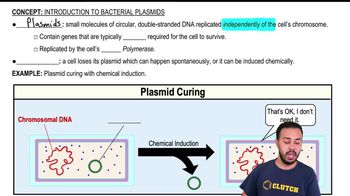
Introduction to Bacterial Plasmids
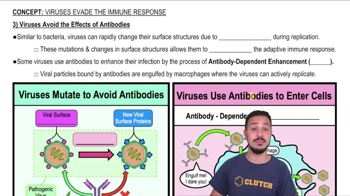
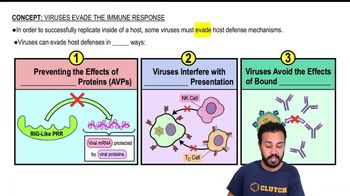
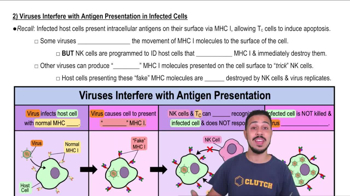
Viruses Evade the Immune Response
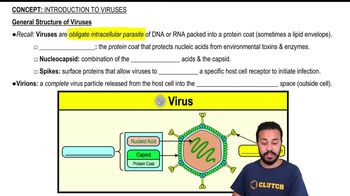
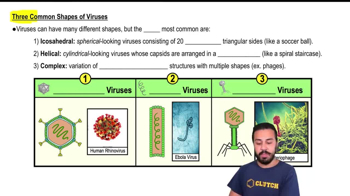
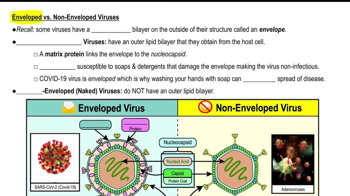
Introduction to Viruses
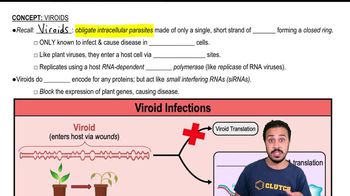
Viroids
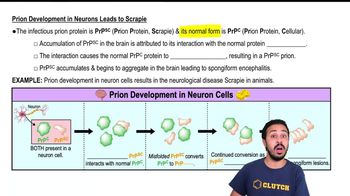
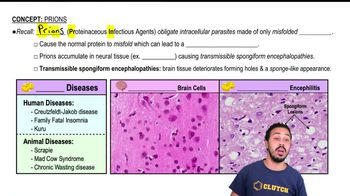
Prions
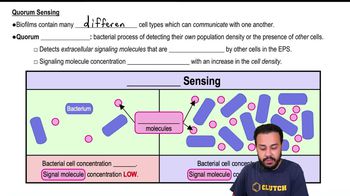
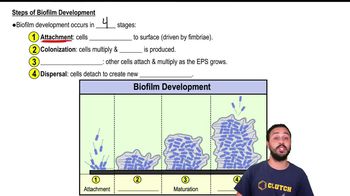
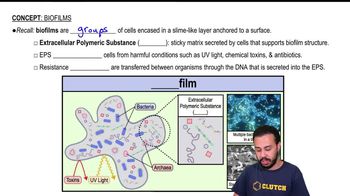
Biofilms
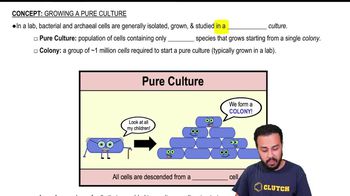
Growing a Pure Culture
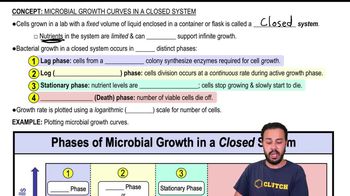
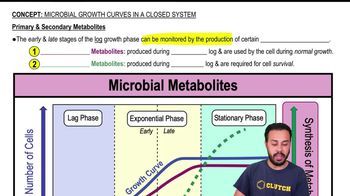
Microbial Growth Curves in a Closed System
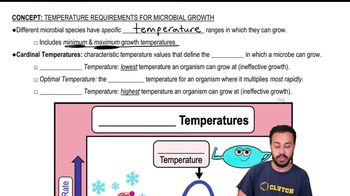
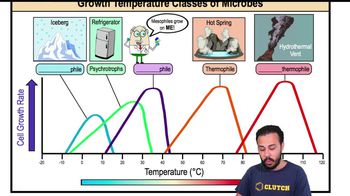
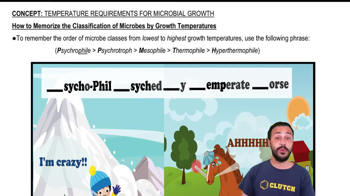
Temperature Requirements for Microbial Growth
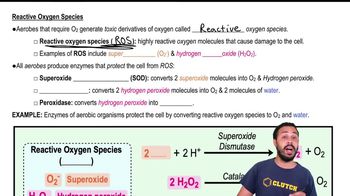
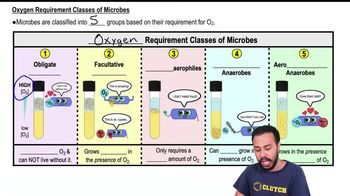
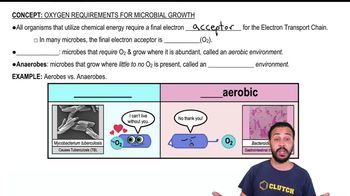
Oxygen Requirements for Microbial Growth
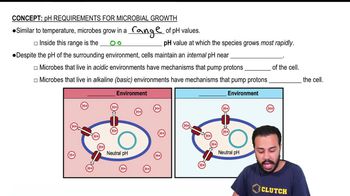
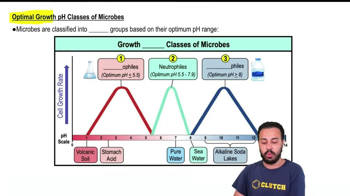
pH Requirements for Microbial Growth
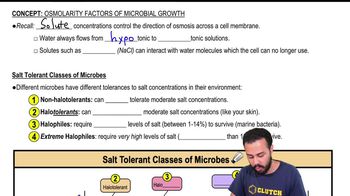
Osmolarity Factors for Microbial Growth
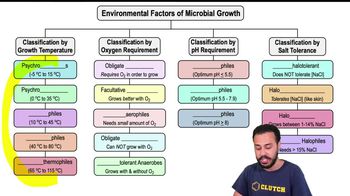
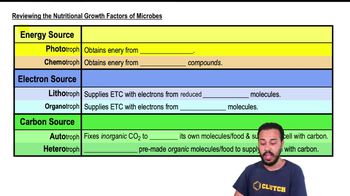
Reviewing the Environmental Factors of Microbial Growth
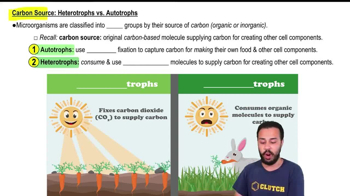
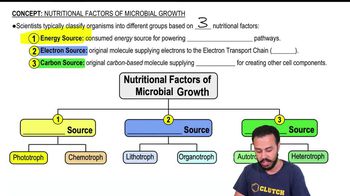
Nutritional Factors of Microbial Growth
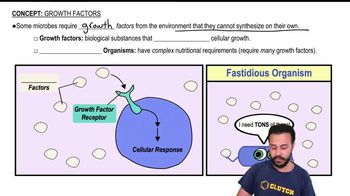
Growth Factors
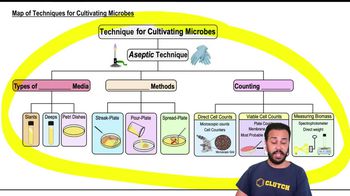
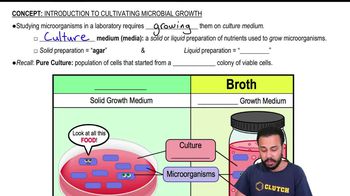
Introduction to Cultivating Microbial Growth
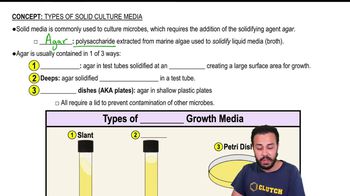
Types of Solid Culture Media
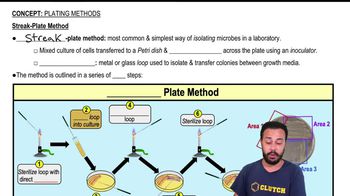
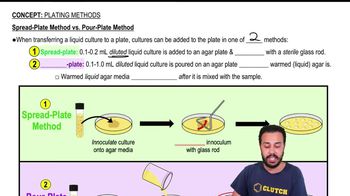
Plating Methods
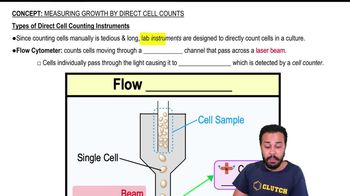
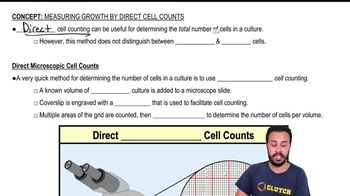
Measuring Growth by Direct Cell Counts
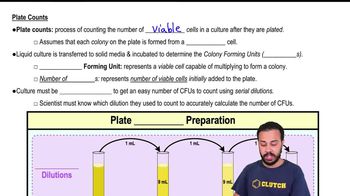
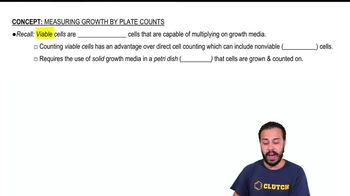
Measuring Growth by Plate Counts
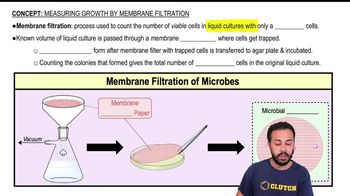
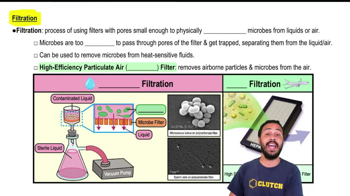
Measuring Growth by Membrane Filtration
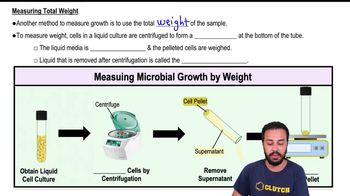
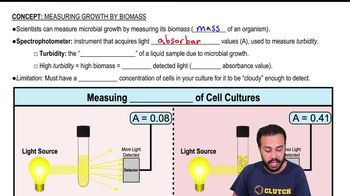
Measuring Growth by Biomass
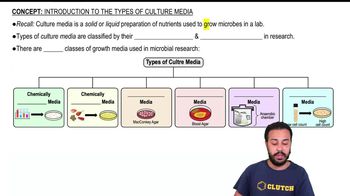
Introduction to the Types of Culture Media
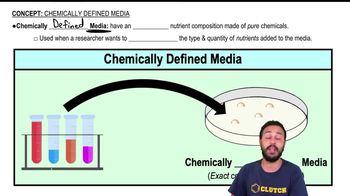
Chemically Defined Media
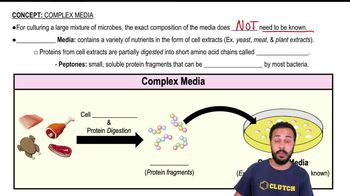
Complex Media
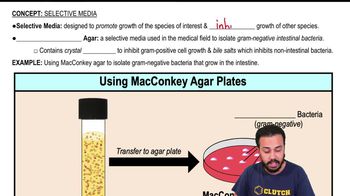
Selective Media
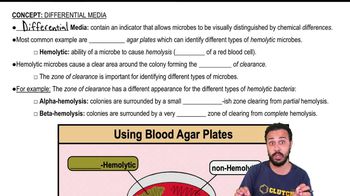
Differential Media
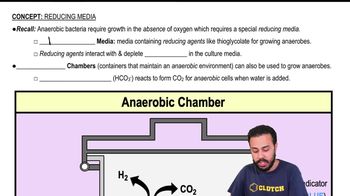
Reducing Media
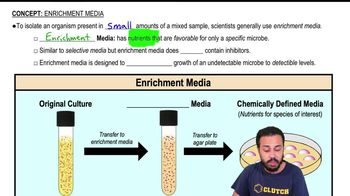
Enrichment Media
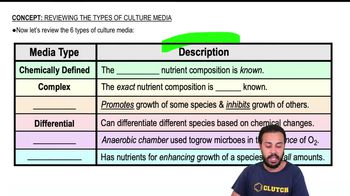
Reviewing the Types of Culture Media
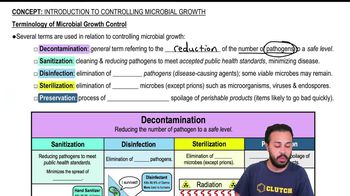
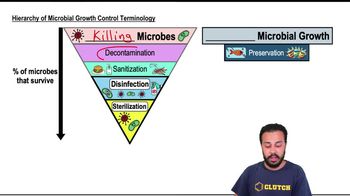
Introduction to Controlling Microbial Growth
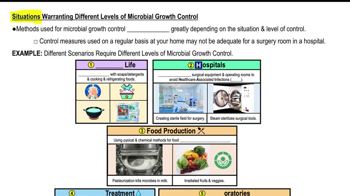
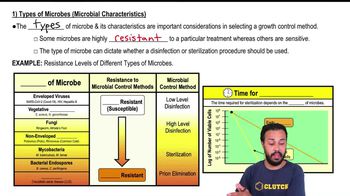
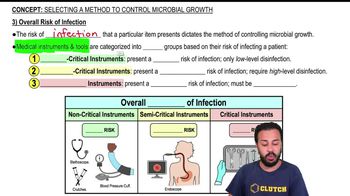
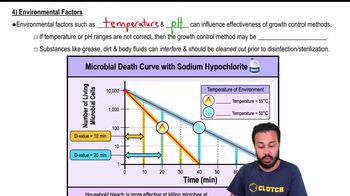
Selecting a Method to Control Microbial Growth
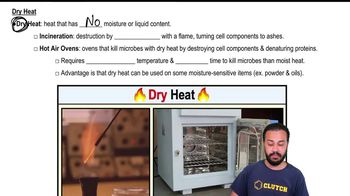
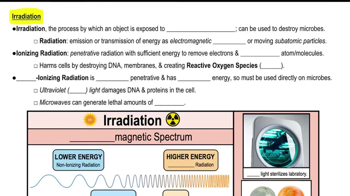
Physical Methods to Control Microbial Growth
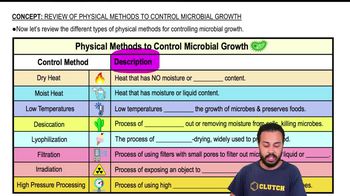
Review of Physical Methods to Control Microbial Growth
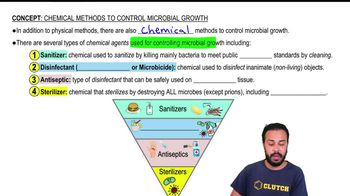
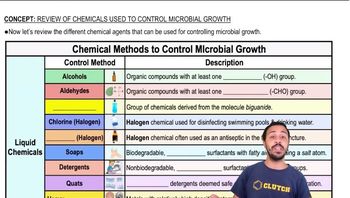
Chemical Methods to Control Microbial Growth
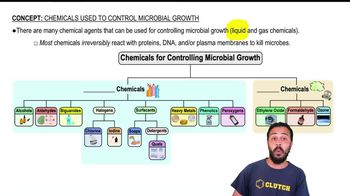
Chemicals Used to Control Microbial Growth
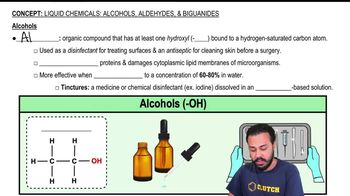
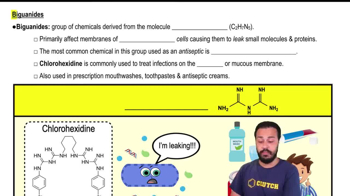
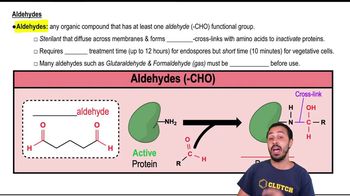
Liquid Chemicals: Alcohols, Aldehydes, & Biguanides
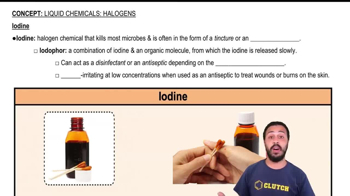
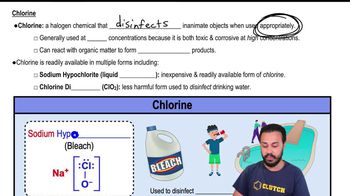
Liquid Chemicals: Halogens
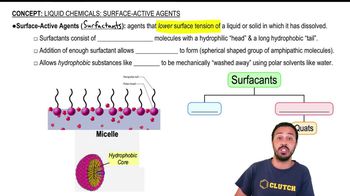
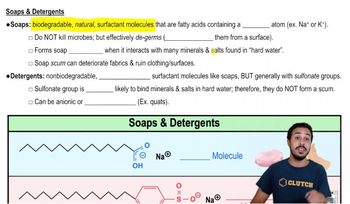
Liquid Chemicals: Surface-Active Agents
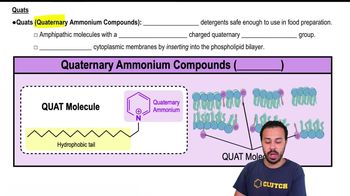
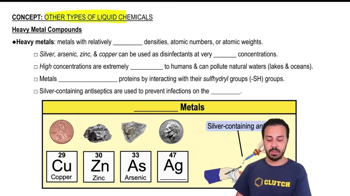
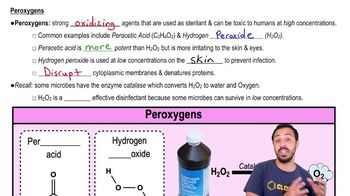
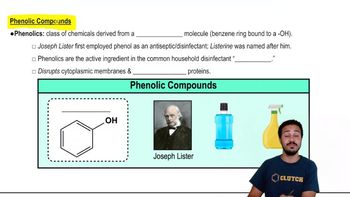
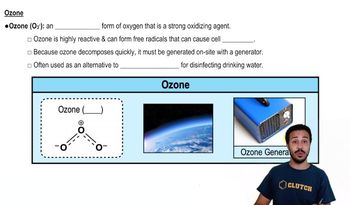
Other Types of Liquid Chemicals
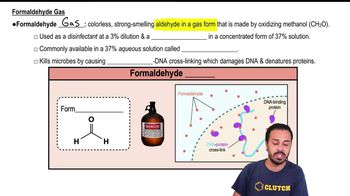
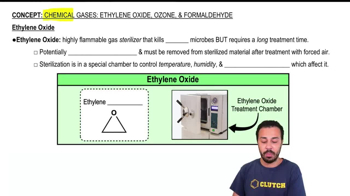
Chemical Gases: Ethylene Oxide, Ozone, & Formaldehyde
Review of Chemicals Used to Control Microbial Growth
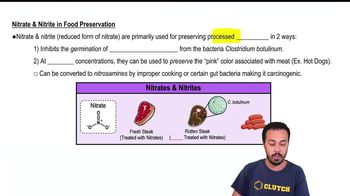
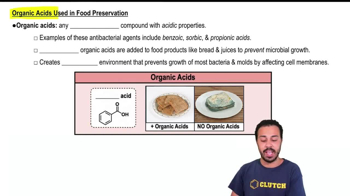
Chemical Preservation of Perishable Products
Introduction to Antimicrobial Drugs
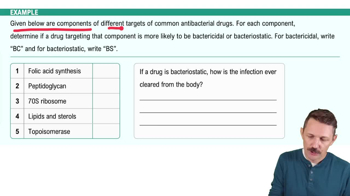
How Antimicrobial Drugs Work
Broad vs Narrow Spectrum Drugs
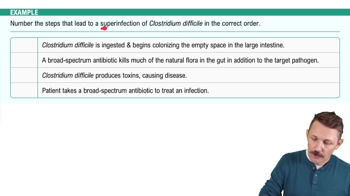
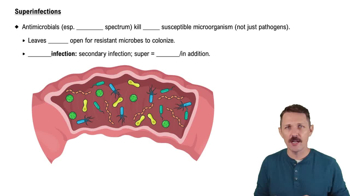
Superinfections
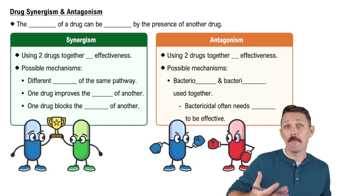
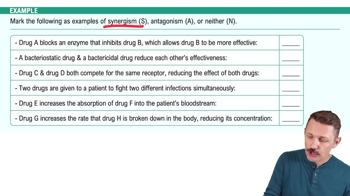
Drug Interactions: Synergism and Antagonism
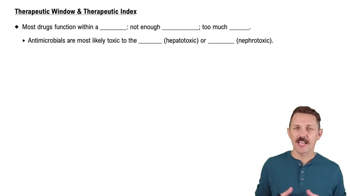
Therapeutic Window & Therapeutic Index
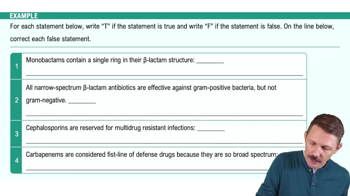
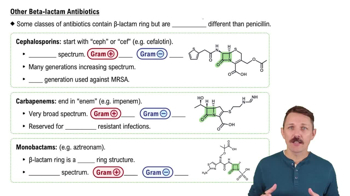
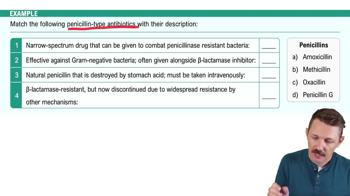
Inhibitors of Cell Wall Synthesis: Beta-lactam & Penicillin
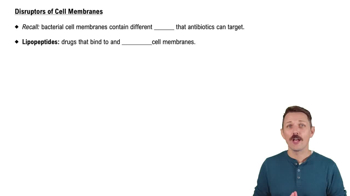
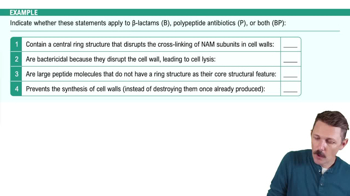
Disruptors of Cell Membranes
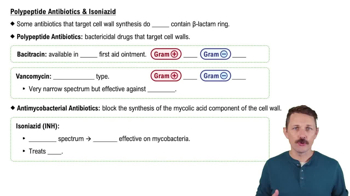
Inhibitors of Cell Wall Synthesis: Polypeptide Antibiotics & Isoniazid
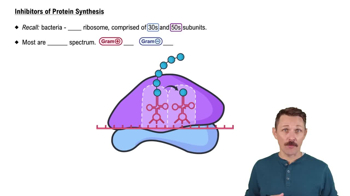
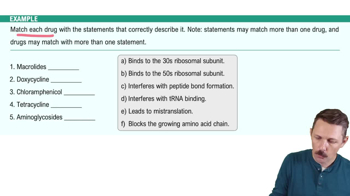
Inhibitors of Protein Synthesis
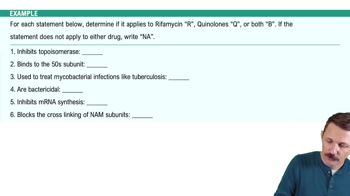
Inhibitors of Nucleic Acid Synthesis
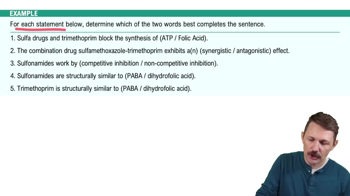
Competitive Inhibitors of Metabolic Pathways
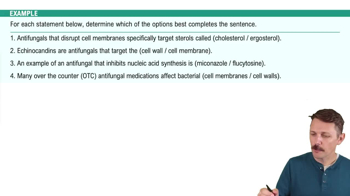
Antifungal Drugs
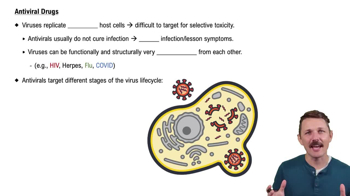
Antiviral Drugs
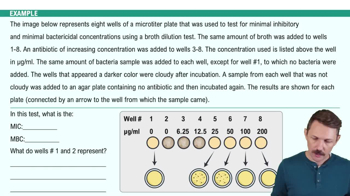
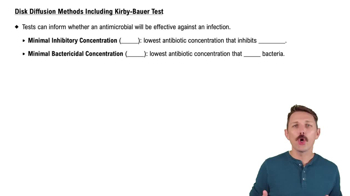
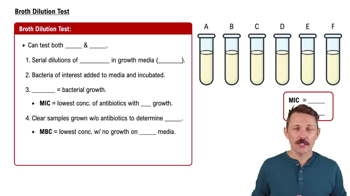
Tests to Guide Antimicrobial Use
Antimicrobial Resistance
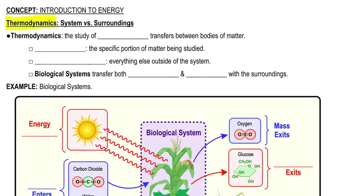
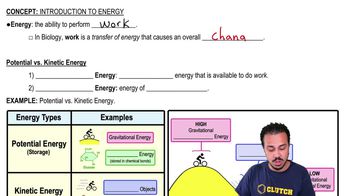
Introduction to Energy
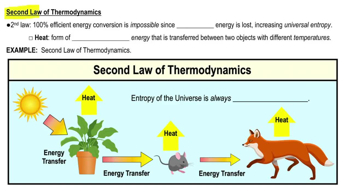
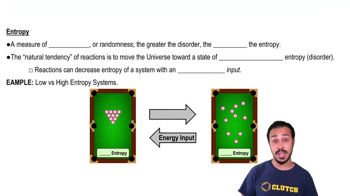
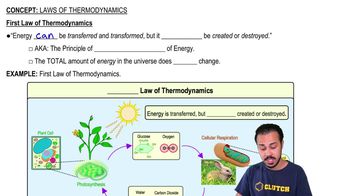
Laws of Thermodynamics
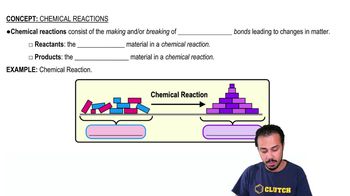
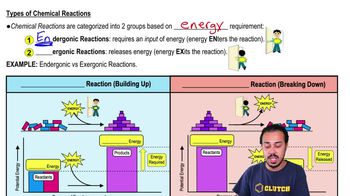
Chemical Reactions
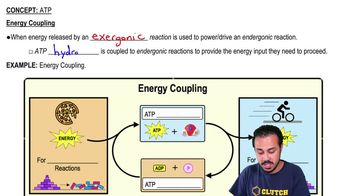
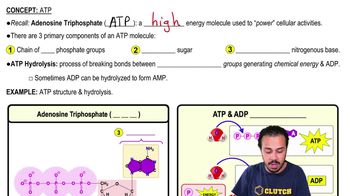
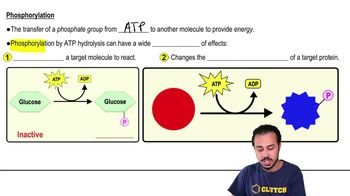
ATP
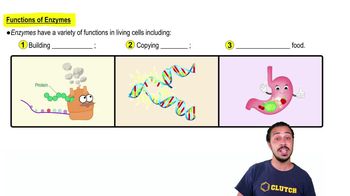
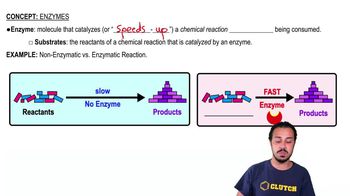
Enzymes
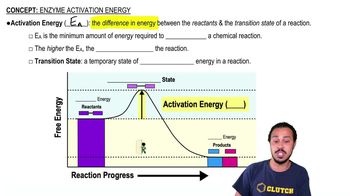
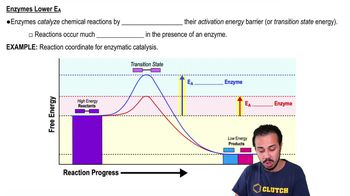
Enzyme Activation Energy
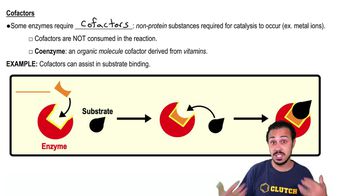
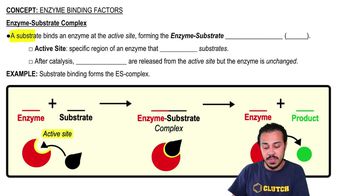
Enzyme Binding Factors
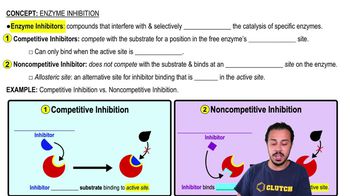
Enzyme Inhibition
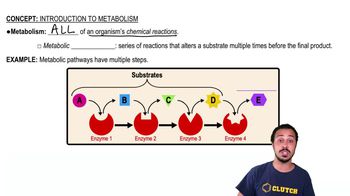
Introduction to Metabolism
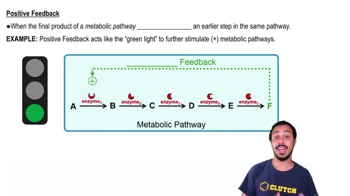
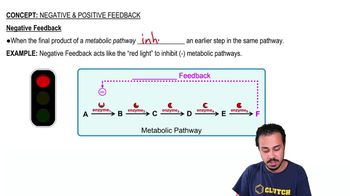
Negative & Positive Feedback
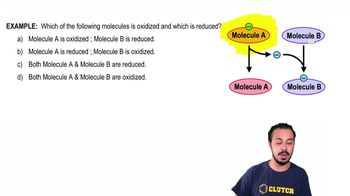
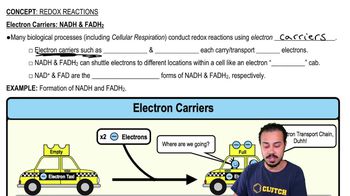
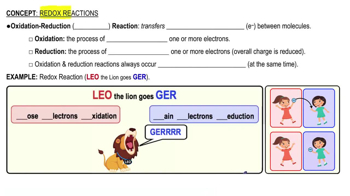
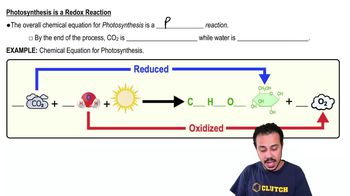
Redox Reactions
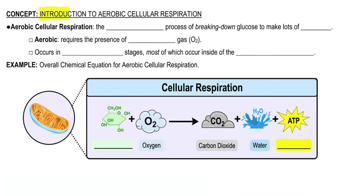
Introduction to Aerobic Cellular Respiration
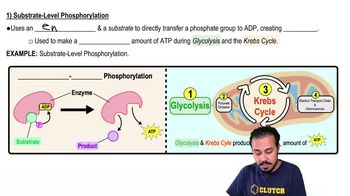
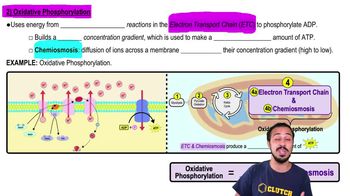
Types of Phosphorylation
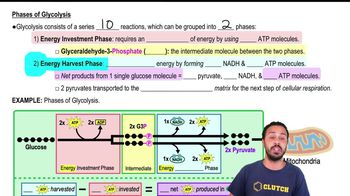
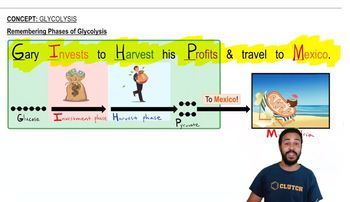
Glycolysis
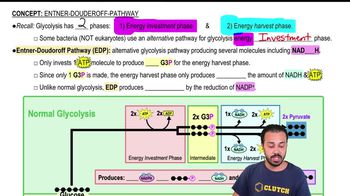
Entner-Doudoroff Pathway
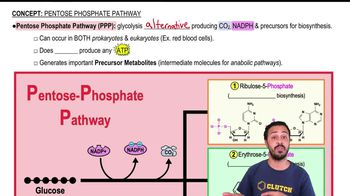
Pentose-Phosphate Pathway
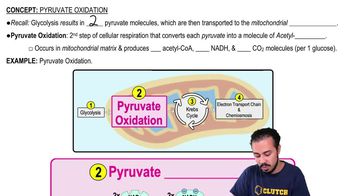
Pyruvate Oxidation
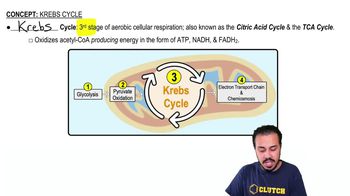
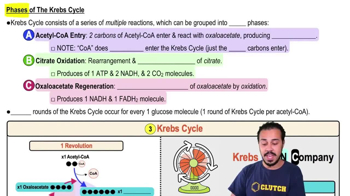
Krebs Cycle
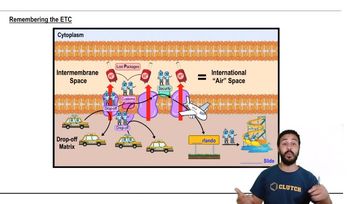
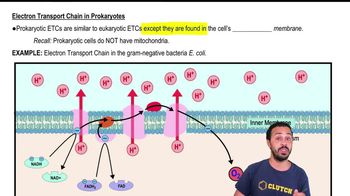
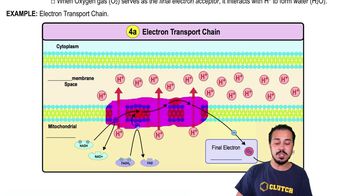
Electron Transport Chain
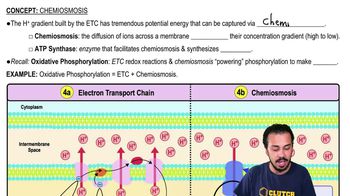
Chemiosmosis
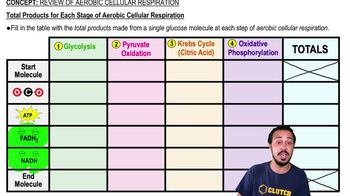
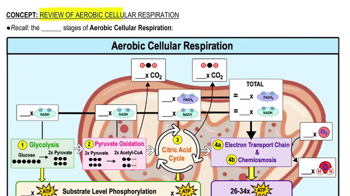
Review of Aerobic Cellular Respiration
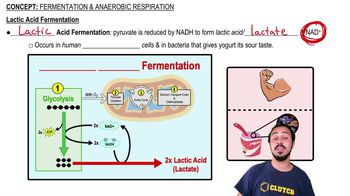
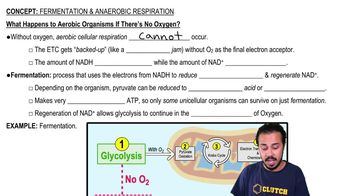
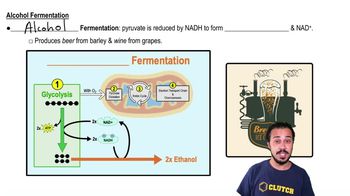
Fermentation & Anaerobic Respiration
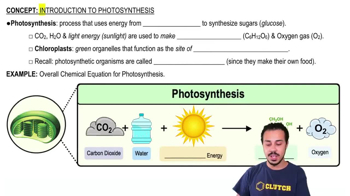
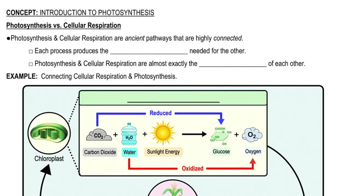
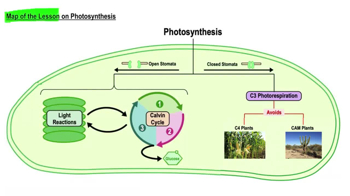
Introduction to Photosynthesis
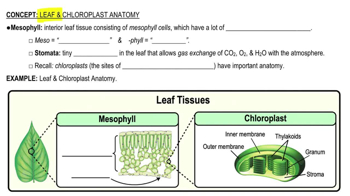
Leaf & Chloroplast Anatomy
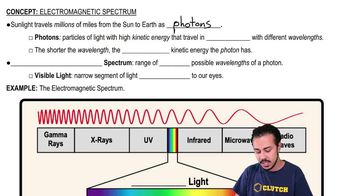
Electromagnetic Spectrum
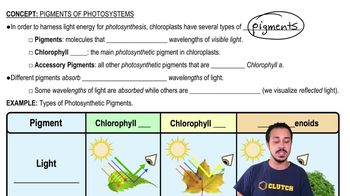
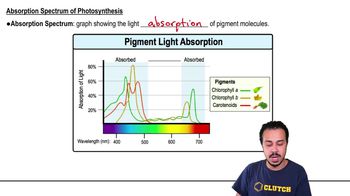
Pigments of Photosynthesis
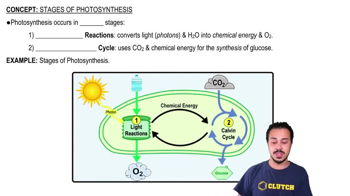
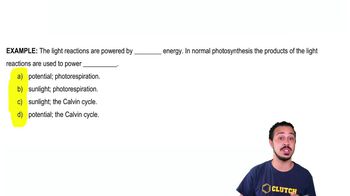
Stages of Photosynthesis
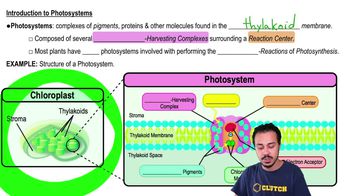
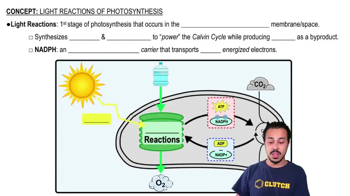
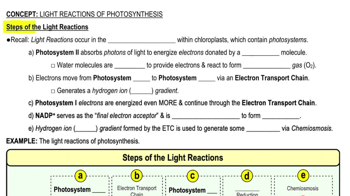
Light Reactions of Photosynthesis
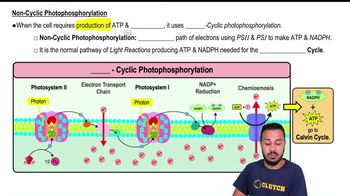
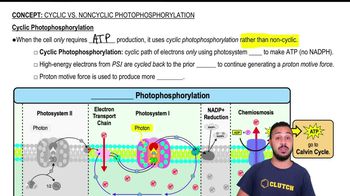
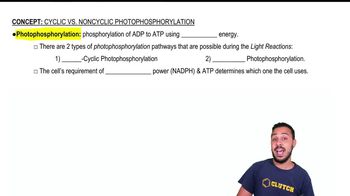
Cyclic vs. Non-Cyclic Photophosphorylation
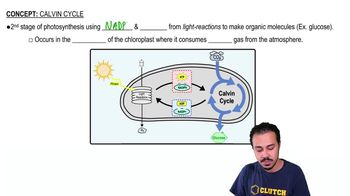
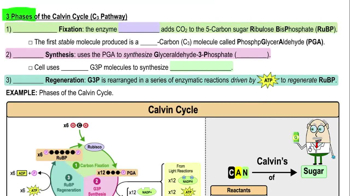
Calvin Cycle
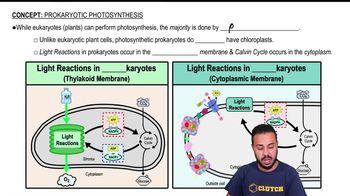
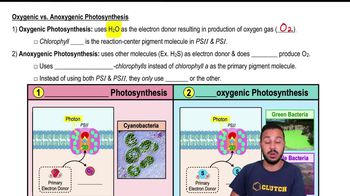
Prokaryotic Photosynthesis
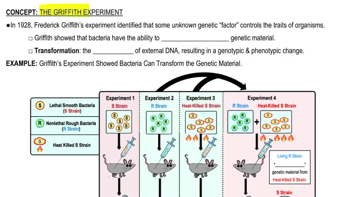
The Griffith Experiment
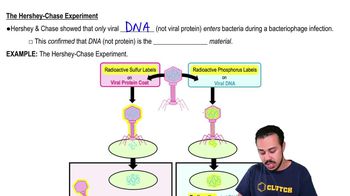
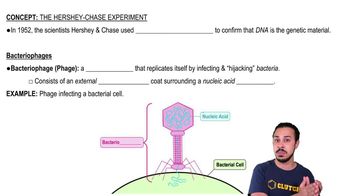
The Hershey-Chase Experiment
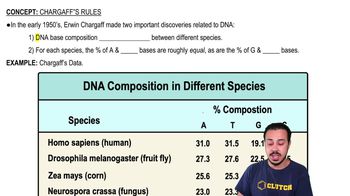
Chargaff's Rules
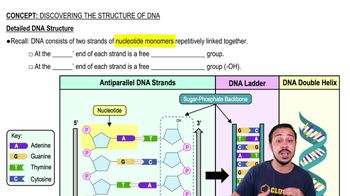
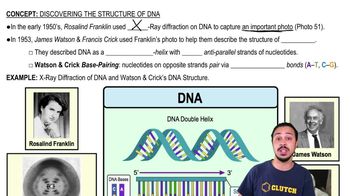
Discovering the Structure of DNA
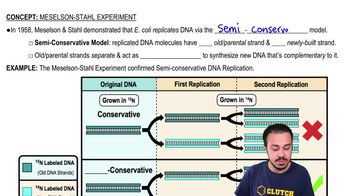
Meselson-Stahl Experiment
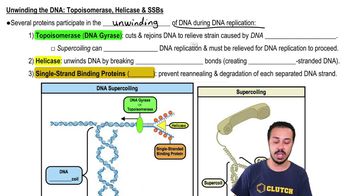
Introduction to DNA Replication
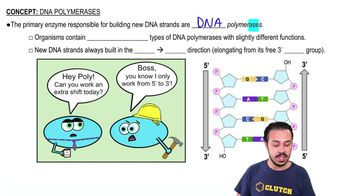
DNA Polymerases
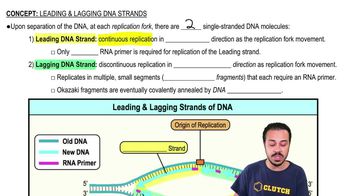
Leading & Lagging DNA Strands
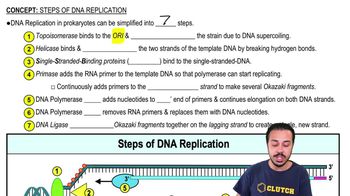
Steps of DNA Replication
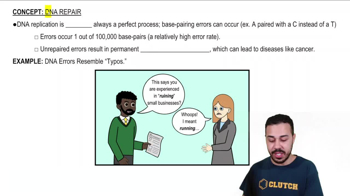
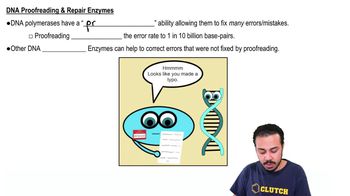
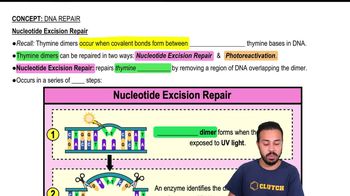
DNA Repair
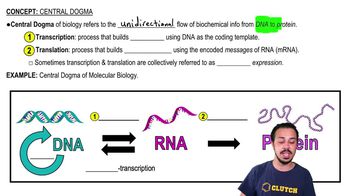
Central Dogma
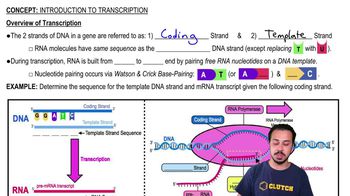
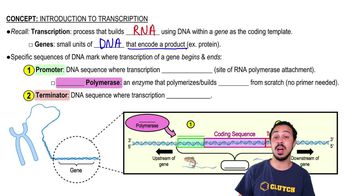
Introduction to Transcription
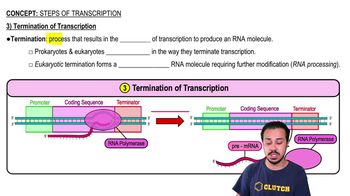
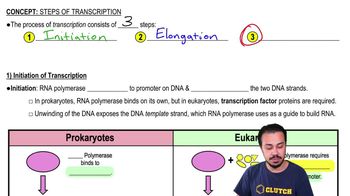
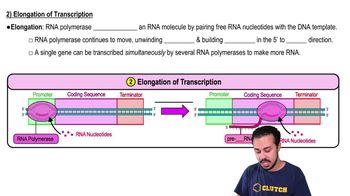
Steps of Transcription
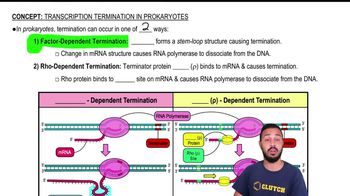
Transcription Termination in Prokaryotes
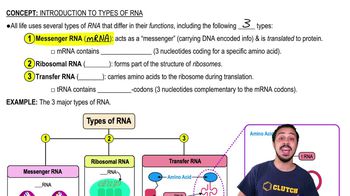
Introduction to Types of RNA
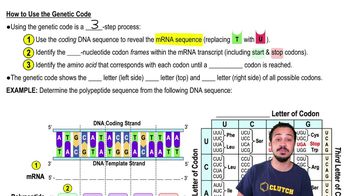
Genetic Code
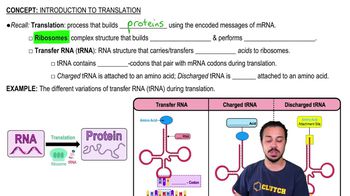
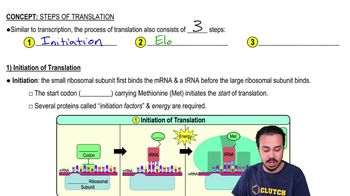
Introduction to Translation
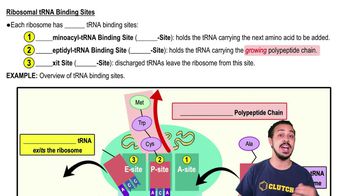
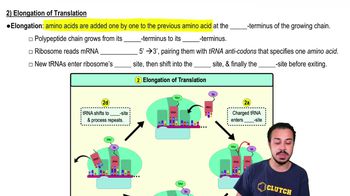
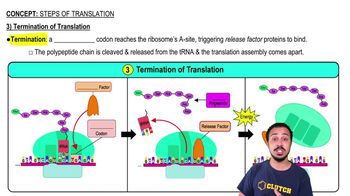
Steps of Translation
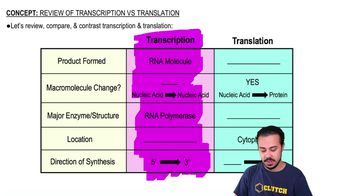
Review of Transcription vs. Translation
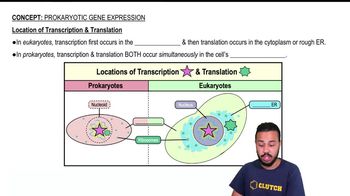
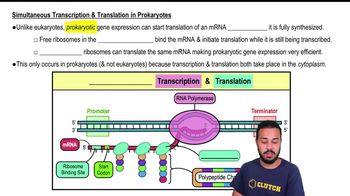
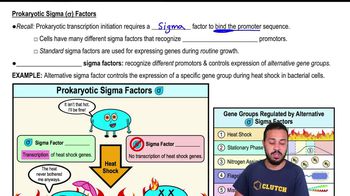
Prokaryotic Gene Expression
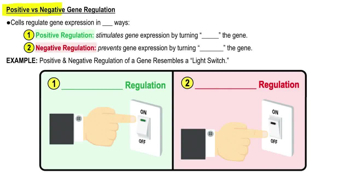
Introduction to Regulation of Gene Expression
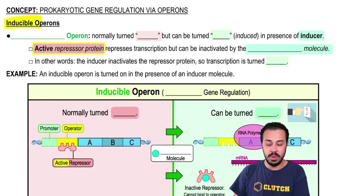
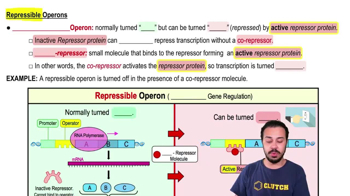
Prokaryotic Gene Regulation via Operons
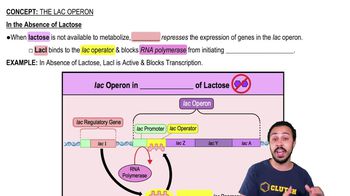
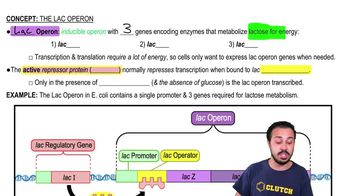
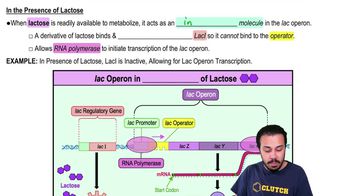
The Lac Operon
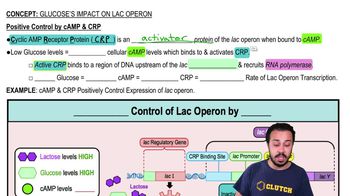
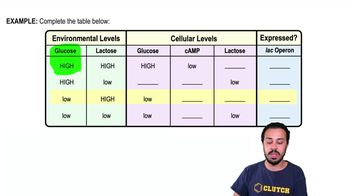
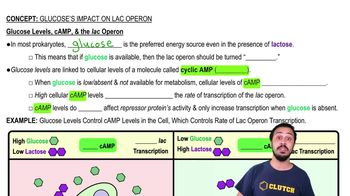
Glucose's Impact on Lac Operon
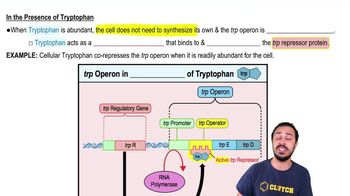
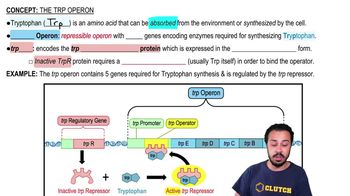
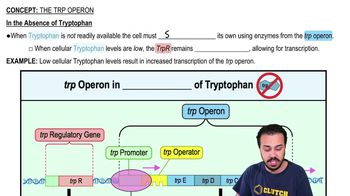
The Trp Operon
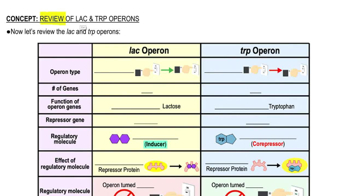
Review of the Lac Operon & Trp Operon
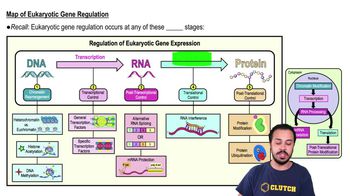
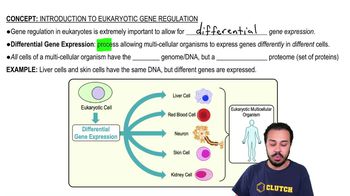
Introduction to Eukaryotic Gene Regulation
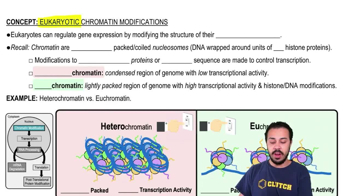
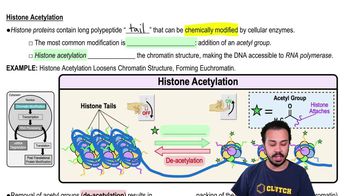
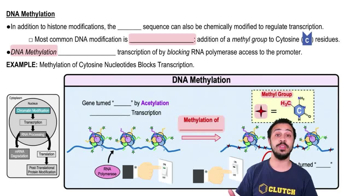
Eukaryotic Chromatin Modifications
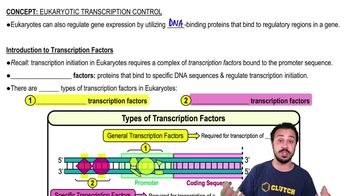
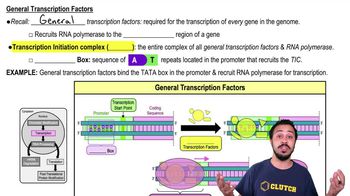
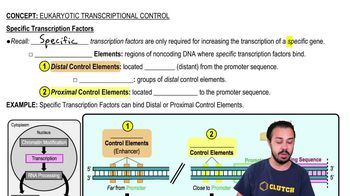
Eukaryotic Transcriptional Control
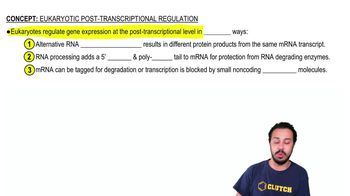
Eukaryotic Post-Transcriptional Regulation
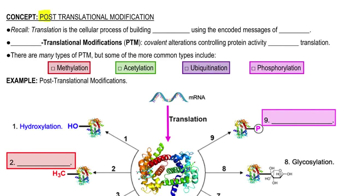
Post-Translational Modification
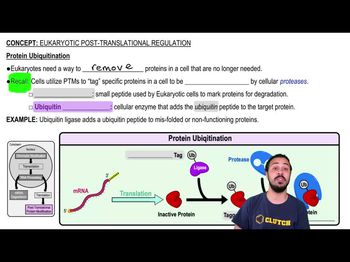
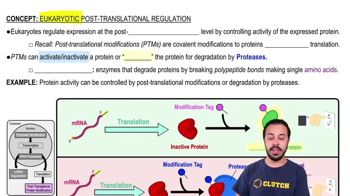
Eukaryotic Post-Translational Regulation
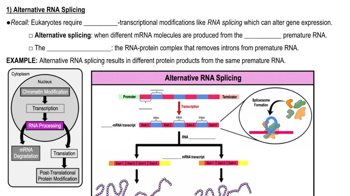
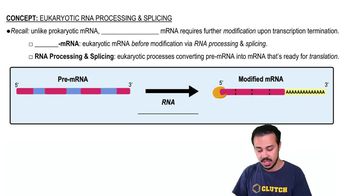
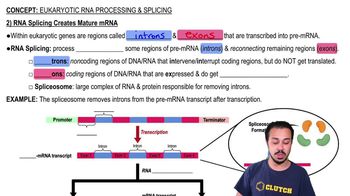
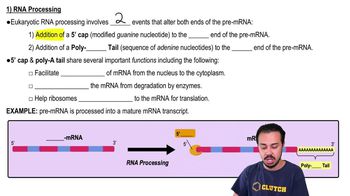
Eukaryotic RNA Processing and Splicing
Review of Prokaryotic vs. Eukaryotic Gene Expression
Introduction to Microbial Genetics
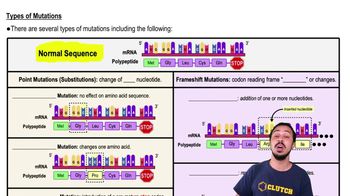
Introduction to Mutations
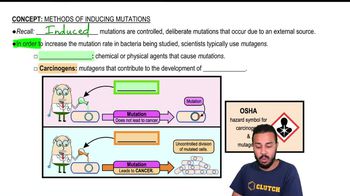
Methods of Inducing Mutations
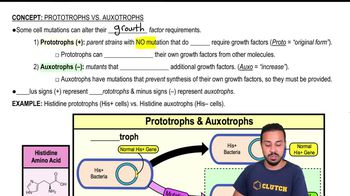
Prototrophs vs. Auxotrophs
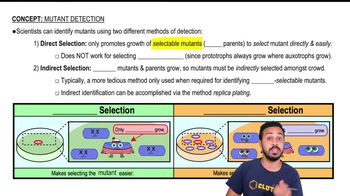
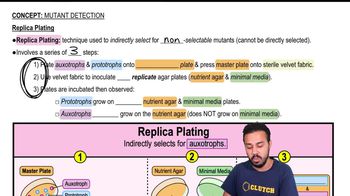
Mutant Detection
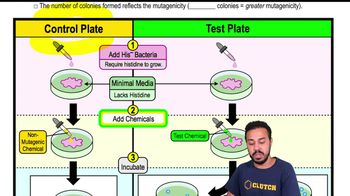
The Ames Test
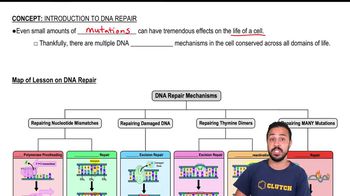
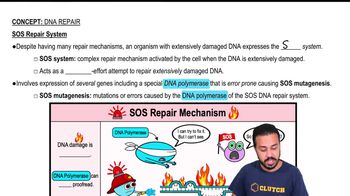
Introduction to DNA Repair
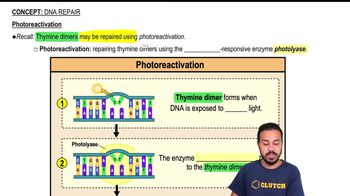
DNA Repair Mechanisms
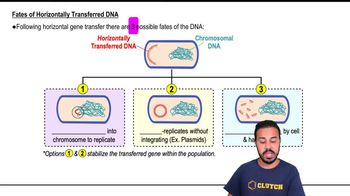
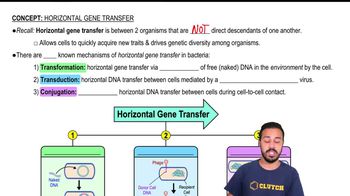
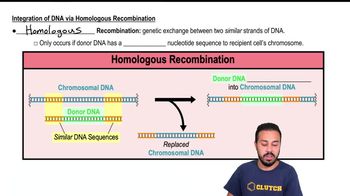
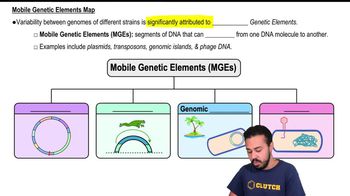
Horizontal Gene Transfer
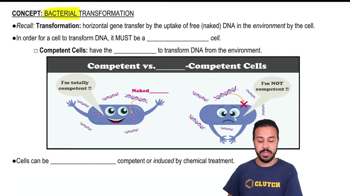
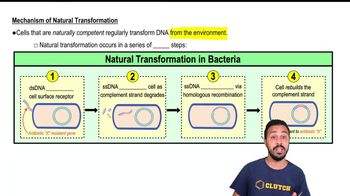
Bacterial Transformation
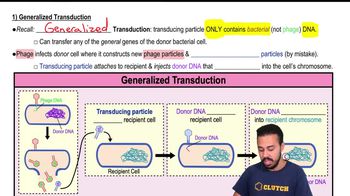
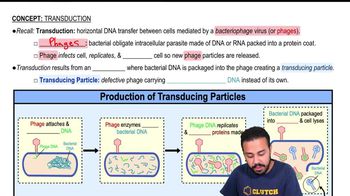
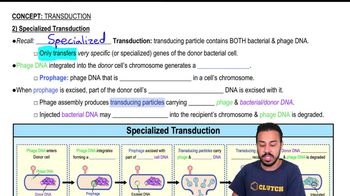
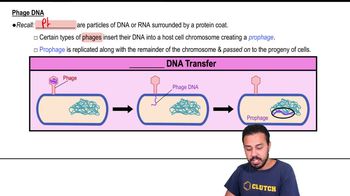
Transduction
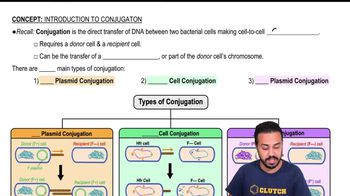
Introduction to Conjugation
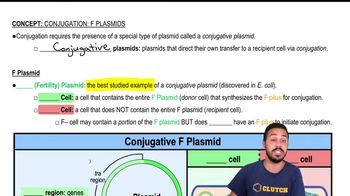
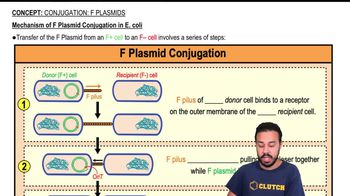
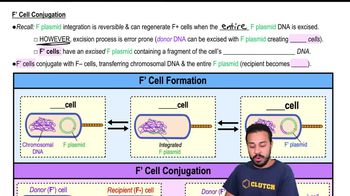
Conjugation: F Plasmids
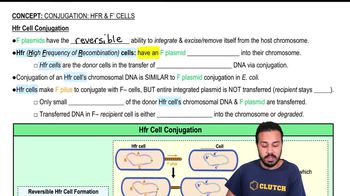
Conjugation: Hfr & F' Cells
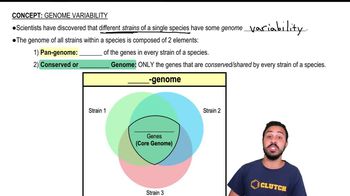
Genome Variability
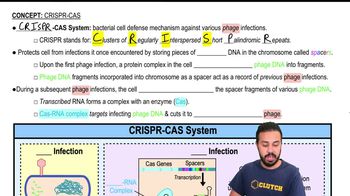
CRISPR CAS
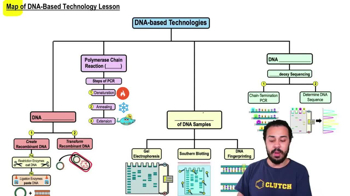
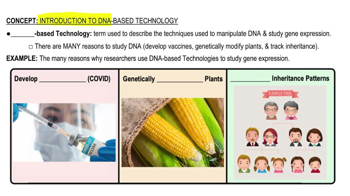
Introduction to DNA-Based Technology
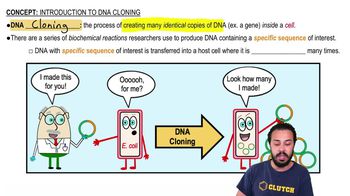
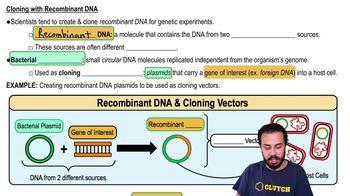
Introduction to DNA Cloning
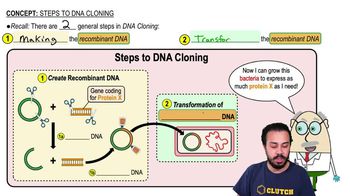
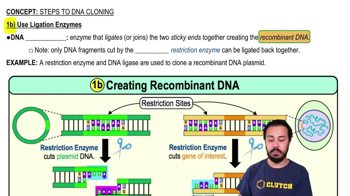
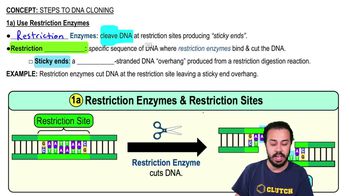
Steps to DNA Cloning
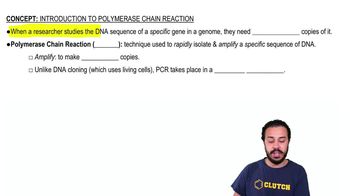
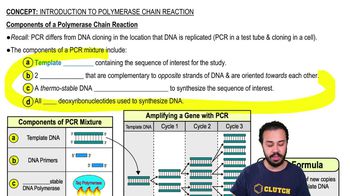
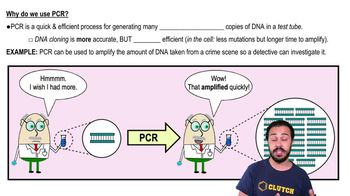
Introduction to Polymerase Chain Reaction
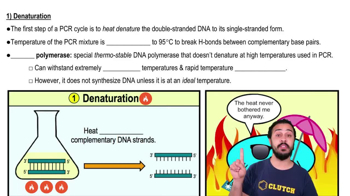
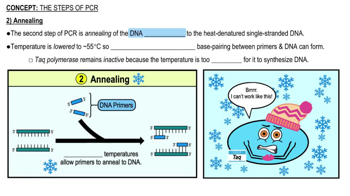
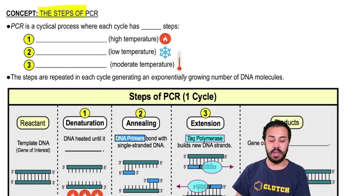
The Steps of PCR
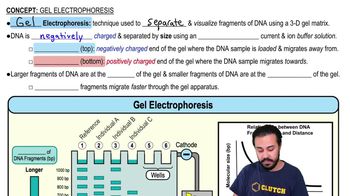
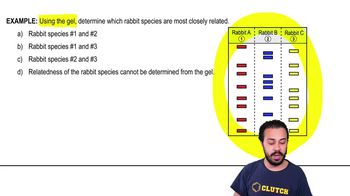
Gel Electrophoresis
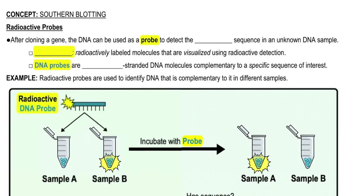
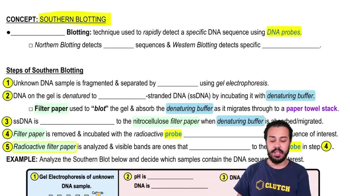
Southern Blotting
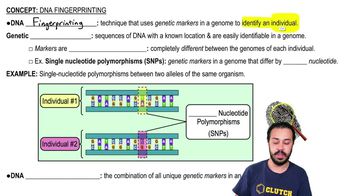
DNA Fingerprinting
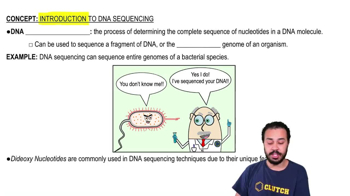
Introduction to DNA Sequencing
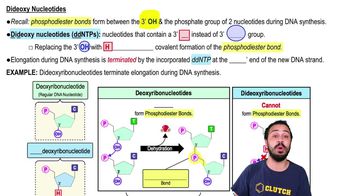
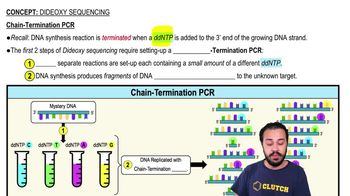
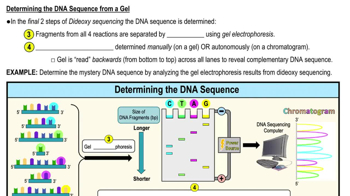
Dideoxy Sequencing
Introduction to Immunity
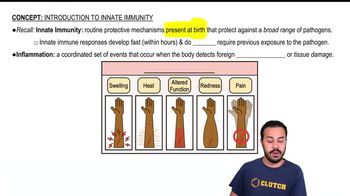
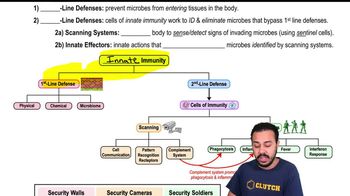
Introduction to Innate Immunity
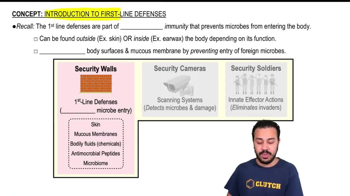
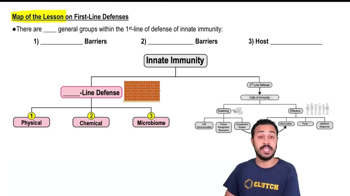
Introduction to First-Line Defenses
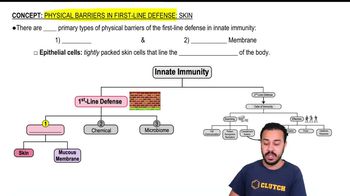
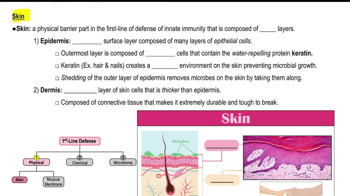
Physical Barriers in First-Line Defenses: Skin
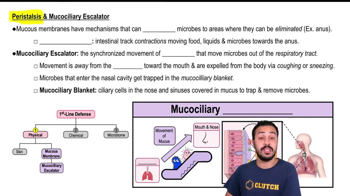
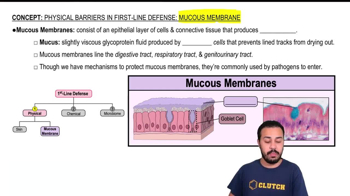
Physical Barriers in First-Line Defenses: Mucous Membrane
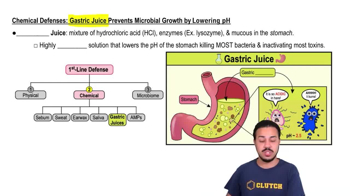
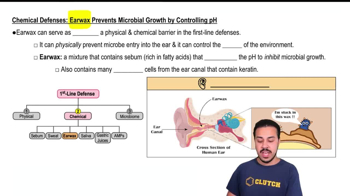
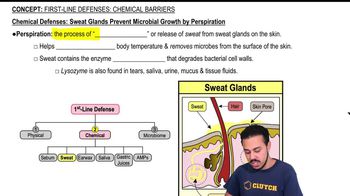
First-Line Defenses: Chemical Barriers
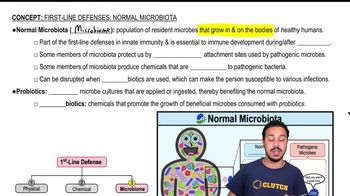
First-Line Defenses: Normal Microbiota
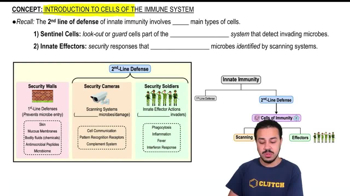
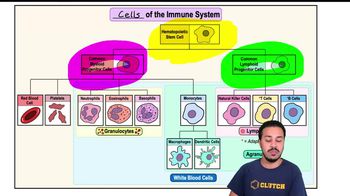
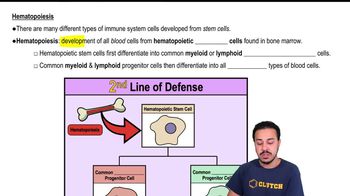
Introduction to Cells of the Immune System
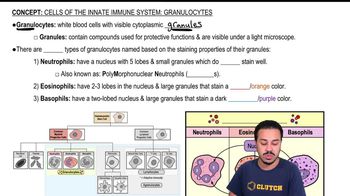
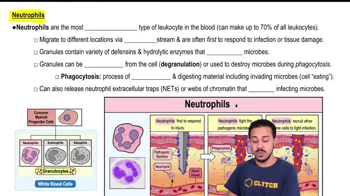
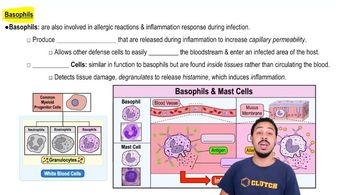
Cells of the Immune System: Granulocytes
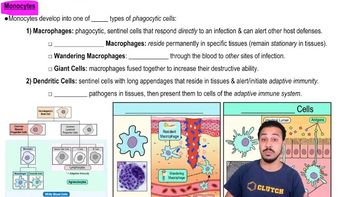
Cells of the Immune System: Agranulocytes
Introduction to Cell Communication
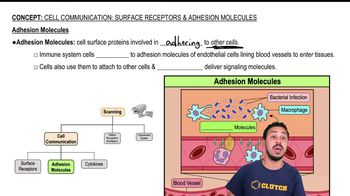
Cell Communication: Surface Receptors & Adhesion Molecules
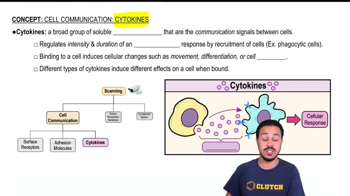
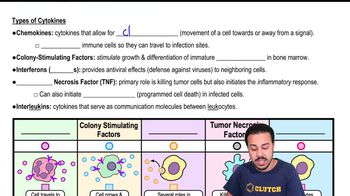
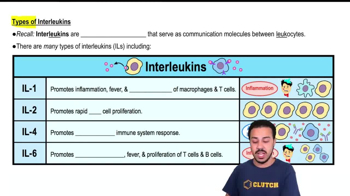
Cell Communication: Cytokines
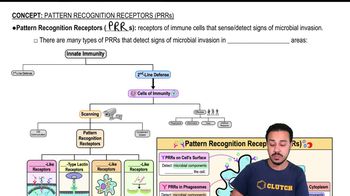
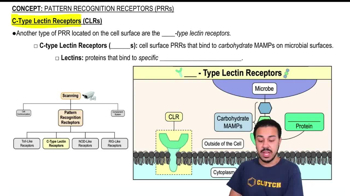
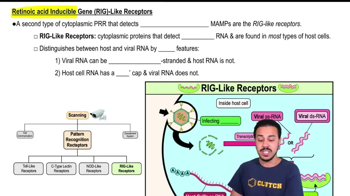
Pattern Recognition Receptors (PRRs)
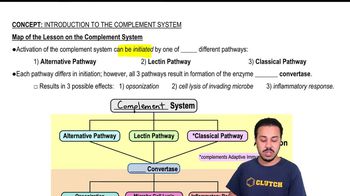
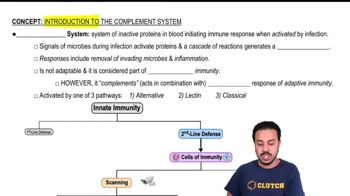
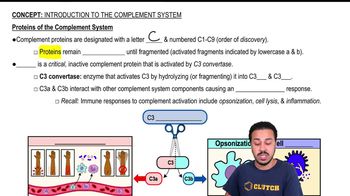
Introduction to the Complement System
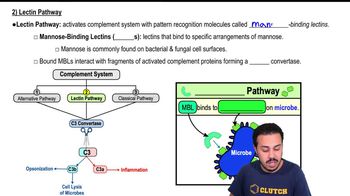
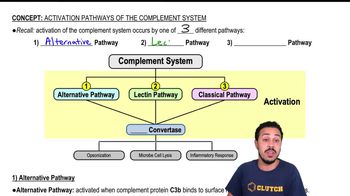
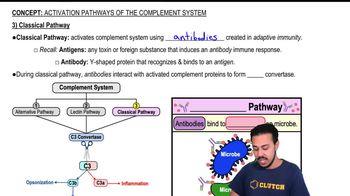
Activation Pathways of the Complement System
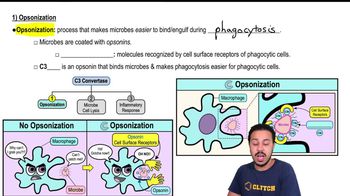
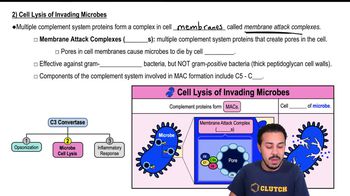
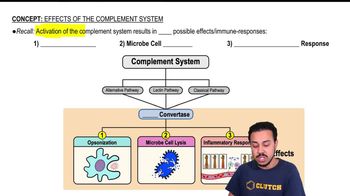
Effects of the Complement System
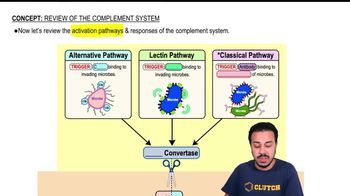
Review of the Complement System
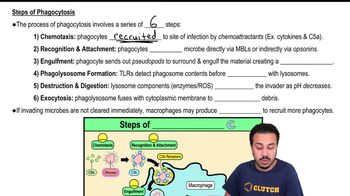
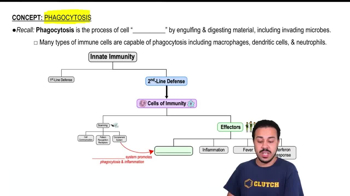
Phagoctytosis
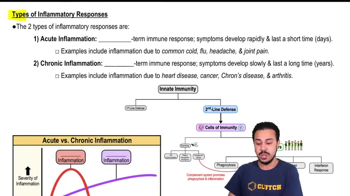
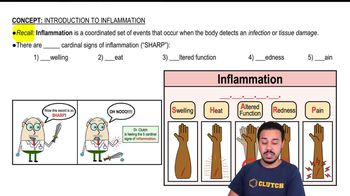
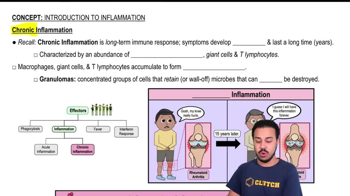
Introduction to Inflammation
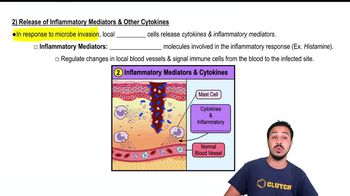
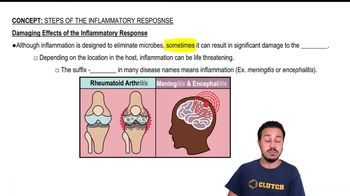
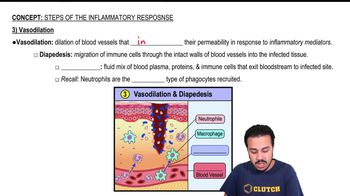
Steps of the Inflammatory Response
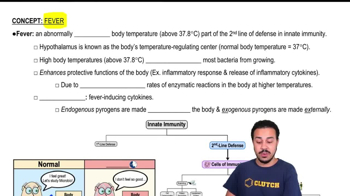
Fever
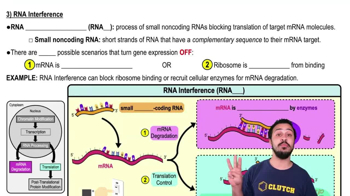
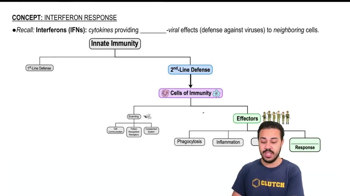
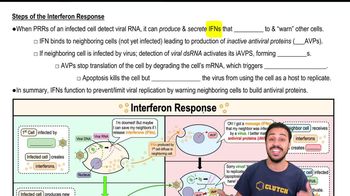
Interferon Response
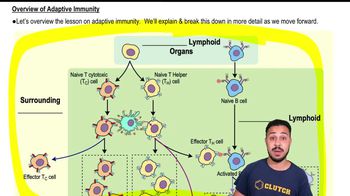
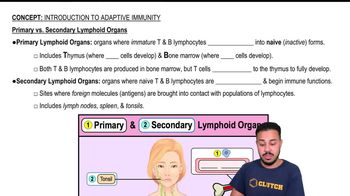
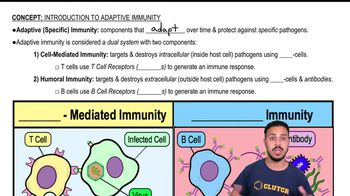
Introduction to Adaptive Immunity
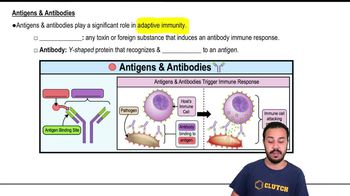
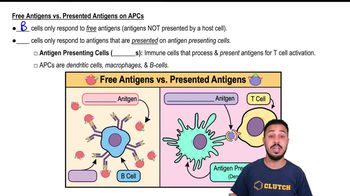
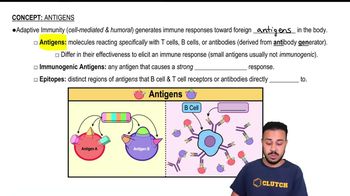
Antigens
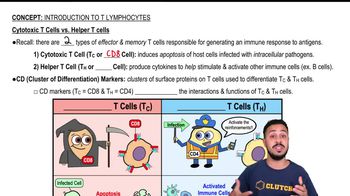
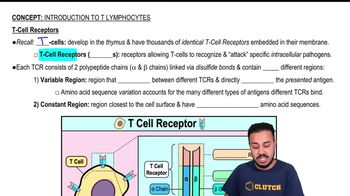
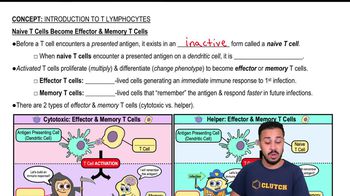
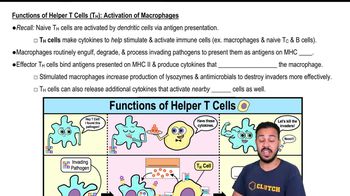
Introduction to T Lymphocytes
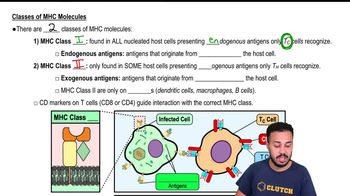
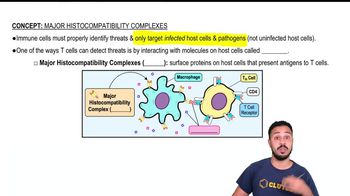
Major Histocompatibility Complex Molecules
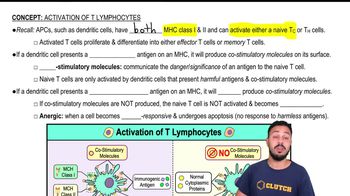
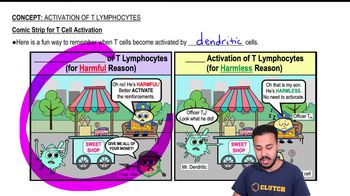
Activation of T Lymphocytes
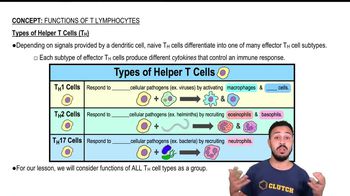
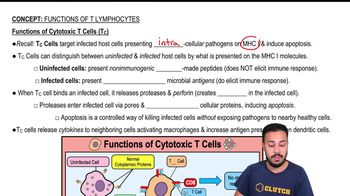
Functions of T Lymphocytes
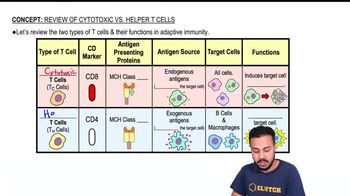
Review of Cytotoxic vs Helper T Cells
Introduction to B Lymphocytes
Antibodies
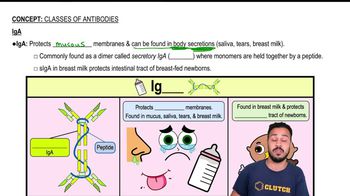
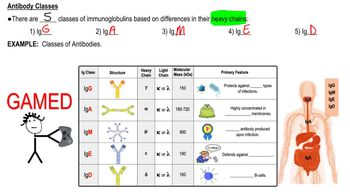
Classes of Antibodies
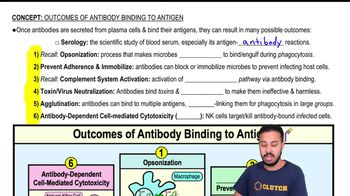
Outcomes of Antibody Binding to Antigen
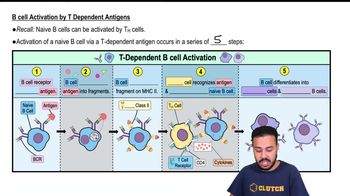
T Dependent & T Independent Antigens
Clonal Selection
Antibody Class Switching
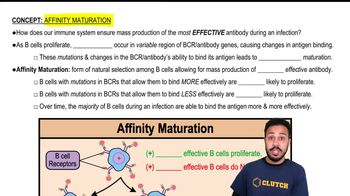
Affinity Maturation
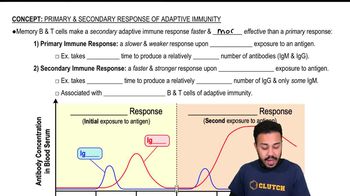
Primary and Secondary Response of Adaptive Immunity
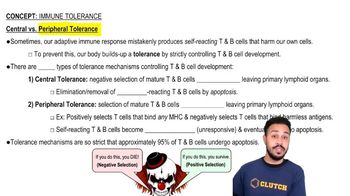
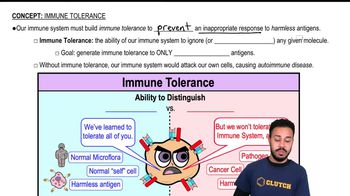
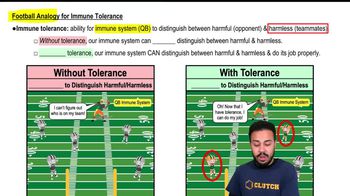
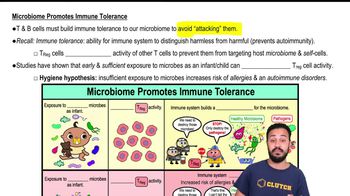
Immune Tolerance
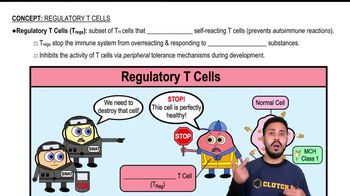
Regulatory T Cells
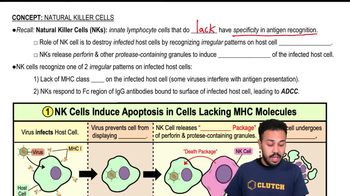
Natural Killer Cells
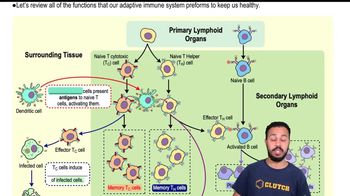
Review of Adaptive Immunity
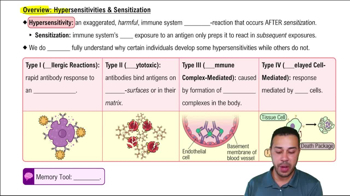
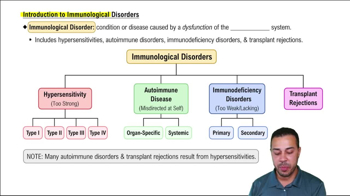
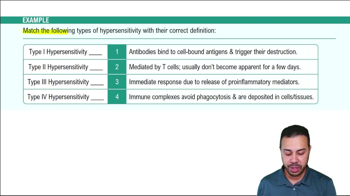
Introduction to Hypersensitivites
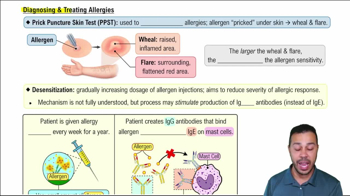
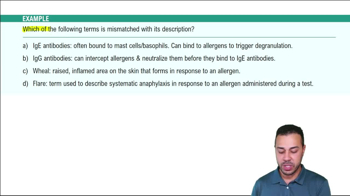
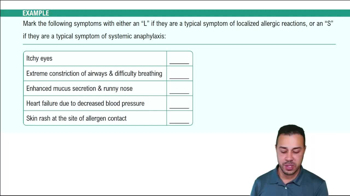
Type I Hypersensitivities
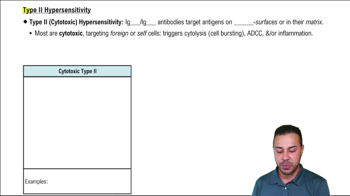
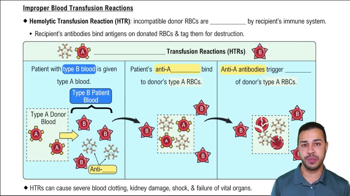
Type II Hypersensitivities
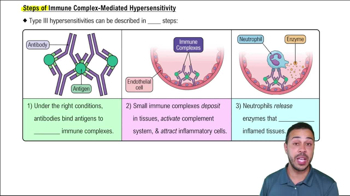
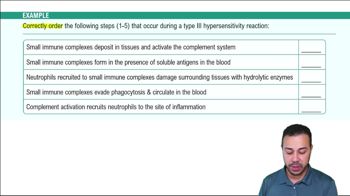
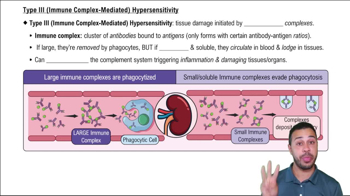
Type III Hypersensitivities
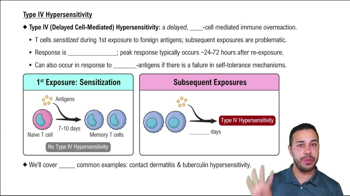
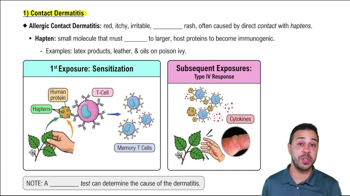
Type IV Hypersensitivities
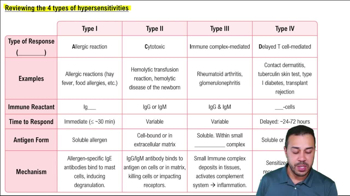
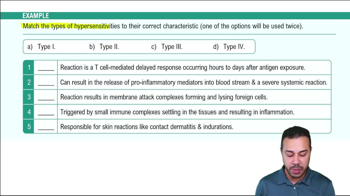
Reviewing the 4 Types of Hypersensitivities
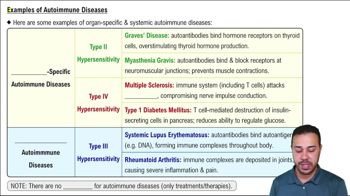
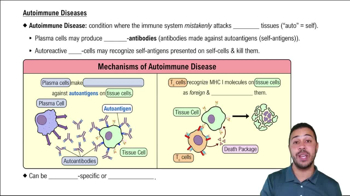
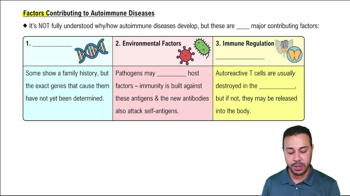
Autoimmune Diseases
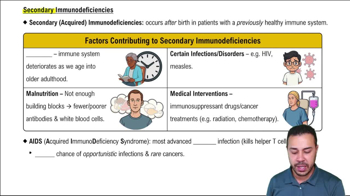
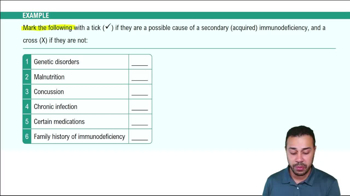
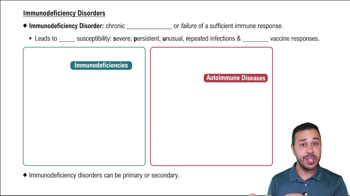
Immunodeficiency Disorders
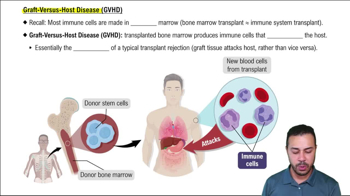
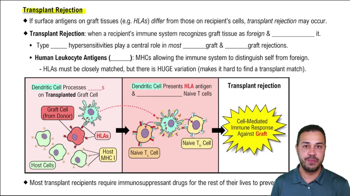
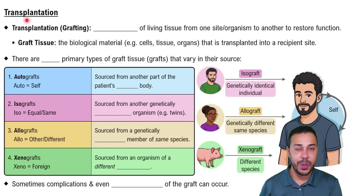
Transplantation
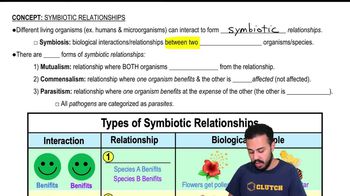
Symbiotic Relationships
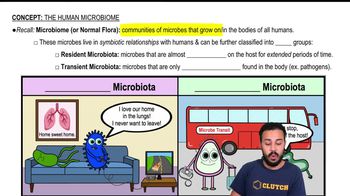
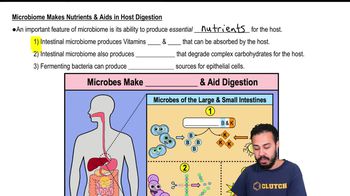
The Human Microbiome
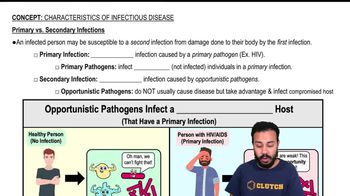
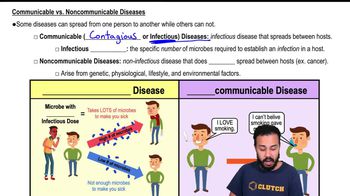
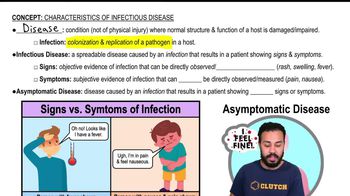
Characteristics of Infectious Disease
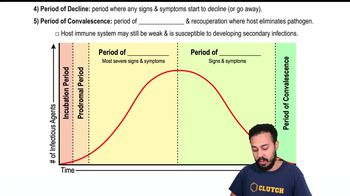
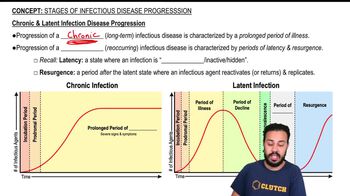
Stages of Infectious Disease Progression
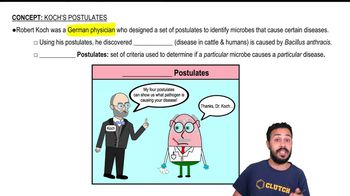
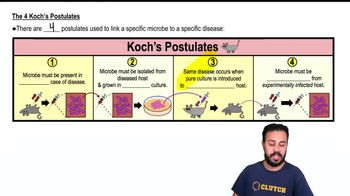
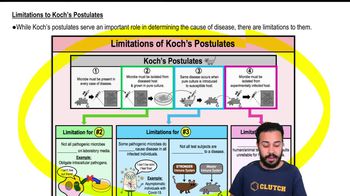
Koch's Postulates
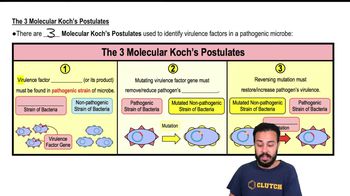
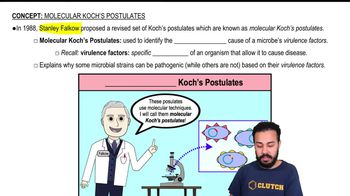
Molecular Koch's Postulates
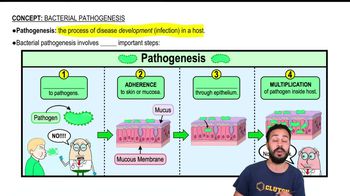
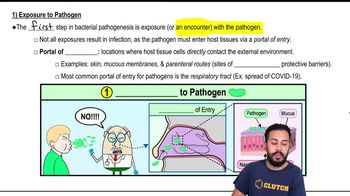
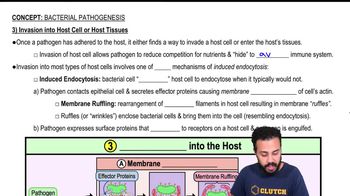
Bacterial Pathogenesis
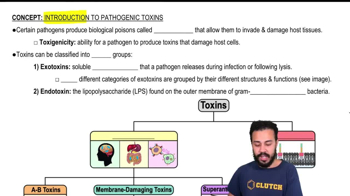
Introduction to Pathogenic Toxins
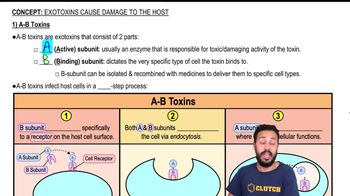
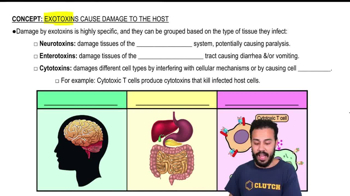
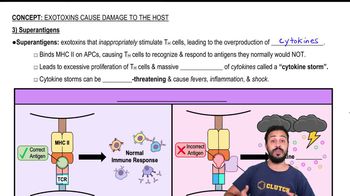
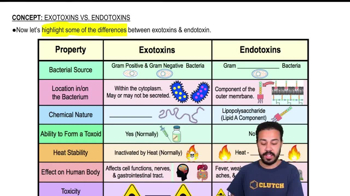
Exotoxins Cause Damage to the Host
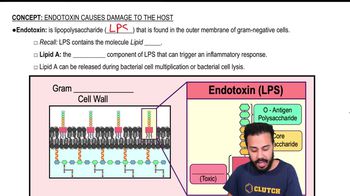
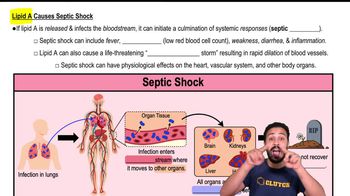
Endotoxin Causes Damage to the Host
Exotoxins vs. Endotoxin Review
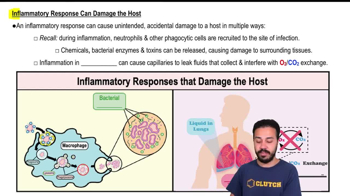
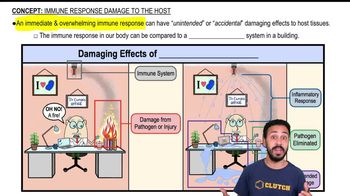
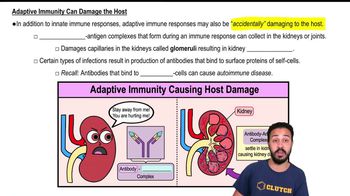
Immune Response Damage to the Host
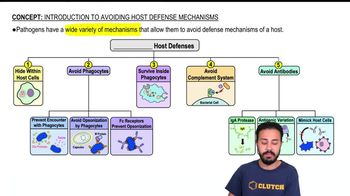
Introduction to Avoiding Host Defense Mechanisms
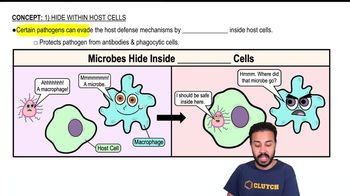
1) Hide Within Host Cells
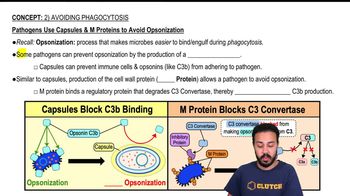
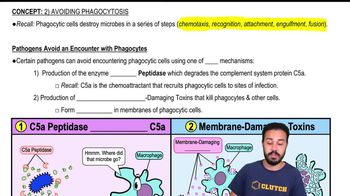
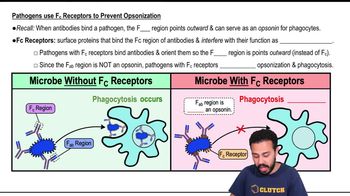
2) Avoiding Phagocytosis
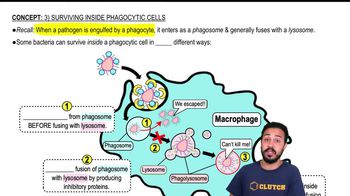
3) Surviving Inside Phagocytic Cells
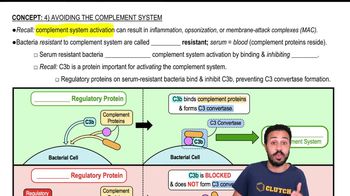
4) Avoiding Complement System
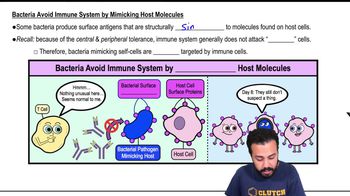
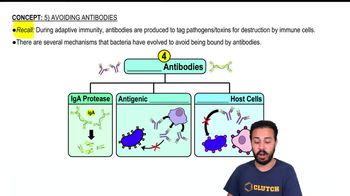
5) Avoiding Antibodies
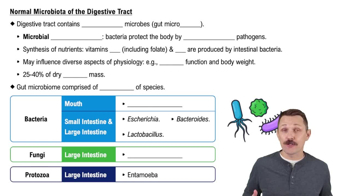
Structure and Function of the Digestive System
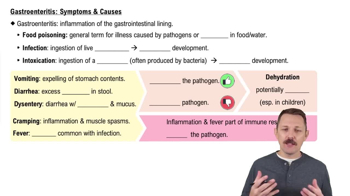
Overview of Diseases of the Digestive System
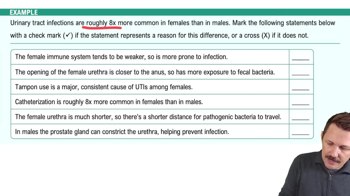
Structure & Function of the Urinary System
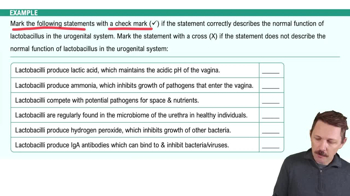
Normal Microbiota of the Urogenital System
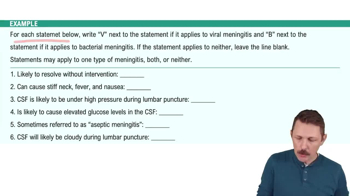
Introduction to Meningitis
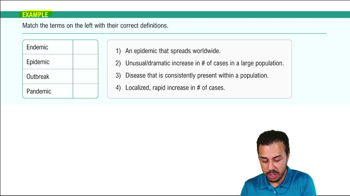
Introduction to Epidemiology
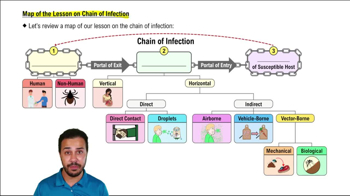
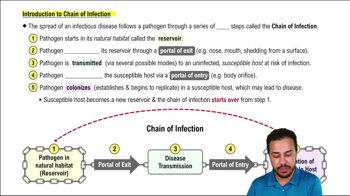
Introduction to Chain of Infection
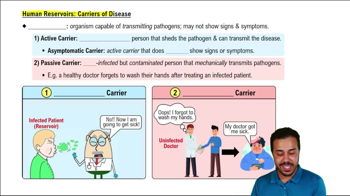
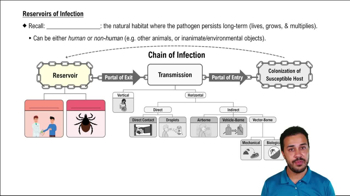
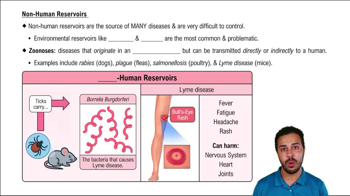
Reservoirs of Infection
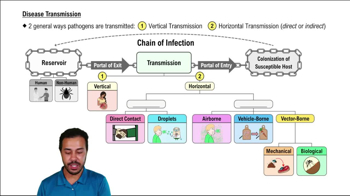
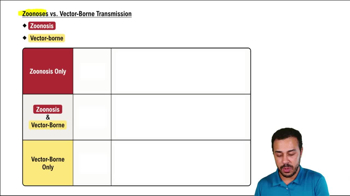
Disease Transmission
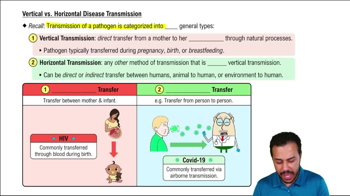
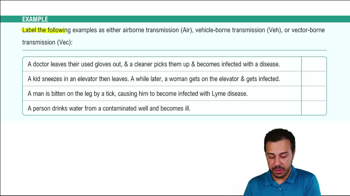
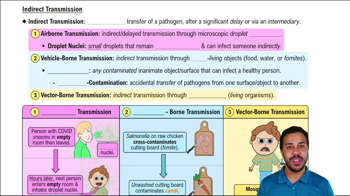
Horizontal Disease Transmission
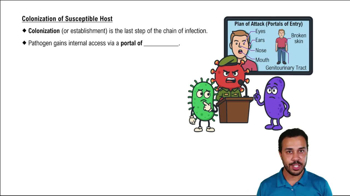
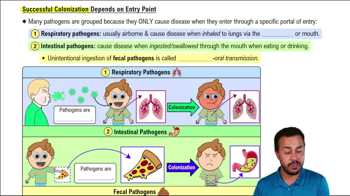
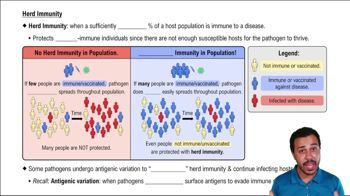
Colonization of Susceptible Host
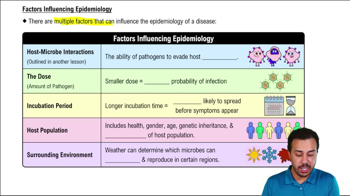
Factors Influencing Epidemiology
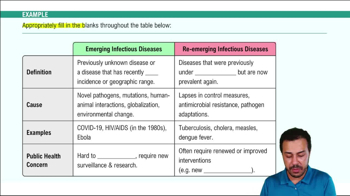
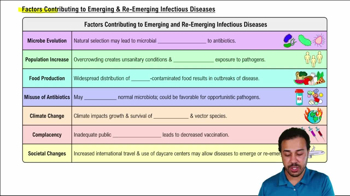
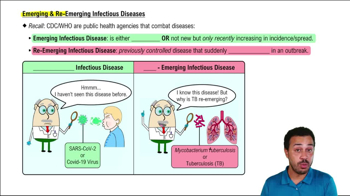
Emerging Infectious Diseases
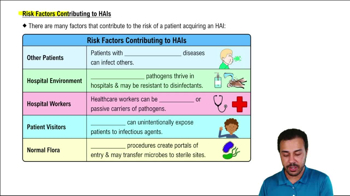
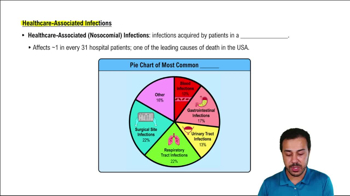
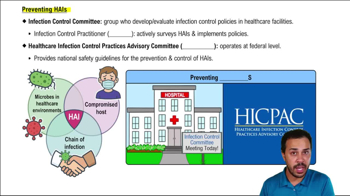
Healthcare-Associated Infections
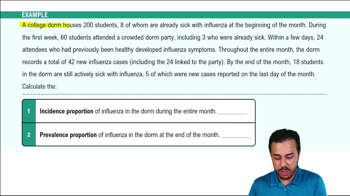
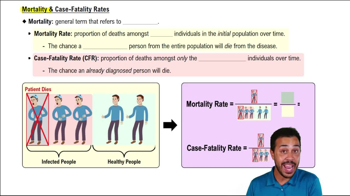
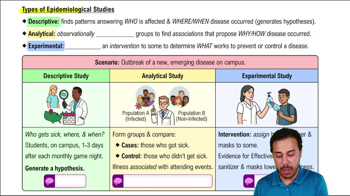
Epidemiological Studies
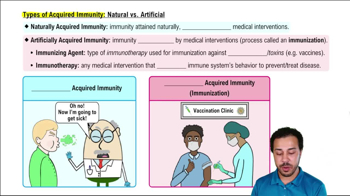
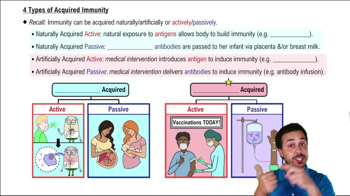
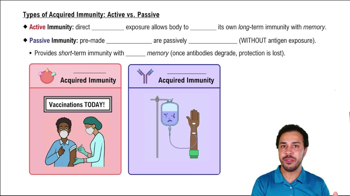
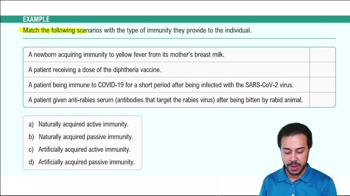
Types of Acquired Immunity
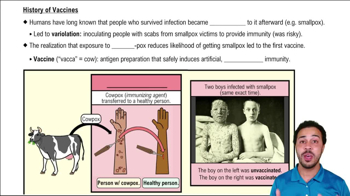
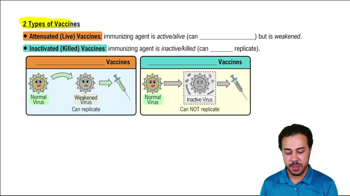
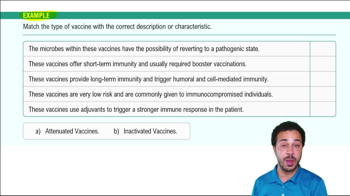
Introduction to Vaccines
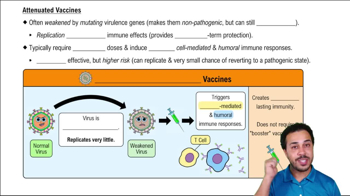
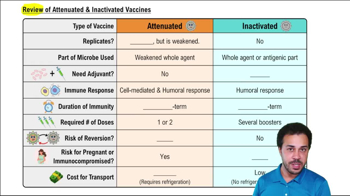
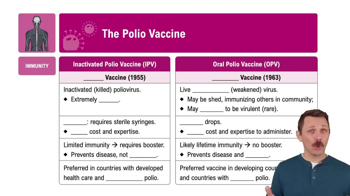
Attenuated Vaccines
Inactivated Vaccines
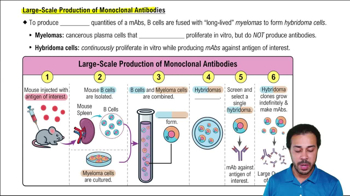
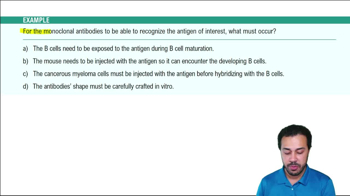
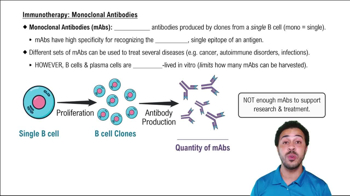
Immunotherapy: Monoclonal Antibodies
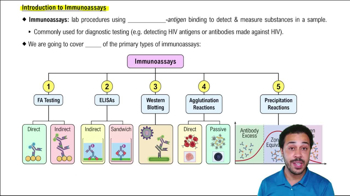
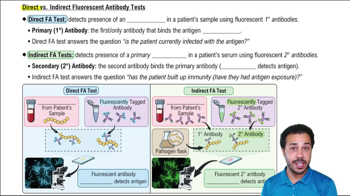
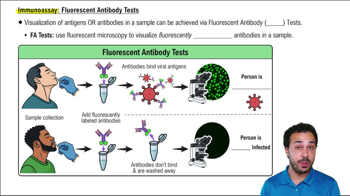
Immunoassay: Fluorescent Antibody Tests
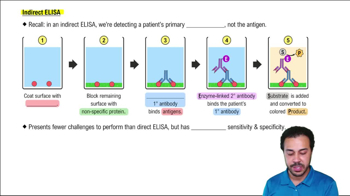
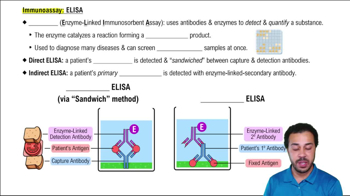
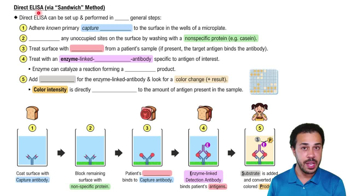
Immunoassay: ELISA
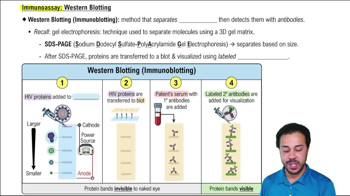
Immunoassay: Western Blotting
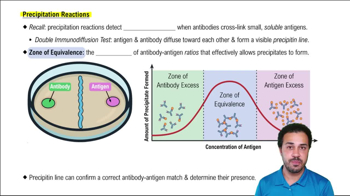
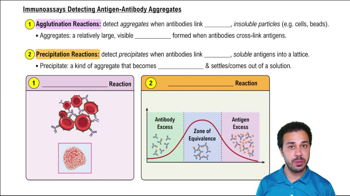
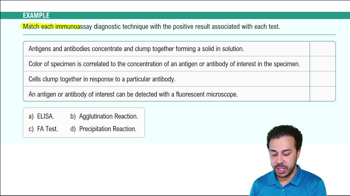
Immunoassays Detecting Antigen-Antibody Aggregates
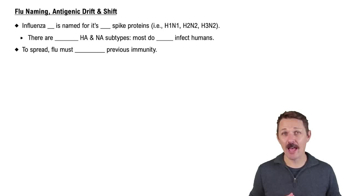
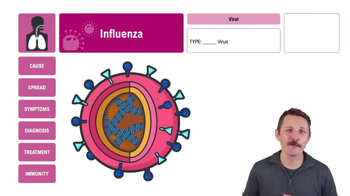
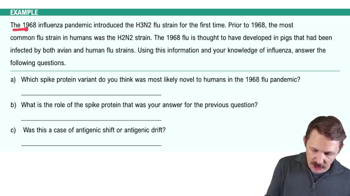
Influenza
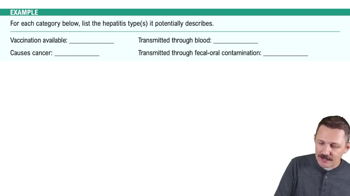
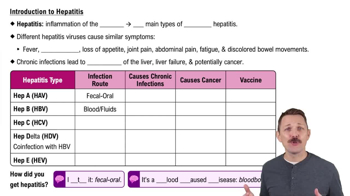
Hepatitis
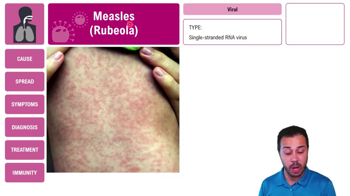
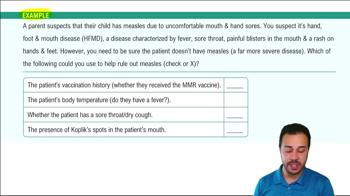
Measles
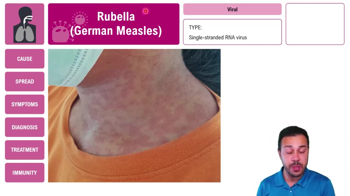
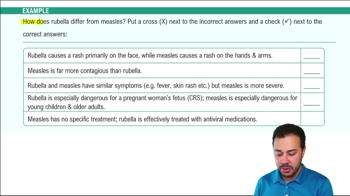
Rubella
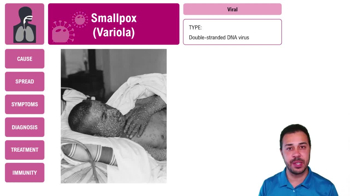
Smallpox
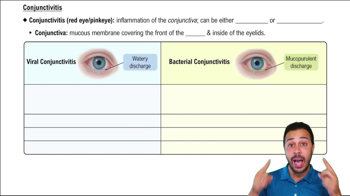
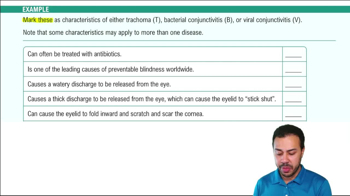
Conjunctivitis
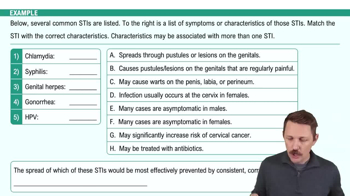
Genital Herpes
HPV & Genital Warts
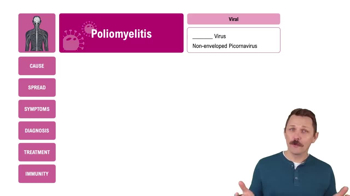
Poliomyelitis
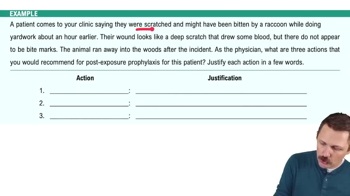
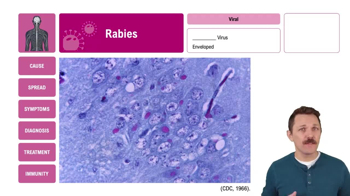
Rabies
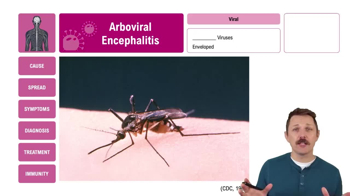
Arboviral Encephalitis
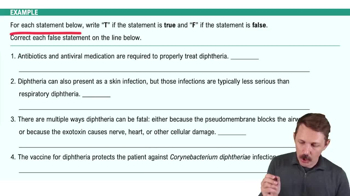
Diphtheria
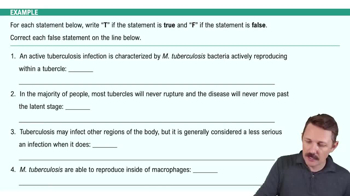
Tuberculosis
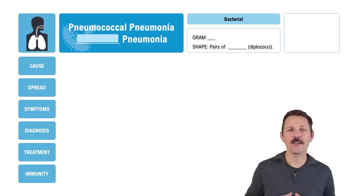
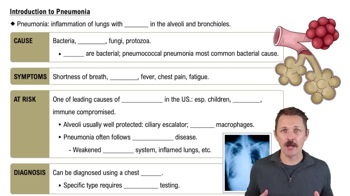
Pneumonia
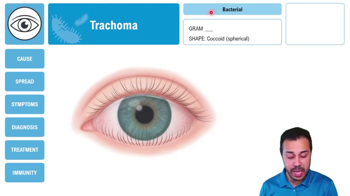
Trachoma
Urinary Tract Infections (UTIs)
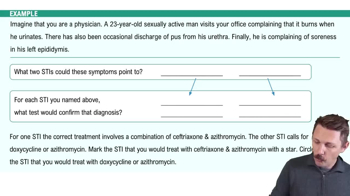
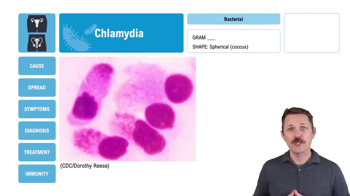
Chlamydia
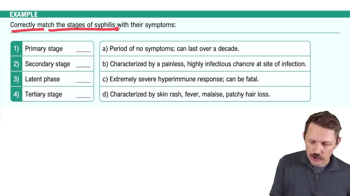
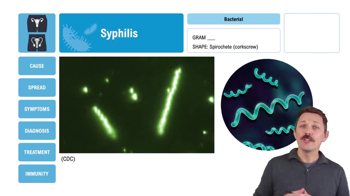
Syphilis
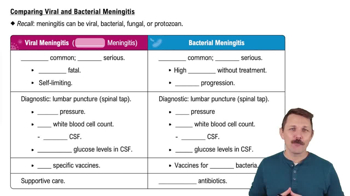
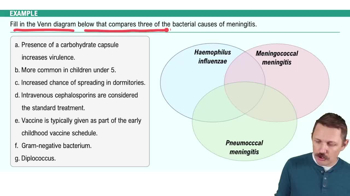
Bacterial Meningitis
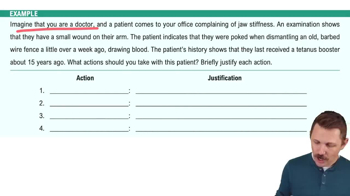
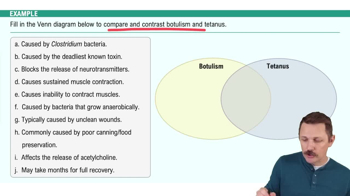
Tetanus
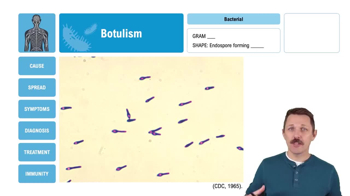
Botulism
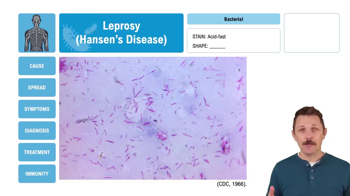
Leprosy
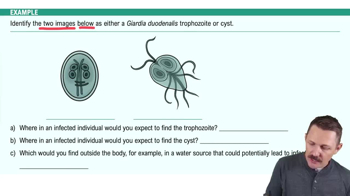
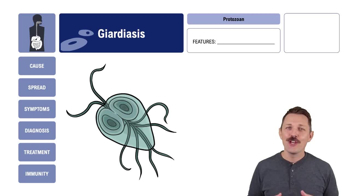
Protozoan Diseases of the Digestive System
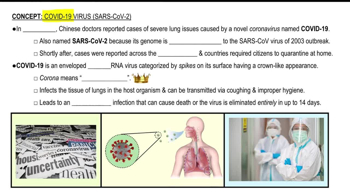
COVID-19 (SARS-CoV-2)
 Back
 Curated lessons matched to your uploaded material – learn every topic step by step.
 04:27