Back

Comprehensive Study Guide: Fundamentals of Microbiology (Chapters 1–18)

Study Guide - Learn with Videos

Curated lessons matched to your uploaded material – learn every topic step by step.

Koch's Postulates

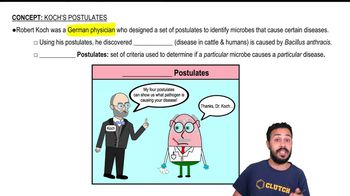
  • Koch's Postulates
    01:36
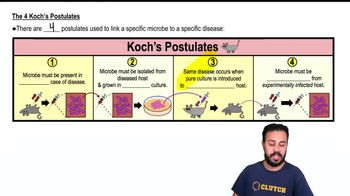
  • The 4 Koch's Postulates
    03:31
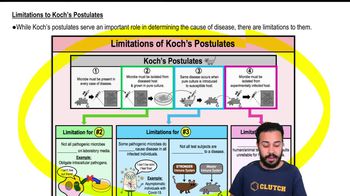
  • Limitations to Koch's Postulates
    02:58

Introduction to Chemical Bonding

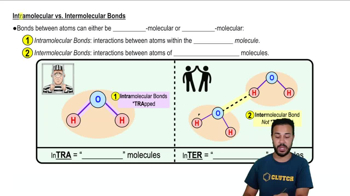
  • Intramolecular vs. Intermolecular Bonds
    04:01
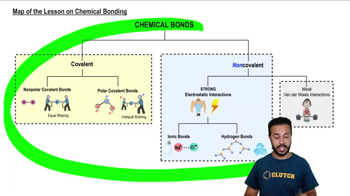
  • Map of the Lesson on Chemical Bonding
    02:42
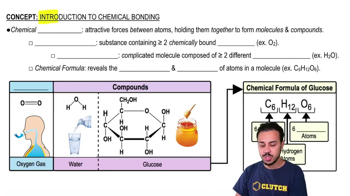
  • Introduction to Chemical Bonding
    06:53

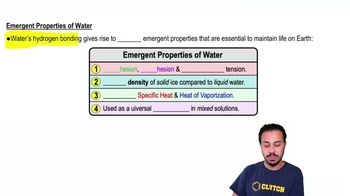
Introduction to Water

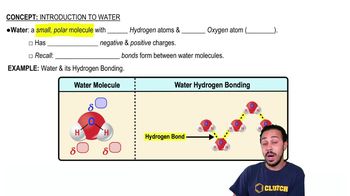
  • Introduction to Water
    01:54
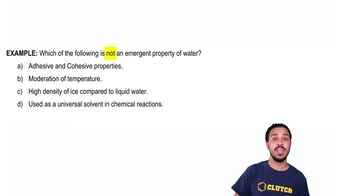
  • Introduction to Water Example 1
    01:51
  • Introduction to Water
    01:29

Acids and Bases

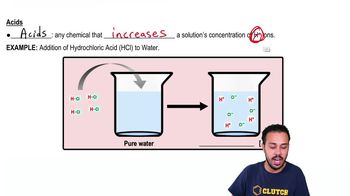
  • Acids
    03:44
  • Acids and Bases
    01:29
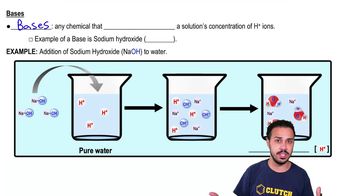
  • Bases
    03:48

Monomers & Polymers

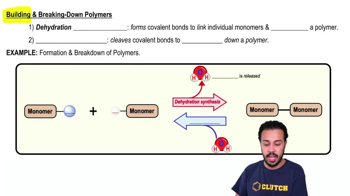
  • Building & Breaking-Down Polymers
    04:18
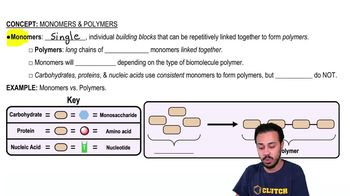
  • Monomers & Polymers
    03:42

Bacterial Cell Morphology & Arrangements

  • Types of Bacterial Cell Morphology
    02:44
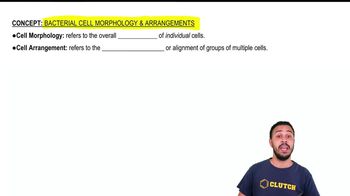
  • Bacterial Cell Morphology & Arrangements
    01:13
  • Bacilli Bacterial Cell Arrangements
    03:56

Introduction to Bacterial Cell Walls

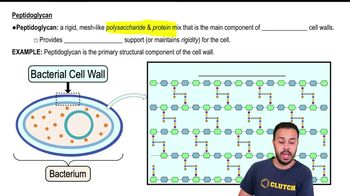
  • Peptidoglycan
    01:58
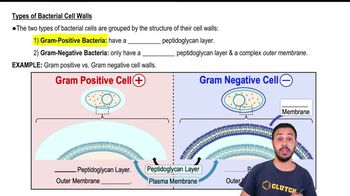
  • Types of Bacterial Cell Walls
    02:44
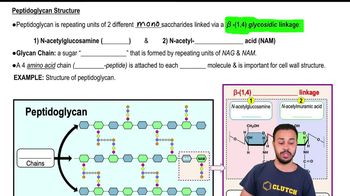
  • Peptidoglycan Structure
    04:44

Gram-Positive Cell Walls

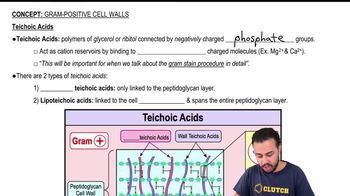
  • Teichoic Acids
    03:58
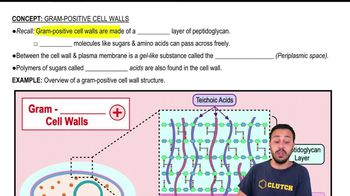
  • Gram-Positive Cell Walls
    02:59

Gram-Negative Cell Walls

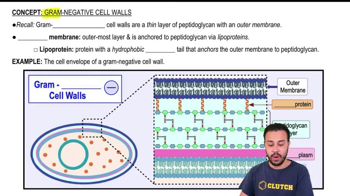
  • Gram-Negative Cell Walls
    3:04
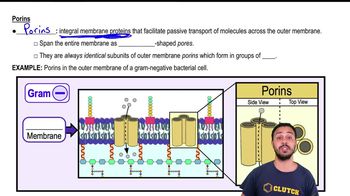
  • Porins
    02:18
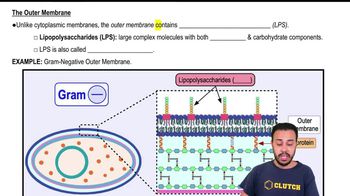
  • The Outer Membrane
    02:15

Gram-Positive vs. Gram-Negative Cell Walls

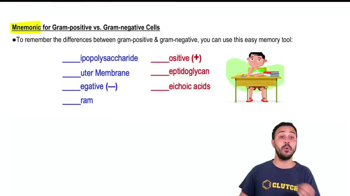
  • Mnemonic for Gram-Positive vs. Gram-Negative Cell Walls
    01:41
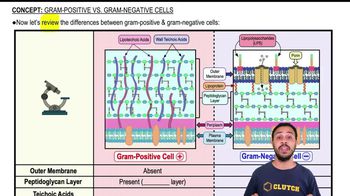
  • Gram-Positive vs. Gram-Negative Cell Walls
    04:46

Endosymbiotic Theory

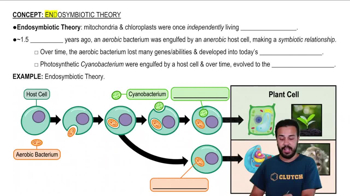
  • Endosymbiotic Theory
    07:29

Mitosis & Meiosis

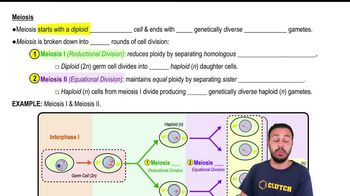
  • Meiosis
    05:17
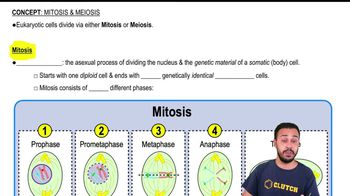
  • Mitosis
    03:58
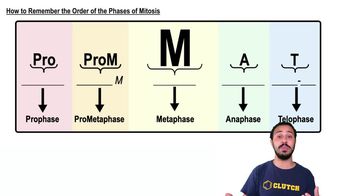
  • How to Remember the Order of the Phases of Mitosis
    02:27

Introduction to Microbial Genetics

  • Map of the Lesson on Microbial Genetics
    02:04
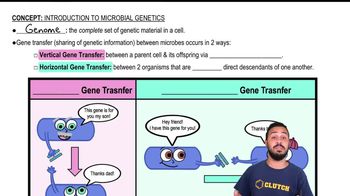
  • Introduction to Microbial Genetics
    04:20

Central Dogma

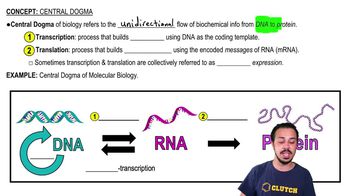
  • Central Dogma
    05:45

Introduction to Viruses

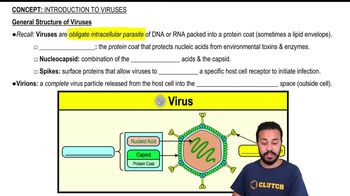
  • General Structure of Viruses
    04:47
  • Three Common Shapes of Viruses
    03:19
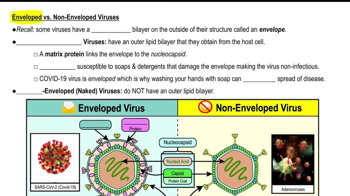
  • Enveloped vs. Non-Enveloped Viruses
    05:09

Prions

  • Prion Development in Neurons Leads to Scrapie
    04:00
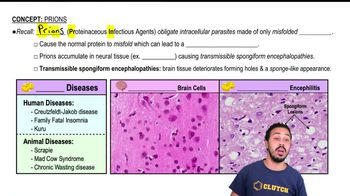
  • Prions
    03:05

Binary Fission

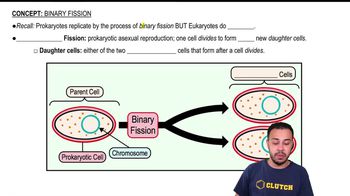
  • Binary Fission
    02:16
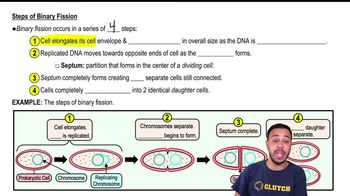
  • Steps of Binary Fission
    04:57

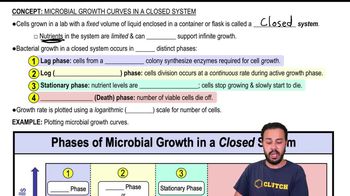
Microbial Growth Curves in a Closed System

  • Microbial Growth Curves in a Closed System
    08:59
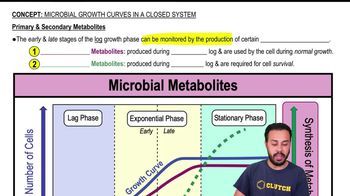
  • Primary & Secondary Metabolites
    02:33

Introduction to Cultivating Microbial Growth

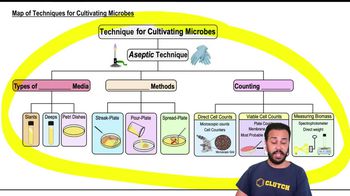
  • Map of Techniques for Cultivating Microbes
    02:05
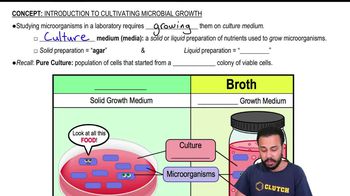
  • Introduction to Cultivating Microbial Growth
    03:49

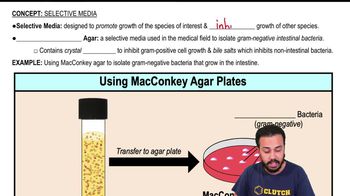
Selective Media

  • Selective Media
    03:27

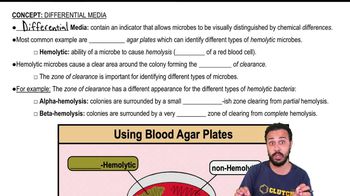
Differential Media

  • Differential Media
    04:34

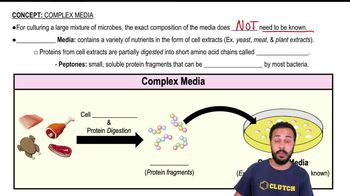
Complex Media

  • Complex Media
    02:59

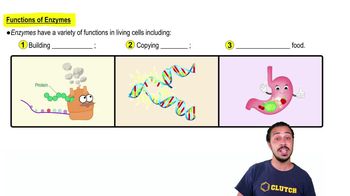
Enzymes

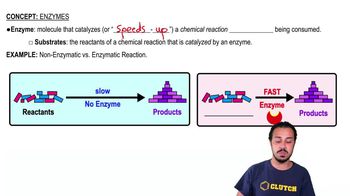
  • Functions of Enzymes
    02:32
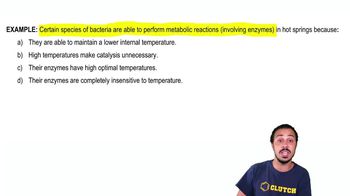
  • Enzymes Example 1
    02:25
  • Enzymes
    02:55

Krebs Cycle

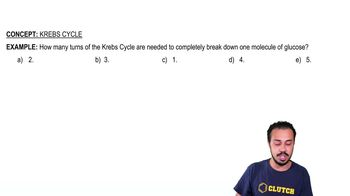
  • Krebs Cycle Example 1
    01:20
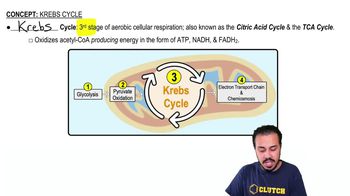
  • Krebs Cycle
    01:37
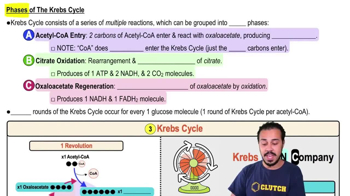
  • Phases of The Krebs Cycle
    09:54

Introduction to Epidemiology

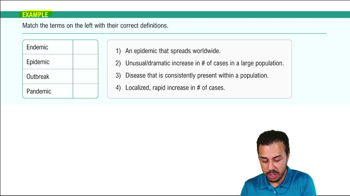
  • Introduction to Epidemiology Example 1
    01:48
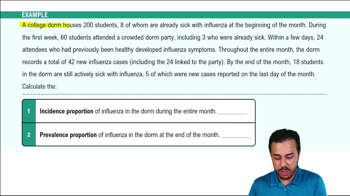
  • Introduction to Epidemiology Example 2
    05:15
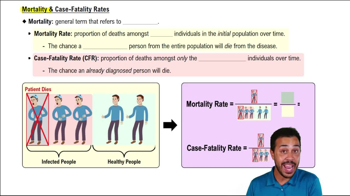
  • Mortality & Case-Fatality Rates
    02:28

Characteristics of Infectious Disease

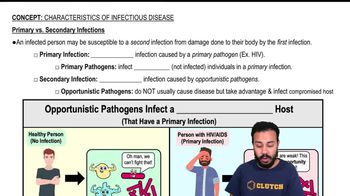
  • Primary vs. Secondary Infections
    04:16
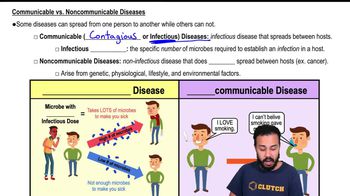
  • Communicable vs. Noncommunicable Diseases
    04:57
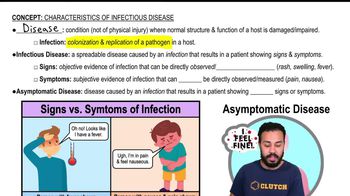
  • Intro to Characteristics of Infectious Disease
    05:09

Stages of Infectious Disease Progression

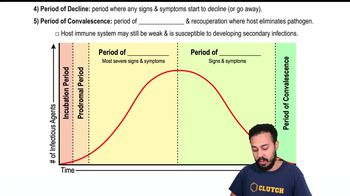
  • Stages of Infectious Disease Progression
    05:36
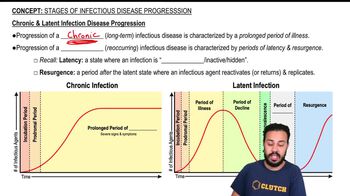
  • Chronic & Latent Infection Disease Progression
    05:14

Bacterial Pathogenesis

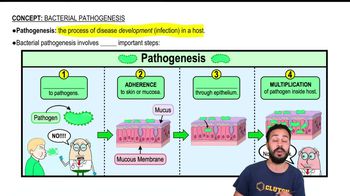
  • Intro to Bacterial Pathogenesis
    02:35
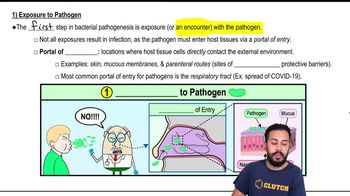
  • 1) Exposure to Pathogen
    03:27
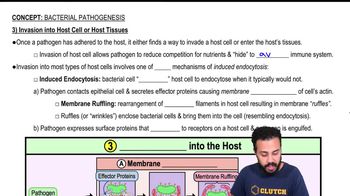
  • 3) Invasion into Host Tissues
    05:38

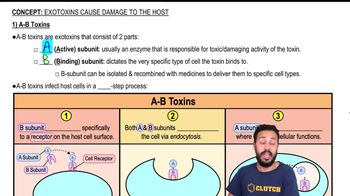
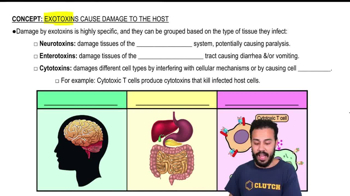
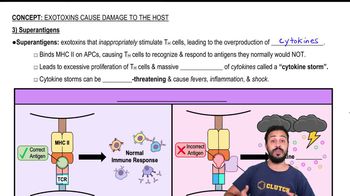
Exotoxins Cause Damage to the Host

  • 1) A-B Toxins
    04:44
  • Types of Exotoxins
    03:30
  • 3) Superantigens
    03:59

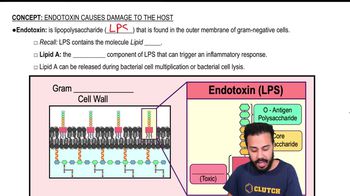
Endotoxin Causes Damage to the Host

  • Endotoxin
    02:46
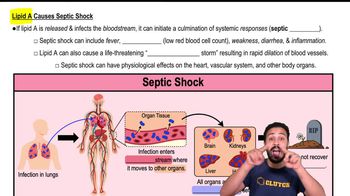
  • Lipid A Causes Septic Shock
    03:24

Introduction to Immunity

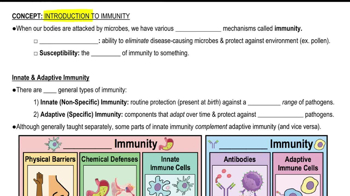
  • Innate vs. Adaptive Immunity
    05:52
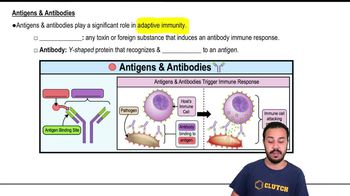
  • Antigens & Antibodies
    02:58

Introduction to Innate Immunity

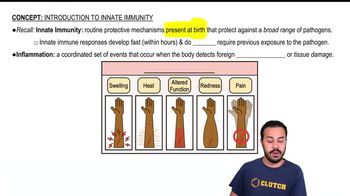
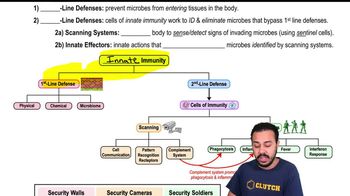
  • Introduction to Innate Immunity
    02:30
  • Map of Lesson on Innate Immunity
    06:42

Introduction to First-Line Defenses

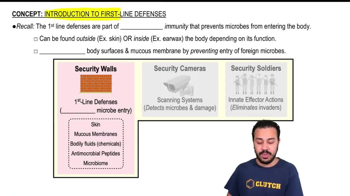
  • Introduction to First-Line Defenses
    01:56
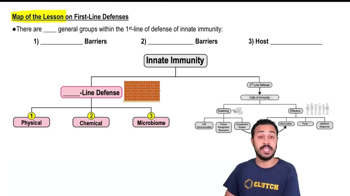
  • Map of the Lesson on First-Line Defenses
    01:37

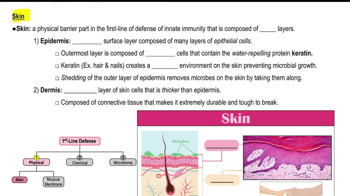
Physical Barriers in First-Line Defenses: Skin

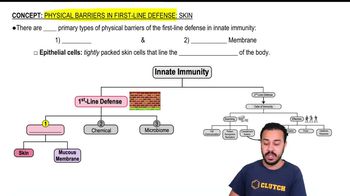
  • Physical Barriers in First-Line Defenses: Skin
    01:28
  • Physical Barriers in First-Line Defenses: Skin
    04:08

Physical Barriers in First-Line Defenses: Mucous Membrane

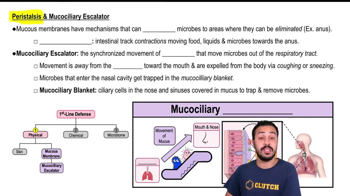
  • Peristalsis & Mucociliary Escalator
    04:16
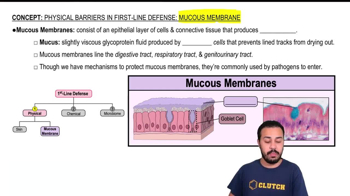
  • Mucous Membranes
    02:34

First-Line Defenses: Chemical Barriers

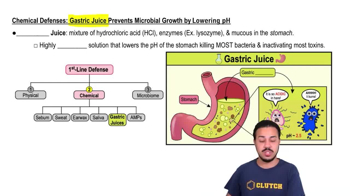
  • Chemical Defenses: Gastric Juice Prevents Microbial Growth by Lowering pH
    02:07
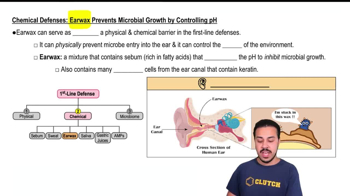
  • Chemical Defenses: Earwax Prevents Microbial Growth by Controlling pH
    02:18
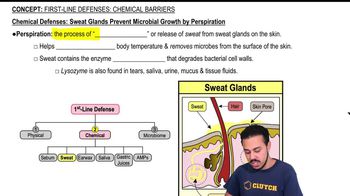
  • Chemical Defenses: Sweat Glands Prevent Microbial Growth by Perspiration
    02:04

First-Line Defenses: Normal Microbiota

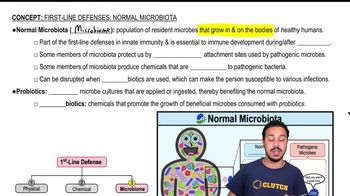
  • Normal Microbiota
    03:43

Introduction to Adaptive Immunity

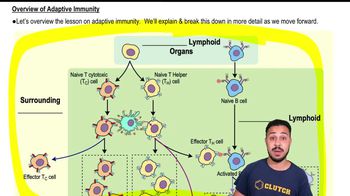
  • Overview of Adaptive Immunity
    04:57
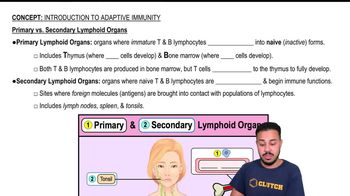
  • Primary vs. Secondary Lymphoid Organs
    04:58
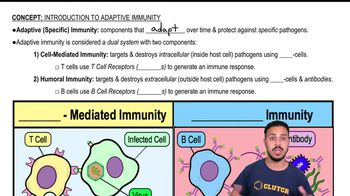
  • Introduction to Adaptive Immunity
    05:47

Primary and Secondary Response of Adaptive Immunity

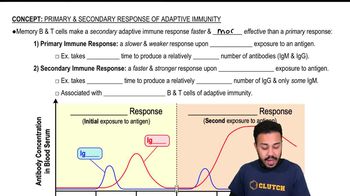
  • Primary and Secondary Response of Adaptive Immunity
    06:59

Introduction to Vaccines

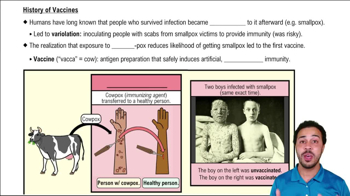
  • History of Vaccines
    04:19
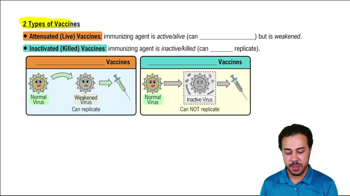
  • 2 Types of Vaccines
    02:03

Broad vs Narrow Spectrum Drugs

  • Guided course
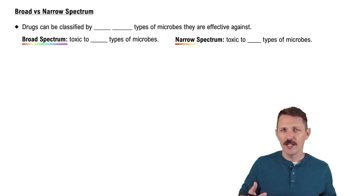
    Broad vs Narrow Spectrum
    04:05

Antimicrobial Resistance

  • Guided course
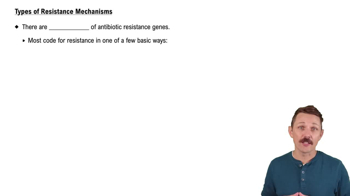
    Types of Resistance Mechanisms
    05:04
  • Guided course
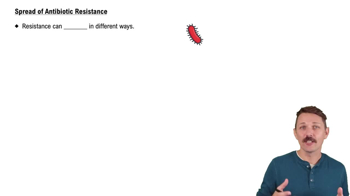
    Spread of Antibiotic Resistance
    04:45
  • Guided course
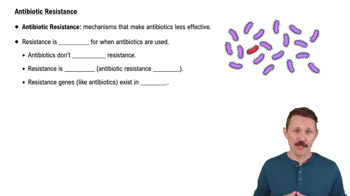
    Antibiotic Resistance
    03:45

Influenza

  • Guided course
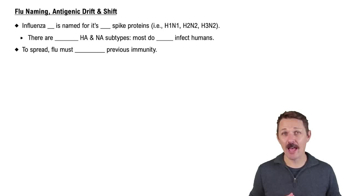
    Flu Naming, Antigenic Drift & Shift
    05:21
  • Guided course
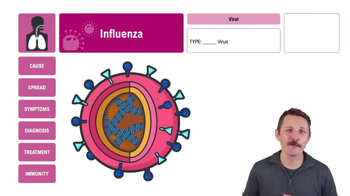
    Influenza
    06:35
  • Guided course
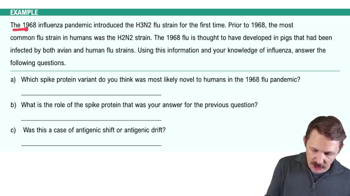
    Influenza Example 1
    03:23

Conjunctivitis

  • Conjunctivitis
    03:07

Introduction to Meningitis

  • Guided course
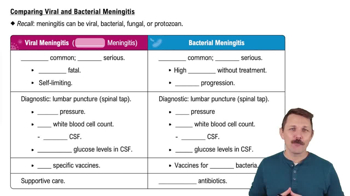
    Comparing Viral and Bacterial Meningitis
    05:55
  • Guided course
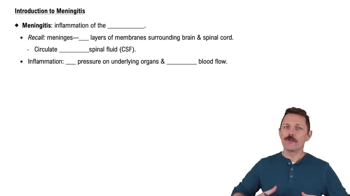
    Introduction to Meningitis
    05:28
  • Guided course
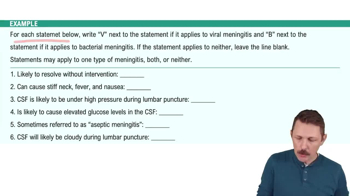
    Introduction to Meningitis Example 1
    03:06

Bacterial Meningitis

  • Guided course
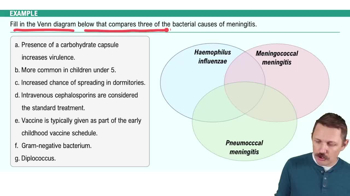
    Bacterial Meningitis Example 1
    04:20
  • Guided course
    Bacterial Meningitis
    10:16

Listeriosis

  • Guided course
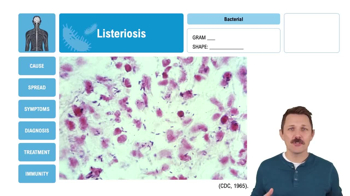
    Listeriosis
    05:46

Tetanus

  • Guided course
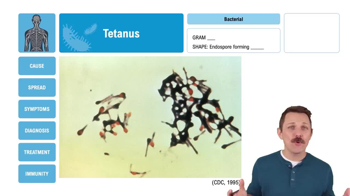
    Tetanus
    06:31
  • Guided course
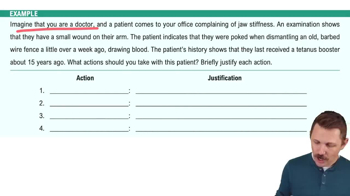
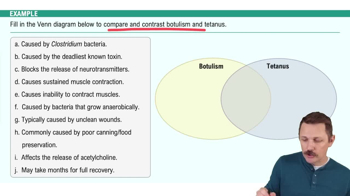
    Tetanus Example 1
    04:25

Botulism

  • Guided course
    Botulism Example 1
    03:58
  • Guided course
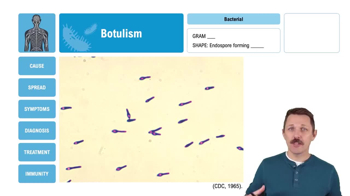
    Botulism
    09:28

Leprosy

  • Guided course
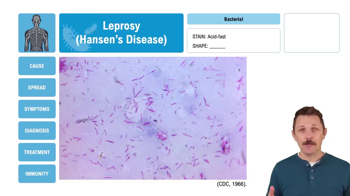
    Leprosy
    06:26
  • Guided course
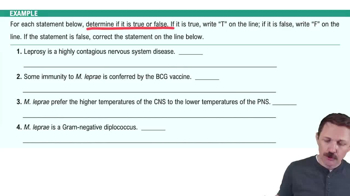
    Leprosy Example 1
    02:35

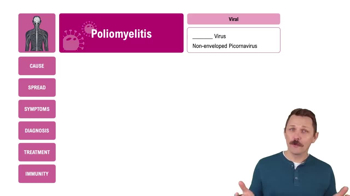
Poliomyelitis

  • Guided course
    Poliomyelitis
    06:05
  • Guided course
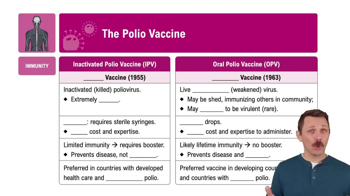
    The Polio Vaccine
    05:02

Rabies

  • Guided course
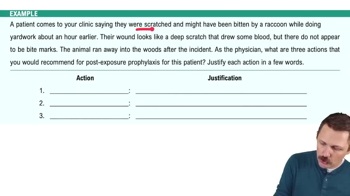
    Rabies Example 1
    02:57
  • Guided course
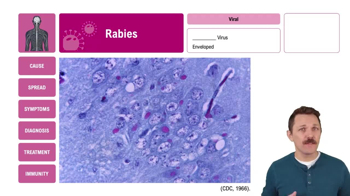
    Rabies
    07:02