Back

Comprehensive Study Guide: Microbial Control, Immunity, and Infectious Diseases (Ch. 9, 10, 14-16, 19-24)

Study Guide - Learn with Videos

Curated lessons matched to your uploaded material – learn every topic step by step.

Endospores

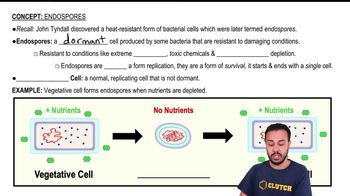
  • Endospores
    05:35
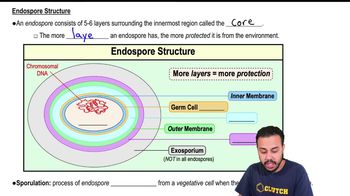
  • Endospore Structure
    03:08

Introduction to Controlling Microbial Growth

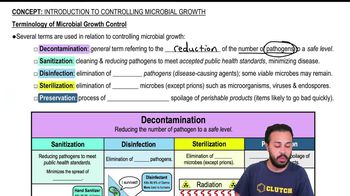
  • Terminology of Microbial Growth Control
    07:36
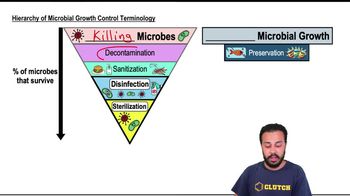
  • Hierarchy of Microbial Growth Control Terminology
    03:09
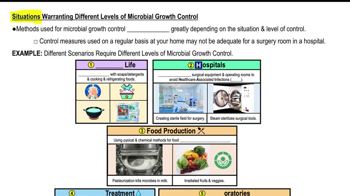
  • Situations Warranting Different Levels of Microbial Growth Control
    05:58

Chemical Methods to Control Microbial Growth

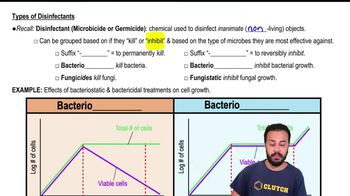
  • Types of Disinfectants
    05:21
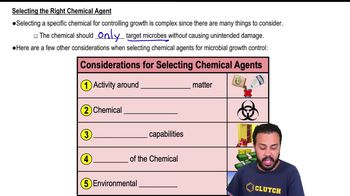
  • Selecting the Right Chemical Agent
    04:52
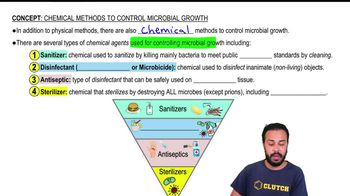
  • Chemical Methods to Control Microbial Growth
    03:58

Introduction to Antimicrobial Drugs

  • Guided course
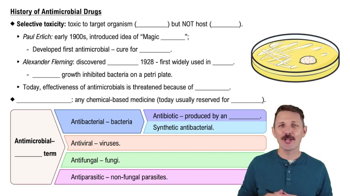
    History of Antimicrobial Drugs
    05:33

How Antimicrobial Drugs Work

  • Guided course
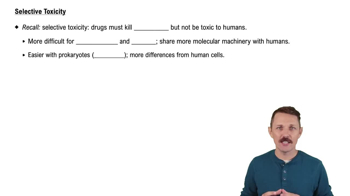
    Selective Toxicity
    05:27
  • Guided course
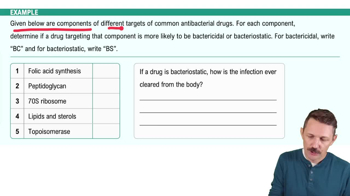
    How Antimicrobial Drugs Work Example 1
    03:28

Antimicrobial Resistance

  • Guided course
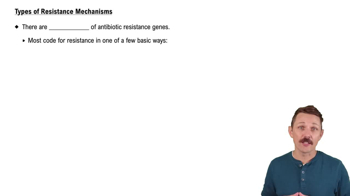
    Types of Resistance Mechanisms
    05:04
  • Guided course
    Spread of Antibiotic Resistance
    04:45
  • Guided course
    Antibiotic Resistance
    03:45

The Human Microbiome

  • The Human Microbiome
    03:25
  • Microbiome Promotes Immune Tolerance
    05:48
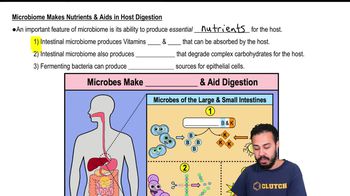
  • Microbiome Makes Nutrients & Aids in Host Digestion
    03:26

Bacterial Pathogenesis

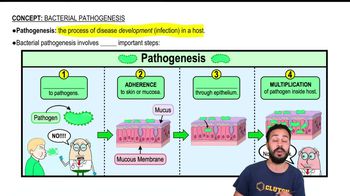
  • Intro to Bacterial Pathogenesis
    02:35
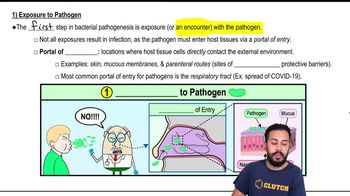
  • 1) Exposure to Pathogen
    03:27
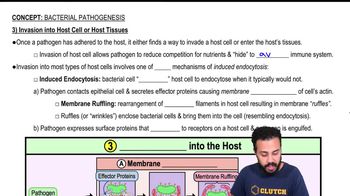
  • 3) Invasion into Host Tissues
    05:38

Introduction to Epidemiology

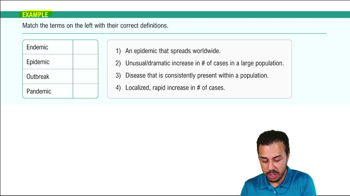
  • Introduction to Epidemiology Example 1
    01:48
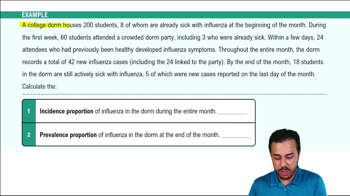
  • Introduction to Epidemiology Example 2
    05:15
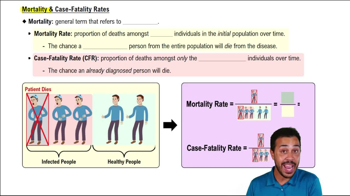
  • Mortality & Case-Fatality Rates
    02:28

Characteristics of Infectious Disease

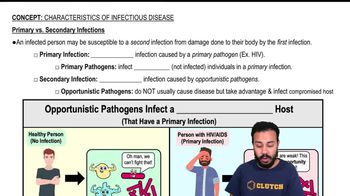
  • Primary vs. Secondary Infections
    04:16
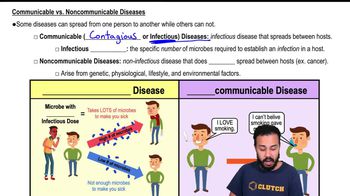
  • Communicable vs. Noncommunicable Diseases
    04:57
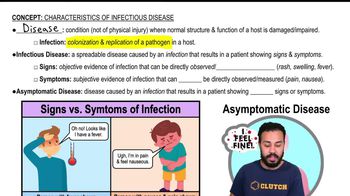
  • Intro to Characteristics of Infectious Disease
    05:09

Stages of Infectious Disease Progression

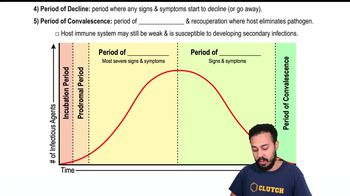
  • Stages of Infectious Disease Progression
    05:36
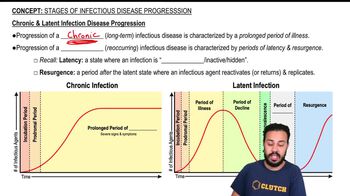
  • Chronic & Latent Infection Disease Progression
    05:14

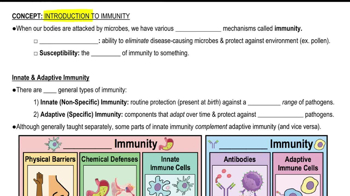
Introduction to Immunity

  • Innate vs. Adaptive Immunity
    05:52
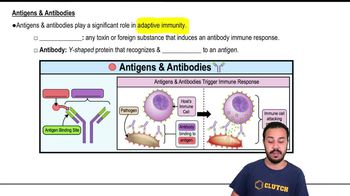
  • Antigens & Antibodies
    02:58

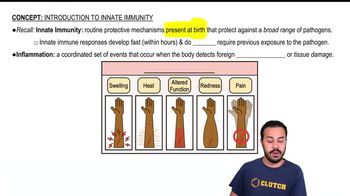
Introduction to Innate Immunity

  • Introduction to Innate Immunity
    02:30
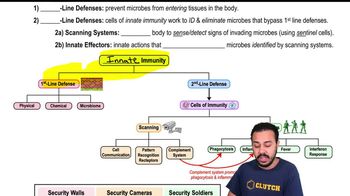
  • Map of Lesson on Innate Immunity
    06:42

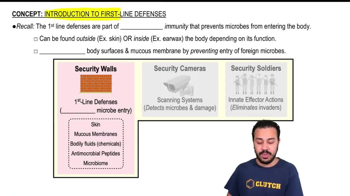
Introduction to First-Line Defenses

  • Introduction to First-Line Defenses
    01:56
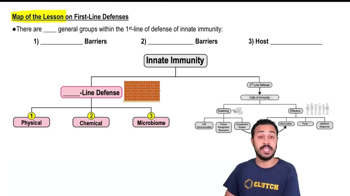
  • Map of the Lesson on First-Line Defenses
    01:37

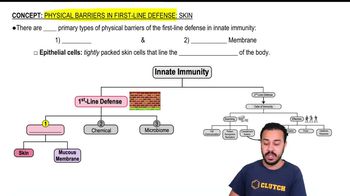
Physical Barriers in First-Line Defenses: Skin

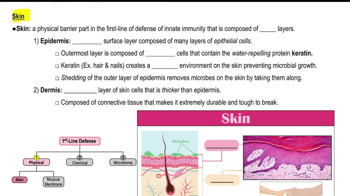
  • Physical Barriers in First-Line Defenses: Skin
    01:28
  • Physical Barriers in First-Line Defenses: Skin
    04:08

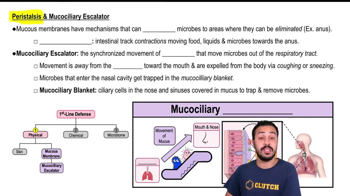
Physical Barriers in First-Line Defenses: Mucous Membrane

  • Peristalsis & Mucociliary Escalator
    04:16
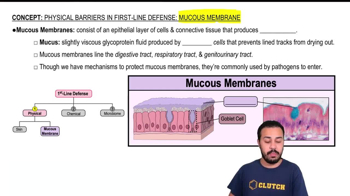
  • Mucous Membranes
    02:34

First-Line Defenses: Chemical Barriers

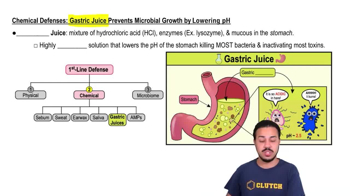
  • Chemical Defenses: Gastric Juice Prevents Microbial Growth by Lowering pH
    02:07
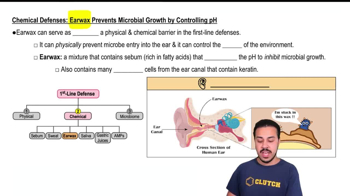
  • Chemical Defenses: Earwax Prevents Microbial Growth by Controlling pH
    02:18
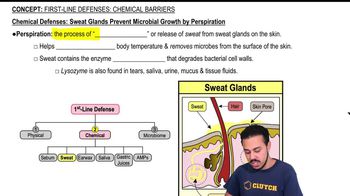
  • Chemical Defenses: Sweat Glands Prevent Microbial Growth by Perspiration
    02:04

First-Line Defenses: Normal Microbiota

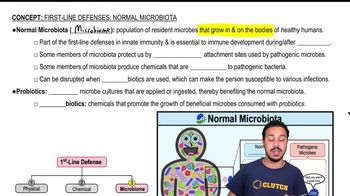
  • Normal Microbiota
    03:43

Introduction to Cells of the Immune System

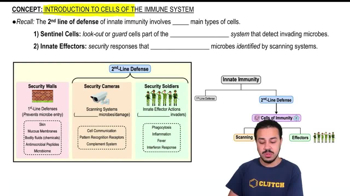
  • Introduction to Cells of the Immune System
    03:27
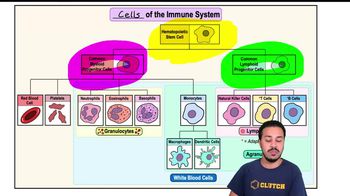
  • Map of the Lesson on Cells of the Immune System
    06:08
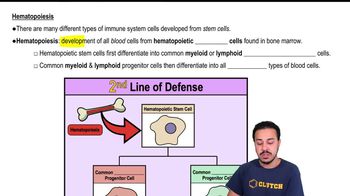
  • Hematopoiesis
    02:33

Introduction to Cell Communication

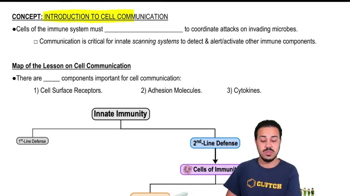
  • Introduction to Cell Communication
    02:59

Cell Communication: Surface Receptors & Adhesion Molecules

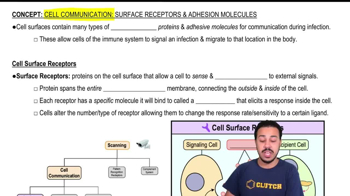
  • Cell Surface Receptors
    04:05
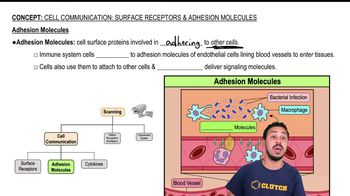
  • Adhesion Molecules
    02:58

Cell Communication: Cytokines

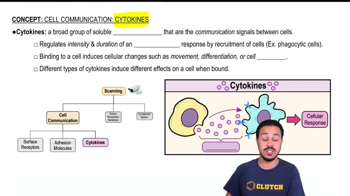
  • Cytokines
    02:59
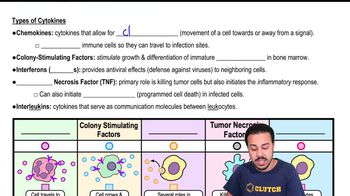
  • Types of Cytokines
    06:08
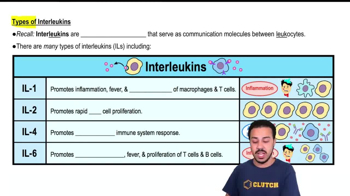
  • Types of Interleukins
    02:14

Pattern Recognition Receptors (PRRs)

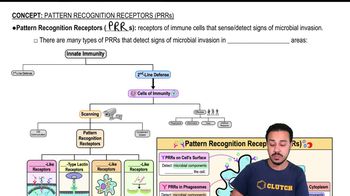
  • Pattern Recognition Receptors
    04:24
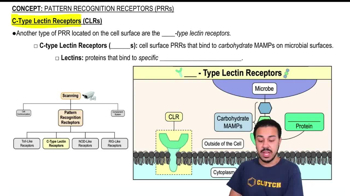
  • C-Type Lectin Receptors
    02:46
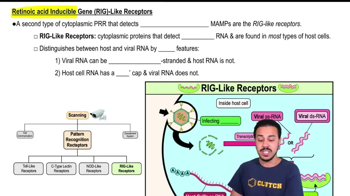
  • Retinoic acid Inducible Gene (RIG)-Like Receptors
    04:02

Introduction to the Complement System

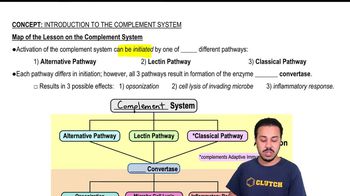
  • Map of the Lesson on the Complement System
    03:25
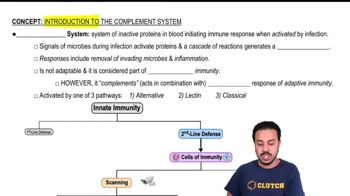
  • Introduction to the Complement System
    04:25
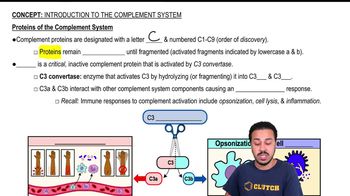
  • Proteins of the Complement System
    04:16

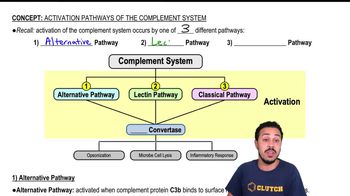
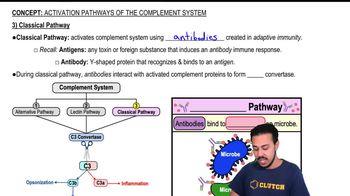
Activation Pathways of the Complement System

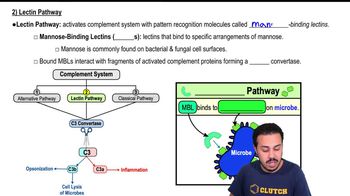
  • 2) Lectin Pathway
    03:04
  • 1) Alternative Pathway
    04:40
  • 3) Classical Pathway
    03:42

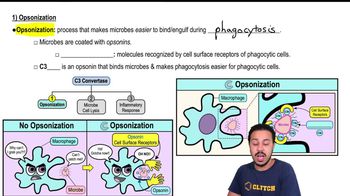
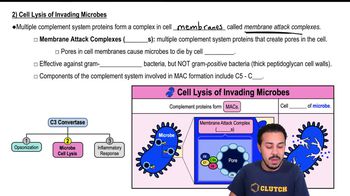
Effects of the Complement System

  • 1) Opsonization
    04:09
  • 2) Cell Lysis of Invading Microbes
    03:18
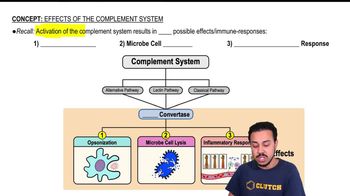
  • Effects of the Complement System
    01:32

Phagoctytosis

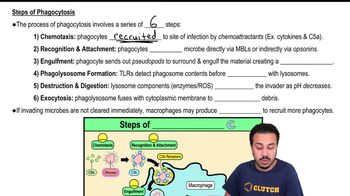
  • Steps of Phagocytosis
    08:57
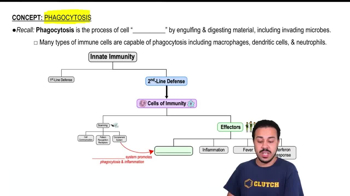
  • Phagoctytosis
    02:19

Introduction to Inflammation

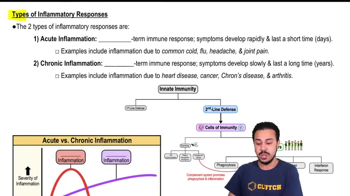
  • Types of Inflammatory Responses
    02:52
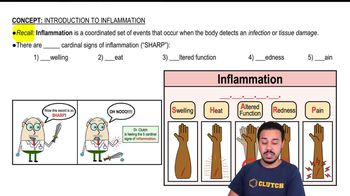
  • Introduction to Inflammation
    01:38
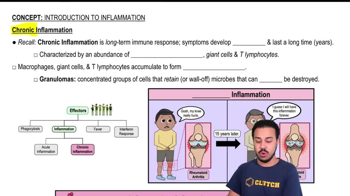
  • Chronic Inflammation
    03:09

Steps of the Inflammatory Response

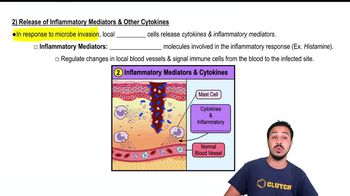
  • 2) Release of Inflammatory Mediators & Other Cytokines
    02:15
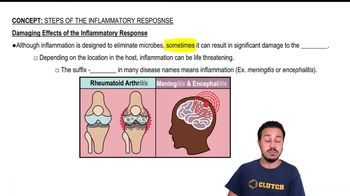
  • Damaging Effects of the Inflammatory Response
    02:10
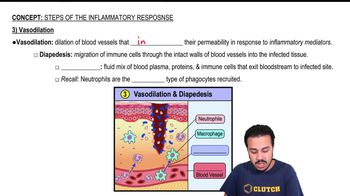
  • 3) Vasodilation
    02:39

Fever

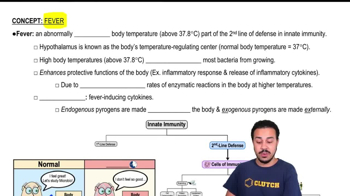
  • Fever
    03:57

Interferon Response

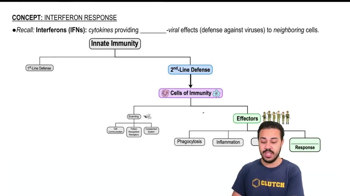
  • Interferon Response
    01:32
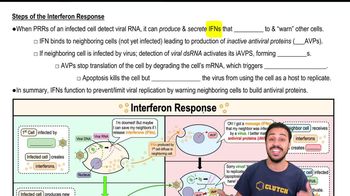
  • Steps of the Interferon Response
    09:59

Introduction to Adaptive Immunity

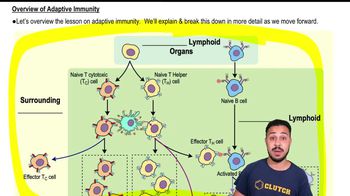
  • Overview of Adaptive Immunity
    04:57
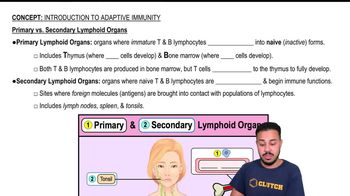
  • Primary vs. Secondary Lymphoid Organs
    04:58
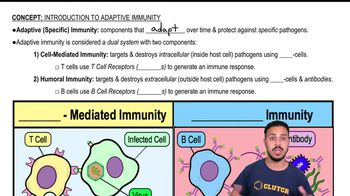
  • Introduction to Adaptive Immunity
    05:47

Antigens

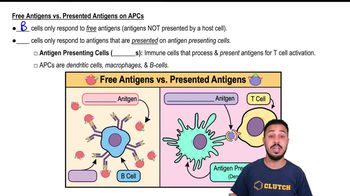
  • Free Antigens vs. Presented Antigens on APCs
    04:11
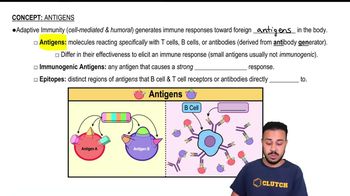
  • Antigens
    03:59

Introduction to T Lymphocytes

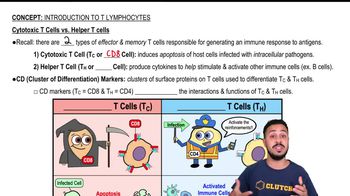
  • Cytotoxic T Cells vs. Helper T Cells
    05:58
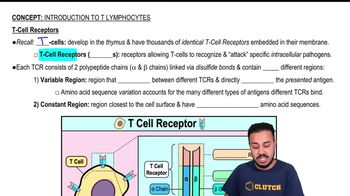
  • T-Cell Receptors
    05:18
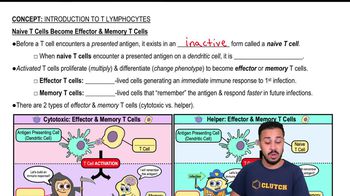
  • Naive T Cells Become Effector & Memory T Cells
    07:56

Major Histocompatibility Complex Molecules

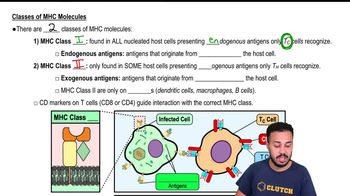
  • Classes of MHC Molecules
    07:17
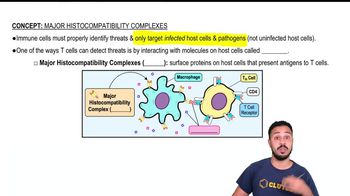
  • Major Histocompatibility Complex Molecules
    02:31

Activation of T Lymphocytes

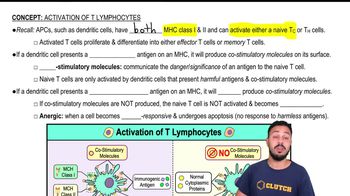
  • Activation of T Lymphocytes
    07:33
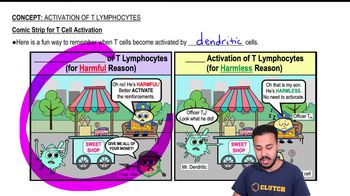
  • Comic Strip for T Cell Activation
    03:29

Functions of T Lymphocytes

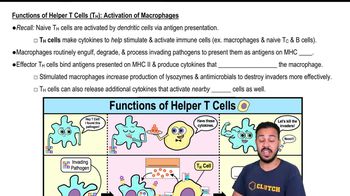
  • Functions of Helper T Cells (TH):Activation of Macrophages
    05:18
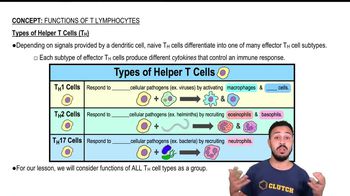
  • Types of Helper T Cells (TH)
    03:19
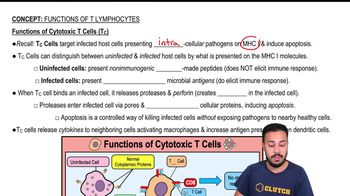
  • Functions of Cytotoxic T Cells (Tc)
    06:21

Introduction to B Lymphocytes

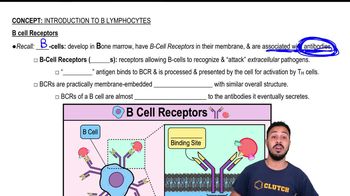
  • B cell Receptors
    04:37
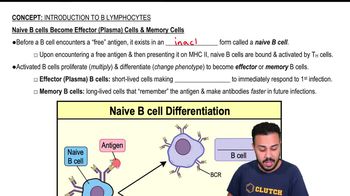
  • Naive B cells Become Effector (Plasma) Cells & Memory Cells
    04:23
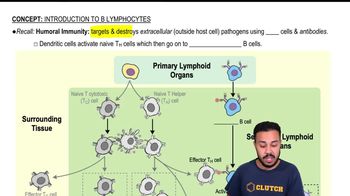
  • Introduction to B Lymphocytes
    03:55

Antibodies

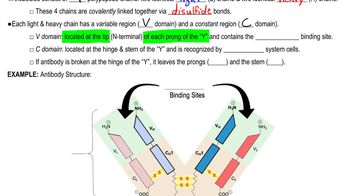
  • Antibody Structure
    05:40
  • Antibody Diversity
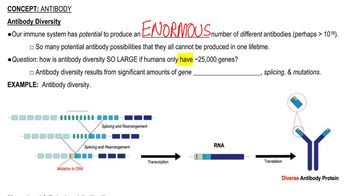
    02:34
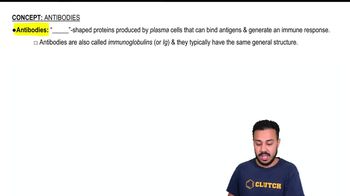
  • Antibodies
    00:48

Classes of Antibodies

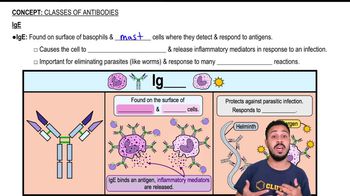
  • IgE
    02:45
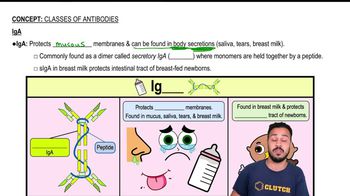
  • IgA
    02:44
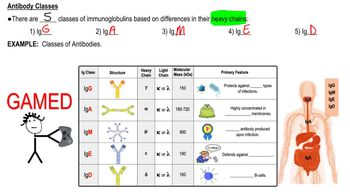
  • Classes of Antibodies
    04:43

Introduction to Vaccines

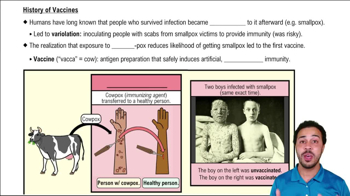
  • History of Vaccines
    04:19
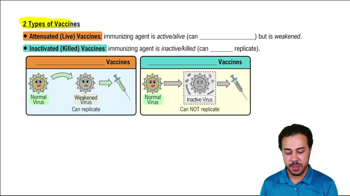
  • 2 Types of Vaccines
    02:03

Immunoassay: ELISA

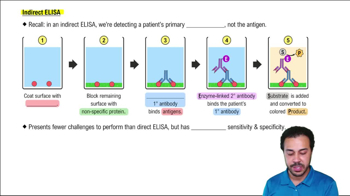
  • Indirect ELISA
    02:50
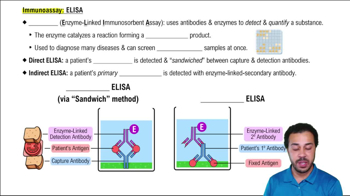
  • Immunoassay: ELISA
    04:29
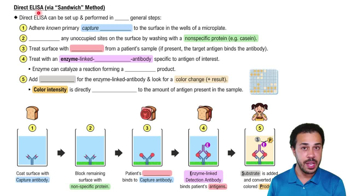
  • Direct ELISA (via "Sandwich" Method)
    03:56

Introduction to Viruses

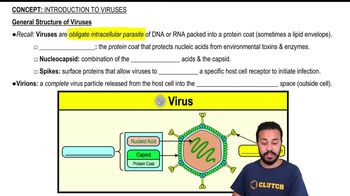
  • General Structure of Viruses
    04:47
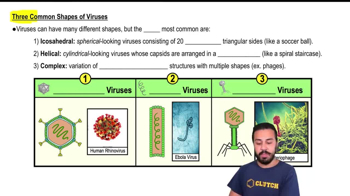
  • Three Common Shapes of Viruses
    03:19
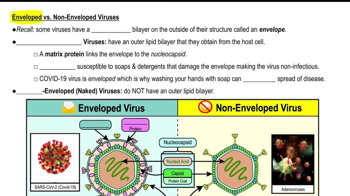
  • Enveloped vs. Non-Enveloped Viruses
    05:09

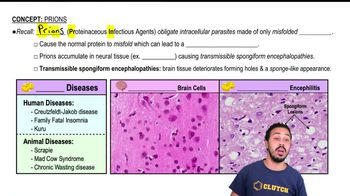
Prions

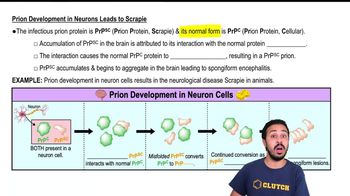
  • Prion Development in Neurons Leads to Scrapie
    04:00
  • Prions
    03:05

Bacterial Pathogenesis

  • Intro to Bacterial Pathogenesis
    02:35
  • 1) Exposure to Pathogen
    03:27
  • 3) Invasion into Host Tissues
    05:38

The Human Microbiome

  • The Human Microbiome
    03:25
  • Microbiome Promotes Immune Tolerance
    05:48
  • Microbiome Makes Nutrients & Aids in Host Digestion
    03:26

Introduction to Epidemiology

  • Introduction to Epidemiology Example 1
    01:48
  • Introduction to Epidemiology Example 2
    05:15
  • Mortality & Case-Fatality Rates
    02:28

Characteristics of Infectious Disease

  • Primary vs. Secondary Infections
    04:16
  • Communicable vs. Noncommunicable Diseases
    04:57
  • Intro to Characteristics of Infectious Disease
    05:09

Stages of Infectious Disease Progression

  • Stages of Infectious Disease Progression
    05:36
  • Chronic & Latent Infection Disease Progression
    05:14