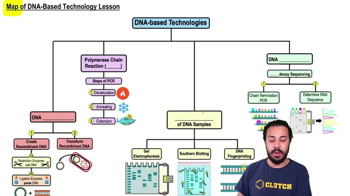
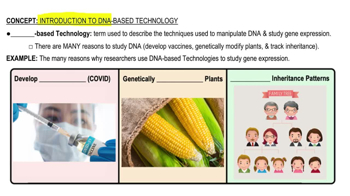
Introduction to DNA-Based Technology
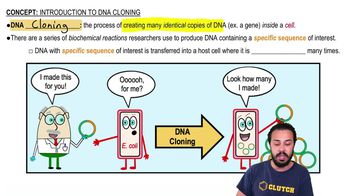
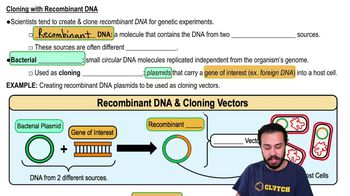
Introduction to DNA Cloning
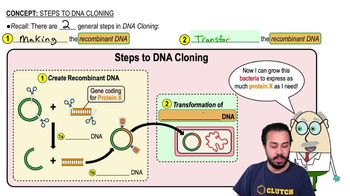
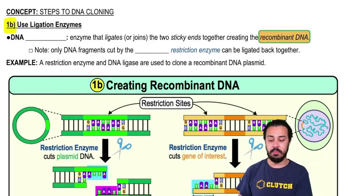
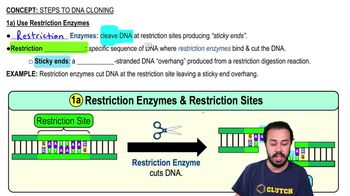
Steps to DNA Cloning
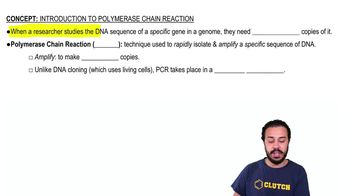
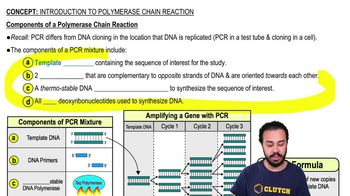
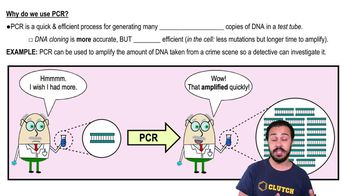
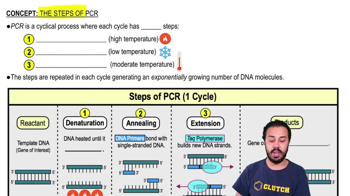
Introduction to Polymerase Chain Reaction
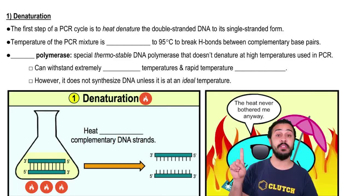
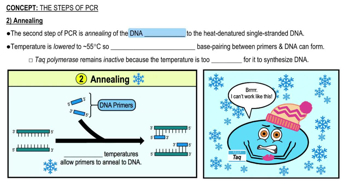
The Steps of PCR
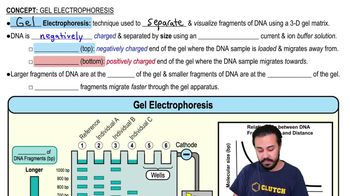
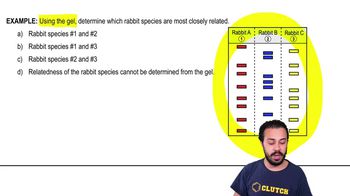
Gel Electrophoresis
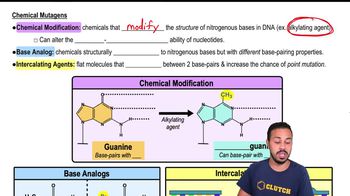
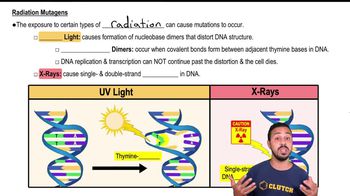
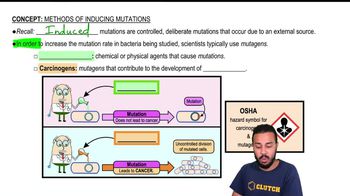
Methods of Inducing Mutations
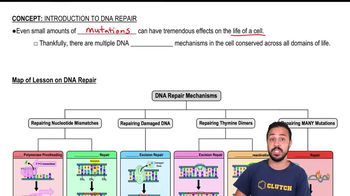
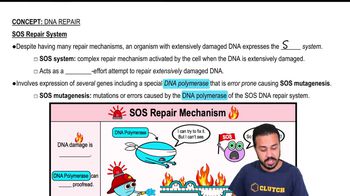
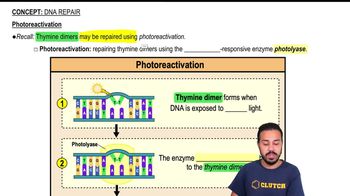
Introduction to DNA Repair
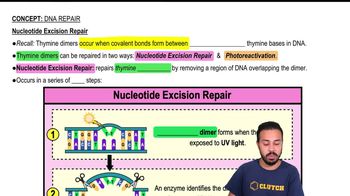
DNA Repair Mechanisms
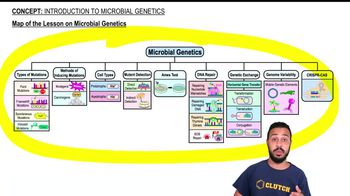
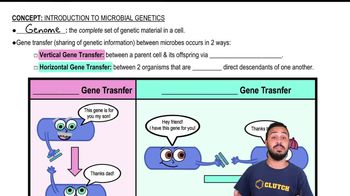
Introduction to Microbial Genetics
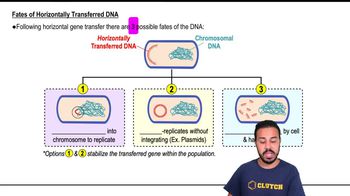
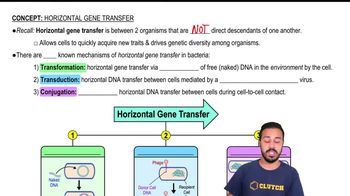
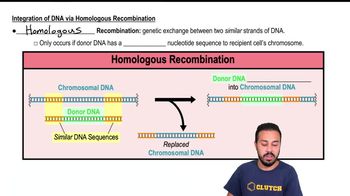
Horizontal Gene Transfer
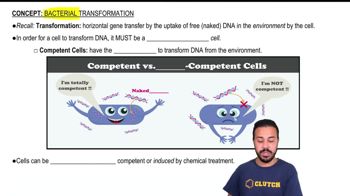
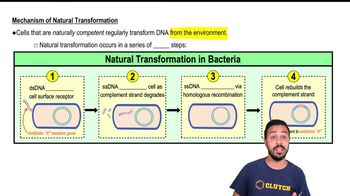
Bacterial Transformation
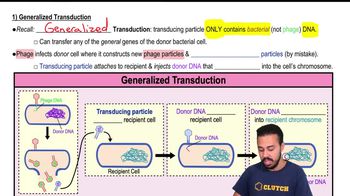
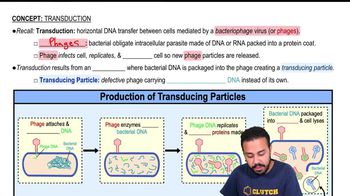
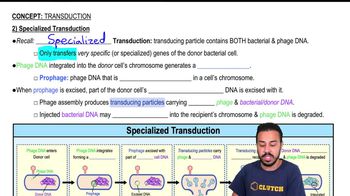
Transduction
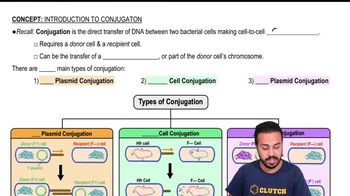
Introduction to Conjugation
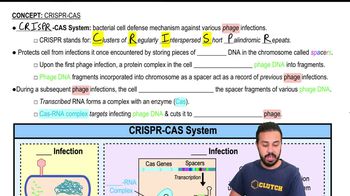
CRISPR CAS
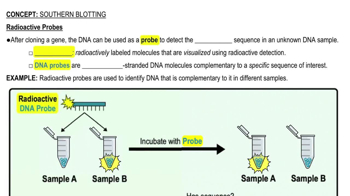
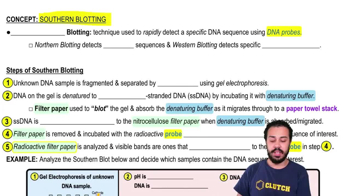
Southern Blotting
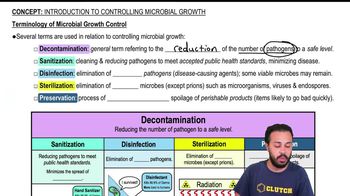
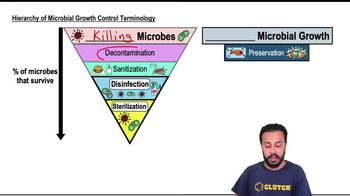
Introduction to Controlling Microbial Growth
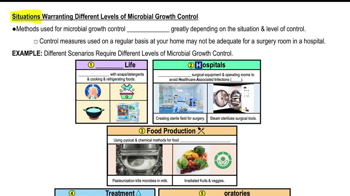
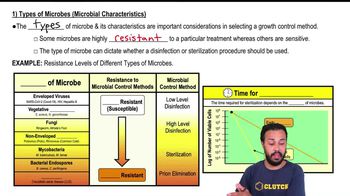
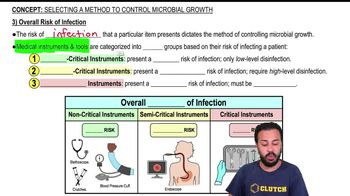
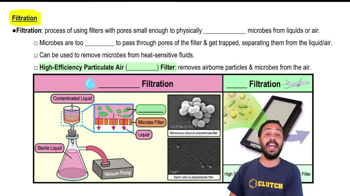
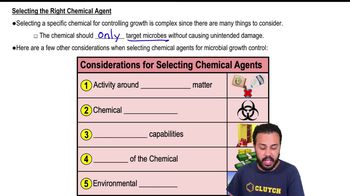
Selecting a Method to Control Microbial Growth
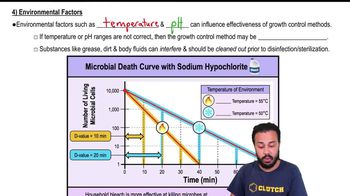
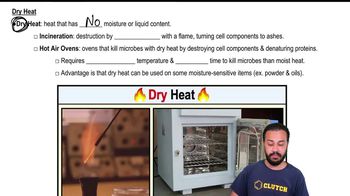
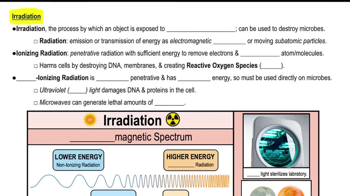
Physical Methods to Control Microbial Growth
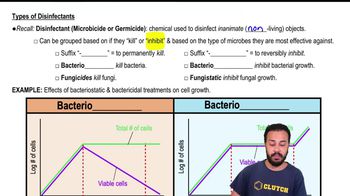
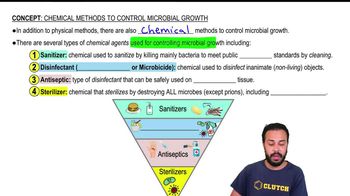
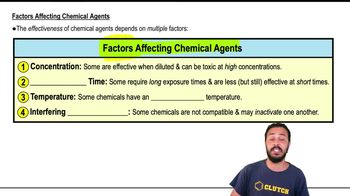
Chemical Methods to Control Microbial Growth
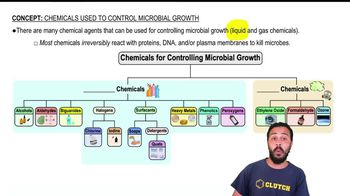
Chemicals Used to Control Microbial Growth
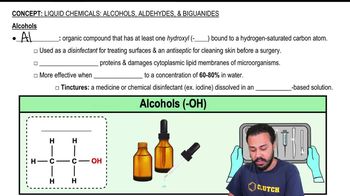
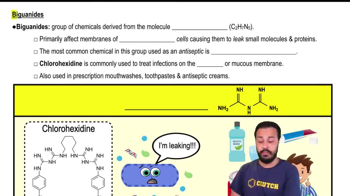
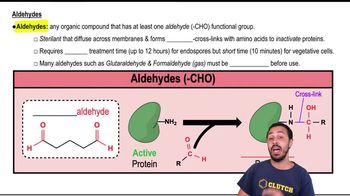
Liquid Chemicals: Alcohols, Aldehydes, & Biguanides
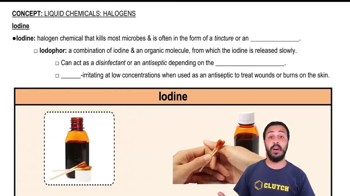
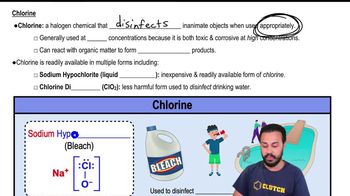
Liquid Chemicals: Halogens
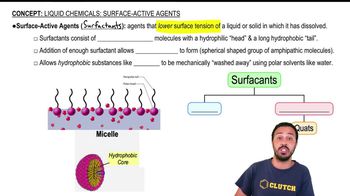
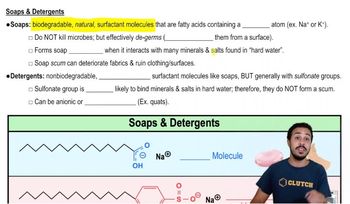
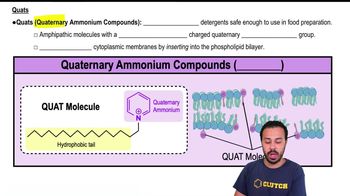
Liquid Chemicals: Surface-Active Agents
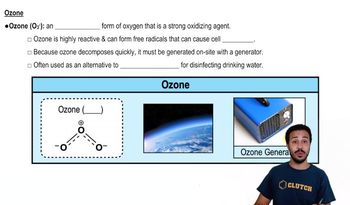
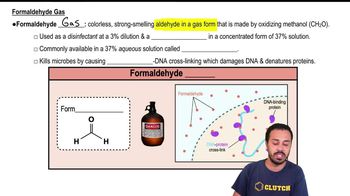
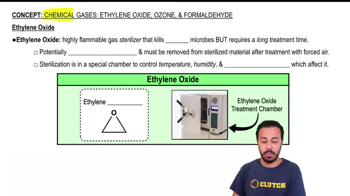
Chemical Gases: Ethylene Oxide, Ozone, & Formaldehyde
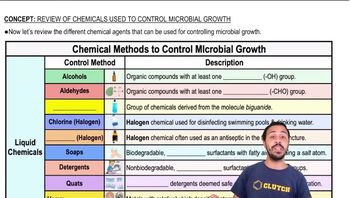
Review of Chemicals Used to Control Microbial Growth
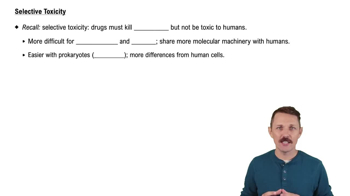
Introduction to Antimicrobial Drugs
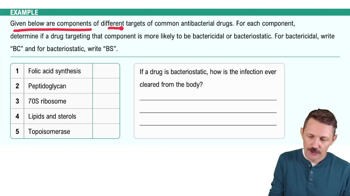
How Antimicrobial Drugs Work
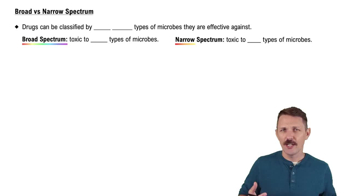
Broad vs Narrow Spectrum Drugs
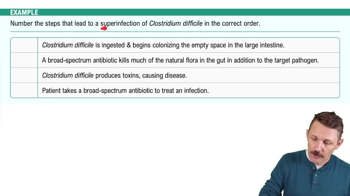
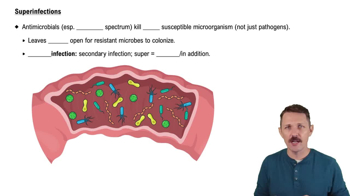
Superinfections
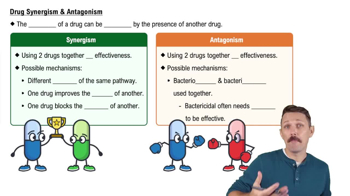
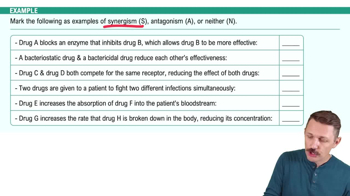
Drug Interactions: Synergism and Antagonism
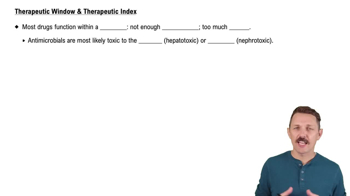
Therapeutic Window & Therapeutic Index
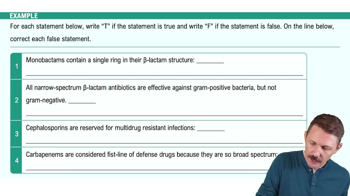
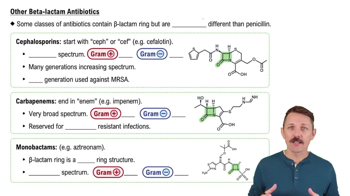
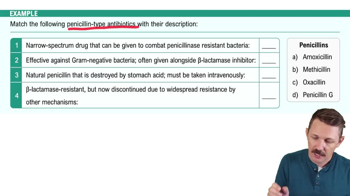
Inhibitors of Cell Wall Synthesis: Beta-lactam & Penicillin
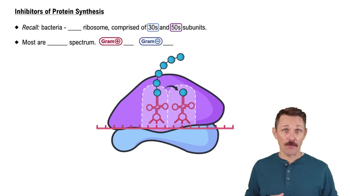
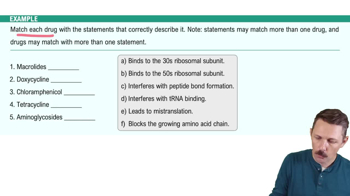
Inhibitors of Protein Synthesis
Disruptors of Cell Membranes
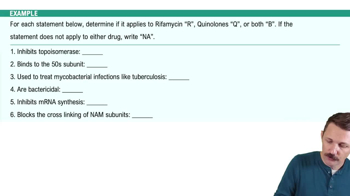
Inhibitors of Nucleic Acid Synthesis
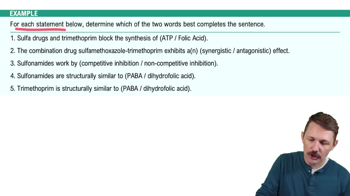
Competitive Inhibitors of Metabolic Pathways
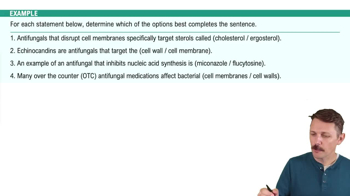
Antifungal Drugs
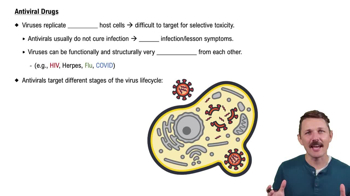
Antiviral Drugs
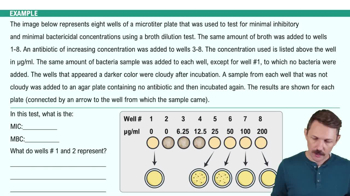
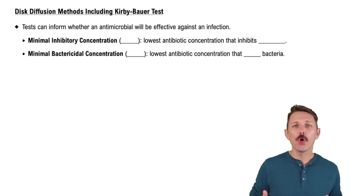
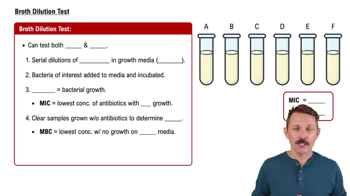
Tests to Guide Antimicrobial Use
Antimicrobial Resistance
 Back
Back Curated lessons matched to your uploaded material – learn every topic step by step.
 03:12
03:12