 Back
BackComprehensive Study Notes for Microbiology: Infectious Diseases, Immunology, and Antimicrobial Agents
Study Guide - Smart Notes
 Tailored notes based on your materials, expanded with key definitions, examples, and context.
Viral Hepatitis
Overview of Hepatitis Viruses
Hepatitis refers to inflammation of the liver, commonly caused by viral infections. The main hepatitis viruses include Hepatitis A, B, C, D, and E, each with distinct transmission routes, epidemiology, and clinical outcomes.
Hepatitis A Virus (HAV): Enveloped, single-stranded RNA virus from the Picornaviridae family. Transmitted mainly via the fecal-oral route.
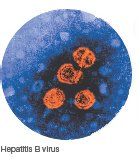
Hepatitis B Virus (HBV): Enveloped, double-stranded DNA virus from the Hepadnaviridae family. Transmitted through blood, sexual contact, and vertically from mother to child.
Hepatitis C Virus (HCV): Enveloped, single-stranded RNA virus from the Flaviviridae family. Transmitted through blood and sexual contact; no vaccine available.
Hepatitis D Virus (HDV): Enveloped, single-stranded RNA virus; requires HBV for replication.
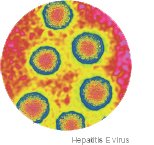
Hepatitis E Virus (HEV): Nonenveloped, single-stranded RNA virus from the Hepeviridae family. Transmitted mainly via the fecal-oral route.
Clinical Features and Diagnosis
Signs & Symptoms: All types may cause fever, loss of appetite, joint pain, fatigue, abdominal pain, nausea, clay-colored stools, and jaundice.
Diagnosis: Blood tests for viral antigens, antibodies, or viral RNA/DNA. Reverse transcriptase PCR is used for RNA viruses.
Treatment: Supportive care for acute cases; antivirals for chronic HBV and HCV. Vaccines are available for HAV and HBV.
Prevention and Epidemiology
HAV & HEV: Prevented by proper hygiene and sanitation. HAV has a vaccine; HEV does not.
HBV & HCV: Prevented by avoiding blood exposure, safe sex, and not sharing needles. HBV has a vaccine; HCV does not.
HDV: Prevented by HBV vaccination.
Arboviral Encephalitis: West Nile Virus
Overview and Transmission
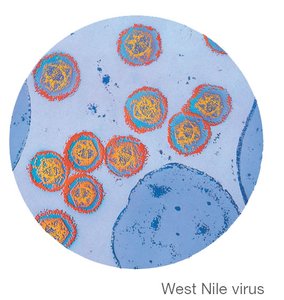
West Nile virus is an enveloped, single-stranded RNA virus (Flaviviridae family) transmitted primarily by mosquitoes (Culex genus) from birds to humans. It can cause neuroinvasive disease, including meningitis and encephalitis.
Prevention: Insect repellent, mosquito control, and avoiding mosquito bites.
Diagnosis: Antibody-based tests, RT-PCR, and genome fingerprinting.
Treatment: Supportive care only.
Rabies
Overview and Pathogenesis
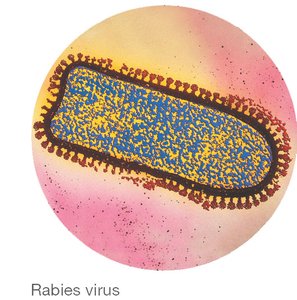
Rabies virus is an enveloped, single-stranded RNA virus (Rhabdoviridae family) transmitted through animal bites or aerosolized droppings. It infects muscle cells, then travels to the central nervous system.
Prevention: Vaccination for high-risk individuals and post-exposure prophylaxis.
Diagnosis: RT-PCR, direct antibody fluorescence, and postmortem detection of Negri bodies.
Treatment: Antirabies antibodies and vaccination after exposure; no effective treatment once symptoms appear.
Meningitis and Encephalitis
Definitions and Causes
Meningitis: Inflammation of the meninges (membranes surrounding the brain and spinal cord).
Encephalitis: Inflammation of the brain.
Meningoencephalitis: Inflammation of both the meninges and brain.
Etiology and Diagnosis
Viral Causes: Nonpolio enteroviruses, herpes simplex viruses, arboviruses (e.g., West Nile).
Bacterial Causes: Streptococcus pneumoniae, Neisseria meningitidis, Haemophilus influenzae.
Diagnosis: Lumbar puncture for CSF analysis, Gram stain, culture, and antigen-based tests.


Clinical Features and Treatment
Symptoms: Fever, headache, stiff neck, nausea, photophobia, vomiting, disorientation, seizures (encephalitis).
Treatment: Viral forms are usually self-limiting; bacterial forms require immediate antibiotics and vaccination for prevention.
Systemic Infections and Clinical Vocabulary
Key Terms
Bacteremia: Presence of bacteria in the blood.
Toxemia: Presence of toxins in the blood.
Viremia: Presence of viruses in the blood.
Sepsis: Body-wide immune response to infection in the blood.
Septic Shock: Advanced sepsis with organ failure.
Septicemia: Life-threatening systemic inflammatory response to infection.
Digestive System Infections
Colitis, Enteritis, Gastritis, Gastroenteritis, Gingivitis
Colitis: Inflammation of the colon.
Enteritis: Inflammation of the intestines.
Gastritis: Inflammation of the stomach.
Gastroenteritis: Inflammation of the stomach and intestines.
Gingivitis: Inflammation of the gums, often due to plaque buildup.
Periodontal Disease and Dental Caries
Periodontal Disease: Caused by anaerobic bacteria biofilm (e.g., Porphyromonas gingivalis).
Dental Caries: Caused by Streptococcus mutans and other bacteria.
Prevention: Oral hygiene, fluoride, reduced sugar intake.
Treatment: Antibiotics, dental procedures, and restoration.
Rotaviral and Noroviral Gastroenteritis
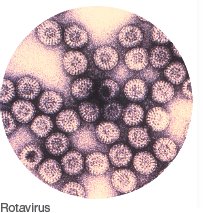
Rotavirus: Nonenveloped, double-stranded RNA virus (Reoviridae). Causes severe diarrhea in children.
Norovirus: Nonenveloped, single-stranded RNA virus (Caliciviridae). Causes outbreaks of vomiting and diarrhea.
Prevention: Vaccines for rotavirus; hygiene for both.
Treatment: Supportive care and rehydration.

Clostridium difficile Pseudomembranous Colitis
Causative Agent: Clostridioides difficile, a Gram-positive, spore-forming bacterium.
Pathogenesis: Releases toxins A and B, causing colonic damage and inflammation.
Diagnosis: Stool culture, molecular detection of toxins, colonoscopy.
Treatment: Metronidazole or vancomycin; rehydration therapy.

Genetics: DNA to RNA and Mutations
Protein Synthesis: Transcription and Translation
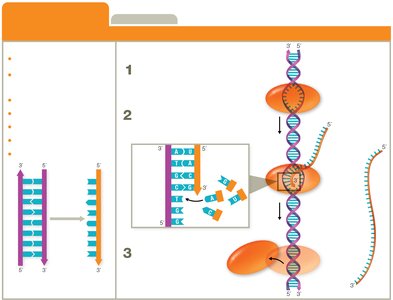
Protein synthesis involves two main steps: transcription (DNA to RNA) and translation (RNA to protein). RNA polymerase binds to the promoter, unwinds DNA, and synthesizes RNA. Translation occurs at ribosomes, decoding mRNA into proteins.
Transcription: Initiation, elongation, and termination steps. Main enzyme is RNA polymerase.
Translation: Ribosomes read mRNA codons to assemble amino acids into proteins.
Reverse Transcription: Some viruses use reverse transcriptase to synthesize DNA from RNA.
Types of RNA
mRNA: Messenger RNA, carries genetic code from DNA.
tRNA: Transfer RNA, brings amino acids to ribosomes.
rRNA: Ribosomal RNA, forms ribosomes with proteins.
Mutations
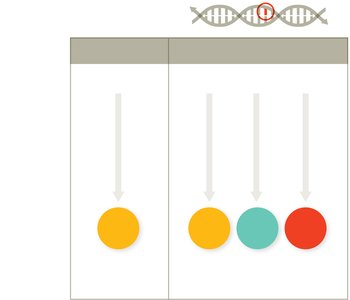
Substitution: One nucleotide is replaced by another.
Insertion: Addition of one or more nucleotides.
Deletion: Removal of one or more nucleotides.
Silent Mutation: No change in amino acid sequence.
Missense Mutation: Changes one amino acid in the protein.
Nonsense Mutation: Introduces a stop codon, truncating the protein.
Frameshift Mutation: Alters the reading frame, changing downstream amino acids.
Immunology: Hypersensitivities and Autoimmune Diseases
Types of Hypersensitivity Reactions
Type I (Immediate): IgE-mediated allergies (e.g., asthma, hay fever).
Type II (Cytotoxic): IgG/IgM against cell surface antigens (e.g., hemolytic anemia).
Type III (Immune Complex): IgG/IgM with soluble antigens (e.g., lupus, rheumatoid arthritis).
Type IV (Delayed): T-cell mediated (e.g., contact dermatitis, Type 1 diabetes).
Autoimmune Diseases
Examples: Celiac disease, lupus, Type 1 diabetes, rheumatoid arthritis, multiple sclerosis, Graves’ disease.
Symptoms: Joint/muscle pain, fatigue, rash, organ dysfunction, low-grade fever.
Immunity: Active and Passive
Types of Immunity
Active Immunity: Body produces its own antibodies (natural: infection; artificial: vaccination).
Passive Immunity: Antibodies are transferred from another source (natural: maternal; artificial: antivenom).
Antimicrobial Drugs and Resistance
Classes and Mechanisms
Cell Wall Inhibitors: Penicillin, vancomycin (target peptidoglycan synthesis).
Protein Synthesis Inhibitors: Tetracycline (binds 30S ribosomal subunit).
Plasma Membrane Inhibitors: Daptomycin (disrupts membrane integrity).
Metabolic Pathway Inhibitors: Isoniazid (inhibits mycolic acid synthesis in Mycobacterium tuberculosis).
Antibiotic Resistance
Factors: Overuse/misuse of antibiotics, subtherapeutic dosing, patient noncompliance, use in animal feed.
MRSA: Methicillin-resistant Staphylococcus aureus is resistant to all β-lactam antibiotics due to altered penicillin-binding proteins.
Kirby-Bauer Test
Purpose: Determines bacterial susceptibility to antibiotics using standardized agar and measuring zones of inhibition.
Reproductive System Infections
Bacterial Vaginosis: Overgrowth of harmful bacteria; treated with antibiotics.
Cervical Cancer: Caused by high-risk HPV strains; detected by Pap smear.
Yeast Infection: Overgrowth of Candida albicans; treated with antifungals.
Pelvic Inflammatory Disease: Infection of upper reproductive organs, often due to STDs; treated with antibiotics.
Microbial Growth and Homeostasis
Mesophilic Microbes: Grow best at 10–50°C; most human pathogens are mesophiles.
Homeostasis: Biological systems maintain stable internal conditions despite external changes.
