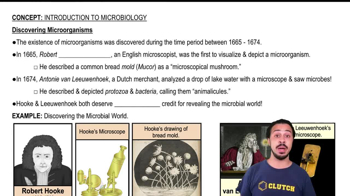
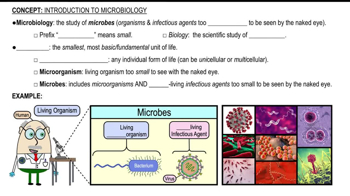
Introduction to Microbiology
Scientific Method
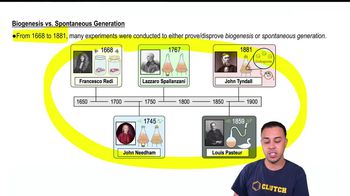
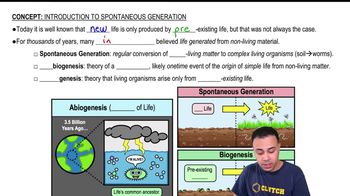
Introduction to Spontaneous Generation
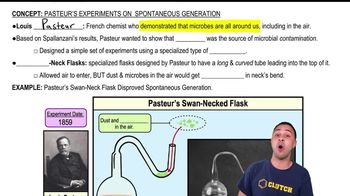
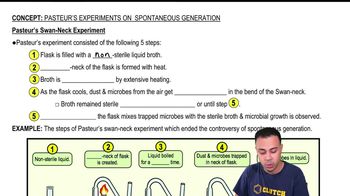
Pasteur's Experiments on Spontaneous Generation
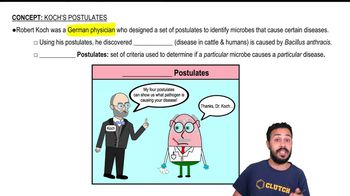
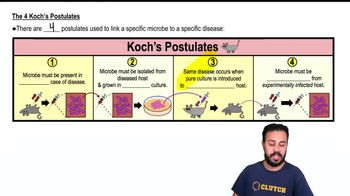
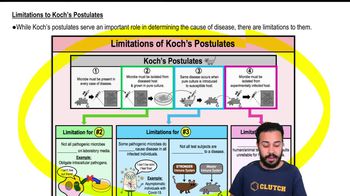
Koch's Postulates
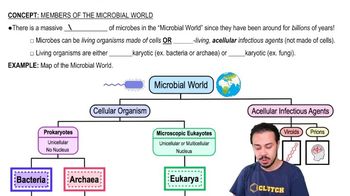
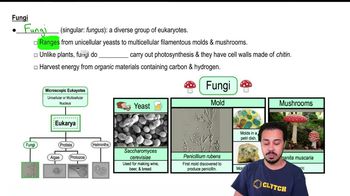
Members of the Bacterial World
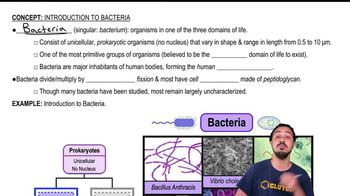
Introduction to Bacteria
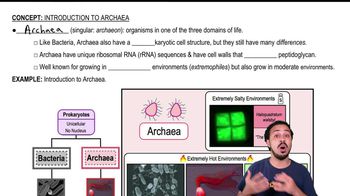
Introduction to Archaea
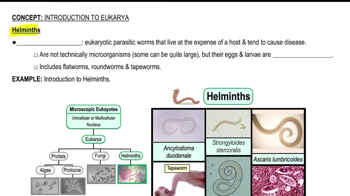
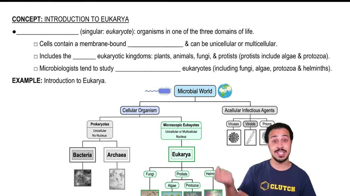
Introduction to Eukarya
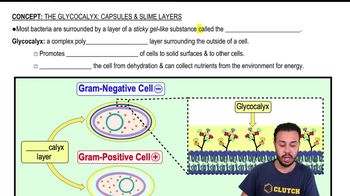
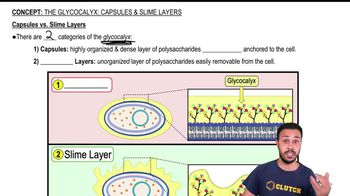
The Glycocalyx: Capsules & Slime Layers
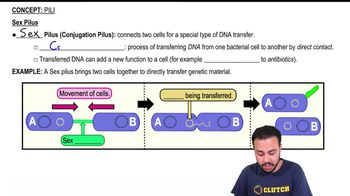
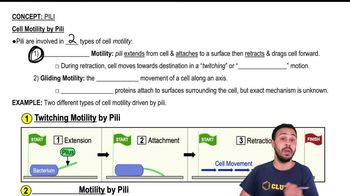
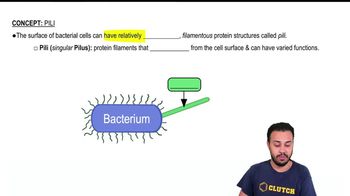
Pili
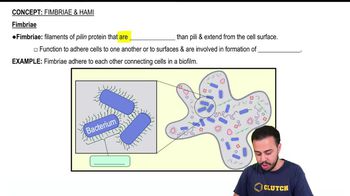
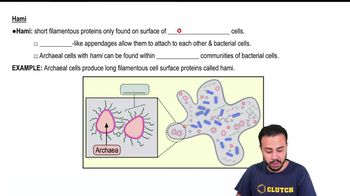
Fimbriae & Hami
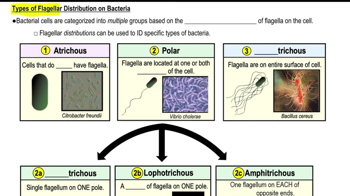
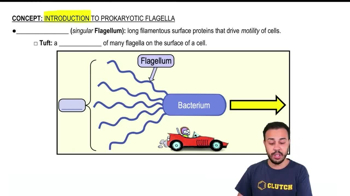
Introduction to Prokaryotic Flagella
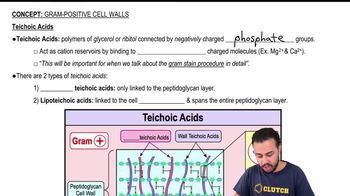
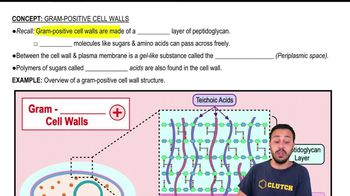
Gram-Positive Cell Walls
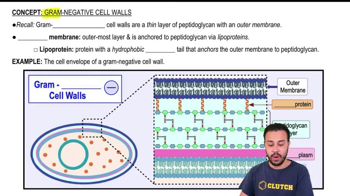
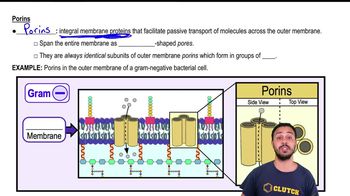
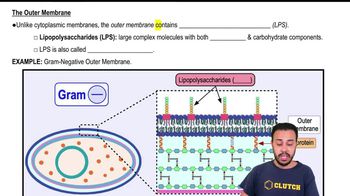
Gram-Negative Cell Walls
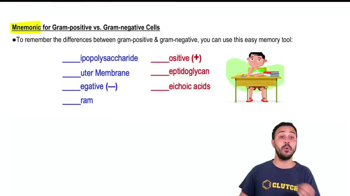
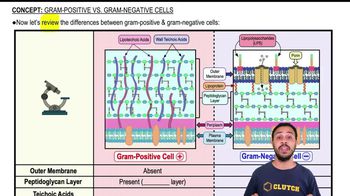
Gram-Positive vs. Gram-Negative Cell Walls
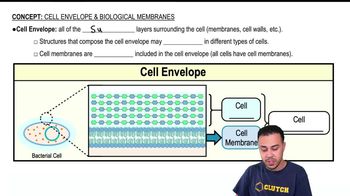
Cell Envelope & Biological Membranes
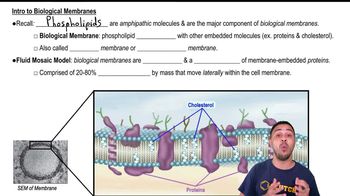
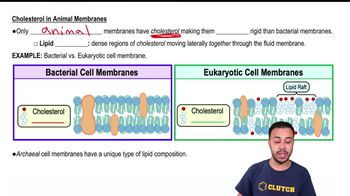
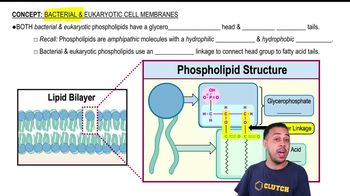
Bacterial & Eukaryotic Cell Membranes
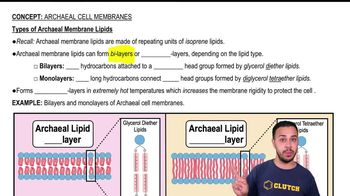
Archaeal Cell Membranes
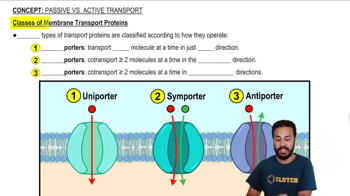
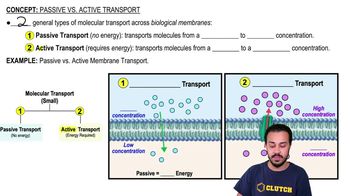
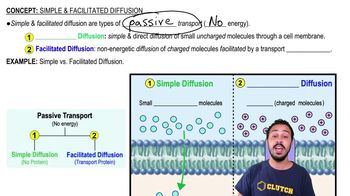
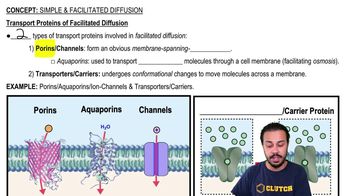
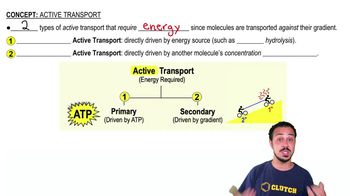
Passive vs. Active Transport
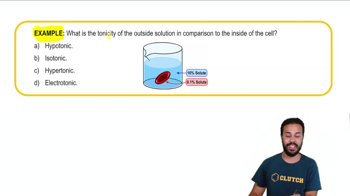
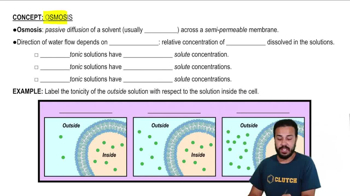
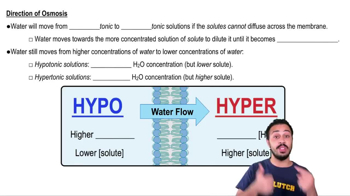
Osmosis
Simple and Facilitated Diffusion
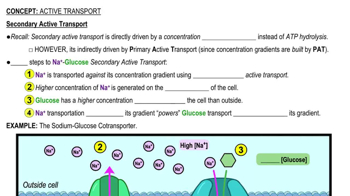
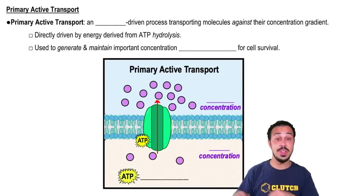
Active Transport
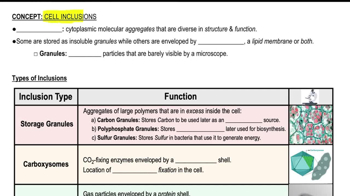
Cell Inclusions
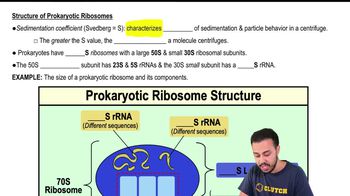
Prokaryotic Ribosomes
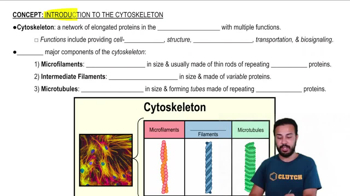
Introduction to the Cytoskeleton
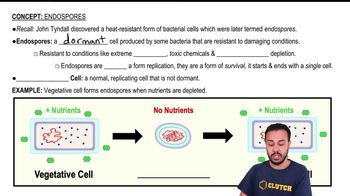
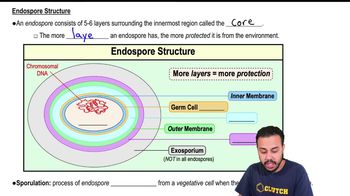
Endospores
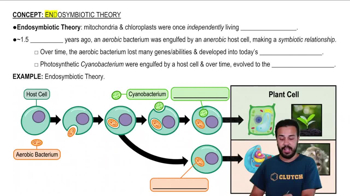
Endosymbiotic Theory
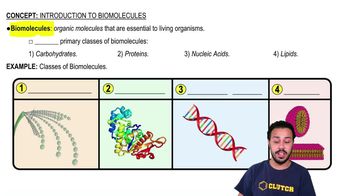
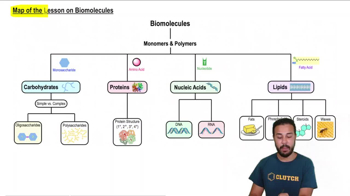
Introduction to Biomolecules
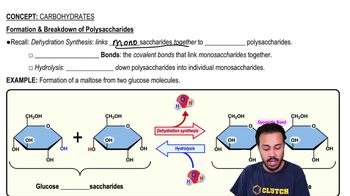
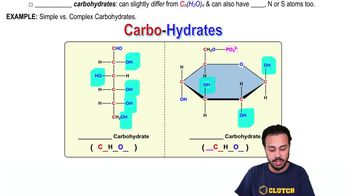
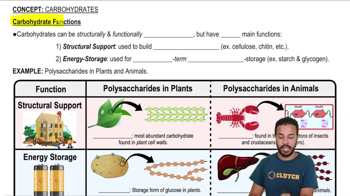
Carbohydrates
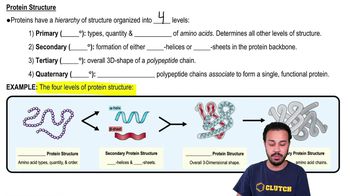
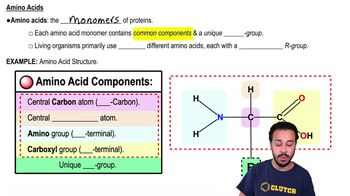
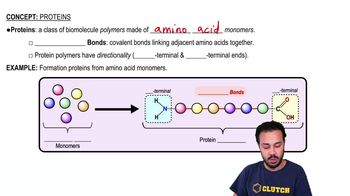
Proteins
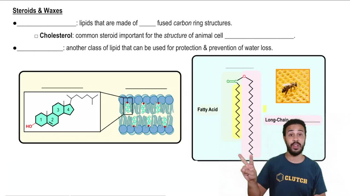
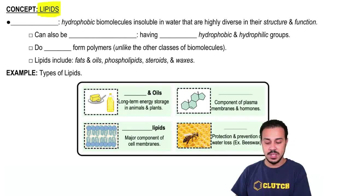
Lipids
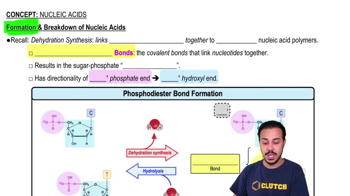
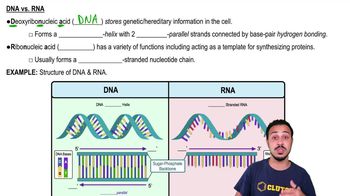
Nucleic Acids
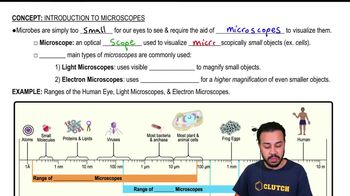
Introduction to Microscopes
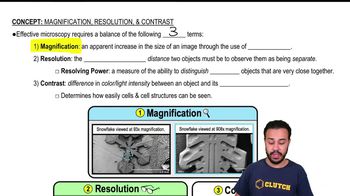
Magnification, Resolution, & Contrast
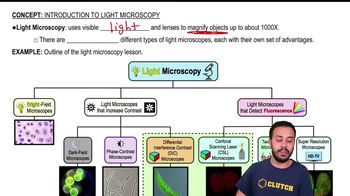
Introduction to Light Microscopy
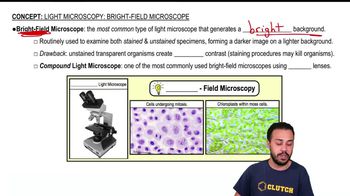
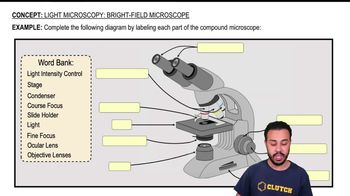
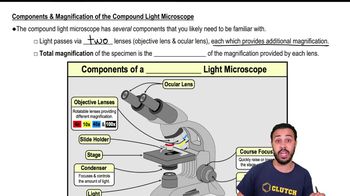
Light Microscopy: Bright-Field Microscopes
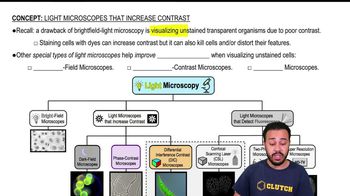
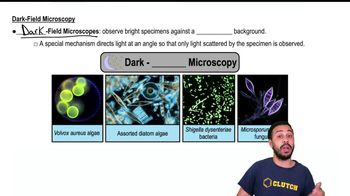
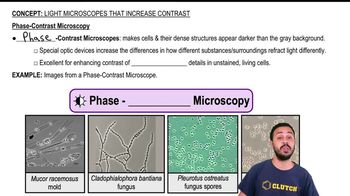
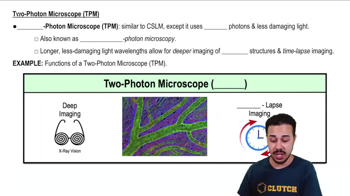
Light Microscopes that Increase Contrast
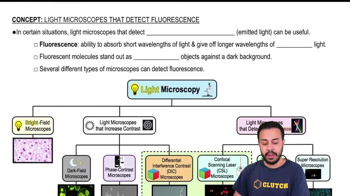
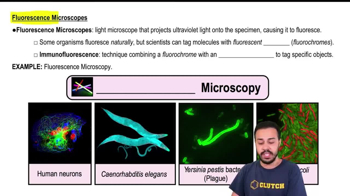
Light Microscopes that Detect Fluorescence
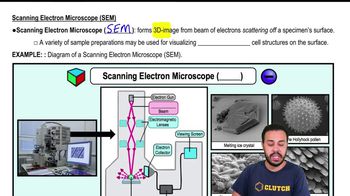
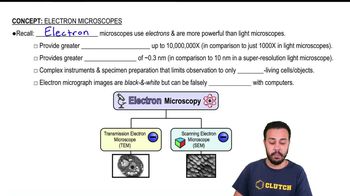
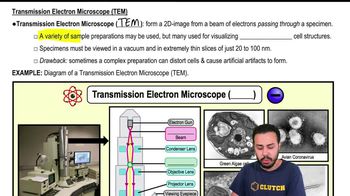
Electron Microscopes
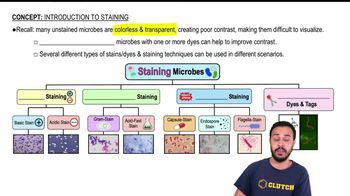
Introduction to Staining
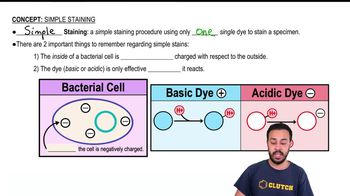
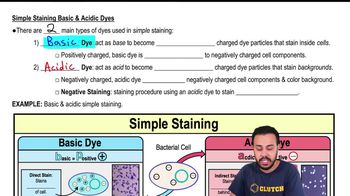
Simple Staining
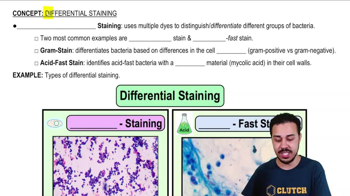
Differential Staining
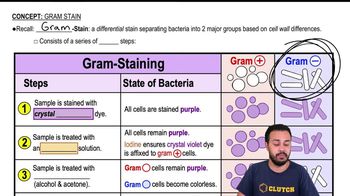
Gram Stain
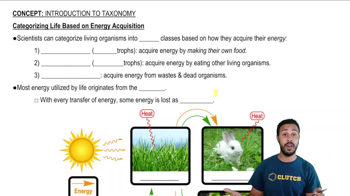
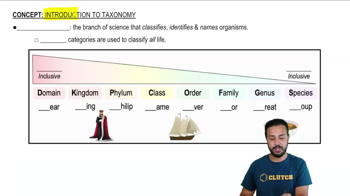
Introduction to Taxonomy
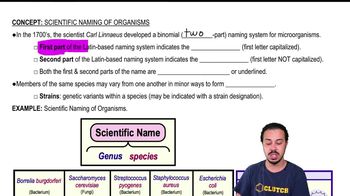
Scientific Naming of Organisms
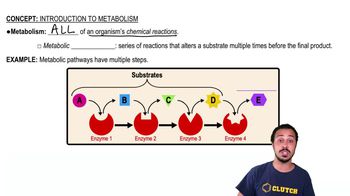
Introduction to Metabolism
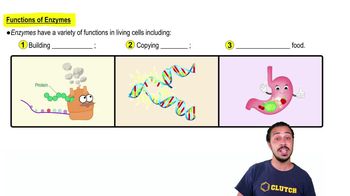
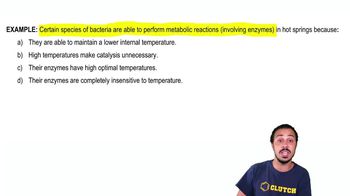
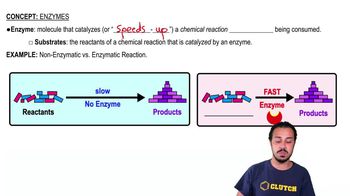
Enzymes
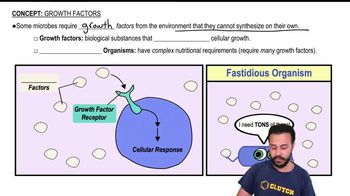
Growth Factors
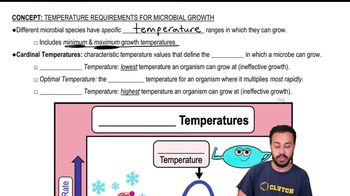
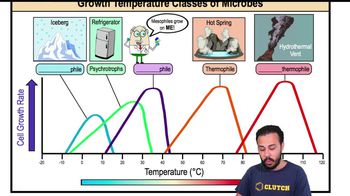
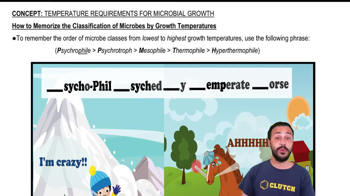
Temperature Requirements for Microbial Growth
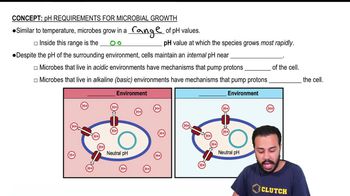
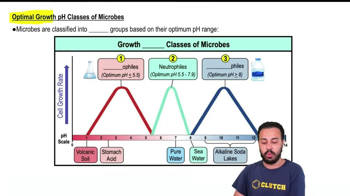
pH Requirements for Microbial Growth
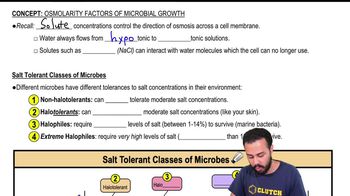
Osmolarity Factors for Microbial Growth
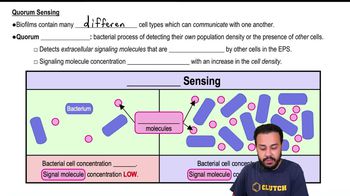
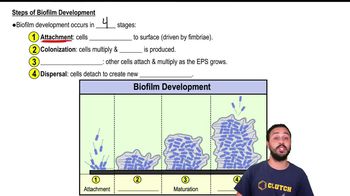
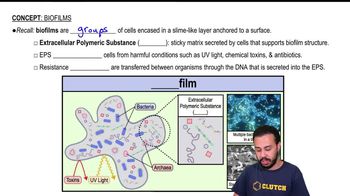
Biofilms
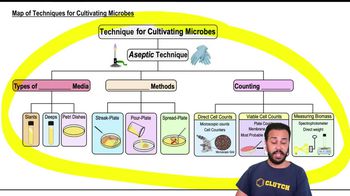
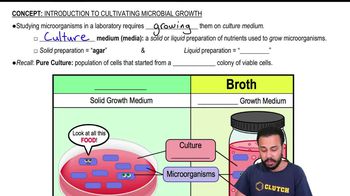
Introduction to Cultivating Microbial Growth
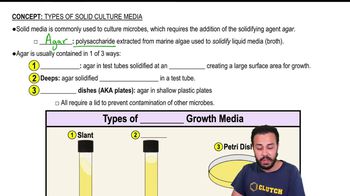
Types of Solid Culture Media
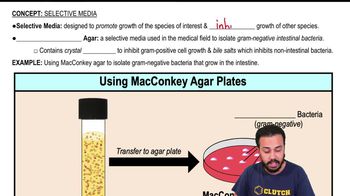
Selective Media
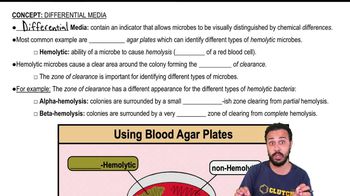
Differential Media
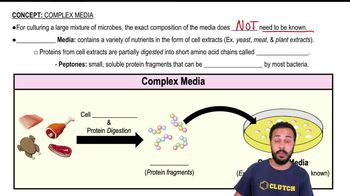
Complex Media
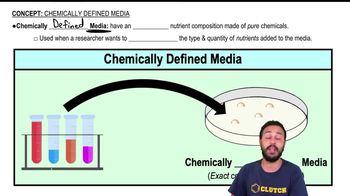
Chemically Defined Media
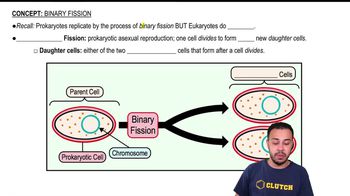
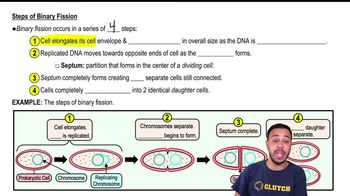
Binary Fission
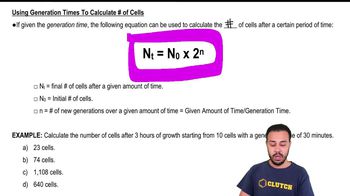
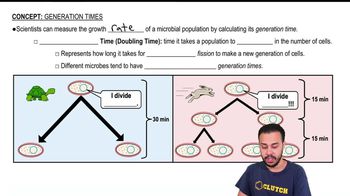
Generation Times
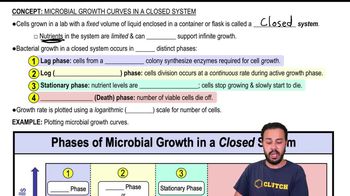
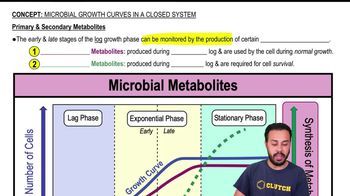
Microbial Growth Curves in a Closed System
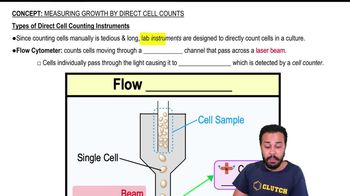
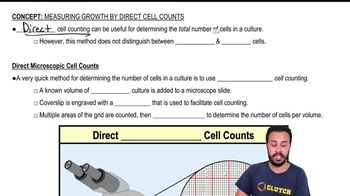
Measuring Growth by Direct Cell Counts
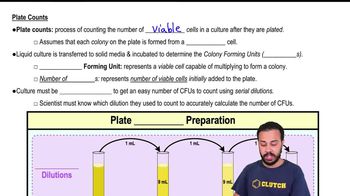
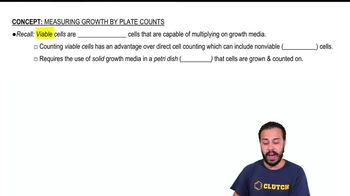
Measuring Growth by Plate Counts
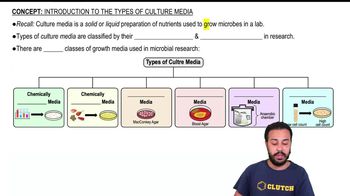
Introduction to the Types of Culture Media
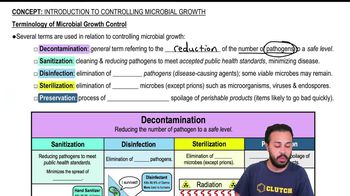
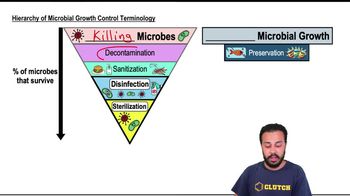
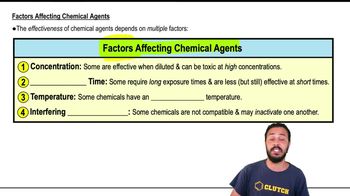
Introduction to Controlling Microbial Growth
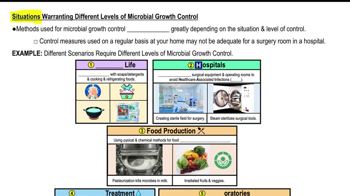
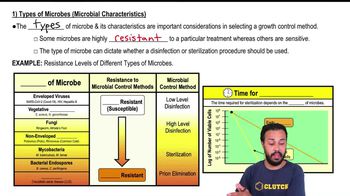
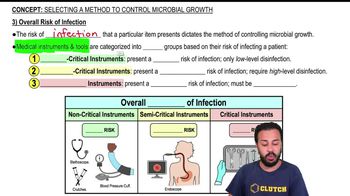
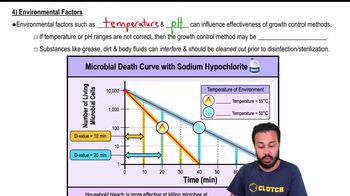
Selecting a Method to Control Microbial Growth
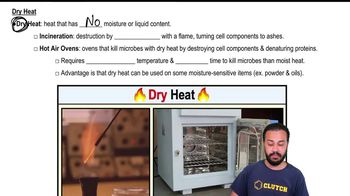
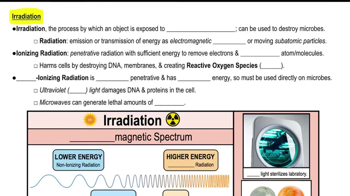
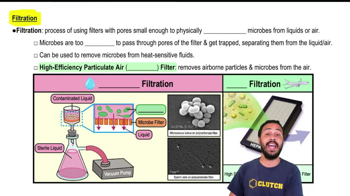
Physical Methods to Control Microbial Growth
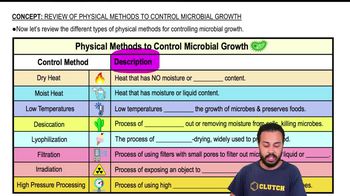
Review of Physical Methods to Control Microbial Growth
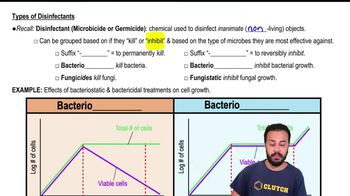
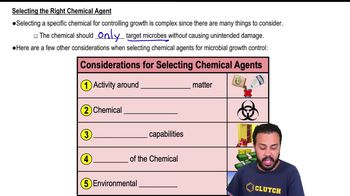
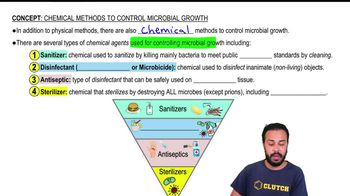
Chemical Methods to Control Microbial Growth
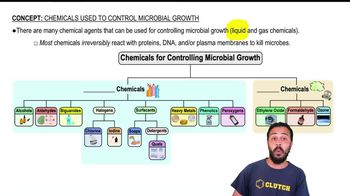
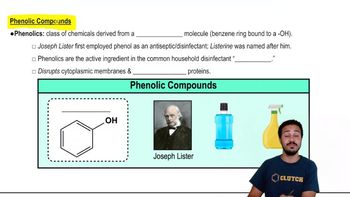
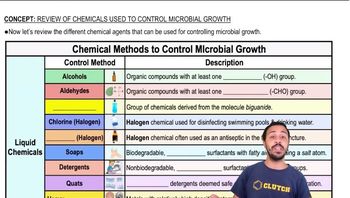
Chemicals Used to Control Microbial Growth
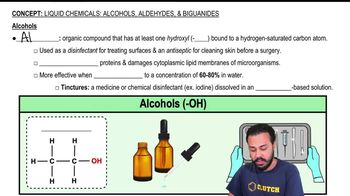
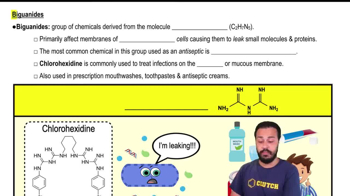
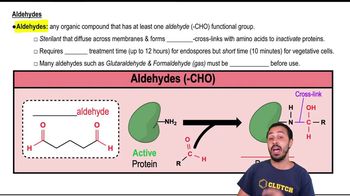
Liquid Chemicals: Alcohols, Aldehydes, & Biguanides
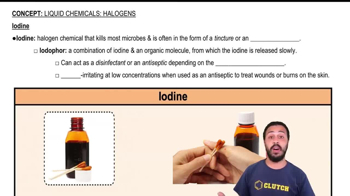
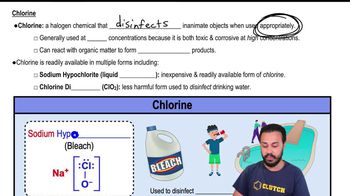
Liquid Chemicals: Halogens
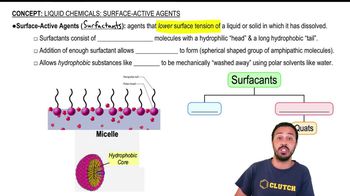
Liquid Chemicals: Surface-Active Agents
Other Types of Liquid Chemicals
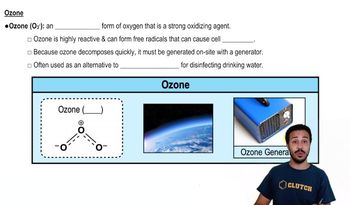
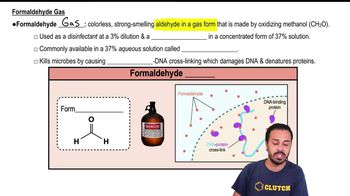
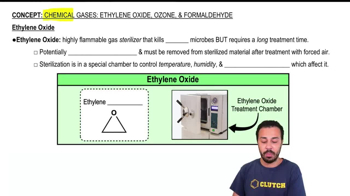
Chemical Gases: Ethylene Oxide, Ozone, & Formaldehyde
Review of Chemicals Used to Control Microbial Growth
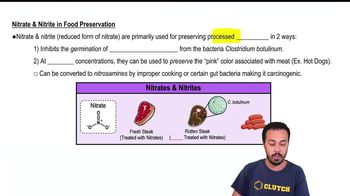
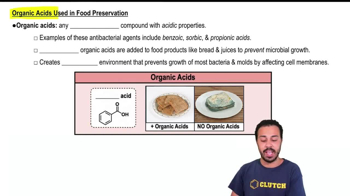
Chemical Preservation of Perishable Products
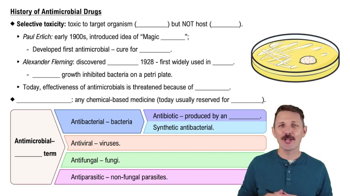
Introduction to Antimicrobial Drugs
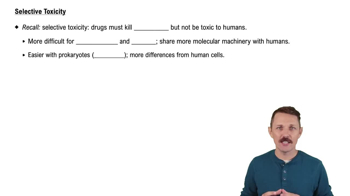
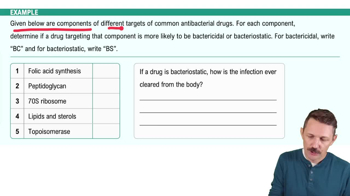
How Antimicrobial Drugs Work
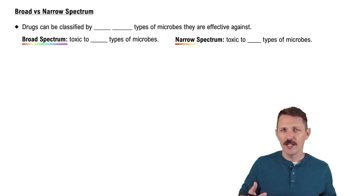
Broad vs Narrow Spectrum Drugs
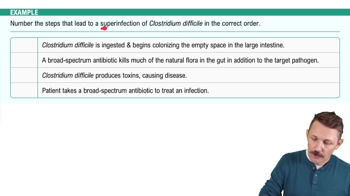
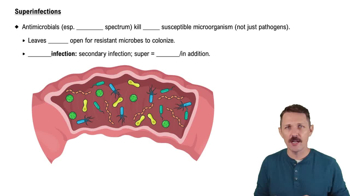
Superinfections
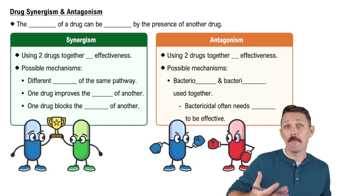
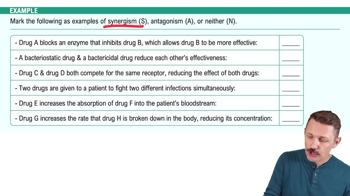
Drug Interactions: Synergism and Antagonism
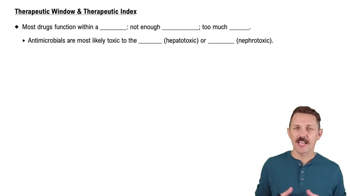
Therapeutic Window & Therapeutic Index
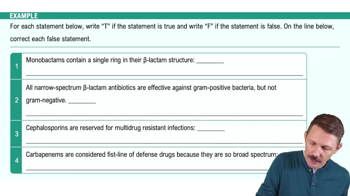
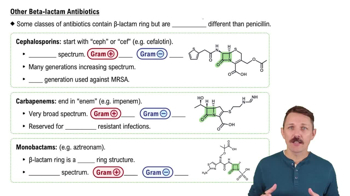
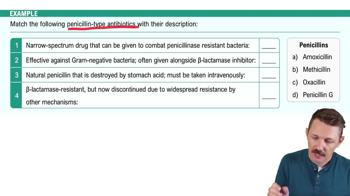
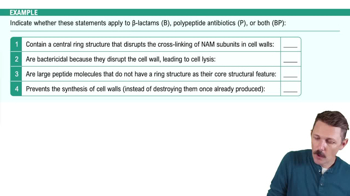
Inhibitors of Cell Wall Synthesis: Beta-lactam & Penicillin
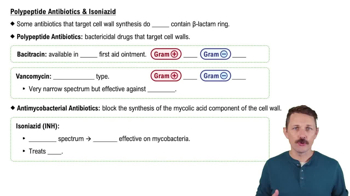
Inhibitors of Cell Wall Synthesis: Polypeptide Antibiotics & Isoniazid
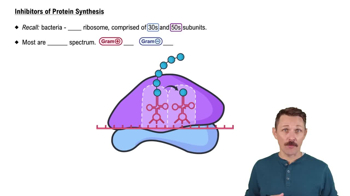
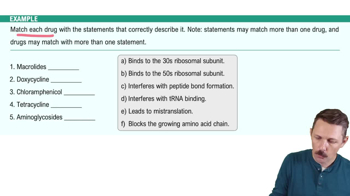
Inhibitors of Protein Synthesis
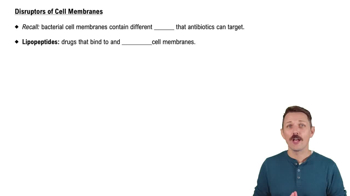
Disruptors of Cell Membranes
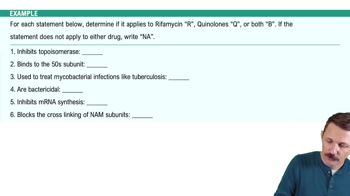
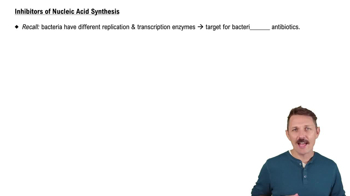
Inhibitors of Nucleic Acid Synthesis
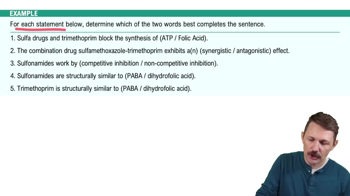
Competitive Inhibitors of Metabolic Pathways
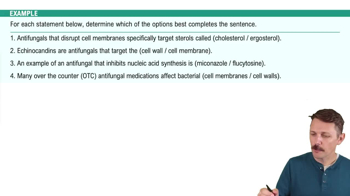
Antifungal Drugs
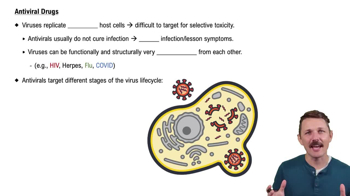
Antiviral Drugs
Antimicrobial Resistance
 Back
 Curated lessons matched to your uploaded material – learn every topic step by step.
 03:36