Back

Comprehensive Study Notes: Foundations of Microbiology (Chapters 1, 3, 4, 5/6, 9/10)

Study Guide - Learn with Videos

Curated lessons matched to your uploaded material – learn every topic step by step.

Introduction to Microbiology

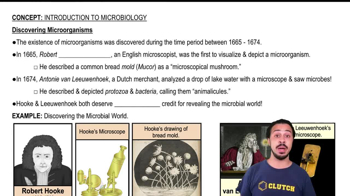
  • Discovering Microorganisms
    03:36
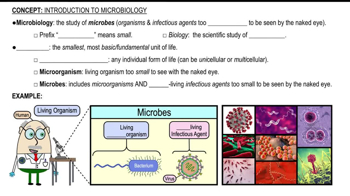
  • Introduction to Microbiology
    07:27
  • Introduction to Microbiology Channel
    1:29

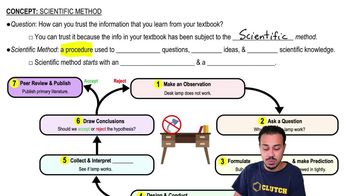
Scientific Method

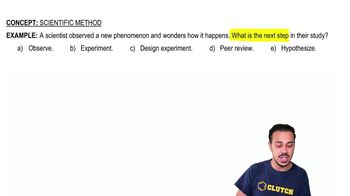
  • Scientific Method Example 1
    01:35
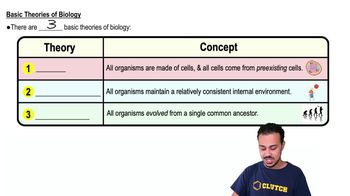
  • Basic Theories of Biology
    03:03
  • Scientific Method
    06:29

Introduction to Spontaneous Generation

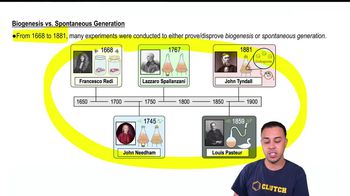
  • Biogenesis vs. Spontaneous Generation
    02:05
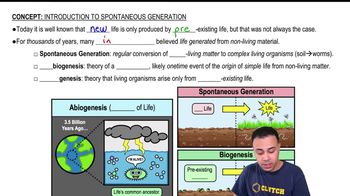
  • Introduction to Spontaneous Generation
    05:59

Pasteur's Experiments on Spontaneous Generation

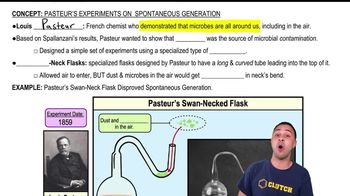
  • Pasteur's Experiments on Spontaneous Generation
    03:50
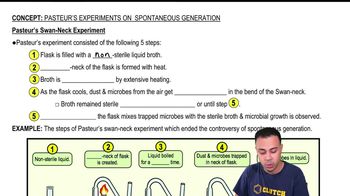
  • Pasteur’s Swan-Neck Experiment
    05:58

Koch's Postulates

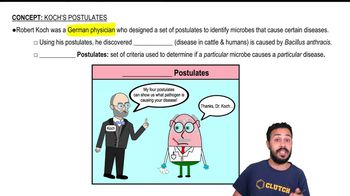
  • Koch's Postulates
    01:36
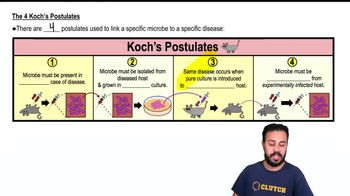
  • The 4 Koch's Postulates
    03:31
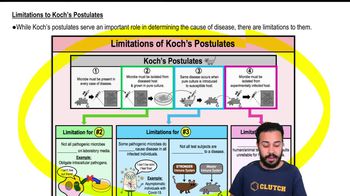
  • Limitations to Koch's Postulates
    02:58

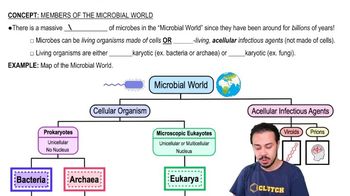
Members of the Bacterial World

  • Members of the Bacterial World
    06:17

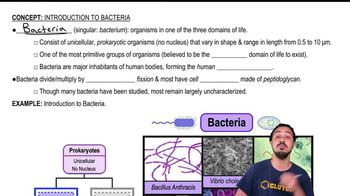
Introduction to Bacteria

  • Introduction to Bacteria
    06:18

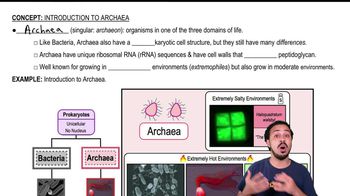
Introduction to Archaea

  • Introduction to Archaea
    04:39

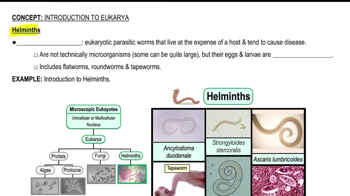
Introduction to Eukarya

  • Helminths
    01:27
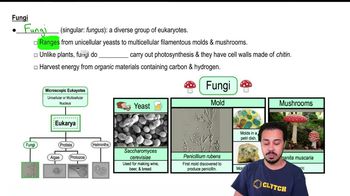
  • Fungi
    02:49
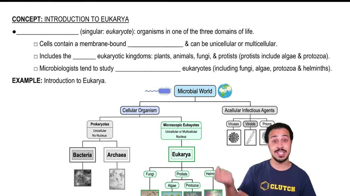
  • Introduction to Eukarya
    03:28

The Glycocalyx: Capsules & Slime Layers

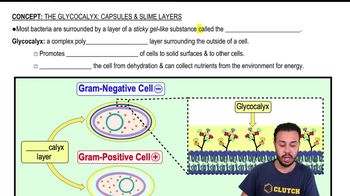
  • The Glycocalyx: Capsules & Slime Layers
    02:26
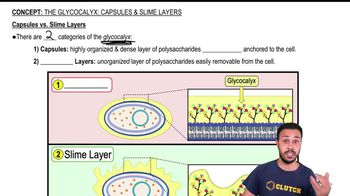
  • Capsules vs. Slime Layers
    01:53

Pili

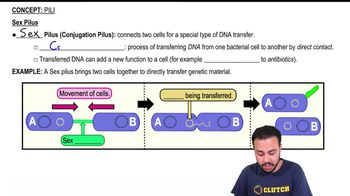
  • Sex Pilus
    03:29
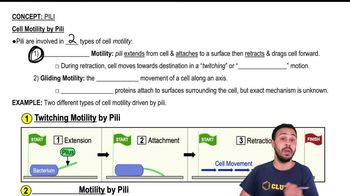
  • Cell Motility by Pili
    02:59
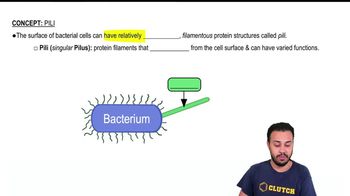
  • Pili
    01:02

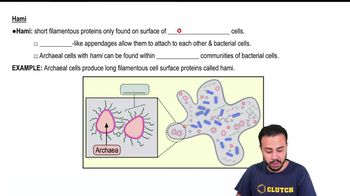
Fimbriae & Hami

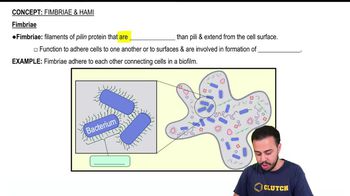
  • Fimbriae & Hami
    01:52
  • Hami
    01:51

Introduction to Prokaryotic Flagella

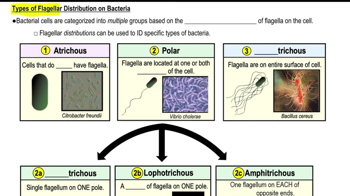
  • Types of Flagellar Distribution on Bacteria
    05:22
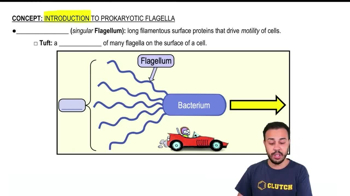
  • Introduction to Prokaryotic Flagella
    02:07

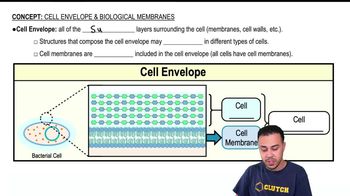
Cell Envelope & Biological Membranes

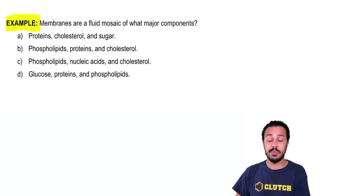
  • Cell Envelope & Biological Membranes Example 1
    02:21
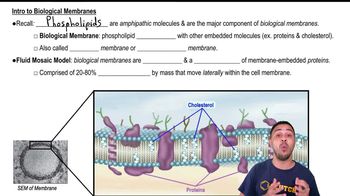
  • Biological Membranes
    02:10
  • Intro to Biological Membranes
    06:16

Bacterial & Eukaryotic Cell Membranes

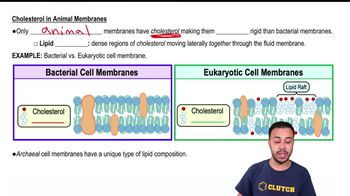
  • Cholesterol in Animal Membranes
    02:38
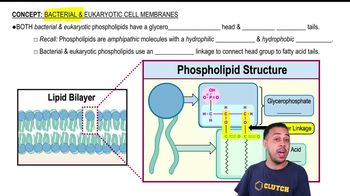
  • Bacterial & Eukaryotic Cell Membranes
    03:58

Archaeal Cell Membranes

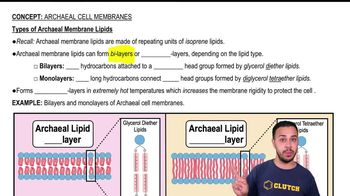
  • Archaeal Cell Membranes
    03:59
  • Types of Archaeal Membrane Lipids
    04:59

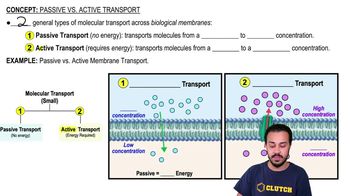
Passive vs. Active Transport

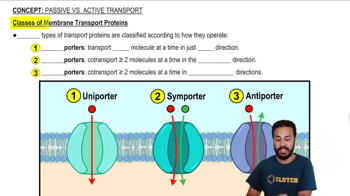
  • Classes of Membrane Transport Proteins
    03:41
  • Passive vs. Active Transport
    05:05

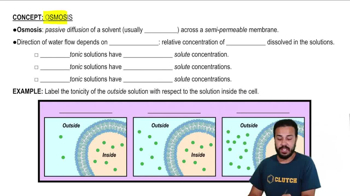
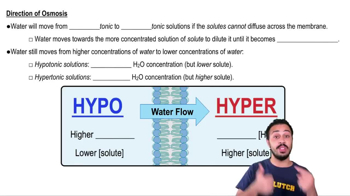
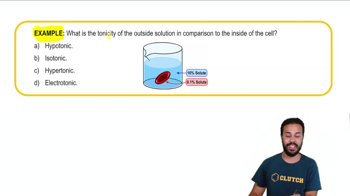
Osmosis

  • Osmosis Example 1
    02:18
  • Osmosis
    05:59
  • Direction of Osmosis
    06:48

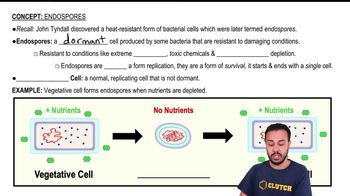
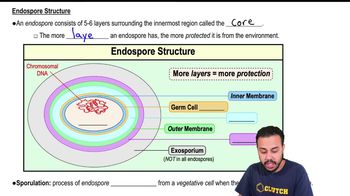
Endospores

  • Endospores
    05:35
  • Endospore Structure
    03:08

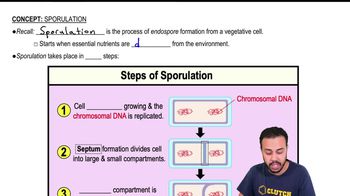
Sporulation

  • Sporulation
    04:08

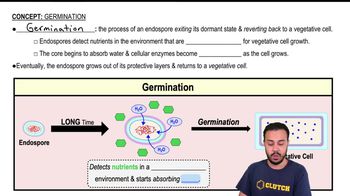
Germination

  • Germination
    02:59

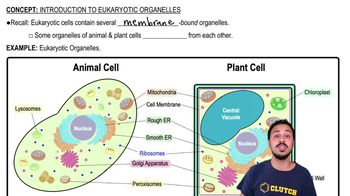
Introduction to Eukaryotic Organelles

  • Introduction to Eukaryotic Organelles
    03:45
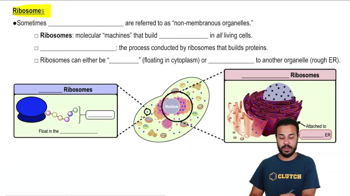
  • Eukaryotic Ribosomes
    05:51
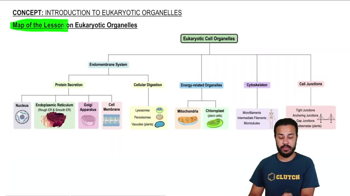
  • Map of the Lesson on Eukaryotic Organelles
    02:04

Introduction to the Cytoskeleton

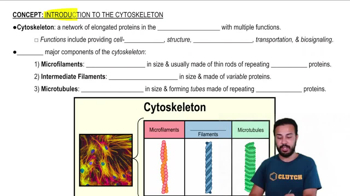
  • Introduction to the Cytoskeleton
    06:05

Eukaryotic Cilia & Flagella

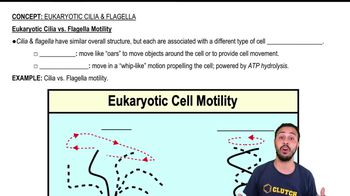
  • Eukaryotic Cilia & Flagella Motility
    01:59
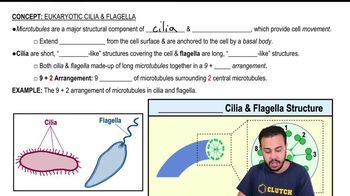
  • Eukaryotic Cilia & Flagella
    02:36
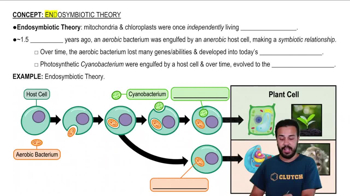
Endosymbiotic Theory

  • Endosymbiotic Theory
    07:29

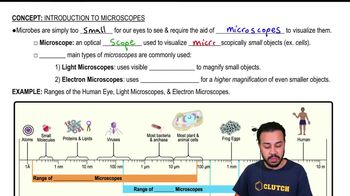
Introduction to Microscopes

  • Introduction to Microscopes
    06:13

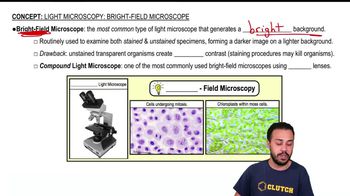
Light Microscopy: Bright-Field Microscopes

  • Light Microscopy: Bright-Field Microscopes
    03:46
  • Light Microscopy: Bright-Field Microscopes Example 1
    03:41
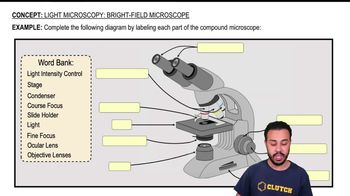
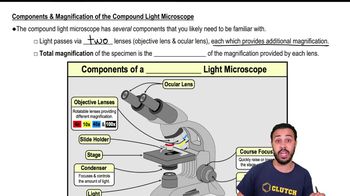
  • Components & Magnification of the Compound Light Microscope
    06:15

Light Microscopes that Increase Contrast

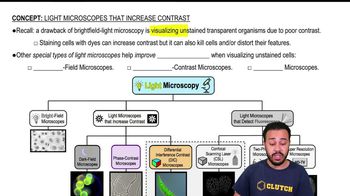
  • Light Microscopes that Increase Contrast
    02:39
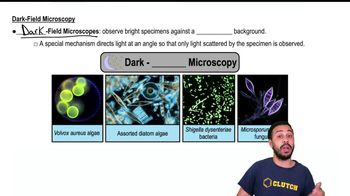
  • Dark-Field Microscopy
    01:52
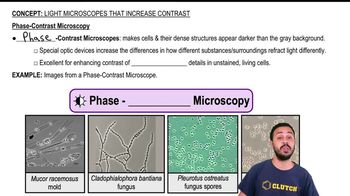
  • Phase-Contrast Microscopy
    03:27

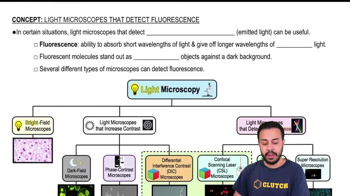
Light Microscopes that Detect Fluorescence

  • Light Microscopes that Detect Fluorescence
    01:46
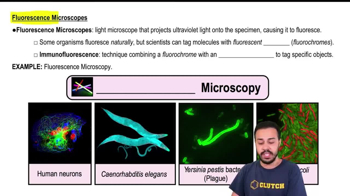
  • Fluorescence Microscopes
    02:54
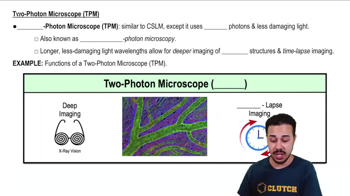
  • Two-Photon Microscope (TPM)
    02:01

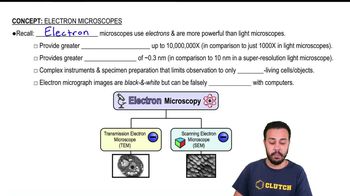
Electron Microscopes

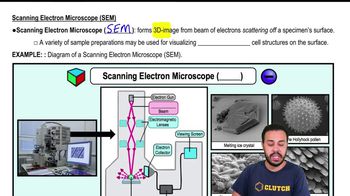
  • Scanning Electron Microscope (SEM)
    02:42
  • Electron Microscopes
    03:08
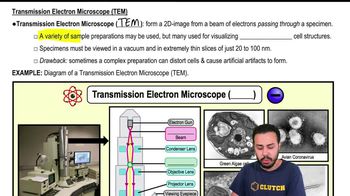
  • Transmission Electron Microscope (TEM)
    04:23

Introduction to Staining

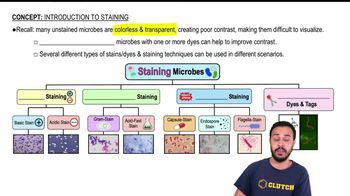
  • Introduction to Staining
    02:10

Simple Staining

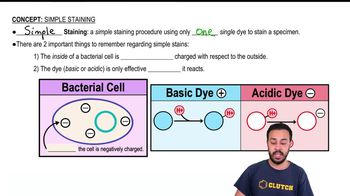
  • Simple Staining
    03:23
  • Simple Staining Basic & Acidic Dyes
    05:30

Differential Staining

  • Differential Staining
    04:07

Scientific Naming of Organisms

  • Scientific Naming of Organisms
    05:22

Introduction to Taxonomy

  • Introduction to Taxonomy Example 2
    01:37
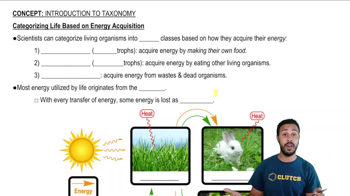
  • Categorizing Life Based on Energy Acquisition
    06:14
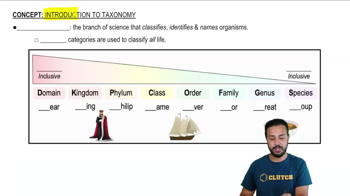
  • Introduction to Taxonomy
    02:23

Introduction to Biomolecules

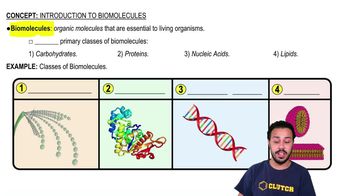
  • Introduction to Biomolecules
    01:17
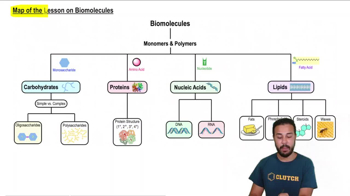
  • Map of the Lesson on Biomolecules
    01:29

Carbohydrates

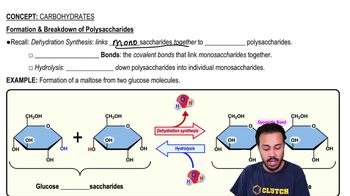
  • Formation & Breakdown of Polysaccharides
    03:08
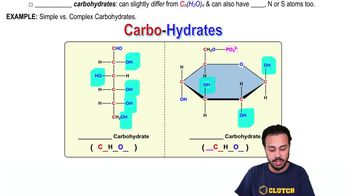
  • Carbohydrates
    04:53
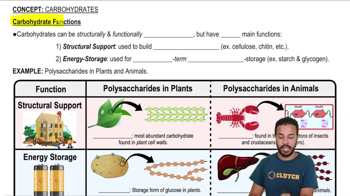
  • Carbohydrate Functions
    04:48

Proteins

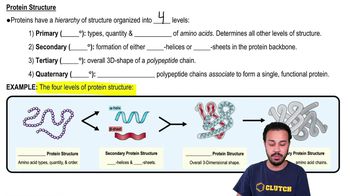
  • Protein Structure
    08:02
  • Amino Acids
    04:37
  • Proteins
    02:50

Lipids

  • Steroids & Waxes
    03:31
  • Lipids
    04:19
  • Fatty Acids
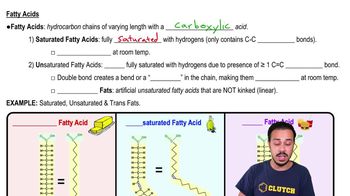
    06:59

Nucleic Acids

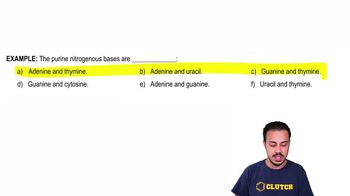
  • Nucleic Acids Example 2
    01:05
  • Formation & Breakdown of Nucleic Acids
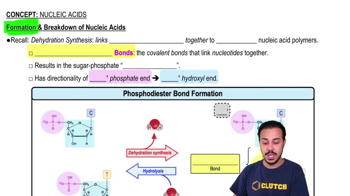
    04:07
  • DNA vs. RNA
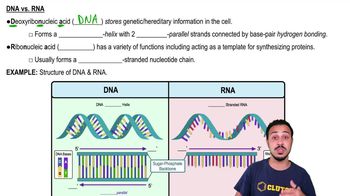
    05:57

Introduction to Energy

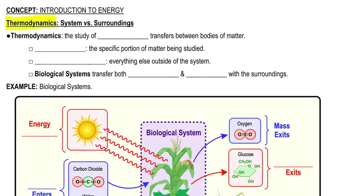
  • Thermodynamics: System vs. Surroundings
    04:21
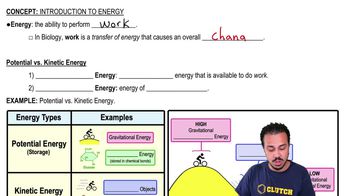
  • Introduction to Energy
    04:58

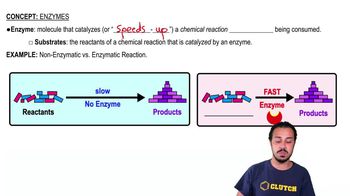
Enzymes

  • Functions of Enzymes
    02:32
  • Enzymes Example 1
    02:25
  • Enzymes
    02:55

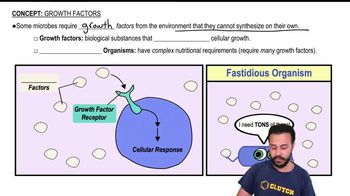
Growth Factors

  • Growth Factors
    01:55

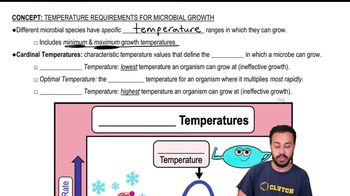
Temperature Requirements for Microbial Growth

  • Temperature Requirements for Microbial Growth
    04:16
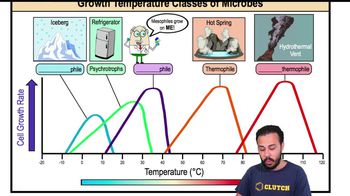
  • Classification of Microbes by Growth Temperature
    04:56
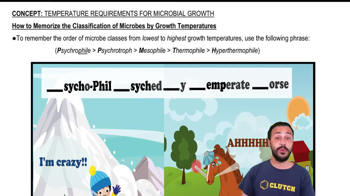
  • How to Memorize the Classification of Microbes by Growth Temperatures
    01:59

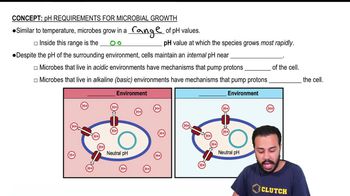
pH Requirements for Microbial Growth

  • pH Requirements for Microbial Growth
    03:11
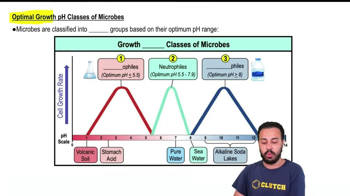
  • Optimal Growth pH Classes of Microbes
    03:23

Osmolarity Factors for Microbial Growth

  • Osmolarity Factors for Microbial Growth
    06:30

Biofilms

  • Quorum Sensing
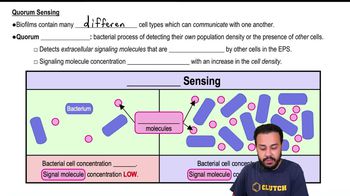
    04:13
  • Steps of Biofilm Development
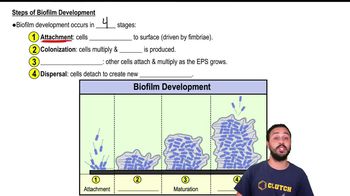
    04:32
  • Biofilms
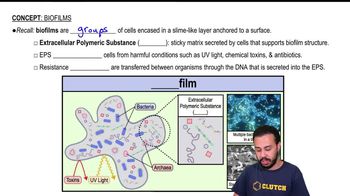
    03:14

Introduction to Cultivating Microbial Growth

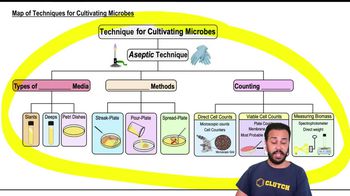
  • Map of Techniques for Cultivating Microbes
    02:05
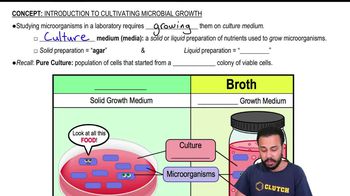
  • Introduction to Cultivating Microbial Growth
    03:49

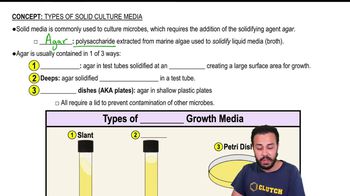
Types of Solid Culture Media

  • Types of Solid Culture Media
    03:16

Measuring Growth by Direct Cell Counts

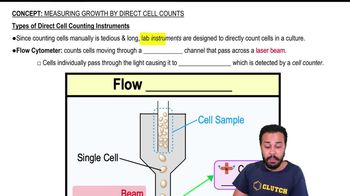
  • Types of Direct Cell Counting Instruments
    02:32
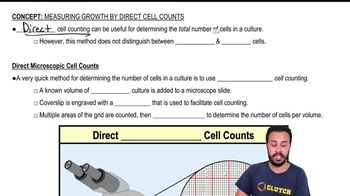
  • Direct Microscopic Cell Counts
    03:28

Measuring Growth by Plate Counts

  • Measuring Growth by Plate Counts
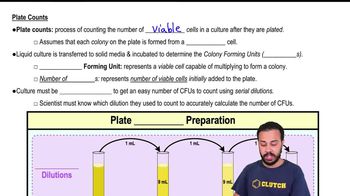
    07:16
  • Measuring Growth by Plate Counts
    01:36
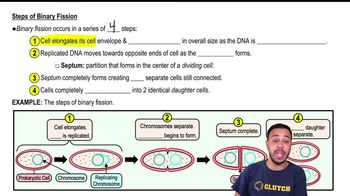
Binary Fission

  • Binary Fission
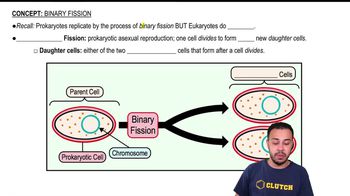
    02:16
  • Steps of Binary Fission
    04:57

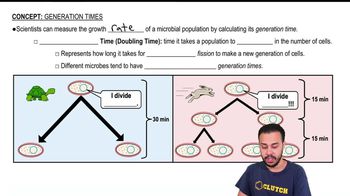
Generation Times

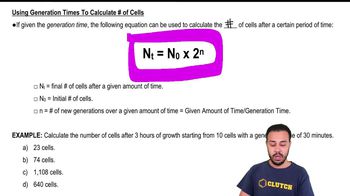
  • Calculating Generation Times
    05:48
  • Generation Times
    02:54

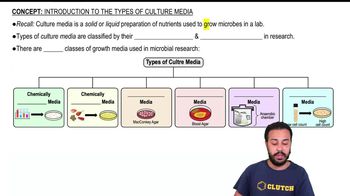
Introduction to the Types of Culture Media

  • Introduction to the Types of Culture Media
    02:42

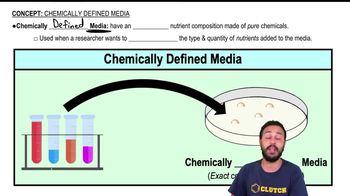
Chemically Defined Media

  • Chemically Defined Media
    01:53

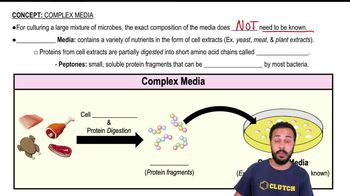
Complex Media

  • Complex Media
    02:59

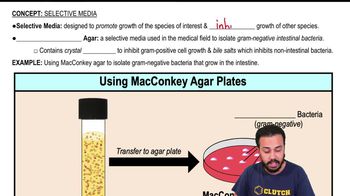
Selective Media

  • Selective Media
    03:27

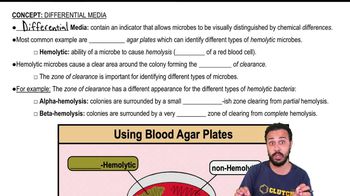
Differential Media

  • Differential Media
    04:34

Introduction to Controlling Microbial Growth

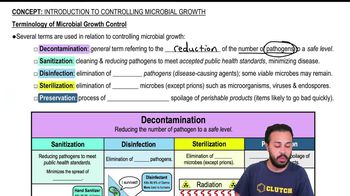
  • Terminology of Microbial Growth Control
    07:36
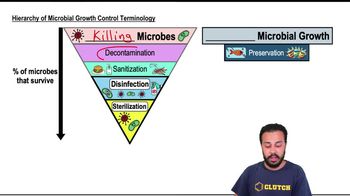
  • Hierarchy of Microbial Growth Control Terminology
    03:09
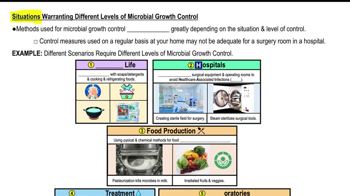
  • Situations Warranting Different Levels of Microbial Growth Control
    05:58

Selecting a Method to Control Microbial Growth

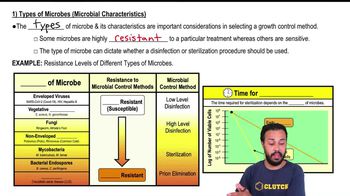
  • Types of Microbes (Microbial Characteristics)
    07:24
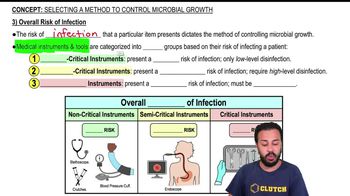
  • Overall Risk of Infection
    04:52
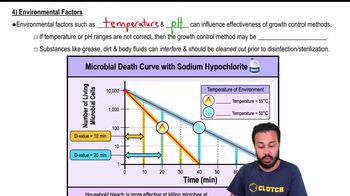
  • Environmental Factors
    04:18

Physical Methods to Control Microbial Growth

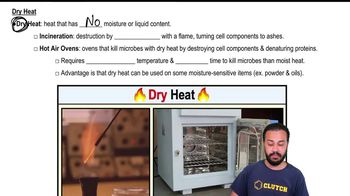
  • Dry Heat
    02:58
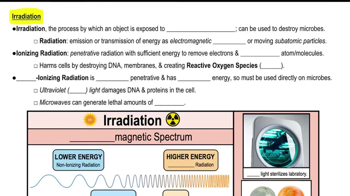
  • Irradiation
    06:18
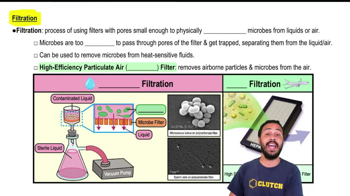
  • Filtration
    04:29

Chemical Methods to Control Microbial Growth

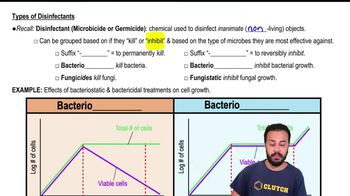
  • Types of Disinfectants
    05:21
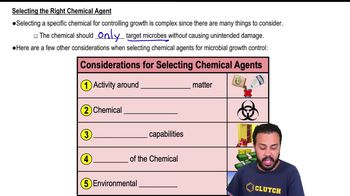
  • Selecting the Right Chemical Agent
    04:52
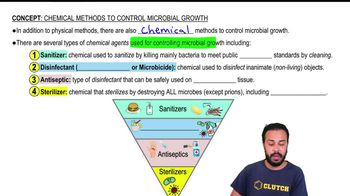
  • Chemical Methods to Control Microbial Growth
    03:58

Liquid Chemicals: Alcohols, Aldehydes, & Biguanides

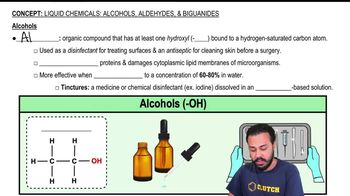
  • Alcohols
    03:39
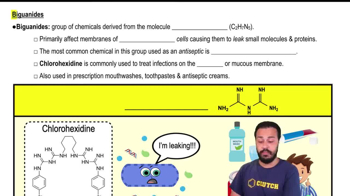
  • Biguanides
    02:41
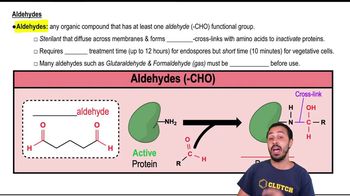
  • Aldehydes
    03:59

Liquid Chemicals: Halogens

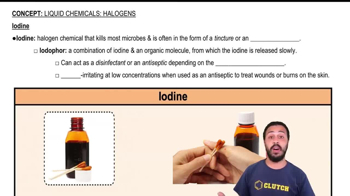
  • Iodine
    02:15
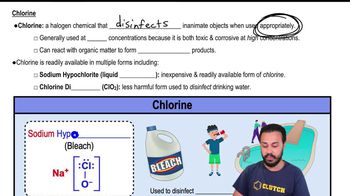
  • Chlorine
    03:16
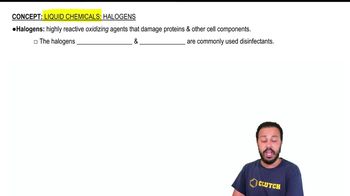
  • Liquid Chemicals: Halogens
    00:56

Chemical Gases: Ethylene Oxide, Ozone, & Formaldehyde

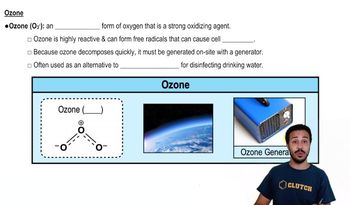
  • Ozone
    02:36
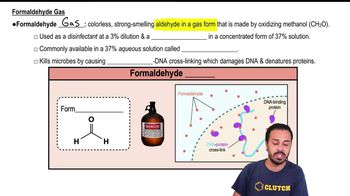
  • Formaldehyde Gas
    02:56
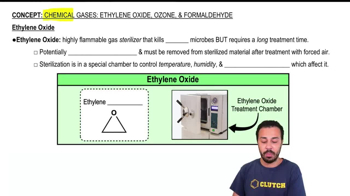
  • Chemical Gases: Ethylene Oxide
    03:22

Introduction to Antimicrobial Drugs

  • Guided course
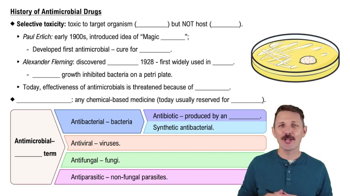
    History of Antimicrobial Drugs
    05:33

How Antimicrobial Drugs Work

  • Guided course
    Selective Toxicity
    05:27
  • Guided course
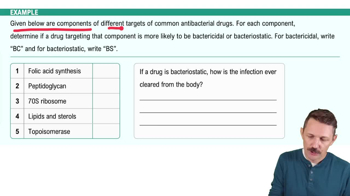
    How Antimicrobial Drugs Work Example 1
    03:28

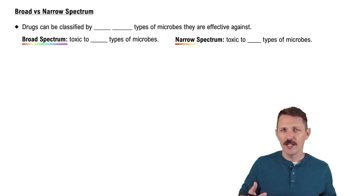
Broad vs Narrow Spectrum Drugs

  • Guided course
    Broad vs Narrow Spectrum
    04:05

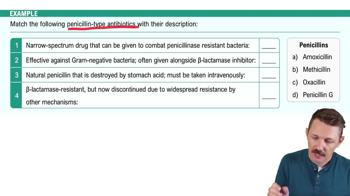
Inhibitors of Cell Wall Synthesis: Beta-lactam & Penicillin

  • Guided course
    Inhibitors of Cell Wall Synthesis: Beta-lactam & Penicillin Example 3
    04:02
  • Guided course
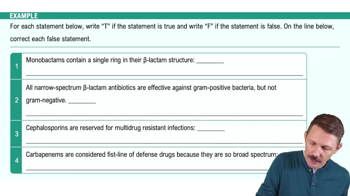
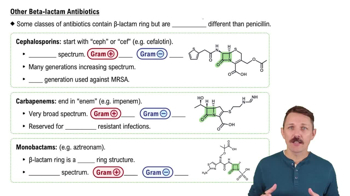
    Other Beta-lactam Antibiotics
    04:51
  • Inhibitors of Cell Wall Synthesis: Beta-lactam & Penicillin Example 2
    02:21

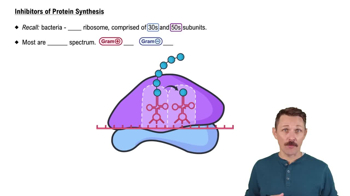
Inhibitors of Protein Synthesis

  • Guided course
    Inhibitors of Protein Synthesis
    05:25
  • Guided course
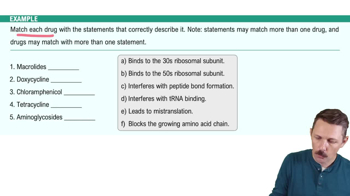
    Inhibitors of Protein Synthesis Example 1
    03:04

Disruptors of Cell Membranes

  • Guided course
    Disruptors of Cell Membranes
    04:03

Inhibitors of Nucleic Acid Synthesis

  • Guided course
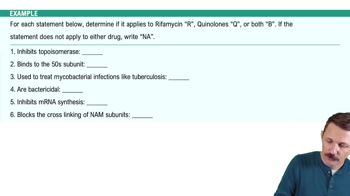
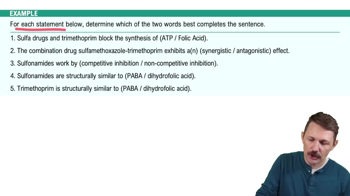
    Inhibitors of Nucleic Acid Synthesis Example 1
    02:21
  • Guided course
    Inhibitors of Nucleic Acid Synthesis
    05:01

Competitive Inhibitors of Metabolic Pathways

  • Guided course
    Competitive Inhibitors of Metabolic Pathways Example 1
    02:36
  • Guided course
    Sulfa Drugs & Folic Acid Synthesis
    05:22

Antimicrobial Resistance

  • Guided course
    Types of Resistance Mechanisms
    05:04
  • Guided course
    Spread of Antibiotic Resistance
    04:45
  • Guided course
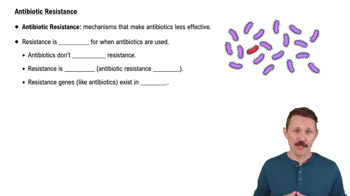
    Antibiotic Resistance
    03:45