Back

Comprehensive Study Notes: Microbiology Laboratory Techniques, Microbial Diversity, and Diagnostic Methods

Study Guide - Learn with Videos

Curated lessons matched to your uploaded material – learn every topic step by step.

Introduction to Microbiology

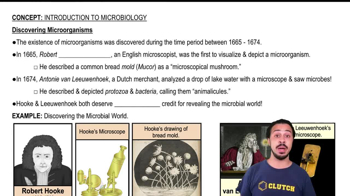
  • Discovering Microorganisms
    03:36
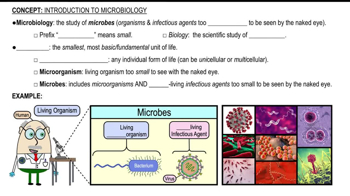
  • Introduction to Microbiology
    07:27
  • Introduction to Microbiology Channel
    1:29

Introduction to Cultivating Microbial Growth

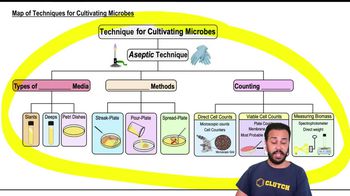
  • Map of Techniques for Cultivating Microbes
    02:05
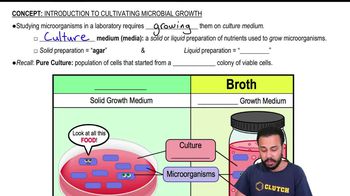
  • Introduction to Cultivating Microbial Growth
    03:49

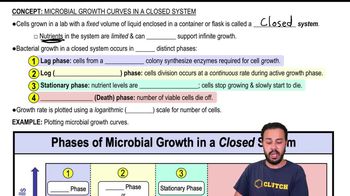
Microbial Growth Curves in a Closed System

  • Microbial Growth Curves in a Closed System
    08:59
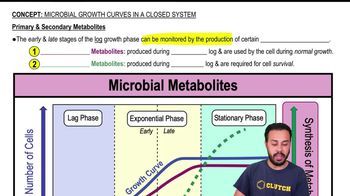
  • Primary & Secondary Metabolites
    02:33

Introduction to Microscopes

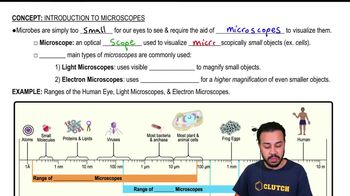
  • Introduction to Microscopes
    06:13

Magnification, Resolution, & Contrast

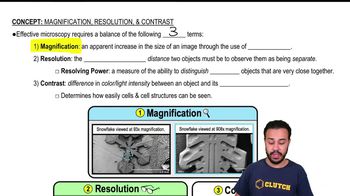
  • Magnification, Resolution, & Contrast
    07:29

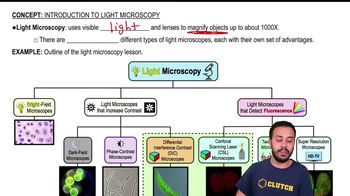
Introduction to Light Microscopy

  • Introduction to Light Microscopy
    02:53

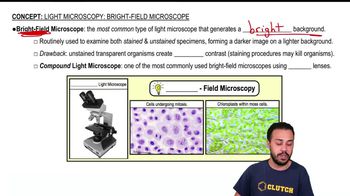
Light Microscopy: Bright-Field Microscopes

  • Light Microscopy: Bright-Field Microscopes
    03:46
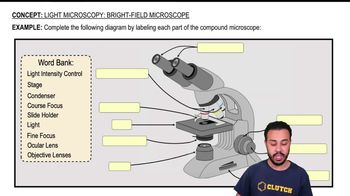
  • Light Microscopy: Bright-Field Microscopes Example 1
    03:41
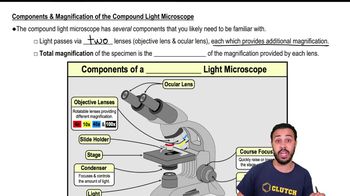
  • Components & Magnification of the Compound Light Microscope
    06:15

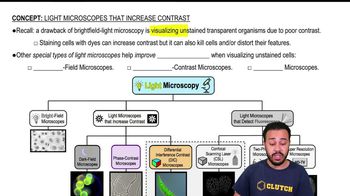
Light Microscopes that Increase Contrast

  • Light Microscopes that Increase Contrast
    02:39
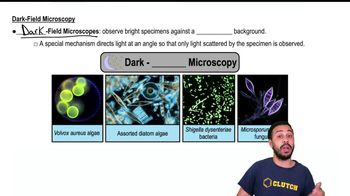
  • Dark-Field Microscopy
    01:52
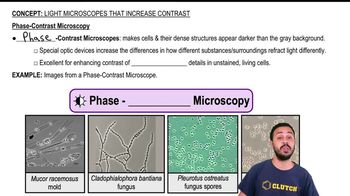
  • Phase-Contrast Microscopy
    03:27

Electron Microscopes

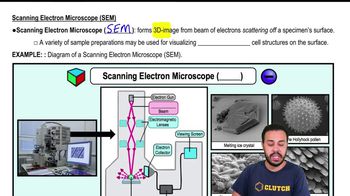
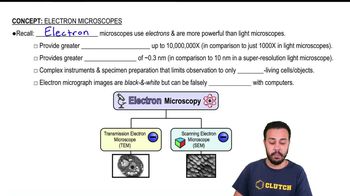
  • Scanning Electron Microscope (SEM)
    02:42
  • Electron Microscopes
    03:08
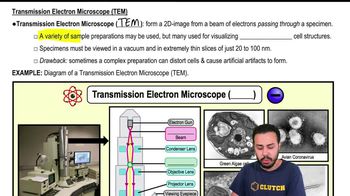
  • Transmission Electron Microscope (TEM)
    04:23

Bacterial Cell Morphology & Arrangements

  • Types of Bacterial Cell Morphology
    02:44
  • Bacterial Cell Morphology & Arrangements
    01:13
  • Bacilli Bacterial Cell Arrangements
    03:56

Simple Staining

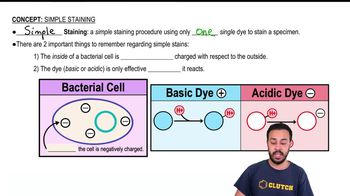
  • Simple Staining
    03:23
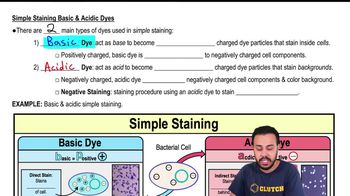
  • Simple Staining Basic & Acidic Dyes
    05:30

Gram Stain

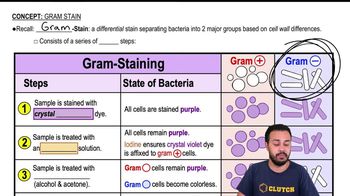
  • Gram Stain
    04:57

Carbohydrates

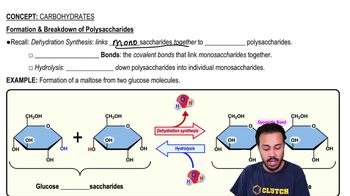
  • Formation & Breakdown of Polysaccharides
    03:08
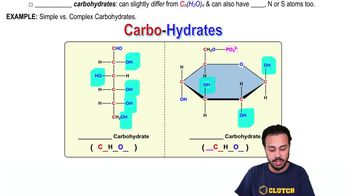
  • Carbohydrates
    04:53
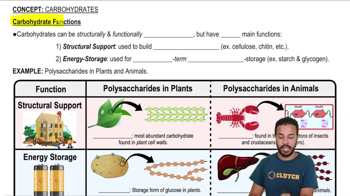
  • Carbohydrate Functions
    04:48

Cell Envelope & Biological Membranes

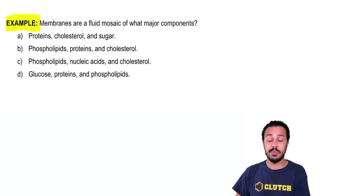
  • Cell Envelope & Biological Membranes Example 1
    02:21
  • Biological Membranes
    02:10
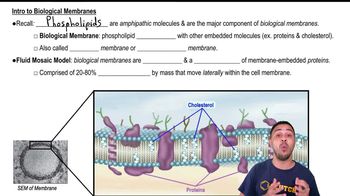
  • Intro to Biological Membranes
    06:16

Differential Staining

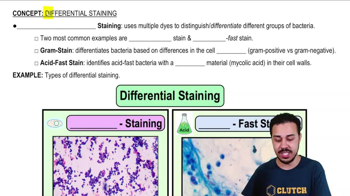
  • Differential Staining
    04:07

Monomers & Polymers

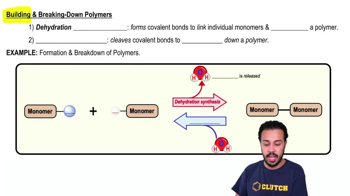
  • Building & Breaking-Down Polymers
    04:18
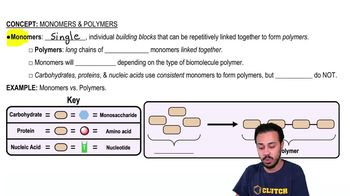
  • Monomers & Polymers
    03:42

Chemically Defined Media

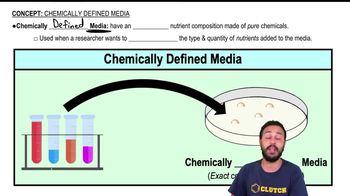
  • Chemically Defined Media
    01:53

Types of Solid Culture Media

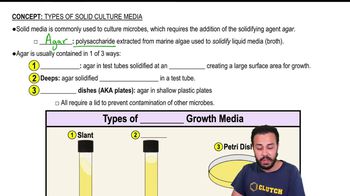
  • Types of Solid Culture Media
    03:16

Plating Methods

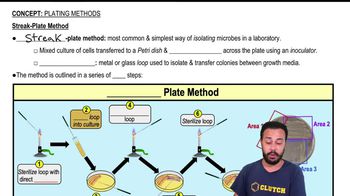
  • Streak-Plate Method
    05:16
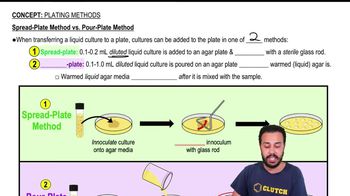
  • Spread-Plate Method vs. Pour-Plate Method
    05:36
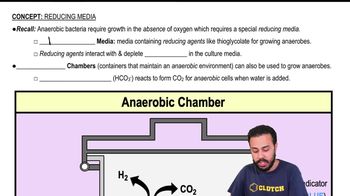
Reducing Media

  • Reducing Media
    02:55

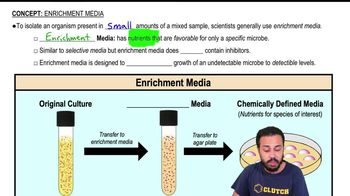
Enrichment Media

  • Enrichment Media
    04:20

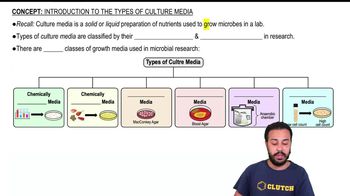
Introduction to the Types of Culture Media

  • Introduction to the Types of Culture Media
    02:42

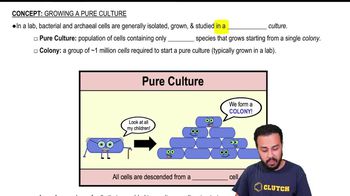
Growing a Pure Culture

  • Growing a Pure Culture
    02:58

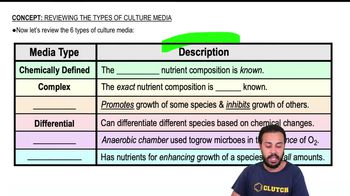
Reviewing the Types of Culture Media

  • Reviewing the Types of Culture Media
    02:55

Introduction to Membrane Transport

  • Map of the Lesson on Membrane Transport
    02:26
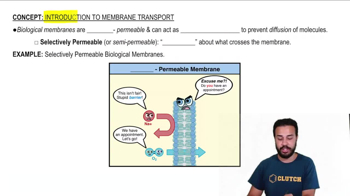
  • Introduction to Membrane Transport
    03:00
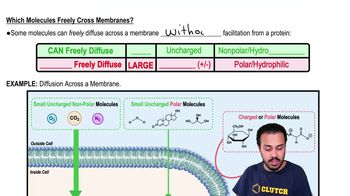
  • Which Molecules Freely Cross Membranes?
    05:31

Active Transport

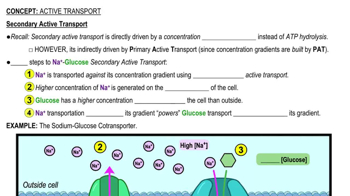
  • Secondary Active Transport
    06:57
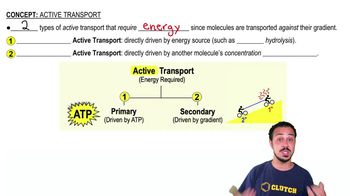
  • Active Transport
    02:37
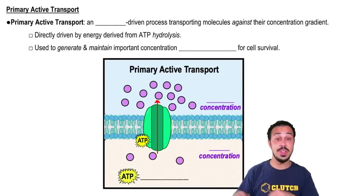
  • Primary Active Transport
    02:53

ABC Transporters

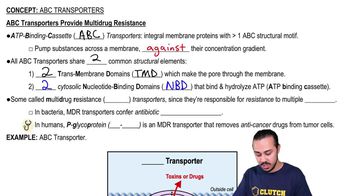
  • ABC Transporters Provide Multidrug Resistance
    06:20

Group Translocation

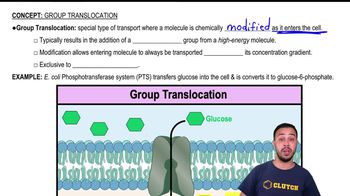
  • Group Translocation
    03:37

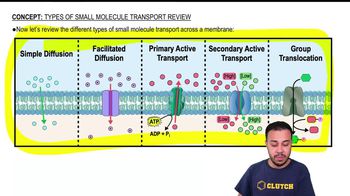
Types of Small Molecule Transport Review

  • Types of Small Molecule Transport Review
    04:55

Endocytosis and Exocytosis

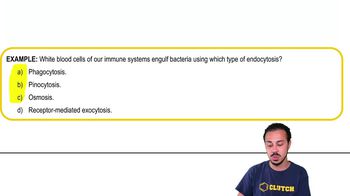
  • Endocytosis and Exocytosis Example 1
    01:52
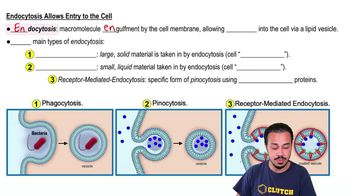
  • Endocytosis Allows Entry to the Cell
    04:17
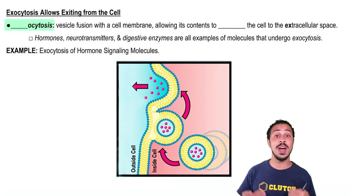
  • Exocytosis Allows Exiting from the Cell
    02:28

Prokaryotic & Eukaryotic Cells

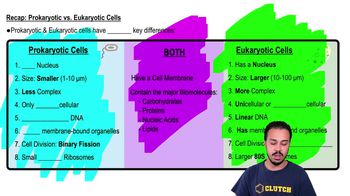
  • Recap:Prokaryotic vs. Eukaryotic Cells
    04:26
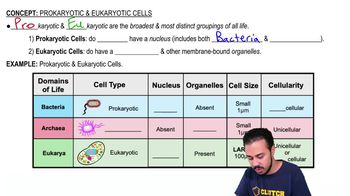
  • Prokaryotic & Eukaryotic Cells
    05:54
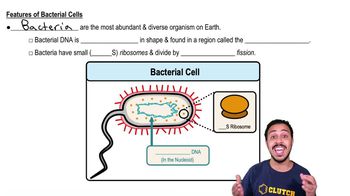
  • Features of Bacterial Cells
    03:54

Binary Fission

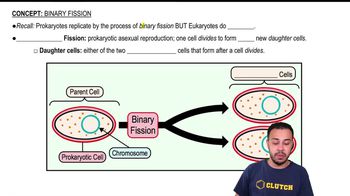
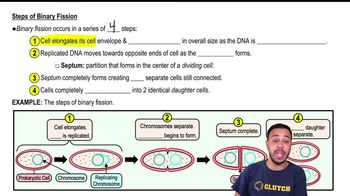
  • Binary Fission
    02:16
  • Steps of Binary Fission
    04:57

Generation Times

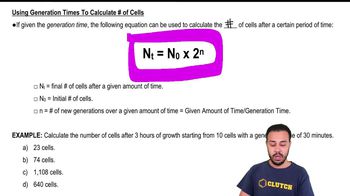
  • Calculating Generation Times
    05:48
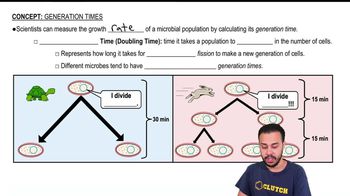
  • Generation Times
    02:54

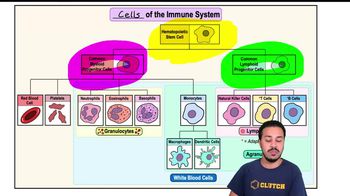
Introduction to Cells of the Immune System

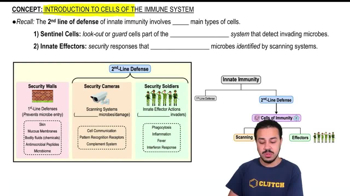
  • Introduction to Cells of the Immune System
    03:27
  • Map of the Lesson on Cells of the Immune System
    06:08
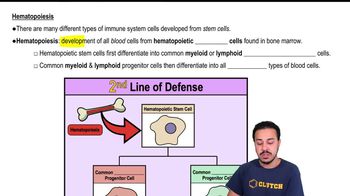
  • Hematopoiesis
    02:33

Cells of the Immune System: Granulocytes

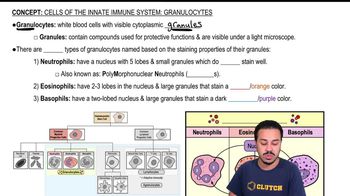
  • Granulocytes
    03:32
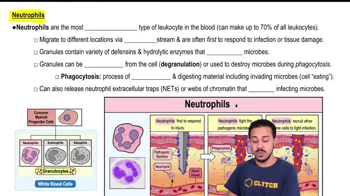
  • Neutrophils
    05:32
  • Basophils
    03:23

Cells of the Immune System: Agranulocytes

  • Monocytes
    07:16
  • Introduction to Lymphocytes
    03:51
  • Agranulocytes
    03:43

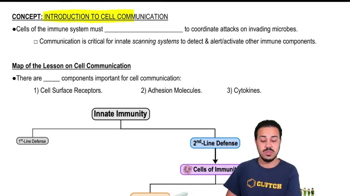
Introduction to Cell Communication

  • Introduction to Cell Communication
    02:59

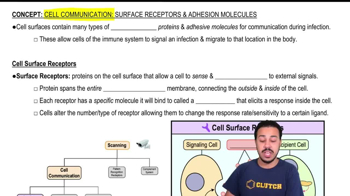
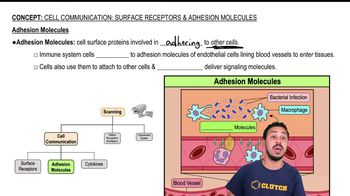
Cell Communication: Surface Receptors & Adhesion Molecules

  • Cell Surface Receptors
    04:05
  • Adhesion Molecules
    02:58

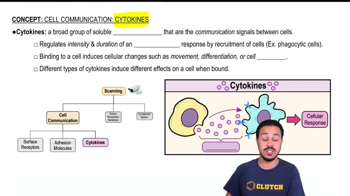
Cell Communication: Cytokines

  • Cytokines
    02:59
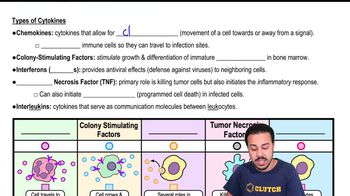
  • Types of Cytokines
    06:08
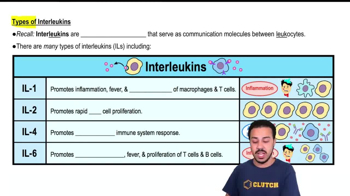
  • Types of Interleukins
    02:14

Pattern Recognition Receptors (PRRs)

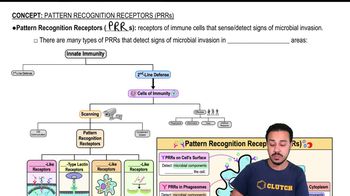
  • Pattern Recognition Receptors
    04:24
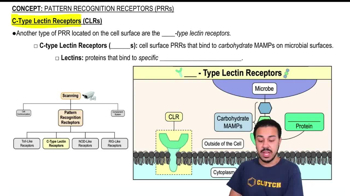
  • C-Type Lectin Receptors
    02:46
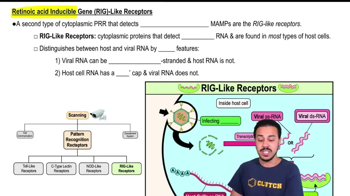
  • Retinoic acid Inducible Gene (RIG)-Like Receptors
    04:02

Introduction to the Complement System

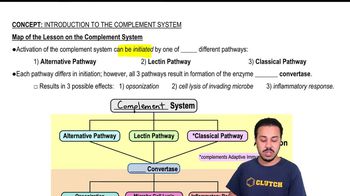
  • Map of the Lesson on the Complement System
    03:25
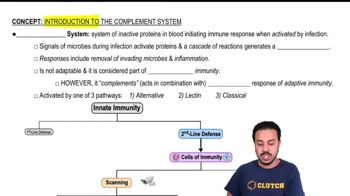
  • Introduction to the Complement System
    04:25
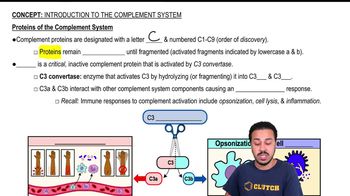
  • Proteins of the Complement System
    04:16

Activation Pathways of the Complement System

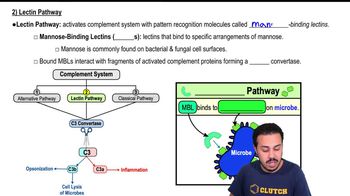
  • 2) Lectin Pathway
    03:04
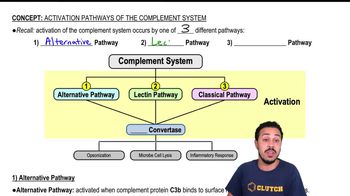
  • 1) Alternative Pathway
    04:40
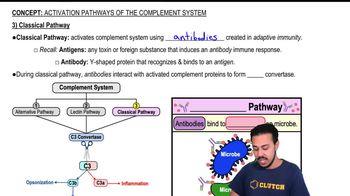
  • 3) Classical Pathway
    03:42

Effects of the Complement System

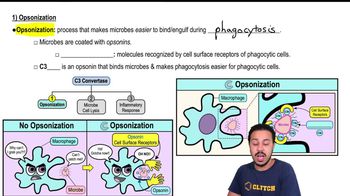
  • 1) Opsonization
    04:09
  • 2) Cell Lysis of Invading Microbes
    03:18
  • Effects of the Complement System
    01:32

Review of the Complement System

  • Review of the Complement System
    05:15

Phagoctytosis

  • Steps of Phagocytosis
    08:57
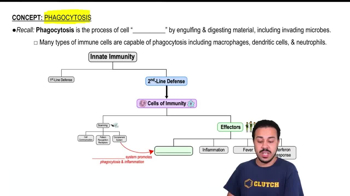
  • Phagoctytosis
    02:19

Introduction to Inflammation

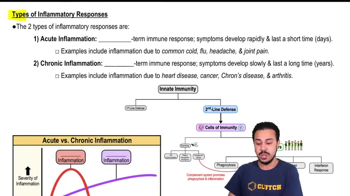
  • Types of Inflammatory Responses
    02:52
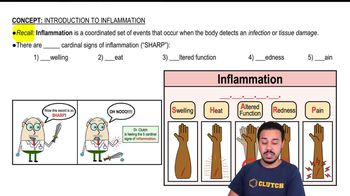
  • Introduction to Inflammation
    01:38
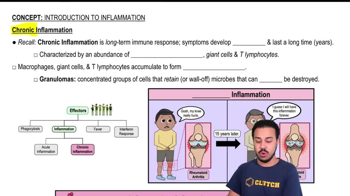
  • Chronic Inflammation
    03:09

Steps of the Inflammatory Response

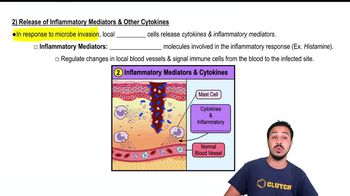
  • 2) Release of Inflammatory Mediators & Other Cytokines
    02:15
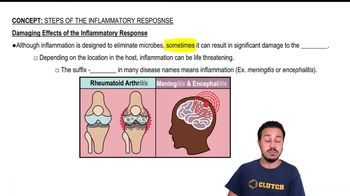
  • Damaging Effects of the Inflammatory Response
    02:10
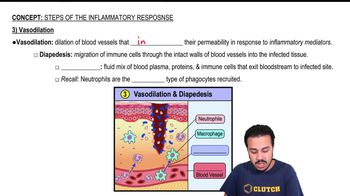
  • 3) Vasodilation
    02:39

Fever

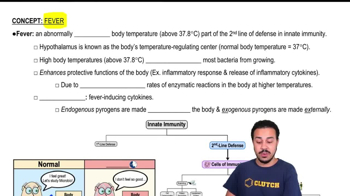
  • Fever
    03:57

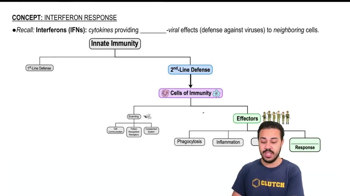
Interferon Response

  • Interferon Response
    01:32
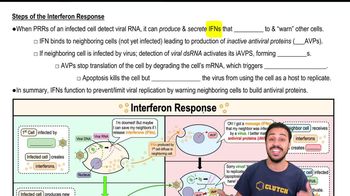
  • Steps of the Interferon Response
    09:59

Introduction to Adaptive Immunity

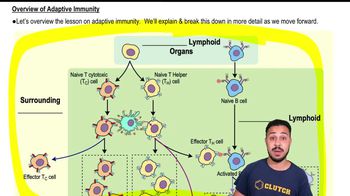
  • Overview of Adaptive Immunity
    04:57
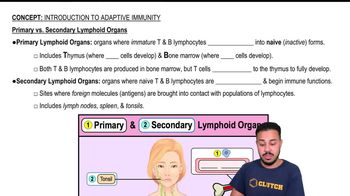
  • Primary vs. Secondary Lymphoid Organs
    04:58
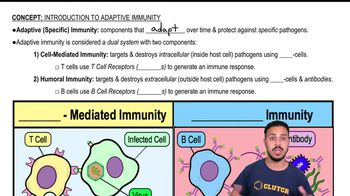
  • Introduction to Adaptive Immunity
    05:47

Antigens

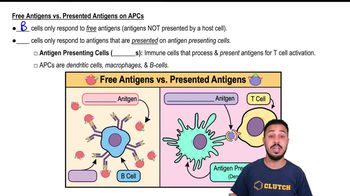
  • Free Antigens vs. Presented Antigens on APCs
    04:11
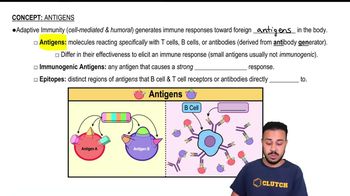
  • Antigens
    03:59

Introduction to Microbial Genetics

  • Map of the Lesson on Microbial Genetics
    02:04
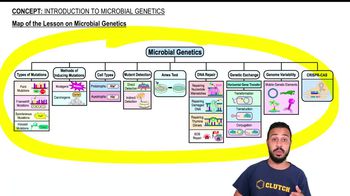
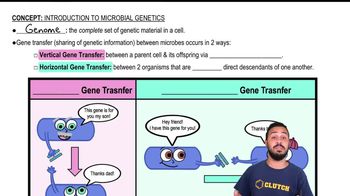
  • Introduction to Microbial Genetics
    04:20

Methods of Inducing Mutations

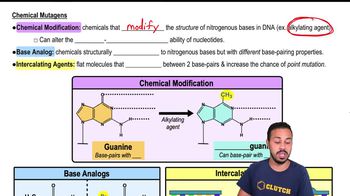
  • Chemical Mutagens
    05:13
  • Radiation Mutagens
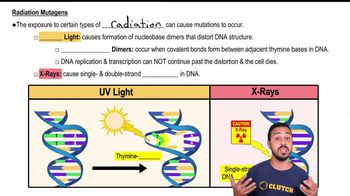
    02:55
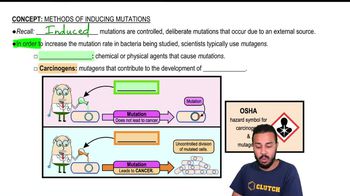
  • Methods of Inducing Mutations
    03:19

Introduction to Polymerase Chain Reaction

  • Introduction to Polymerase Chain Reaction
    01:31
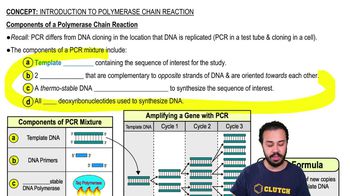
  • Components of a Polymerase Chain Reaction
    05:57
  • Why do we use PCR?
    02:53

Introduction to DNA Sequencing

  • Introduction to DNA Sequencing
    02:13
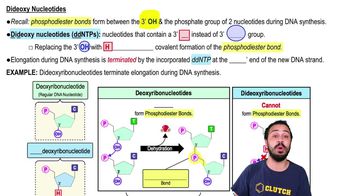
  • Dideoxy Nucleotides
    05:12

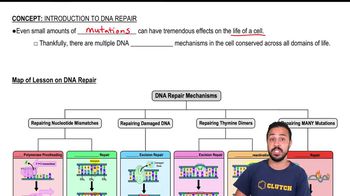
Introduction to DNA Repair

  • Introduction to DNA Repair
    02:47

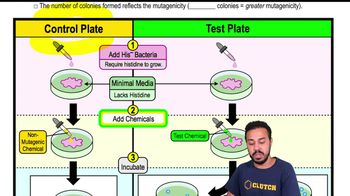
The Ames Test

  • The Ames Test
    06:59

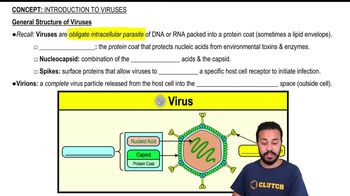
Introduction to Viruses

  • General Structure of Viruses
    04:47
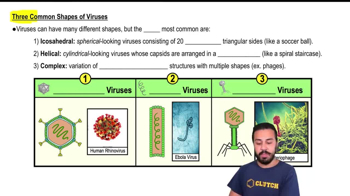
  • Three Common Shapes of Viruses
    03:19
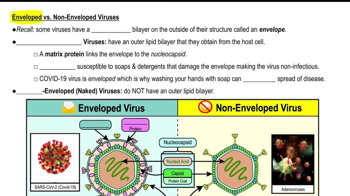
  • Enveloped vs. Non-Enveloped Viruses
    05:09

Introduction to Bacteriophage Infections

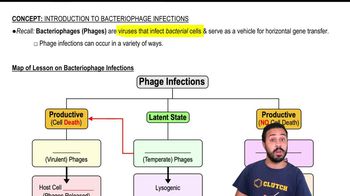
  • Map of Lesson on Bacteriophage Infections
    03:52
  • Productive vs. Latent State Infections
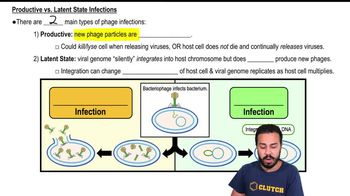
    04:09
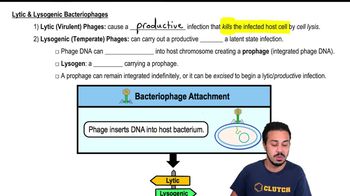
  • Lytic & Lysogenic Bacteriophages
    04:34

Plaque Assays

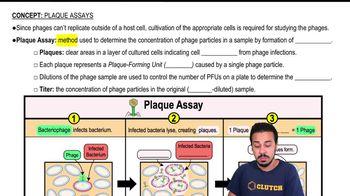
  • Plaque Assays
    04:21

Introduction to Animal Virus Infections

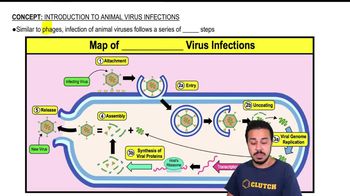
  • Introduction to Animal Virus Infections
    02:33
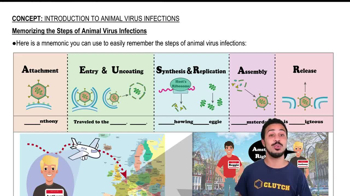
  • Memorizing the Steps of Animal Virus Infections
    01:40

Animal Viruses: 1. Attachment to the Host Cell

  • Animal Viruses: 1. Attachment to the Host Cell
    03:12

Animal Viruses: 2. Entry & Uncoating in the Host Cell

  • Entry & Uncoating by Endocytosis
    02:29
  • Animal Viruses: 2. Entry & Uncoating in the Host Cell
    04:29
  • Entry & Uncoating of Enveloped Viruses by Membrane Fusion
    02:59

Animal Viruses: 3. Synthesis & Replication

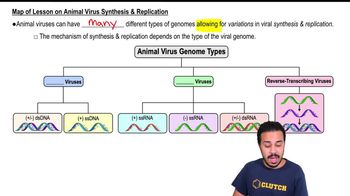
  • Map of Lesson on Animal Virus Synthesis & Replication
    03:34
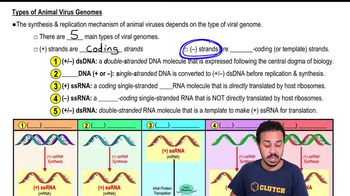
  • Types of RNA Virus Genomes
    10:46
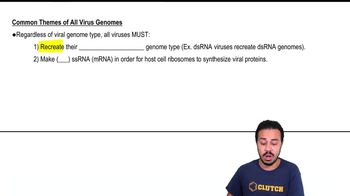
  • Common Themes of All Virus Genomes
    02:58

Animal Viruses: DNA Virus Synthesis & Replication

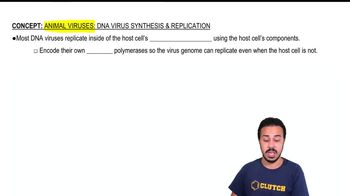
  • Animal Viruses: DNA Virus Synthesis & Replication
    01:10
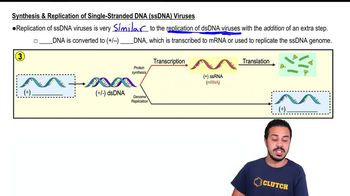
  • Replication of Single-Stranded DNA (ssDNA) Viruses
    04:12
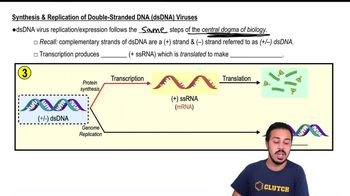
  • Replication of Double-Stranded DNA (dsDNA) Viruses
    03:58

Animal Viruses: RNA Virus Synthesis & Replication

  • Animal Viruses: RNA Virus Synthesis & Replication
    01:30
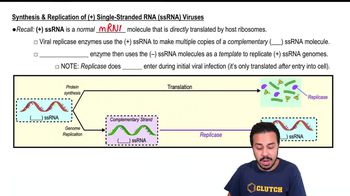
  • Replication of (+) Single Strand RNA (ssRNA) Viruses
    03:52
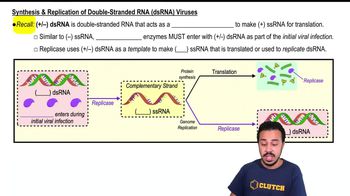
  • Replication of Double-Stranded RNA Viruses
    04:28

Animal Viruses: Antigenic Drift vs. Antigenic Shift

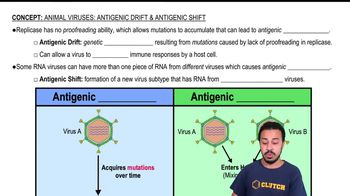
  • Animal Viruses: Antigenic Drift vs. Antigenic Shift
    05:27

Animal Viruses: Reverse-Transcribing Virus Synthesis & Replication

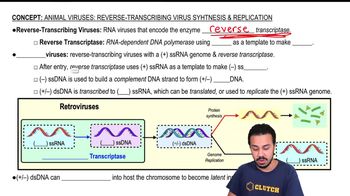
  • Animal Viruses: Reverse-Transcribing Virus Synthesis & Replication
    04:28

Animal Viruses: 4. Assembly Inside Host Cell

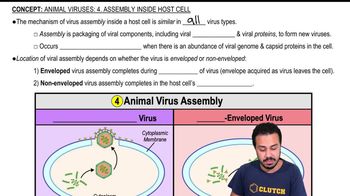
  • Animal Viruses: 4. Assembly Inside Host Cell
    04:26

Animal Viruses: 5. Release from Host Cell

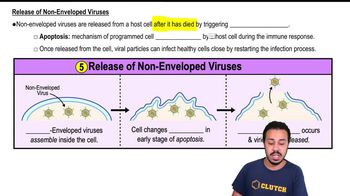
  • Release of Non-Enveloped Viruses
    02:34
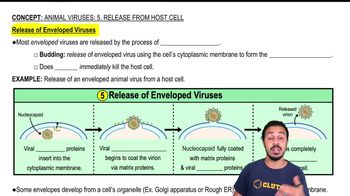
  • Release of Enveloped Viruses
    05:08

Functional Groups

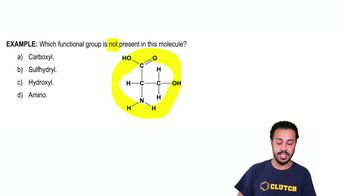
  • Functional Groups Example 1
    02:00
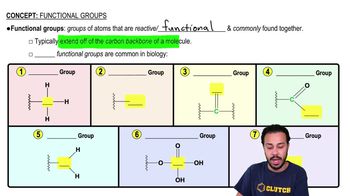
  • Functional Groups
    06:04

First-Line Defenses: Chemical Barriers

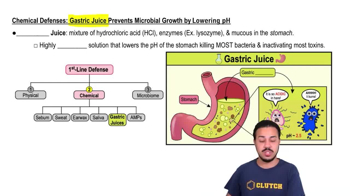
  • Chemical Defenses: Gastric Juice Prevents Microbial Growth by Lowering pH
    02:07
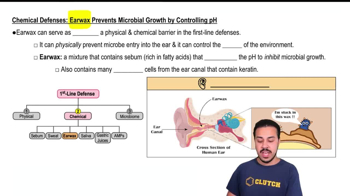
  • Chemical Defenses: Earwax Prevents Microbial Growth by Controlling pH
    02:18
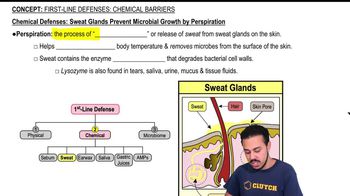
  • Chemical Defenses: Sweat Glands Prevent Microbial Growth by Perspiration
    02:04

First-Line Defenses: Normal Microbiota

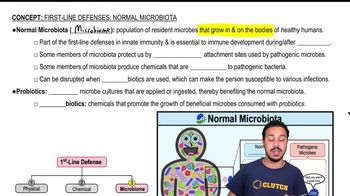
  • Normal Microbiota
    03:43

Introduction to Cells of the Immune System

  • Introduction to Cells of the Immune System
    03:27
  • Map of the Lesson on Cells of the Immune System
    06:08
  • Hematopoiesis
    02:33

Cells of the Immune System: Granulocytes

  • Granulocytes
    03:32
  • Neutrophils
    05:32
  • Basophils
    03:23

Biofilms

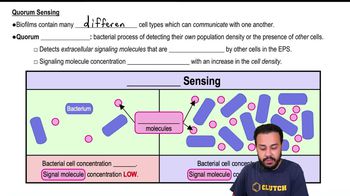
  • Quorum Sensing
    04:13
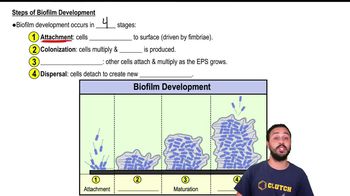
  • Steps of Biofilm Development
    04:32
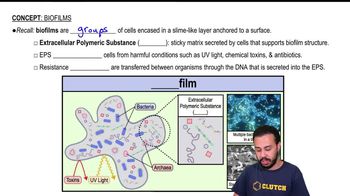
  • Biofilms
    03:14

Introduction to Cultivating Microbial Growth

  • Map of Techniques for Cultivating Microbes
    02:05
  • Introduction to Cultivating Microbial Growth
    03:49

Introduction to Microbial Genetics

  • Map of the Lesson on Microbial Genetics
    02:04
  • Introduction to Microbial Genetics
    04:20

Microbial Growth Curves in a Closed System

  • Microbial Growth Curves in a Closed System
    08:59
  • Primary & Secondary Metabolites
    02:33

Introduction to Controlling Microbial Growth

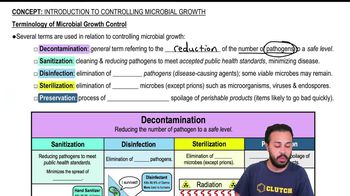
  • Terminology of Microbial Growth Control
    07:36
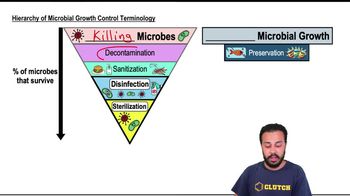
  • Hierarchy of Microbial Growth Control Terminology
    03:09
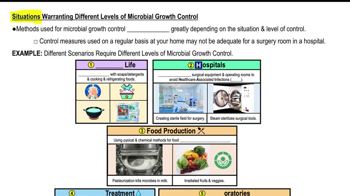
  • Situations Warranting Different Levels of Microbial Growth Control
    05:58

Introduction to Antimicrobial Drugs

  • Guided course
    History of Antimicrobial Drugs
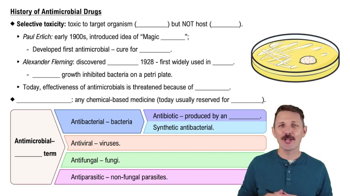
    05:33

Introduction to Immunity

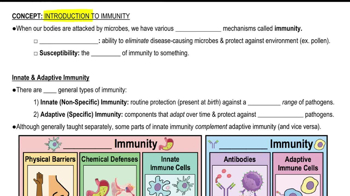
  • Innate vs. Adaptive Immunity
    05:52
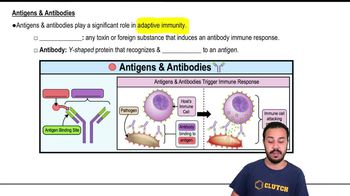
  • Antigens & Antibodies
    02:58

Introduction to Innate Immunity

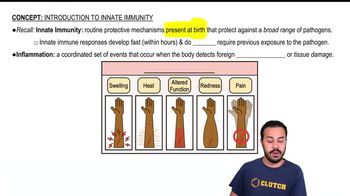
  • Introduction to Innate Immunity
    02:30
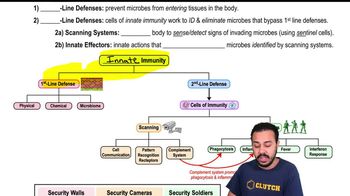
  • Map of Lesson on Innate Immunity
    06:42

Introduction to Adaptive Immunity

  • Overview of Adaptive Immunity
    04:57
  • Primary vs. Secondary Lymphoid Organs
    04:58
  • Introduction to Adaptive Immunity
    05:47

Introduction to Vaccines

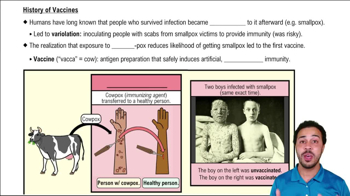
  • History of Vaccines
    04:19
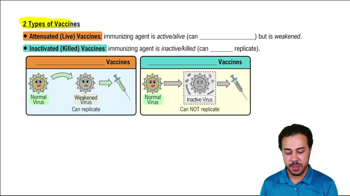
  • 2 Types of Vaccines
    02:03