Back
Comprehensive Study Notes: Viral Infections Relevant to Microbiology
Study Guide - Smart Notes
 Tailored notes based on your materials, expanded with key definitions, examples, and context.
Viral Skin Infections
Human Papilloma Virus (HPV)
HPV is a common virus responsible for warts and papillomas on the skin and mucous membranes. It is highly prevalent, with 1 in 4 Americans estimated to be infected. Certain strains (HPV 16 & 18) are associated with increased risk for various cancers.
Morphology: Icosahedral capsid, double-stranded circular DNA genome, non-enveloped.
Transmission: Direct contact (including sexual), fomites, and vertical transmission during vaginal birth.
Pathogenesis: Tropism for squamous epithelial cells; enters through skin defects and infects basal layer, replicating locally.
Signs & Symptoms: Many are asymptomatic but can shed virus. HPV 6 & 11 cause oral/genital warts; HPV 1 causes plantar warts; HPV 2 causes common warts (hands); HPV 3 causes flat warts (face).
Diagnosis: Clinical diagnosis, PCR.
Treatment & Prevention: Salicylate acid, cryotherapy, electrocautery, laser, excision, Cidofovir for immunocompromised patients. Gardasil 9 vaccine covers multiple HPV types.

Molluscum Contagiosum Virus (MCV)
MCV causes molluscum contagiosum, a common childhood disease that can also affect healthy adults.
Morphology: Brick-shaped capsid, double-stranded linear DNA genome, enveloped.
Transmission: Fomites, sexual contact, scratching/rubbing papules.
Pathogenesis: Pearly, umbilicated papules/nodules, painless, appearing alone or in clusters.
Diagnosis: Clinical diagnosis.
Treatment & Prevention: Cidofovir, cryotherapy, laser; self-limiting (6-18 months).
Coxsackie A Virus (CAV)
CAV is responsible for hand, foot, and mouth disease (HFMD) and hemorrhagic conjunctivitis, primarily affecting children under 5 years old.
Morphology: Icosahedral capsid, positive-sense single-stranded linear RNA genome, non-enveloped.
Transmission: Fecal-oral route, direct contact, fomites.
Pathogenesis: Enters mouth, replicates in oropharynx, viremia, manifests on skin.
Signs & Symptoms: Fever, painful blisters in throat, tongue, gums, hard palate, cheeks, palms, and soles (usually first appear in mouth).
Diagnosis: Clinical diagnosis.
Treatment & Prevention: Supportive care.
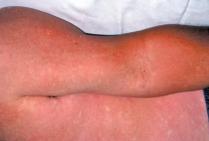
Classic Childhood Exanthems
Measles Virus (MeV)
Measles is a highly contagious viral disease historically affecting most children before vaccination programs.
Morphology: Helical capsid, negative-sense single-stranded linear RNA genome, enveloped.
Transmission: Aerosol droplets; only infects humans.
Pathogenesis: Inhaled droplets infect macrophages and dendritic cells, amplify in lymph nodes, viremia, target tissues.
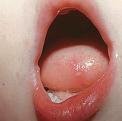
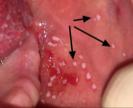
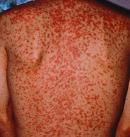
Signs & Symptoms: High fever, cough, coryza, conjunctivitis, photophobia, Koplik spots (lesions on buccal mucosa), maculopapular rash.
Diagnosis: Clinical diagnosis, IgM ELISA, RT-PCR.
Treatment & Prevention: Live attenuated vaccine (MMR/MMRV), IVIg for immunocompromised, vitamin A supplementation.
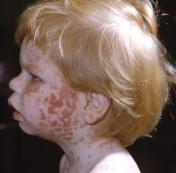
Rubella Virus
Rubella, also known as German measles, is a TORCH pathogen with significant risk for congenital rubella syndrome (CRS) if contracted during pregnancy.
Morphology: Icosahedral capsid, positive-sense single-stranded linear RNA genome, enveloped.
Transmission: Aerosol droplets.
Pathogenesis: CRS occurs when non-immune pregnant women contract the virus before conception or during the first trimester.
Signs & Symptoms: Low fever, sore throat, faint pruritic rash (post-congenital); CRS includes eye and ear defects, congenital cataracts, microphthalmia.
Diagnosis: Clinical diagnosis, IgM ELISA, intrauterine biopsy, RT-PCR.
Treatment & Prevention: Live attenuated vaccine (MMR/MMRV); vaccination recommended for women of childbearing age.
Parvovirus B19
Parvovirus B19 causes erythema infectiosum (Fifth disease), characterized by a "slapped-cheek" rash.
Morphology: Icosahedral capsid, single-stranded DNA genome, non-enveloped.
Transmission: Respiratory droplets, blood-borne, mother to fetus.
Pathogenesis: Infects and lyses erythroid precursor cells in bone marrow, can cause aplastic crisis in patients with chronic anemia.
Signs & Symptoms: Fever, coryza, arthralgia/arthritis, "slapped-cheek" rash, "lacy" rash on chest, back, buttocks, or limbs.
Diagnosis: Clinical diagnosis, IgM ELISA, PCR.
Treatment & Prevention: Supportive therapies, IVIg in serious cases.
Herpesviridae Family
General Features
Herpesviruses establish lifelong infection, with phases of primary infection, latency, and reactivation. Latency sites vary by virus type.
Primary Infection: Virus replicates and produces virions; person is infectious.
Latency: Virus persists without disease; not infectious. Latency sites: neurons (HSV-1, HSV-2, VZV), B lymphocytes (EBV, HHV8), T lymphocytes (HHV6, HHV7), monocytes/neutrophils (CMV).
Reactivation: May be subclinical; person is infectious. Disease may differ from primary infection (e.g., chickenpox → shingles).
All human herpesviruses infect for life.
Herpes Simplex Virus (HSV-1 & HSV-2)
HSV causes a range of diseases including oral herpes, genital herpes, herpetic whitlow, and herpes gladiatorum. It is highly prevalent worldwide.
Morphology: Icosahedral capsid, double-stranded linear DNA genome, enveloped.
Transmission: Saliva, vaginal secretions, vesicle/lesion fluid, mechanical inoculation.
Pathogenesis: Initial infection in mucoepithelial cells, latency in neurons.
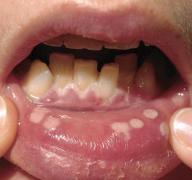
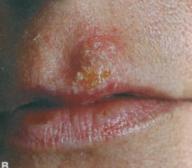
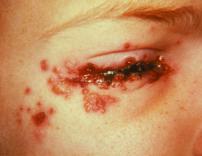
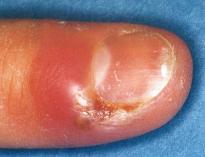
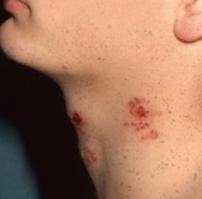
Signs & Symptoms: Fever, pain, vesicles that erode to form ulcers, reactivation causes sensitive skin and painful vesicles. Disease manifestations include herpes gingivostomatitis (oral sores), herpes labialis (cold sores), herpes keratitis (eye), herpetic whitlow (finger), herpes gladiatorum (skin), and genital herpes.
Diagnosis: Clinical diagnosis, ELISA, western blot, PCR.
Treatment & Prevention: Acyclovir (oral/topical), sun avoidance, PPE for healthcare workers.
Varicella Zoster Virus (VZV, HHV-3)
VZV causes chickenpox (varicella) and shingles (zoster). It is highly contagious and can reactivate later in life.
Morphology: Icosahedral capsid, double-stranded linear DNA genome, enveloped.
Transmission: Respiratory droplets, fomites, direct contact with lesions.
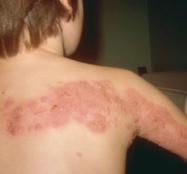
Pathogenesis: Chickenpox establishes latency in sensory neurons; reactivation causes shingles.
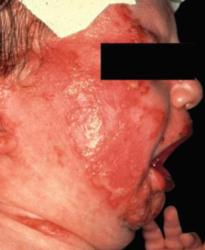
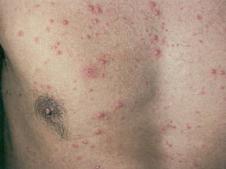
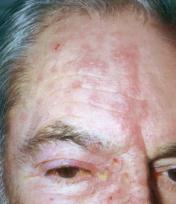
Signs & Symptoms: Chickenpox: maculopapular rash, "dew drop on a rose petal" vesicles. Shingles: severe pain, itching, numbness, vesicular rash in dermatomal pattern. Herpes zoster ophthalmicus affects the eye.
Diagnosis: Clinical diagnosis, PCR for irregular/severe cases.
Treatment & Prevention: Acyclovir, Varivax (chickenpox vaccine), Proquad (MMR + chickenpox), Zostavax and Shingrix (shingles vaccines).
Epstein-Barr Virus (EBV, HHV-4)
EBV causes infectious mononucleosis and is associated with several cancers. It establishes latency in B cells.
Morphology: Icosahedral capsid, double-stranded linear DNA genome, enveloped.
Transmission: Saliva, blood, organ transplants.
Pathogenesis: Infects B cells and epithelial cells of oropharynx; T cells attack infected B cells.
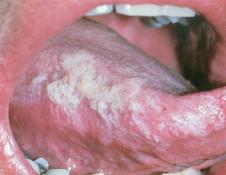
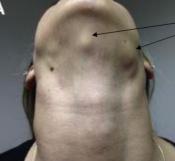
Signs & Symptoms: Fatigue, lymphadenopathy, pharyngitis, hepatosplenomegaly, periorbital edema. Oral hairy leukoplakia in immunocompromised patients.
Diagnosis: Monospot test, ELISA, PCR.
Treatment & Prevention: Self-limiting, no effective antivirals, no vaccine.
Cytomegalovirus (CMV, HHV-5)
CMV causes heterophile-negative infectious mononucleosis and is a major cause of prenatal damage.
Morphology: Icosahedral capsid, double-stranded linear DNA genome, enveloped.
Transmission: Congenital, oral, sexual, blood, organ transplants.
Pathogenesis: Latency in monocytes/neutrophils; clinical disease and reactivation in immunocompromised.
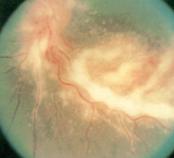
Signs & Symptoms: CMV retinitis (AIDS patients): floaters, flashes, blurry vision, retinal detachment.
Diagnosis: PCR, ELISA.
Treatment & Prevention: Ganciclovir, CytoGam, Vitrasert implant.
HHV-6 & HHV-7
These viruses cause roseola (Sixth disease), common in young children and babies.
Morphology: Icosahedral capsid, double-stranded linear DNA genome, enveloped.
Transmission: Saliva.
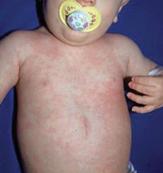
Pathogenesis: Rapid onset of high fever (~3 days), maculopapular rash over neck, trunk, rump.
Diagnosis: Clinical diagnosis.
Treatment & Prevention: Self-limiting.
HHV-8
HHV-8 is associated with Kaposi's sarcoma, a rare malignant neoplasm in immunocompromised individuals.
Morphology: Icosahedral capsid, double-stranded linear DNA genome, enveloped.
Transmission: Saliva, organ transplantation.
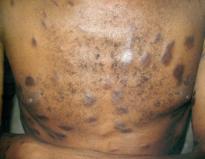
Pathogenesis: Patches of abnormal tissue grow under skin or mucous membranes.
Signs & Symptoms: Kaposi's sarcoma: abnormal tissue patches, often in mouth, nose, anus.
Diagnosis: Clinical diagnosis.
Treatment & Prevention: ART for HIV, IV ganciclovir or foscarnet may have some efficacy.
Animal Reservoir Viruses
Rabies Virus (RABV)
Rabies is a fatal viral disease transmitted by the bite of infected animals, with wild animals serving as reservoirs.
Morphology: Helical capsid, negative-sense single-stranded RNA genome, enveloped.
Transmission: Direct contact with saliva, usually via animal bite.
Pathogenesis: Incubation (muscle replication), prodrome (peripheral nerve infection), neurologic phase (brain and salivary gland infection).
Signs & Symptoms: Prodrome: fever, fatigue, pain at infection site. Neurologic: hydrophobia, seizures, agitation, paralysis, coma, death.
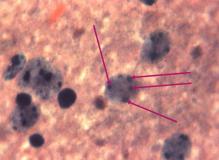
Diagnosis: RT-PCR, immunofluorescence, presence of Negri bodies in neurons.
Treatment & Prevention: Wound washing, IMIg, rabies vaccine, Milwaukee protocol, prophylactic vaccination for high-risk individuals.
Respiratory Viruses
Influenza Virus
Influenza causes seasonal epidemics and pandemics, with significant morbidity and mortality.
Morphology: Helical capsid, negative-sense single-stranded segmented RNA genome, enveloped.
Transmission: Respiratory droplets, fomites.
Pathogenesis: H and N spike proteins are major antigens; antigenic drift and shift cause epidemics and pandemics.
Signs & Symptoms: Fever, chills, headache, muscle aches, sore throat, coughing, sneezing, conjunctivitis.
Diagnosis: Clinical diagnosis, rapid flu test, RT-PCR.
Treatment & Prevention: Oseltamivir, baloxavir, killed and live attenuated vaccines.
The Common Cold
Several viruses cause the common cold, including rhinovirus, coronavirus, adenovirus, and RSV.
Rhinovirus: Acid-labile, optimum growth at 33°C, peaks in fall/spring. Transmission via respiratory secretions and fomites. Symptoms: sore throat, runny nose, cough, sneezing.
Coronavirus: Includes common cold strains and COVID-19. Transmission via respiratory secretions and fomites. Symptoms: fever, cough, headache, runny nose, sore throat, malaise.
Adenovirus: Causes conjunctivitis, keratoconjunctivitis, URT and GI disorders. Transmission via aerosols, direct contact, fomites, fecal-oral route. Symptoms: fever, malaise, cough, sore throat, conjunctivitis.
RSV: #1 cause of bronchiolitis and pneumonia in children <1 year. Transmission via respiratory droplets, fomites, saliva. Symptoms: runny nose, anorexia, cough, sneezing, fever, wheezing, cyanosis.
Viral GI Infections
Mumps Virus
Mumps causes parotitis and is highly contagious, with complications including orchitis, oophoritis, meningitis, and encephalitis.
Morphology: Spherical capsid, negative-sense single-stranded linear RNA genome, enveloped.
Transmission: Respiratory droplets, saliva, fomites.
Pathogenesis: Inoculation of respiratory tract, local replication, viremia, parotid gland infection.
Signs & Symptoms: Swelling of parotid gland, complications as above.
Diagnosis: Clinical diagnosis, RT-PCR, ELISA.
Treatment & Prevention: Live attenuated vaccine.
Rotavirus
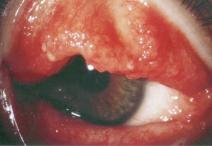
Rotavirus is the most common cause of severe diarrhea in unvaccinated children under 5 years old.
Morphology: Triple-layered icosahedral capsid, double-stranded segmented RNA genome, non-enveloped.
Transmission: Fecal-oral route, fomites.
Pathogenesis: Infects epithelial cells of small intestine villi, lytic infection, stimulation of enteric nervous system.
Signs & Symptoms: Vomiting, watery diarrhea, fever, abdominal pain, risk of dehydration.
Diagnosis: ELISA, latex agglutination, LFA, RT-PCR.
Treatment & Prevention: Fluid/electrolyte replacement, oral live vaccines (Rotarix, RotaTeq).
Norovirus
Norovirus is responsible for most non-bacterial gastroenteritis outbreaks, especially in closed environments like cruise ships.
Morphology: Icosahedral capsid, positive-sense single-stranded linear RNA genome, non-enveloped.
Transmission: Fecal-oral route, person-to-person, fomites.
Pathogenesis: Low infectious dose, environmentally stable, reinfection common.
Signs & Symptoms: Nausea, acute onset of non-bloody diarrhea, vomiting, abdominal cramping, myalgia, fever.
Diagnosis: Clinical diagnosis, RT-PCR.
Treatment & Prevention: Oral rehydration.
Hepatitis Viruses
Hepatitis A
HAV causes acute hepatitis but is not associated with chronic disease or hepatic cancer.
Morphology: Icosahedral capsid, positive-sense single-stranded linear RNA genome, non-enveloped.
Transmission: Fecal-oral route, person-to-person, contaminated food/water, sexual contact.
Signs & Symptoms: Fatigue, anorexia, nausea, vomiting, dark urine, clay-colored stool, hyperalbuminemia.
Diagnosis: ELISA, LFA, RT-PCR.
Treatment & Prevention: GamaSTAN S/D for PrEP/PEP, inactivated vaccine (Havrix, Vaqta), combo vaccine (Twinrix).
Hepatitis B
HBV is a major cause of chronic hepatitis and hepatocellular carcinoma worldwide.
Morphology: Double-shelled icosahedral/pleiomorphic capsid, single/double-stranded circular DNA genome, enveloped.
Transmission: Infected bodily fluids, sexual contact.
Pathogenesis: Chronic infection risk varies by age.
Diagnosis: ELISA, LFA, PCR.
Treatment & Prevention: Supportive care, PEG-IFN-alpha + tenofovir/entecavir for chronic infection, recombinant vaccines.
Hepatitis C
HCV is the most common chronic blood-borne infection in the US, with a high risk of chronic hepatitis and cirrhosis.
Morphology: Icosahedral capsid, positive-sense single-stranded linear RNA genome, enveloped.
Transmission: Parenteral/mucosal exposure to blood, needle stick injuries, vertical transmission, sexual contact.
Diagnosis: ELISA/LFA plus RT-PCR.
Treatment & Prevention: Mavygret (glecaprevir + pibrentasvir), no vaccine.
Flaviviridae Family
Dengue Virus (DENV)
Dengue fever is a major cause of morbidity and mortality in subtropical climates, transmitted by Aedes mosquitoes.
Morphology: Icosahedral capsid, positive-sense single-stranded linear RNA genome, enveloped.
Transmission: Mosquito bite.
Pathogenesis: Four serotypes; infection with one increases risk of severe disease with others.
Signs & Symptoms: Mild disease: fever, nausea, rash, aches. Severe: dengue hemorrhagic fever (DHF), shock syndrome.
Diagnosis: RT-PCR, LFA for NS1 antigen.
Treatment & Prevention: Supportive therapy, Dengvaxia for children in endemic areas.
Zika Virus (ZIKV)
Zika virus is a TORCH pathogen causing Zika fever and congenital Zika syndrome.
Morphology: Icosahedral capsid, positive-sense single-stranded linear RNA genome, enveloped.
Transmission: Mosquito bite, sexual contact, vertical transmission.
Pathogenesis: 80% asymptomatic; congenital syndrome includes microcephaly, brain tissue destruction, eye damage.
Diagnosis: RT-PCR, IgM/IgG LFA.
Treatment & Prevention: Supportive therapy.
Human Immunodeficiency Virus (HIV-1, HIV-2)
HIV causes AIDS and is a TORCH pathogen. It is unique in being diploid and mutates to infect different cell types.
Morphology: Conical capsid, positive-sense single-stranded linear RNA genome, enveloped.
Transmission: Sexual contact, needle stick injury, vertical transmission, breastfeeding.
Pathogenesis: GP120 binds CD4 and CCR5/CXCR4, infects macrophages, dendritic cells, T helper cells.
Opportunistic Infections: Bacterial (Salmonella, Mycobacterium), viral (Kaposi's sarcoma, CMV, HSV), fungal (PJP/PCP, histoplasmosis, coccidioidomycosis, candidiasis, cryptococcal meningitis).
Diagnosis: Anti-HIV Ab or HIV p24 Ag immunoassay, ELISA, RT-PCR.
Treatment & Prevention: ART (antiretroviral therapy) recommended for all HIV+ individuals; drug selection based on ART history.