 Back
BackConcepts of Infectious Disease and Epidemiology
Study Guide - Smart Notes
 Tailored notes based on your materials, expanded with key definitions, examples, and context.
Concepts of Infectious Disease
Host-Microbe Relationships
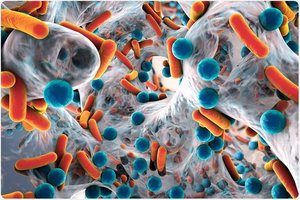
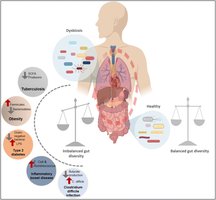
The interaction between a host (animal, plant, or human) and its resident microbes is fundamental to health and disease. Microbes associated with the host can be classified as either normal microbiota or pathogens.
Normal Microbiota (Mutualism/Commensalism): These microbes live on or within the host, providing benefits such as nutrient absorption, vitamin production (e.g., vitamin K, biotin), immune system regulation, and prevention of pathogen colonization.
Pathogens (Parasitism): Pathogens exploit host resources, often causing harm and leading to disease.
Host-Pathogen Relationships
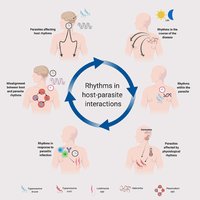
Pathogens interact with the host in a parasitic manner, benefiting at the host's expense and often causing illness. The outcome of infection depends on both pathogen virulence and host defenses.
Portals of Entry for Infectious Agents
Major Routes of Entry
Microbes enter the host through specific portals, each associated with characteristic diseases:
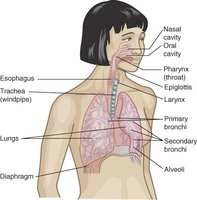
Respiratory Tract: Inhalation of aerosolized droplets (e.g., rhinoviruses, coronaviruses, influenza).
Gastrointestinal Tract: Ingestion via the fecal-oral route; microbes must resist stomach acidity (e.g., Salmonella typhi causing typhoid).
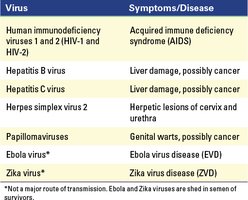
Genital Tract: Entry through abrasions or infection of reproductive tract cells (e.g., HIV, herpes simplex virus).
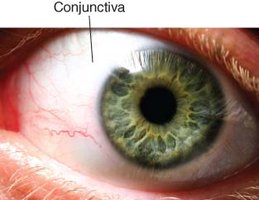
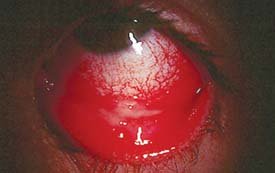
Conjunctiva: Infection of the eye's outer membrane (e.g., enterovirus type 70, Zika virus).
Parenteral Route: Direct introduction into tissues/blood via bites, needles, or wounds (e.g., hepatitis B/C, dengue).

Mechanisms of Pathogenesis
Stages of Pathogenesis
Pathogenesis describes the process by which microbes cause disease, involving several key stages:
Entry: Pathogen enters the host via a portal of entry.
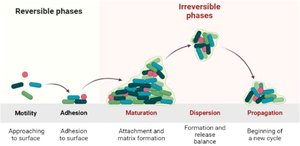
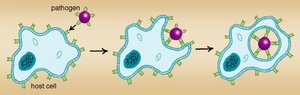
Adhesion: Pathogen attaches to host cells using adhesins, enabling colonization and tissue targeting (tropism). Attatcment is mediated by adhesins as this binds to specific hsot cell receptors (lock and key).
Invasion: Pathogen penetrates deeper tissues or cells, often using enzymes to break down barriers.
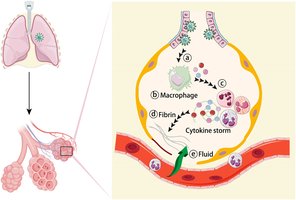
Infection and Damage: Pathogen multiplies, causing tissue injury through direct destruction, toxin release, or immune-mediated damage.
Evasion of Host Defenses: Pathogen avoids immune responses via capsules, antigenic variation, or immune suppression in order to survive and cause disease.
Exit and Transmission: Pathogen exits the host to infect new individuals.
Microbial Shedding and Environmental Survival
Microbial Shedding
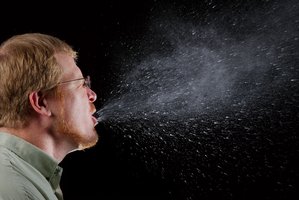
Microbes are released from the host into the environment through respiratory droplets, feces, sexual fluids, urine, or skin contact, facilitating transmission.
Environmental Survival
Microbial survival outside the host depends on factors such as microbe composition, presence in wastes, temperature, humidity, and pH. Viruses are often more stable in water than bacteria, increasing the risk of transmission via contaminated water or food.
Epidemiology of Infectious Diseases
Definition and Importance
Epidemiology is the scientific study of disease distribution and determinants in populations. It aims to identify health problems, determine causes, evaluate interventions, and inform public health policy.

Key Epidemiological Terms
Endemic: Disease consistently present at a steady level in a region.
Sporadic: Disease occurs irregularly and infrequently.
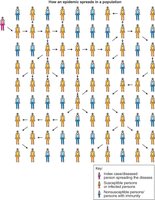
Epidemic: Sudden increase in disease cases above normal expectations.
Pandemic: Worldwide epidemic.
Morbidity: State of illness or disease.
Mortality: Deaths caused by a disease.
Incidence: Number of new cases in a specific period.
Prevalence: Total number of cases at a given time.
Etiological Agent: The causative pathogen.
Case Definition: Criteria for identifying disease cases.
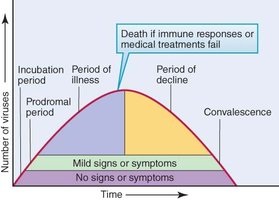
Incubation Period: Time from infection to symptom onset.
Prodromal Period: Early, mild symptoms phase.
Communicable Period: Time when an individual is contagious.
Convalescence: Recovery period after illness.
Mode of Transmission: How disease spreads (direct/indirect).
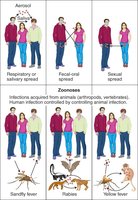
Zoonosis: Disease transmissible from animals to humans.
Infectious Dose: Minimum number of microbes needed to cause disease.
Virulence: Severity of disease caused by a pathogen.
Pathogenicity: Ability to cause disease.
R-nought (R0): Basic reproduction number, indicating transmission potential.
Modes of Transmission
Direct Transmission: Physical contact (e.g., hands, sexual contact, saliva).
Indirect Transmission: Via intermediates such as air, vectors (insects), ingestion, or fomites (contaminated objects).
Chain of Infection
The chain of infection describes the sequence of events allowing infection to spread, including portals of exit and entry. Breaking the chain at any point can prevent disease transmission.
Herd Immunity and Disease Prevention
Concept of Herd Immunity
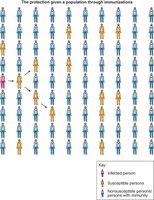
When a large proportion of a population is immune (via vaccination or genetic resistance), the spread of contagious diseases is limited, protecting susceptible individuals and preventing epidemics.
Prevention and Containment
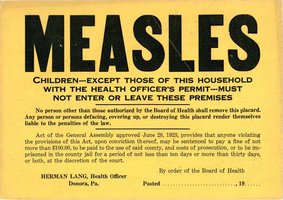
Quarantine: Separation of healthy individuals exposed to disease to prevent spread.
Isolation: Separation of ill/infected individuals from healthy individuals.
Summary Table: Portals of Entry and Associated Diseases
Portal of Entry | Example Disease |
|---|---|
Respiratory Tract | Influenza, COVID-19 |
Gastrointestinal Tract | Typhoid, Cholera |
Genital Tract | HIV, Herpes Simplex Virus |
Conjunctiva | Conjunctivitis, Zika Virus |
Parenteral Route | Hepatitis B/C, Dengue |
Key Equations
Incidence Rate:
Prevalence Rate:
Basic Reproduction Number (R0):
Additional info: These notes integrate foundational concepts from microbiology and epidemiology, providing a comprehensive overview suitable for exam preparation and understanding infectious disease dynamics.
