 Back
BackLec 02: Concepts of Infectious Disease: Host-Microbe Interactions, Pathogenesis, and Epidemiology
Study Guide - Smart Notes
 Tailored notes based on your materials, expanded with key definitions, examples, and context.
Concepts of Infectious Disease
Introduction to Host-Microbe Relationships
Understanding infectious disease requires knowledge of the interactions between hosts (animals, plants, or humans) and the microbes that inhabit or invade them. These relationships can be beneficial, neutral, or harmful, and are foundational to the study of microbiology and pathogenesis.
Host: An organism that provides a living environment for microorganisms.
Microbiota: The community of normal microbes living in and on the host, often contributing to health.
Pathogen: A microbe capable of causing disease in the host.
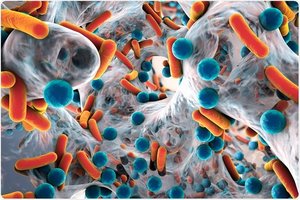
Host-Microbe Relationship: Microbiota
Most host-microbe interactions are either mutualistic or commensal, where both the host and microbes benefit or one benefits without harming the other. These microbes play essential roles in health and disease prevention.
Mutualism: Both host and microbe benefit (e.g., vitamin production, immune regulation).
Commensalism: Microbe benefits without affecting the host.
Functions: Nutrient absorption, vitamin synthesis (K, biotin), immune system modulation, and pathogen exclusion.
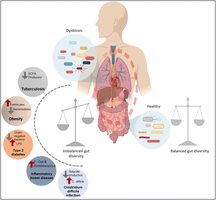
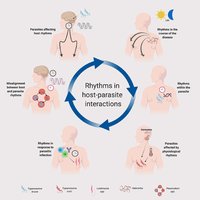
Host-Pathogen Relationship: Infection & Disease
Pathogenic microbes exploit the host, often causing harm. This parasitic relationship can lead to a spectrum of diseases, depending on the pathogen's virulence and the host's defenses.
Parasitism: Pathogen benefits at the host's expense, leading to illness.
Pathogens: Include viruses, bacteria, fungi, and parasites.
Portals of Entry for Infectious Agents
Major Routes of Entry
Microbes enter the host through specific anatomical sites, known as portals of entry. The route of entry often determines the type of disease caused.
Respiratory tract: Inhalation of aerosolized droplets (e.g., influenza, rhinovirus).
Gastrointestinal tract: Ingestion of contaminated food or water (e.g., typhoid).
Genital tract: Sexual transmission (e.g., HIV, chlamydia).
Conjunctiva: Infection of the eye surface (e.g., enterovirus, Zika virus).
Parenteral route: Direct entry via breaks in the skin (e.g., tick bites, needle sticks).
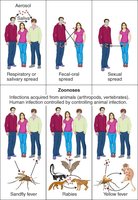
Respiratory Tract Entry
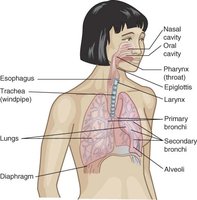
The respiratory tract is the most common portal of entry for pathogens due to constant exposure to airborne particles. Diseases such as influenza, rhinovirus, and coronavirus are transmitted this way.
Pathogens enter via inhalation into the nasal cavity, pharynx, or lungs.
Examples: Influenza virus, SARS-CoV-2, Rhinovirus.
Gastrointestinal Tract Entry
Pathogens entering through the gastrointestinal tract must survive harsh acidic conditions. Transmission often occurs via the fecal-oral route.
Examples: Salmonella typhi (typhoid), Vibrio cholerae (cholera).
Transmission: Contaminated food or water.

Genital Tract Entry
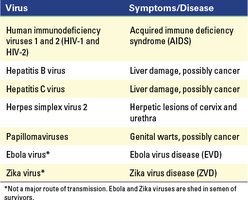
Sexually transmitted infections (STIs) enter through the genital tract, often via microabrasions or direct infection of mucosal cells.
Examples: HIV, Herpes simplex virus, Chlamydia trachomatis.
Conjunctiva Entry
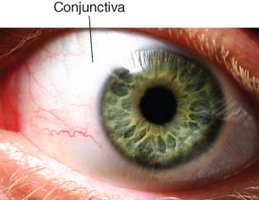
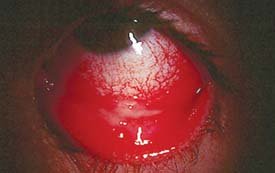
The conjunctiva is a thin membrane covering the eye. Certain pathogens can infect this tissue, leading to diseases such as conjunctivitis and keratoconjunctivitis.
Examples: Enterovirus type 70 (conjunctivitis), Zika virus, Ebola virus (uveitis).
Mechanisms of Pathogenesis
Stages of Pathogenesis
Pathogenesis describes the process by which microbes cause disease, involving several sequential stages:
Entry: Pathogen enters the host via a portal of entry.
Adhesion: Pathogen attaches to host cells using adhesins.
Invasion: Pathogen penetrates tissues or cells, often using enzymes or toxins.
Infection and Damage: Pathogen multiplies, causing tissue injury directly or via toxins/immune response.
Evasion of Host Defenses: Pathogen avoids immune detection or destruction.
Exit and Transmission: Pathogen leaves the host to infect new individuals.
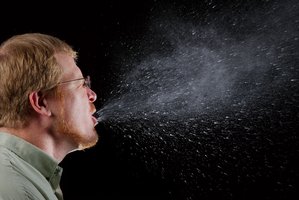
Adhesion
Adhesion is critical for colonization and infection. Pathogens use surface molecules (adhesins) to bind specific host cell receptors, resisting removal by physical forces (e.g., mucus, tears).
Enables tissue targeting (tropism) and progression to invasion.
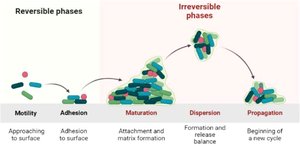
Invasion
After adhesion, pathogens may invade deeper tissues or enter host cells. This is often facilitated by enzymes that degrade host barriers, increasing disease severity and enabling systemic spread.
Examples: Hyaluronidase, collagenase, and other virulence factors.
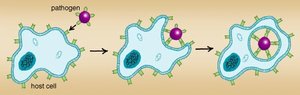
Infection and Damage
Pathogens cause damage by direct destruction of host cells, toxin production, or by triggering harmful immune responses. The severity of disease depends on both pathogen activity and host response.
Direct cytopathic effects (viruses).
Toxin-mediated damage (bacteria).
Immune-mediated injury (inflammation, cytokine storm).
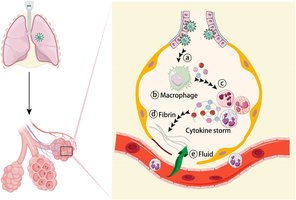
Evasion of Host Defenses
Pathogens employ various strategies to evade the immune system, such as forming capsules, surviving inside immune cells, altering surface antigens, or suppressing immune signaling.
Capsules and biofilms prevent phagocytosis.
Antigenic variation allows escape from antibodies.
Immune suppression disrupts host defense mechanisms.
Exit and Transmission
For continued transmission, pathogens must exit the host via specific portals (e.g., respiratory droplets, feces, sexual fluids, skin contact) and reach new susceptible hosts.
Epidemiology: Distribution and Control of Infectious Diseases
Introduction to Epidemiology
Epidemiology is the scientific study of disease distribution and determinants in populations. It informs public health interventions and policies.
Identifies and measures health problems.
Determines causes and risk factors for disease.
Evaluates interventions and guides resource allocation.

Key Epidemiological Definitions
Endemic: Disease consistently present at a steady level in a region.
Sporadic: Disease occurs irregularly and infrequently.
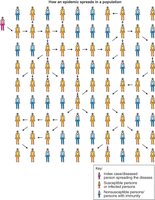
Epidemic: Sudden increase in disease cases above normal expectations.
Pandemic: Worldwide epidemic.
Morbidity: State of illness or disease.
Mortality: Deaths caused by a disease.
Incidence: Number of new cases in a specific period.
Prevalence: Total number of cases at a given time.
Etiological agent: The causative pathogen.
Case definition: Criteria for identifying disease cases.
Incubation period: Time from infection to symptom onset.
Prodromal period: Early, mild symptoms phase.
Communicable period: Time when an infected individual is contagious.
Convalescence: Recovery period after illness.
Mode of transmission: How a disease spreads (direct/indirect).
Zoonosis: Disease transmissible from animals to humans.
Infectious dose: Minimum number of microbes needed to cause disease.
Virulence: Severity of disease caused by a pathogen.
Pathogenicity: Ability of a microbe to cause disease.
R-nought (R0): Basic reproduction number, indicating transmission potential.
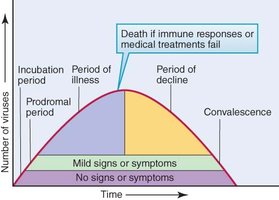
Modes of Transmission
Direct transmission: Person-to-person contact (e.g., touching, kissing, sexual contact).
Indirect transmission: Via intermediates such as air, vectors (insects), vehicles (fomites), or ingestion.
Chain of Infection
The chain of infection describes the sequence of events allowing infection to spread. Breaking any link in the chain can prevent disease transmission.
Portal of exit
Mode of transmission
Portal of entry
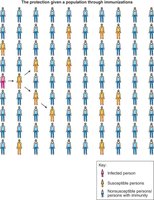
Concept of Herd Immunity
Herd immunity occurs when a large proportion of a population is immune to a disease (via vaccination or prior infection), reducing the likelihood of disease spread and protecting susceptible individuals.
Prevention and Containment of Contagious Diseases
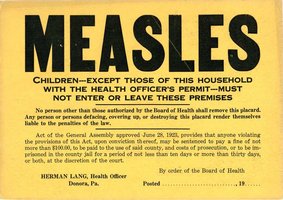
Quarantine: Separation of healthy individuals exposed to disease to prevent spread.
Isolation: Separation of infected individuals from the healthy population.
Summary Table: Portals of Entry and Example Diseases
Portal of Entry | Example Disease |
|---|---|
Respiratory tract | Influenza, COVID-19 |
Gastrointestinal tract | Typhoid, Cholera |
Genital tract | HIV, Herpes simplex |
Conjunctiva | Conjunctivitis, Zika virus |
Parenteral (skin break) | Rocky Mountain spotted fever, Hepatitis B |
Key Equations
Incidence Rate:
Prevalence Rate:
Basic Reproduction Number (R0):
Additional info: These notes integrate foundational concepts from microbiology, infectious disease, and epidemiology, providing a comprehensive overview suitable for college-level study and exam preparation.
