 Back
BackControl of Microbial Growth: Disinfection, Sterilization, and Methods of Microbial Control
Study Guide - Smart Notes
 Tailored notes based on your materials, expanded with key definitions, examples, and context.
Control of Microorganisms Outside the Body
Disinfection and Sterilization
Controlling microorganisms outside the body is essential for preventing infection and contamination in medical, laboratory, and everyday settings. The two primary strategies are disinfection (reducing or eliminating most pathogens) and sterilization (complete destruction of all microbial life, including endospores).
Microbial Death: Defined as the permanent loss of reproductive capability, even under optimal growth conditions.
Understanding the differences between disinfection and sterilization is crucial for proper application in healthcare and laboratory environments.
Relative Resistance of Pathogens
Levels of Microbial Resistance
Microorganisms vary in their resistance to control methods. Recognizing these differences helps in selecting appropriate decontamination strategies.
Highest resistance: Bacterial endospores, prions
Moderate resistance: Protozoan cysts, helminth eggs, certain bacteria, biofilms, most naked viruses, some fungi
Least resistance: Most bacterial vegetative cells, many fungi, most enveloped viruses, protozoan trophozoites, most helminths
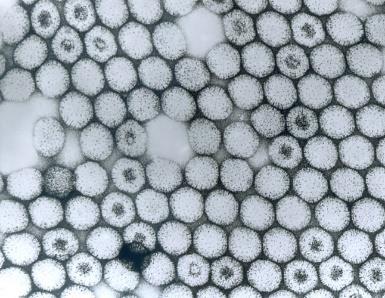
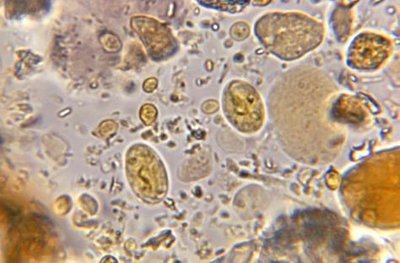
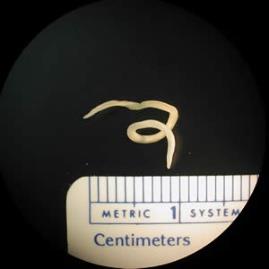
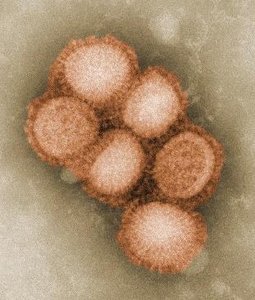
Levels of Decontamination
Classification of Germicidal Activity
Decontamination methods are classified based on their effectiveness against different types of microorganisms.
Germicide: Chemical agent capable of killing microbes.
Sporicide: Germicide capable of sterilization (kills endospores).
High-level germicide: May sterilize; used for devices contacting sterile body sites.
Intermediate-level: Kills less resistant organisms; for items contacting mucous membranes.
Low-level: Controls only low-resistance organisms; for surfaces contacting skin.
Factors Affecting Microbial Death Rate
Key Influencing Factors
The effectiveness of microbial control depends on several factors:
Time of exposure
Number of organisms/amount of material
Type of organisms present
Presence of inhibitors (e.g., organic matter)
Concentration of the agent
Mode of action of the agent
Desirable Qualities of Germicidal Agents
Rapid action at low concentration
Stability
Non-damaging to materials
Broad spectrum, low toxicity
Residue should be removable
Penetrating ability
Solubility in water or alcohol
Affordability and availability
Noncorrosive and non-staining
Modes of Action of Disinfectants
How Disinfectants Work
Disruption of cell wall (lysis)
Disruption of cell membrane (lysis, energy loss)
Denaturation of proteins
Damage to DNA
Note: Some agents may also harm human cells due to similar structures.
Methods of Physical Control
Physical Methods for Microbial Control
Physical methods can be used to sterilize or disinfect materials, depending on the method and conditions used.
Heat (Moist and Dry): Most reliable method for sterilization. Moist heat (autoclaving) is more effective than dry heat.
Radiation: Ionizing (e.g., X-rays) and nonionizing (UV) radiation can be used for sterilization or disinfection.
Filtration: Physical removal of microbes from liquids or air using filters with small pore sizes.
Cold temperatures and desiccation: Cannot sterilize but can slow microbial growth.
Moist Heat Methods
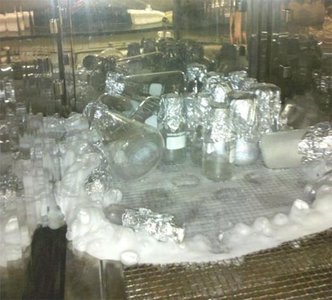
Steam under pressure (autoclave): 15 psi, 121°C, 15 minutes for sterilization. Steam must contact all surfaces.
Special packaging is required; items must not be heat or moisture sensitive.
Dry Heat Methods
Incineration: Direct flame or electric heating coil for complete destruction.
Dry ovens: 150–180°C for 120–600 minutes; denatures proteins.
Moist heat is faster and more effective than dry heat at the same temperature.
Radiation
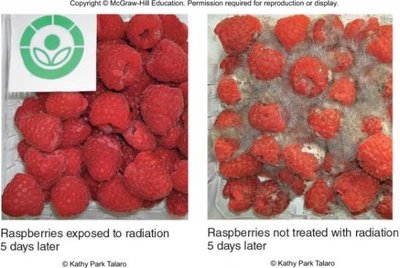
Ionizing radiation: Penetrates deeply, damages DNA, used for sterilizing medical supplies and food. Does not make food radioactive.
Nonionizing radiation (UV): Surface disinfection, limited penetration.
Filtration
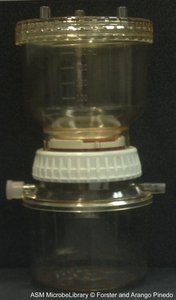
Removes microbes from heat-sensitive liquids and air.
Filters with pore sizes of 0.22 microns or smaller are used for sterilization.
Chemical Methods of Microbial Control
High-Level Disinfectants (Sterilants)
Alkylating agents: Ethylene oxide, aldehydes
Oxidizing agents: Hydrogen peroxide (H2O2), ozone, peracetic acid
No toxic residues; can sterilize if used properly
Halogens: Iodine and chlorine compounds; high-level germicides, inactivated by organic matter
Intermediate- and Low-Level Disinfectants
Alcohols: Ethanol, isopropanol (most effective at 50–70%); intermediate-level, denature proteins, dissolve membranes
Phenolics: Disrupt membranes, low to intermediate level, some are neurotoxic
Quaternary ammonium compounds (quats): Surfactants, require alkaline conditions, low-level
Heavy metals: Inactivate enzymes, low-level, toxic to humans and microbes
Oxidizing Agents
Produce toxic oxygen products (e.g., ozone, peracetic acid, H2O2)
Penetrating, may sterilize; difficult to handle in gas form
H2O2: Antiseptic at low concentrations (3–6%), sterilant at higher concentrations
Halogens
Iodine and chlorine compounds; highly reactive, oxidize SH groups, precipitate proteins
Chlorine (bleach): More active in acidic conditions, unstable in light, toxic as gas
Iodine: Less affected by pH, can stain, toxic if ingested
Phenolics
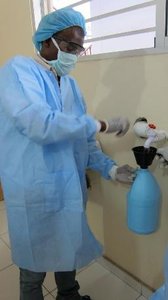
Low to intermediate germicides; disrupt lipid membranes
Poor solubility, can be absorbed, some are neurotoxic
Examples: Lysol, bisphenols, triclosan, chlorhexidine
Alcohols
Intermediate disinfectants; ethanol and isopropanol (50–95%)
Act as surfactants, dissolve membrane lipids, coagulate proteins (requires water)
Most effective at 50–70% concentration
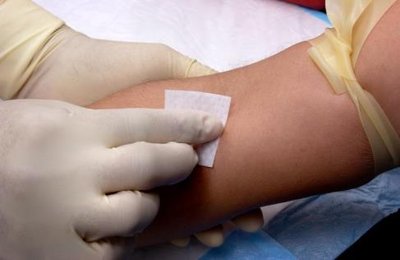
Detergents and Soaps
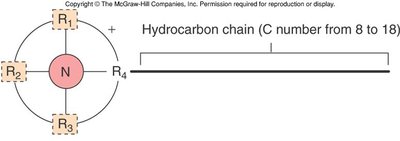
Quaternary ammonium compounds (quats): Surfactants, require alkaline conditions, low-level disinfectants
Soaps: Mechanically remove microbes, not true disinfectants
Heavy Metals
Inactivate enzymes by binding to functional groups
Oligodynamic action: Effective at very low concentrations
Examples: Mercury (thimerosal, mercurochrome), silver nitrate, nanocrystalline silver
Should not be used internally due to toxicity
Summary Table: Levels of Microbial Resistance
Resistance Level | Examples |
|---|---|
Highest | Bacterial endospores, prions |
Moderate | Protozoan cysts, helminth eggs, certain bacteria, biofilms, most naked viruses, some fungi |
Least | Most bacterial vegetative cells, many fungi, most enveloped viruses, protozoan trophozoites, most helminths |
Summary Table: Methods of Microbial Control
Method | Can Sterilize? | Examples/Notes |
|---|---|---|
Moist Heat | Yes | Autoclave, pressure cooker |
Dry Heat | Yes | Incineration, dry oven |
Radiation | Yes (ionizing) | X-rays, UV (surface only) |
Filtration | Yes | Heat-sensitive liquids, air |
Cold/Desiccation | No | Slows growth only |
