 Back
Control of Microbial Growth: Methods and Applications in Healthcare and Laboratory Settings
Study Guide - Smart Notes
 Tailored notes based on your materials, expanded with key definitions, examples, and context.
Control of Microbial Growth
Introduction
The control of microbial growth is a fundamental aspect of microbiology, especially in healthcare, laboratory, and domestic environments. It involves various strategies to reduce transmission and limit exposure to potentially harmful microorganisms. These strategies do not treat disease directly but are essential for preventing infection and contamination.
Key Definitions
Sterilization: Removal or destruction of all forms of microbial life, including spores.
Disinfection: Reduction of vegetative organisms to a safe level.
Antisepsis: Disinfection of skin or other tissues.
Preservation: Prevention of microbial growth that could damage products.
Cleaning: General removal of debris and organic matter, reducing proliferation of bacteria.
Principles of Microbial Killing
Death Rate: Depends on temperature, type of microbe (including biofilm formation), presence of interfering substances (e.g., vomit, feces), and initial microbial numbers.
Microbicidal vs. Microbistatic: Microbicidal agents kill microbes, while microbistatic agents inhibit their growth.
Classification of Items in Healthcare
Critical, Semi-Critical, and Non-Critical Items
Critical Items: Enter sterile tissue or vascular system; require sterilization (e.g., surgical instruments, catheters, implants, needles).
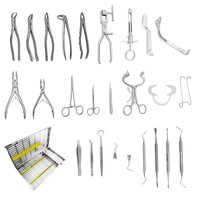
Semi-Critical Items: Contact broken skin or mucous membranes; require high-level disinfection or sterilization (e.g., respiratory therapy equipment, endoscopes).
Non-Critical Items: Contact only intact skin; require intermediate or low-level disinfection (e.g., BP cuffs, stethoscopes).

Linen Handling
All linens are treated as contaminated and bagged at the point of use.
Hot water treatment: 160°F for 25 minutes.
Cold water treatment: 71–77°F with 125 ppm chlorine bleach rinse or equivalent detergent.
Physical Methods of Microbial Control
Temperature-Based Methods
Cool Temperatures: Refrigeration slows or halts microbial growth; freezing and thawing may kill some microbes (used for preservation).
Moist Heat: Denatures proteins and destroys membranes. Includes boiling (disinfection), pasteurization (removal of pathogens/spoilage organisms), and autoclaving (sterilization).
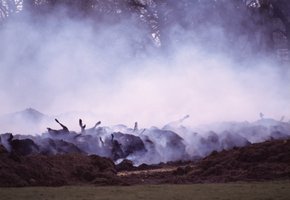
Dry Heat: Includes flaming, incineration, and hot air baking (171°C for 1 hr or 160°C for 2 hrs).
Autoclave: Mechanism and Monitoring
Autoclave: Uses steam at 121°C for 15 minutes at 15 psi. Steam must penetrate all surfaces; temperature, not pressure, is the killing factor.
Monitoring: Equipment gauges, chemical indicators (color change), and biological indicators (spore strips tested for viability).

Table: Relationship between Pressure and Temperature in Autoclave
Pressure (psi) | Temperature (°C) |
|---|---|
0 | 100 |
5 | 110 |
10 | 116 |
15 | 121 |
20 | 126 |
30 | 135 |
Table: Effect of Container Size on Autoclave Sterilization Times
Container Size | Liquid Volume | Sterilization Time (min) |
|---|---|---|
Test tube (18 x 150 mm) | 10 ml | 15 |
Erlenmeyer flask (125 ml) | 95 ml | 15 |
Erlenmeyer flask (2000 ml) | 1500 ml | 30 |
Fermentation bottle (9000 ml) | 6750 ml | 70 |
Radiation
UV Radiation: Causes abnormal DNA bonds (e.g., pyrimidine dimers); poor penetration, not suitable for sterilization.
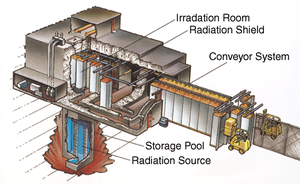
Ionizing Radiation: Causes DNA breaks; effective for heat-sensitive items but dangerous.
Microwaves: Kill microbes by heat.

Filtration
Used for liquids or gases, especially heat-sensitive materials (e.g., media, vaccines).
Removal based on filter pore size (0.22 μm or 0.45 μm for bacteriological filters).
Can be used for large volumes or syringe-sized applications; filters may clog over time.
Chemical Methods of Microbial Control
Properties of Ideal Disinfectants/Antiseptics
Broad spectrum activity
Fast acting
Stable and non-toxic
Effective at room temperature
Odorless or pleasant smelling
Inexpensive
Mode of Action of Disinfectants
Alteration of cell walls
Alteration of membrane permeability
Damage to proteins
Damage to DNA
Factors Affecting Disinfection
Treatment site (skin vs. scalpel vs. countertops)
Type of microbe (Gram-positive vs. Gram-negative, presence of endospores)
Environmental conditions
Types of Chemical Agents
Halogens: Iodine and chlorine are strong oxidizing agents; bleach is commonly used but not suitable for skin.
Alcohols: Ethanol and isopropanol; disinfect skin and surfaces, evaporate quickly.
Heavy Metals: Silver and mercury; denature proteins, silver-impregnated products used, mercury limited due to toxicity.
Quaternary Ammonium Compounds (Quats): Disrupt plasma membrane; Gram-positives more susceptible; used for antisepsis and surface disinfection.
Aldehydes: Formaldehyde and glutaraldehyde; denature proteins, highly effective but irritating; glutaraldehyde can sterilize at high concentrations and long exposures.
Chemical Sterilants: Ethylene oxide (ETO); denatures proteins, works at ambient temperatures, high penetration but toxic.
Evaluating Disinfectants
Manufacturers must prove efficacy.
Disk-diffusion tests measure zone of inhibition.
Practical Applications and Strategies
Combining Strategies
Masks impregnated with chlorhexidine release cations that bind to cells and disrupt membranes at high doses.
Handwashing
Soap and water with scrubbing remove microbes and reduce numbers.
Handwashing can prevent millions of deaths worldwide, especially from diarrheal diseases.
Summary Table: Methods for Controlling Microbial Growth
Method | Application | Effect |
|---|---|---|
Physical (heat, radiation, filtration) | Equipment, media, surfaces | Sterilization/disinfection |
Chemical (disinfectants, antiseptics) | Surfaces, skin, instruments | Disinfection/antisepsis/sterilization |
Mechanical (filtration, masks) | Liquids, gases, air | Removal of microbes |

Conclusion
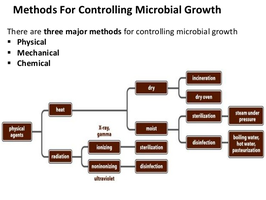
Effective control of microbial growth is achieved through a combination of physical, chemical, and mechanical methods. The choice of method depends on the item, environment, and desired level of microbial reduction. Understanding these principles is essential for microbiology students and professionals in healthcare and laboratory settings.
