 Back
Control of Microbial Growth: Methods, Mechanisms, and Applications
Study Guide - Smart Notes
 Tailored notes based on your materials, expanded with key definitions, examples, and context.
Control of Microbial Growth
Introduction to Microbial Control
Understanding microbial metabolism, growth, and requirements is essential for developing effective strategies to control and eliminate microorganisms. Microbial control is fundamental in microbiology, healthcare, and public health to prevent infection and contamination.
Sterilization: Removal or destruction of all living microorganisms, including resistant forms like endospores.
Sterilant: An agent used to achieve sterilization.
Heating: Most common method for killing microbes.
Example: Laboratory sterilants include autoclaves and chemical agents.
Terminology of Microbial Control
Microbial control involves various methods and agents, each with specific terminology and applications.
Disinfection: Destruction of harmful microorganisms, targeting vegetative cells but not endospores.
Disinfectant: Chemical used on inert surfaces.
Antisepsis: Chemical treatment directed at living tissue, referred to as an antiseptic.
Degerming: Mechanical removal of microbes in a limited area.
Sanitization: Reduction of microbial counts to safe public health levels.
Cleaning: May involve disinfecting or both.
Suffixes and Additional Terms
Specific suffixes indicate the action of microbial control agents.
-cide: Indicates killing (e.g., biocide, fungicide, virucide).
-stat/-stasis: Indicates inhibition of growth (e.g., bacteriostasis).
Sepsis: Indicates bacterial contamination.
Aseptic/Asepsis: Indicates absence of pathogens or significant contamination.
The Rate of Microbial Death
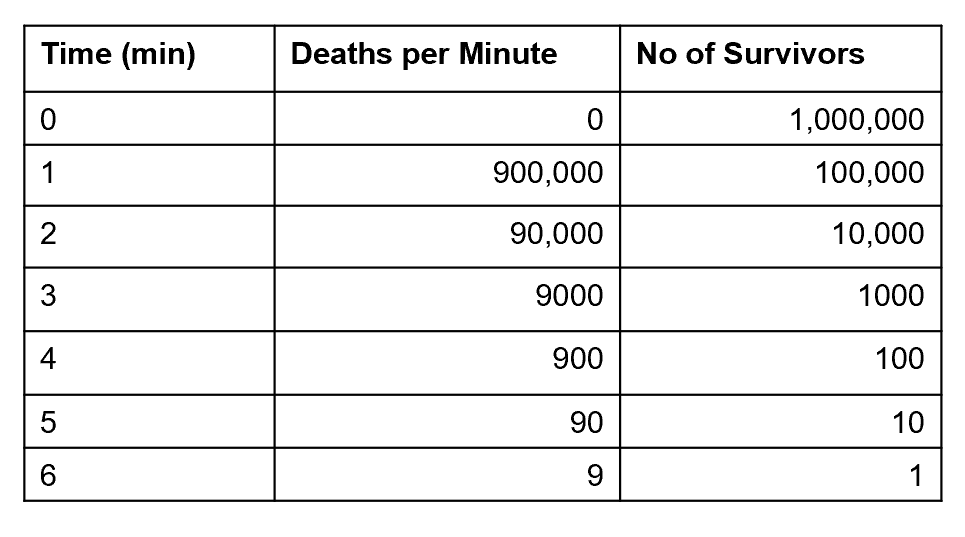
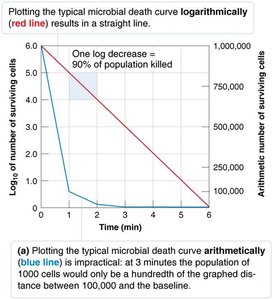
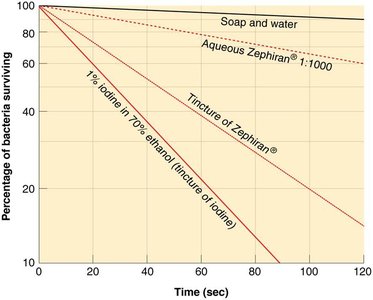
Microbial populations die at a constant rate when exposed to antimicrobial treatments. This rate is best visualized on a logarithmic scale, where a fixed percentage of cells die per unit time.
Example: If 90% die in the first 10 minutes, 90% of the remaining die in the next 10 minutes.
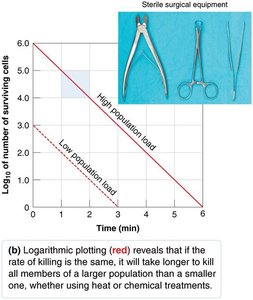
Logarithmic plotting: Results in a straight line, useful for predicting microbial death.
Time (min) | Deaths per Minute | No of Survivors |
|---|---|---|
0 | 0 | 1,000,000 |
1 | 900,000 | 100,000 |
2 | 90,000 | 10,000 |
3 | 9,000 | 1,000 |
4 | 900 | 100 |
5 | 90 | 10 |
6 | 9 | 1 |
Factors Influencing Antimicrobial Effectiveness
Key Factors
Several factors affect the effectiveness of antimicrobial agents and methods.
Number of microbes: Higher initial populations require longer treatment.
Environment: Warm solutions enhance disinfectant activity; presence of organic matter (blood, vomit, feces) can inhibit effectiveness.
Biofilms: Can protect microbes from agents.
Time of exposure: Extended exposure needed for resistant microbes.
Microbial characteristics: Cell wall composition, presence of endospores.
Mechanisms of Microbial Control Agents
Primary Targets
Microbial control agents act by disrupting essential cellular components.
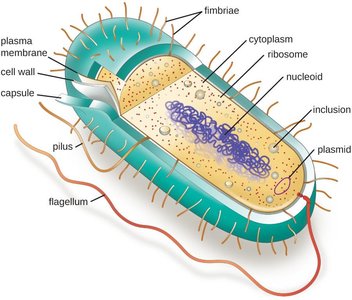
Plasma membrane: Damage causes leakage and loss of cellular integrity.
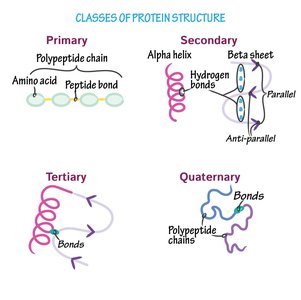
Proteins/Enzymes: Denaturation disrupts function; structure maintained by hydrogen and covalent bonds.
Nucleic acids: Damage prevents replication and normal metabolism.
Physical Methods of Microbial Control
Thermal Death Parameters
Heat is a primary method for microbial control, with specific parameters guiding its use.
Thermal Death Point (TDP): Lowest temperature to kill all cells in 10 minutes.
Thermal Death Time (TDT): Minimal time to kill all cells at a given temperature.
Decimal Reduction Time (DRT): Time to kill 90% of a population at a specific temperature.
Equations:
(where D is decimal reduction time, k is the rate constant)
(where N_t is survivors at time t, N_0 is initial population, D is decimal reduction time)
Moist Heat Sterilization
Moist heat kills microorganisms by denaturing proteins, breaking hydrogen bonds and disrupting structure.
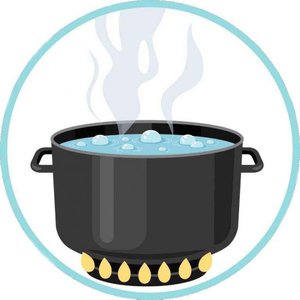
Boiling: Kills vegetative cells, many viruses, fungi, and spores, but not reliable for endospores.
Free-flowing steam: Similar to boiling, not reliable for endospores.
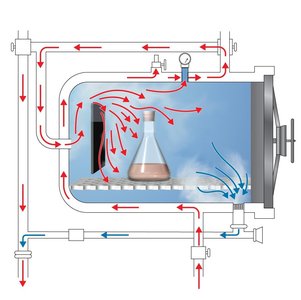
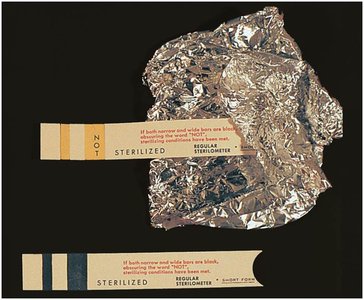
Autoclaving: Uses steam under pressure (121°C at 15 psi) for reliable sterilization.
Pasteurization: Reduces spoilage organisms and pathogens (HTST: 72°C for 15 sec).
Dry Heat Sterilization
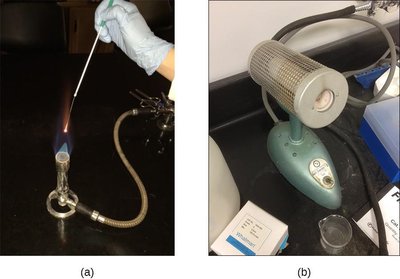
Dry heat kills by oxidation. Methods include direct flaming (e.g., inoculating loops) and incineration for disposal of contaminated materials.
Radiation
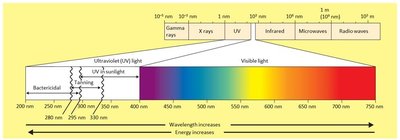
Radiation sterilizes by damaging DNA and cellular components. Its effectiveness depends on wavelength, intensity, and duration.
Ionizing radiation: (X-rays, gamma rays, electron beams) creates hydroxyl radicals, causing lethal mutations.
Nonionizing radiation: (UV, 260 nm) creates thymine dimers, preventing DNA replication.
Microwaves: Kill by heat, not especially antimicrobial.
Chemical Methods of Microbial Control
Principles of Effective Disinfection
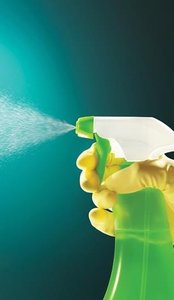
Chemical agents are used to control microbial growth on living tissue and inanimate objects. Few achieve sterility; most reduce populations to safe levels.
Concentration of disinfectant
Organic matter
pH
Temperature
Time
Disk-Diffusion Method
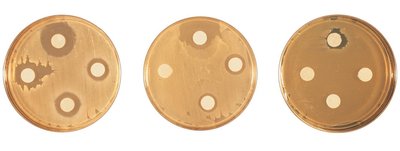
This method evaluates the efficacy of chemical agents by measuring the zone of inhibition around disks soaked in chemicals placed on microbial cultures.
Types of Chemical Agents
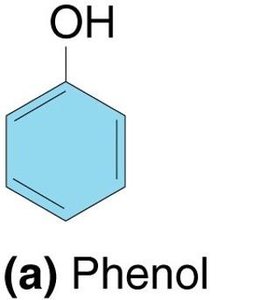
Phenols and Phenolics
Phenol was first used by Joseph Lister for surgical infection control. Phenolics are derivatives with increased antibacterial activity.
Mode of Action: Attacks plasma membrane lipids and denatures enzymes.
Advantages: Remain active in presence of organic compounds, stable, persistent.
Example: Crysol (active agent in Lysol).
Bisphenols
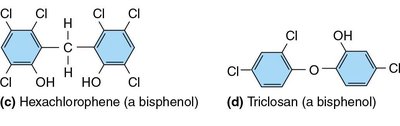
Bisphenols contain two phenol groups connected by a bridge. They disrupt plasma membrane lipids and are especially effective against gram-positive bacteria.
Examples: Hexachlorophene, Triclosan (found in toothpaste).
Plant Essential Oils
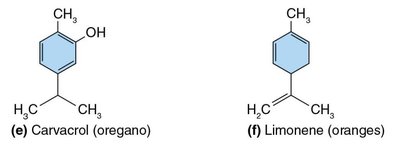
Hydrocarbons extracted from plants, often phenolics, disrupt cell membranes and are more effective against gram-positive bacteria.
Examples: Peppermint oil, pine oil, tea tree oil, carvacrol (oregano), limonene (oranges).
Halogens
Halogens (Group 17 elements) are broad-spectrum antimicrobial agents.
Iodine: Impairs protein synthesis and alters membranes; used for skin, wounds, water.
Chlorine: Forms hypochlorous acid in water (bleach); shuts down enzymes.
Alcohols
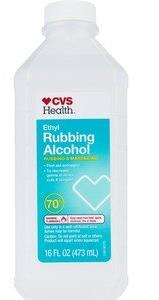
Alcohols denature proteins and dissolve lipids, but are ineffective against endospores and nonenveloped viruses.
Examples: Ethanol, isopropanol; require water for effectiveness.
Applications: Hand sanitizers, skin antiseptics.
Heavy Metals
Heavy metals denature proteins and exhibit oligodynamic action (effective in small amounts).
Examples: Silver (Ag), zinc (Zn).
Applications: Biofilm control, mouthwash.
Surface-Active Agents
These agents decrease surface tension among molecules of a liquid, aiding in microbial removal.
Agent | Mode of Action |
|---|---|
Soap | Degerming; emulsification (break down oils) |
Acid-anionic sanitizers | Anions react with plasma membrane, thermoduric bacteria |
Quaternary ammonium compounds (quats) | Cations are bactericidal, denature proteins, disrupt plasma membrane, fungicidal, virucidal |
Organic Acids
Organic acids are used as chemical preservatives, inhibiting microbial metabolism.
Example: Sodium nitrate prevents germination and growth of botulism endospores.
Antibiotics
Bacteriocins are proteins produced by one bacterium to inhibit another. Nisin and natamycin prevent spoilage of cheese but have no clinical value.
Example: Nisin is naturally present in dairy products.
Aldehydes
Aldehydes inactivate proteins and are used for preserving specimens and disinfecting medical equipment.
Examples: Formaldehyde (preserves specimens, inactivates bacteria/viruses in vaccines), glutaraldehyde (liquid chemical sterilant).
 ----------------------------------------
