 Back
BackControl of Microbial Growth: Physical and Chemical Methods
Study Guide - Smart Notes
 Tailored notes based on your materials, expanded with key definitions, examples, and context.
Control of Microbial Growth
Introduction to Hospital Acquired Infections (HAIs)
Hospital Acquired Infections (HAIs) are a significant concern in healthcare settings, with approximately 1.7 million cases and 99,000 deaths annually in the U.S. alone. Effective control of microbial growth is essential to prevent these infections and ensure patient safety.
HAIs: Infections acquired during hospital care that were not present at admission.
Importance: Reducing HAIs saves lives and healthcare costs.
Principles of Microbial Growth Control
Definitions and Key Concepts
Sterilization: A process that destroys all microbial life, including spores. Used for materials that must be completely free of living organisms.
Disinfection: Reduces the number of pathogenic microorganisms on inanimate objects, but may not eliminate all microbes or spores.
Disinfectant: Chemical agent used on non-living surfaces to kill or inhibit microbes.
Antiseptic: Chemical agent safe for use on living tissue to reduce microbial load.
Microbicidal: Agents that kill microbes.
Microbiostatic: Agents that inhibit the growth of microbes without necessarily killing them.
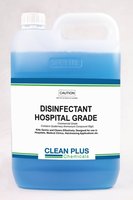
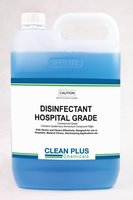
Example: Hospital-grade disinfectants are used to clean surfaces and reduce the risk of HAIs.
Methods of Controlling Microbial Growth
Physical Methods
Physical methods are non-chemical approaches to controlling microbial growth, often used for sterilization or disinfection of materials and environments.
Heat
Mechanism: Denatures proteins and disrupts cell membranes, leading to cell death.
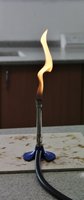
Dry Heat: Includes incineration, ovens, and flames. Effective for heat-stable materials.
Moist Heat: More effective than dry heat due to better penetration. Includes boiling, pasteurization, and autoclaving.
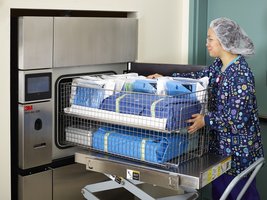
Autoclave: Uses steam under pressure (e.g., 121°C at 15 psi for 15 minutes) to sterilize equipment, including destruction of endospores.
Boiling: Kills most microbes but not all spores.
Pasteurization: Reduces microbial load in food and beverages but does not sterilize.
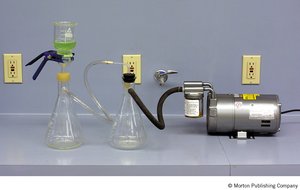
Filtration
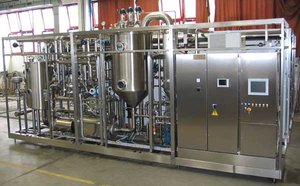
Purpose: Physically removes microbes from liquids or air using filters.
Applications: Sterilizing heat-sensitive solutions (membrane filters) and purifying air (HEPA filters).
Irradiation
Mechanism: Damages DNA and other cellular molecules, leading to microbial death.
Ionizing Radiation: Gamma rays and X-rays; used for sterilizing medical equipment and food.
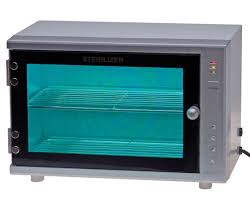
Non-ionizing Radiation: Ultraviolet (UV) light; used for surface and air disinfection.

Chemical Methods
Chemical agents are used to control microbial growth on surfaces, instruments, and living tissues. They act by disrupting membranes, denaturing proteins, or oxidizing/destroying cellular components.
Major Types of Chemical Agents
Surfactants: Disrupt cell membranes and aid in mechanical removal of microbes (e.g., soaps and detergents).
Alcohols: Denature proteins and disrupt membranes; effective against bacteria and enveloped viruses.
Peroxygens: Produce free radicals that damage cellular components (e.g., hydrogen peroxide).
Halogens: Oxidize and inactivate microbial molecules (e.g., chlorine, iodine).
Alkylating Agents: Destroy proteins and nucleic acids; ethylene oxide is used for sterilizing heat-sensitive materials, including plastics.
Disinfectants vs. Antiseptics
Agent | Used On | Example |
|---|---|---|
Disinfectant | Inanimate objects | Hospital-grade disinfectant |
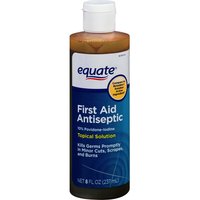
Antiseptic | Living tissue | First aid antiseptic |
Summary Table: Physical and Chemical Methods of Microbial Control
Method | Mechanism | Application | Example |
|---|---|---|---|
Autoclaving | Moist heat, pressure | Sterilization of lab/medical equipment | Autoclave |
Filtration | Physical removal | Heat-sensitive liquids, air | Membrane/HEPA filters |
Irradiation | DNA damage | Food, surfaces, equipment | UV light, gamma rays |
Alcohols | Protein denaturation, membrane disruption | Skin antisepsis, surface disinfection | Ethanol, isopropanol |
Halogens | Oxidation | Water, surfaces, wounds | Chlorine, iodine |
Alkylating agents | Protein/DNA destruction | Heat-sensitive equipment | Ethylene oxide |
Concept Checks and Applications
Sterilization is microbicidal and destroys all forms of microbial life, including spores. It is not used on human skin due to its harshness.
Autoclaving is the preferred method for destroying endospore-forming bacteria such as Clostridioides difficile in hospitals.
Choosing a Method: The choice of control method depends on the item, material, and required level of microbial control (e.g., autoclave for surgical tools, filtration for heat-sensitive solutions, UV for surfaces).
